
Summer Fridays ShadeDrops Broad Spectrum SPF 30 Mineral Milk Sunscreen for oily acne-prone skin

 Zinc Oxide
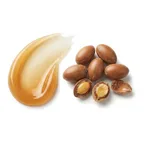 Argania Spinosa Kernel Oil
 Squalane
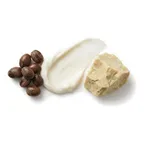 Butyrospermum Parkii Butter Extract Shea Butter Extract
 Tocopherol
Average
- HighOily Skin Fit
- AverageEffectiveness
- Low RiskSafety
Works for oily acne-prone skin; other sunscreens fit it better.
This fit is calculated for the concerns frequently associated with oily acne-prone skin: shine, breakouts, blemishes, and enlarged pores. For scores and recommendations based on your full skin profile, including your 12D face scan results and any goals or preferences you have, please use the Lovi app.
Updated How the Fit score works
Lovi Assistant explains
- Highly suitable for your oily skin due to zinc oxide's seboregulation and squalane's oil balancing properties, though it offers only moderate sun protection and general hydration from glycerin and soothing from bisabolol, which are not targeted for your acne, blemishes, and breakouts.
- The presence of urea and benzyl alcohol, while generally safe for your oily skin, carries a slight risk of irritation.
- The safety profile is generally good, with minimal concerns for irritation.
How to apply
- Use your moisturizing sunscreen every morning. Reapply throughout the day if you are outside.
- Apply this moisturizing sunscreen as the final step of your morning routine after your moisturizer.
- Gently smooth a nickel-sized amount over your face and neck, avoiding harsh rubbing to keep oily areas calm.
- Apply this moisturizing sunscreen on clean, dry skin to ensure even coverage and protection.
- Avoid getting the product into your eyes and do a patch test before your first use.
People Say
★3.9Overall rating based on 2.4k+ reviewsBased on a very large amount of data, this mineral sunscreen is highly recommended for oily, combination, and acne-prone skin due to its ultra-lightweight, serum-like texture that provides a natural, non-greasy finish without clogging pores. Many users with diverse skin tones report no white cast. However, a moderate number of users experienced skin reactions or breakouts, and some found the quantity to be small for the price.
Highlights
Lightweight texture Mostly Mentioned
- “glides over skin like a serum”
- “incredibly lightweight and easy on”
- “absorbs fast into my skin without any greasy feeling”
- “very silky feeling”
Good under makeup Often Mentioned
- “works well under makeup”
- “makeup went on super normal again no peeling”
- “offers makeup the perfect amount of tack”
No white cast Often Mentioned
- “no white cast on my skin tone”
- “undetectable sunscreen”
- “starts white but rubs in completely”
- “sheer, luminous version”
Non-greasy finish Sometimes Noted
- “soft, non-sticky, natural-looking finish”
- “dried down... looks less dewy”
- “not greasy at all”
Price vs quantity Sometimes Noted
- “price tag may seem a bit steep”
- “wish it was a little bit more affordable”
- “go through this pretty quickly”
Skin reactions Sometimes Noted
- “developing a reaction... redness and rash”
- “broke out with an allergic reaction”
- “caused tiny bumps all over”
Not water-resistant Rarely Noted
- “not water resistant”
- “would not be the perfect formula for sports”
- “reapply right after you get out of the water”
Runny consistency Rarely Noted
- “super super watery”
- “separates a little bit”
- “very very runny... less is not more”
Sources: lovi.care, summerfridays.com, sephora.com, kohls.com, revolve.com, cultbeauty.com, and more
Questions and answers
How well does Summer Fridays ShadeDrops work for oily acne-prone skin?
This sunscreen works moderately well for your oily skin because zinc oxide and squalane help balance oil, though it lacks specific ingredients to target your breakouts and may carry a slight risk of irritation. A better fit for this skin needs lightweight hydration, high sun protection, and targeted blemish-fighting ingredients like niacinamide or Centella asiatica without any risk of irritation.
Which ingredients make this sunscreen a good fit for oily acne-prone skin?
Zinc oxide helps control excess oil, and squalane balances oil levels to make this sunscreen a good fit for oily skin. To truly suit acne-prone skin, a product of this type needs ingredients that target breakouts and blemishes, such as niacinamide, centella asiatica, or probiotics, while keeping the formula lightweight and free of irritation risks.
What does Zinc Oxide do for oily acne-prone skin?
Zinc oxide helps calm oily, acne-prone skin by reducing redness and targeting blemish-causing bacteria. Studies show that using it on your skin may safely decrease breakouts and inflammatory spots without causing irritation.
What does Argan Oil do for oily acne-prone skin?
Argan oil may be too heavy for oily and acne-prone skin, as it has a high oleic acid content that is less ideal for barrier repair in this skin type. Oily skin types typically need lightweight, fast-absorbing oils with a higher ratio of linoleic acid to help balance oil production without clogging pores.
Where does this sunscreen go in a skincare routine for oily acne-prone skin?
This sunscreen goes last in your morning skincare routine, right after your moisturizer. It helps protect your skin from the sun, but oily acne-prone skin needs a product with targeted blemish-fighting ingredients and oil control to get the best results.
Can I use this sunscreen with retinol, and in what order?
You can use this sunscreen in the morning after applying your moisturizer and retinol, though this type of sunscreen works best for your skin when paired with ingredients that directly target breakouts and blemishes.
How often should I use this sunscreen?
You can use this sunscreen every morning as the final step of your daytime routine. Because this product works well enough for your oily skin but lacks targeted ingredients for breakouts, your routine needs ingredients like salicylic acid or benzoyl peroxide to help clear blemishes.
Can this sunscreen clog pores, cause breakouts or purging for oily acne-prone skin?
This sunscreen works for oily skin, but because it lacks targeted ingredients for breakouts, it may not help prevent blemishes. This skin type needs lightweight, non-greasy hydrators and blemish-clearing ingredients like salicylic acid or targeted botanical extracts to keep pores clear.
Is this sunscreen fragrance-free and alcohol-free?
It has no drying alcohol and contains fragrance (benzyl alcohol).
What the research says
A single application of a moisturizing fluid containing hyaluronic acid 1%, glycerin 5%, and Centella asiatica stem cells extract significantly increased skin hydration by 29% and reduced transepidermal water loss at 24 hours compared to baseline and an untreated control site in twenty healthy women.
Clinical, Cosmetic and Investigational Dermatology, 2017Biomimetic hyaluronic acid-stabilized zinc oxide nanoparticles selectively inhibited C. acnes, outperformed erythromycin in preclinical acne models, and safely reduced acne lesions and redness in a clinical trial.
Journal of Controlled Release, 2025Topical 0.5% hyaluronic-ZnO nanogel applied twice daily reduced inflammatory-lesion counts by 58% at week four in human subjects compared to baseline without causing erythema.
Biomedicines, 2025Daily use of a deep cleansing gel containing salicylic acid 2%, zinc gluconate 0.2% and lipohydroxy acid 0.05% significantly reduced total lesion count by 56.3% after 84 days in 35 subjects with mild to moderate truncal acne.
Clinical, Cosmetic and Investigational Dermatology, 2023Topical zinc oxide nanogels formulated using Dendrobium anosmum showed greater effectiveness against Gram-positive acne-causing bacteria compared to chemogenic nanoparticles.
Molecules, 2023Topical application of an argan oil NLC-based hydrogel formulation increased skin hydration in healthy volunteers over a one-month period through a synergistic effect of NLC occlusion and argan oil hydration.
International Journal of Nanomedicine, 2014Incorporating allantoin into argan oil enriched liposomes improved its accumulation in the dermis (~8.7μg/cm(2)) and permeation through the skin (~33μg/cm(2)) compared to conventional liposomes, water dispersion, and a commercial gel.
International Journal of Pharmaceutics, 2016Application of fullerene-C60 dissolved in squalane cream twice daily for 8 weeks significantly enhanced skin moisture and reduced wrinkle formation compared to placebo in 23 Japanese women without severe side effects.
Journal of Nanoscience and Nanotechnology, 2010Squalane at 0.005-0.015% counteracts UVA-induced oxidative stress, inflammation, and collagen metabolism inhibition while stimulating fibroblast migration in human dermal fibroblasts.
Molecules, 2025Plant-derived squalane protected human dermal fibroblasts against UVA-induced damage by counteracting ROS formation, suppressing apoptosis-related proteins p53, caspase-3, caspase-9, and PARP, and restoring the pro-survival p-Akt/mTOR pathway.
Antioxidants, 2025A skin barrier restoring cream with shea butter, silkflo, and vitamin E increased type I procollagen synthesis, enhanced antioxidant enzyme activity, decreased reactive oxygen species generation, and promoted hyaluronic acid production in H2O2-stimulated human keratinocyte cells compared to untreated cells.
International Journal of Cosmetic Science, 2025Topical application of an antioxidant serum containing 15% ascorbic acid, 0.5% ferulic acid, and 1% tocopherol prevented particulate matter-induced degradation of extracellular matrix components, inflammation, and oxidative stress in the skin of 15 female volunteers compared to untreated controls.
Journal of Cosmetic Dermatology, 2025Dermatological products containing d-alpha tocopheryl acetate showed non-comedogenic potential with less than a 50% increase in microcomedones in 12 healthy male subjects compared to octyl palmitate.
Contemporary Clinical Trials Communications, 2021Topical application of an antioxidant mix containing 15% ascorbic acid, 0.5% ferulic acid, and 1% tocopherol prevented PM and UV-induced skin barrier perturbation, lipid peroxidation, inflammatory markers, MMP9 activation, and Type I collagen loss in 15 healthy females compared to untreated exposed skin.
Journal of Cosmetic Dermatology, 2024
Ingredients
Zinc Oxide, Water, C12-15 Alkyl Benzoate, Sorbitan Oleate Decylglucoside Crosspolymer, Argania Spinosa Kernel Oil, Tocopheryl Acetate, Ammonium Acryloyldimethyltaurate Vp Copolymer, Glycerin, Caramel, Polyester-5, Squalane, Butyrospermum Parkii Butter Extract Shea Butter Extract, Bisabolol, Tocopherol, Ethyl Ferulate, Urea, Ethylhexylglycerin, Gluconolactone, Triethoxycaprylylsilane, Dimethicone, Sodium Chloride, Benzyl Alcohol, Sodium Benzoate, Sorbic Acid, Chlorphenesin, Phenoxyethanol
Behind this fit score
Lovi calculates every fit score from the full ingredient list with brand-independent rules our dermatologists and cosmetic chemists build and review, and personalizes every pick with AI trained on the real results of millions of users. Lovi trains its fit score models on a proprietary dataset built from more than 10,000 expert-labeled products and more than 100,000 simulated examples, following an internally consistent methodology presented at Cosmoprof, AMWC, and Skin of Color Update.
-

Co-founder, Medical Director
Cosmetic chemist, cosmetologist, aesthetic products developer
-

Co-founder, CEO and CTO
PhD in computer science, 3x US patent holder, ex-Google, ex-Yandex
-

Dr. Sofía Perea Pérez, MD, MSc
Medical Board
Aesthetic medicine practitioner, MSc in Longevity and Anti-Aging Medicine
-

Medical Board
Specialist dermatologist, MBBS, MD, IFAAD
-

Medical Board
Cosmetic chemist, SCS, IFSCC member
-

Medical Board, Medical Advisor
Dermatology MD
-

Elina Nazarenko, MD
Medical Board
Dermatology and diagnostic consultant
-

Victoria Derkova, MS
Medical Board
Cosmetic chemist, cosmetic development technologist


How does it fit your skin?
Scan your face, then any product: Lovi shows how well it fits you and what fits even better.