
Sulwhasoo Herbal Clay Purifying Mask for acne-prone skin

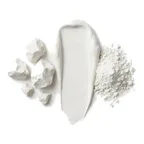 Kaolin
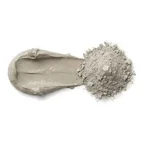 Bentonite
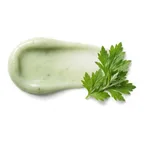 Artemisia Princeps Leaf Extract
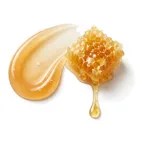 Honey
 Glycyrrhiza Glabra Root Extract Licorice Root Extract
Average
- SuperiorCombination Skin Fit
- AverageEffectiveness
- HighSafety
Works for acne-prone skin; other cleansing masks fit it better.
This fit is calculated for the concerns frequently associated with acne-prone skin: breakouts, blackheads, and post-acne marks. For scores and recommendations based on your full skin profile, including your 12D face scan results and any goals or preferences you have, please use the Lovi app.
Updated How the Fit score works
Lovi Assistant explains
- Offers moderate cleansing and hydration for your combination skin, with kaolin and bentonite effectively regulating sebum and gluconolactone providing mild exfoliation.
- While the formula is safe and free from harsh irritants, it lacks specific ingredients to directly target and treat your acne, blemishes, and breakouts.
- The product is safe for your acne-prone skin, as it contains no prohibited or harsh ingredients that could cause irritation.
How to apply
- Use this cleansing mask during your PM weekly routine. Start 1x/week and increase if your skin tolerates it well.
- Apply this cleansing mask after using your pre-cleanser and cleanser , and before your hydrating toner.
- Spread an even layer of the cleansing mask over your face , avoiding any rubbing to protect your skin.
- Apply the cleansing mask to clean and dry skin to help clear up your blemishes effectively.
- Avoid the eye area and do a patch test before your first use.
People Say
★4.5Overall rating based on 100+ reviewsBased on limited data, this mask is highly recommended for individuals with sensitive, dry, or stressed skin who need pore care without the harshness of traditional clay masks. Users consistently report a cooling, non-drying experience that leaves skin feeling soft, soothed, and visibly brighter, though it may be too gentle for those seeking aggressive blackhead extraction.
Highlights
Non-drying, hydrating Mostly Mentioned
- “gel-cream formula is super hydrating”
- “didn't experience any tight feelings”
- “doesn't dry down completely”
- “leaves face clean but not stripped”
Gentle, soothing Often Mentioned
- “cooling sensation on application”
- “calms redness and irritation”
- “no tugging or stinging”
- “gentlest clay mask I've used”
Softening results Often Mentioned
- “skin feels baby soft”
- “pores look tighter”
- “brightens complexion”
- “smooths skin texture”
Herbal scent Sometimes Noted
- “smells divine”
- “relaxing herbal smell”
- “fresh ginseng scent”
- “feels like a spa treatment”
Luxurious texture Sometimes Noted
- “slides onto skin quickly”
- “silky and smooth”
- “fine powders provide gentle exfoliation”
- “easy to rinse off”
High price point Sometimes Noted
- “bit expensive for me”
- “waiting for a sale”
- “pricey for a clay mask”
- “luxury price point”
Mild pore extraction Sometimes Noted
- “whiteheads not fully removed”
- “didn't minimize pores much”
- “gentler than other clays”
- “not for deep extraction”
Availability issues Rarely Noted
- “bought the trial kit”
- “hard to find full size”
- “out of stock often”
- “had to order from Korea”
Scent preference Rarely Noted
- “herbal smell is strong”
- “scent is specific”
- “smells like traditional medicine”
- “might be too much for some”
Sources: lovi.care, sephora.com.au, reddit.com, thevelvetlife.com, femaledaily.com, yesstyle.com, and more
Questions and answers
How well does Sulwhasoo Herbal Clay Purifying Mask work for acne-prone skin?
Sulwhasoo Herbal Clay Purifying Mask works reasonably well for acne-prone skin by using clays and mild exfoliants to manage oil and clear pores safely, though it lacks targeted ingredients to directly treat breakouts. To fit this skin better, a cleansing mask needs effective blemish-fighting ingredients like salicylic acid or zinc oxide while keeping the skin calm and balanced.
Skin Research and Technology, 2023Journal of Cosmetic Dermatology, 2025
Which ingredients make this mask a good fit for acne-prone skin?
This mask fits your acne-prone skin because kaolin and bentonite help control excess oil, and gluconolactone offers mild exfoliation to keep skin clear. However, a cleansing mask for this skin needs ingredients like salicylic acid or zinc oxide to directly treat and target blemishes.
Skin Research and Technology, 2023The Australasian Journal of Dermatology, 1992
What does Kaolin Clay do for acne-prone skin?
Kaolin clay helps absorb excess oil and calms redness in acne-prone skin with a strong safety profile. Using a clay mask twice a week may improve acne and skin evenness while keeping dryness under control.
Skin Research and Technology, 2023Archives of Dermatological Research, 2024
What does Bentonite Clay do for acne-prone skin?
Bentonite Clay helps clear breakouts and calm acne-prone skin by soaking up excess oil and reducing the number of blemishes. It is a good fit for oily and breakout-prone skin when used as a facial mask.
Where does this mask go in a skincare routine for acne-prone skin?
This cleansing mask is used weekly after your makeup remover, cleanser, and enzyme powder, and before your hydrating toner and treatment. While it is safe and provides moderate cleansing and hydration, an acne-prone skin routine needs targeted ingredients like salicylic acid or benzoyl peroxide to actively clear blemishes and breakouts.
Can I use this mask with retinol, and in what order?
You can use this cleansing mask as part of your weekly routine, but avoid applying it on the same nights you use retinol to prevent excessive dryness or irritation. Instead, use the mask on a separate evening when you are giving your skin a break from strong active treatments.
How often should I use this mask?
You can use this cleansing mask once a week as part of your weekly routine. While the formula is safe and unlikely to irritate your skin, this type of mask needs targeted acne-fighting ingredients to properly care for acne-prone skin.
Can this mask clog pores, cause breakouts or purging for acne-prone skin?
This mask is unlikely to clog pores or cause breakouts for acne-prone skin because it contains safe clays that help regulate oil, but it lacks specific ingredients to actively clear blemishes. A clay mask for this skin needs targeted blemish-fighting ingredients and soothing plant extracts to truly treat breakouts.
Journal of Cosmetic Dermatology, 2025Skin Research and Technology, 2023
Is this mask fragrance-free and alcohol-free?
Yes, it has no fragrance and no drying alcohol.
What the research says
Combining 10% gluconolactone chemical peeling with oxybrasion or microneedle mesotherapy increased skin hydration and decreased sebum, pH, and TEWL in twenty-one Caucasian women, with no significant differences between the two methods.
Skin Research and Technology, 2023Gluconolactone 14% solution significantly improved mild to moderate acne by reducing inflamed and non-inflamed lesions similarly to 5% benzoyl peroxide, but with fewer side-effects in 150 patients.
The Australasian Journal of Dermatology, 1992A bentonite-based facial mask with Alcea sulphurea extract combined with oral azithromycin significantly reduced total lesion count and acne severity index while enhancing patient satisfaction in patients with moderate acne compared to placebo plus azithromycin over 8 weeks.
Journal of Cosmetic Dermatology, 2025Glycolic acid, salicylic acid, gluconolactone, and licochalcone A combined with 0.1% adapalene showed no hindrance compared to adapalene monotherapy and provided benefits in reducing complications in 25 subjects with mild-to-moderate acne vulgaris.
Clinical, Cosmetic and Investigational Dermatology, 2019Vectorization of high molecular weight hyaluronic acid with clay enabled its penetration into deeper skin layers and led to a significant clinical reduction in fine lines in the crow's feet area compared to placebo after 28 days.
Skin Research and Technology, 2024Twice-weekly use of a clay mask over 4 weeks in 75 adults with oily or combination skin improved acne-related outcomes, sebum content, skin evenness, hydration, and reduced dryness and irritation.
Skin Research and Technology, 2023Palygorskite clay as a nanocarrier for tea tree oil achieved efficient loading, reduced acute contact toxicity, targeted antimicrobial effects against dermal pathogens, and pronounced clinical efficacy in treating facial acne compared to unformulated oil.
International Journal of Pharmaceutics, 2022Clay jojoba oil facial masks reduced total skin lesions by a mean of 54% after 6 weeks in 133 participants with acne-prone, lesioned skin and mild acne compared to baseline.
Forschende Komplementarmedizin, 2012A novel water-in-oil emulsion with a lecithin-modified bentonite prevented epidermal degradation and inflammatory protein secretion induced by urban dust and cedar pollen more effectively than a conventional water-in-oil emulsion in a reconstructed human epidermis model.
International Journal of Cosmetic Science, 2020Topical clay application increased the number of collagen fibres in rat skin at 7 days compared with control skin (51.74% vs. 43.39%), but showed no further increase at 14 days.
Clinical and Experimental Dermatology, 2012Topical application of a honey, olive oil, and beeswax mixture three times daily for up to 4 weeks resulted in clinical responses in 86% of patients with pityriasis versicolor, 78% with tinea cruris, and 75% with tinea corporis.
Complementary Therapies in Medicine, 2004Romanian honey varieties rich in phenolics exhibited anti- and pro-inflammatory effects, dose-dependent pro-proliferative effects, stimulated collagen synthesis, and enhanced cell migration in macrophage-like, fibroblast, and keratinocyte cell lines.
Life, 2024Topical application of Melipona marginata honey extract (1.0 mg/ear) reduced 12-O-tetradecanoylphorbol-13-acetate-induced ear edema by 54%, myeloperoxidase activity by 75%, and reactive oxygen species production by 55% in mice compared to the induced model.
Journal of Medicinal Food, 2014Combining 755 nm alexandrite laser with topical licorice gel significantly reduces terminal hair counts compared to alexandrite laser with placebo in women with idiopathic hirsutism.
Evidence-based Complementary and Alternative Medicine, 2015Licochalcone A activated Nrf2 signaling, elevated cytoprotective enzymes, increased the reduced-to-oxidized glutathione ratio, and decreased reactive oxygen species in human fibroblasts and neutrophils, while a LicA-rich licorice extract lowered UVA-induced oxidative processes in vivo.
Experimental Dermatology, 2015Mesoporous silica nanoparticles entrapping licorice polysaccharide and coated with polydopamine showed 76% entrapment efficiency, 89% in vitro release at pH 5, increased sebocytes' cellular uptake, and mediated inflammatory response by inhibiting pro-inflammatory cytokines and regulating anti-inflammatory cytokines.
Carbohydrate Polymers, 2024
Why other cleansing masks fit acne-prone skin better
Two percent supramolecular salicylic acid showed similar efficacy to 0.01% adapalene plus 5% benzoyl peroxide in reducing acne lesions in 31 patients over 28 days.
Cutaneous and Ocular Toxicology, 2019Treatment with 2% supramolecular salicylic acid hydrogel resulted in a regression and markedly improvement rate of 51.01% compared to 43.10% for Adapaline gel in patients with mild to moderate facial acne vulgaris, showing no significant difference in efficacy.
Journal of Cosmetic Dermatology, 2024Chemical peels with 30% supramolecular salicylic acid effectively treated acne and reduced facial sebum secretion while improving skin hydration and barrier function in 25 patients.
Journal of Cosmetic Dermatology, 2022
Ingredients
Water, Glycerin, Kaolin, Butylene Glycol, Titanium Dioxide Ci 77891, Bentonite, 1,2-Hexanediol, Silica, Microcrystalline Cellulose, Sea Silt, Artemisia Princeps Leaf Powder, Cellulose Gum, Xanthan Gum, Houttuynia Cordata Powder, Glyceryl Caprylate, Ethylhexylglycerin, Disodium Edta, Dioscorea Japonica Root Extract, Propanediol, Gluconolactone, Rubus Idaeus Fruit Extract Raspberry Fruit Extract, Ulmus Davidiana Root Extract, Honey, Miel, Salicornia Herbacea Extract, Morus Alba Leaf Extract, Angelica Keiskei Extract, Nelumbo Nucifera Flower Extract, Polygonatum Officinale Root Extract Rhizome, Rehmannia Glutinosa Root Extract, Paeonia Albiflora Root Extract, Lilium Candidum Bulb Extract, Glycyrrhiza Glabra Root Extract Licorice Root Extract, Tocopherol
Behind this fit score
Lovi calculates every fit score from the full ingredient list with brand-independent rules our dermatologists and cosmetic chemists build and review, and personalizes every pick with AI trained on the real results of millions of users. Lovi trains its fit score models on a proprietary dataset built from more than 10,000 expert-labeled products and more than 100,000 simulated examples, following an internally consistent methodology presented at Cosmoprof, AMWC, and Skin of Color Update.
-

Co-founder, Medical Director
Cosmetic chemist, cosmetologist, aesthetic products developer
-

Co-founder, CEO and CTO
PhD in computer science, 3x US patent holder, ex-Google, ex-Yandex
-

Dr. Sofía Perea Pérez, MD, MSc
Medical Board
Aesthetic medicine practitioner, MSc in Longevity and Anti-Aging Medicine
-

Medical Board
Specialist dermatologist, MBBS, MD, IFAAD
-

Medical Board
Cosmetic chemist, SCS, IFSCC member
-

Medical Board, Medical Advisor
Dermatology MD
-

Elina Nazarenko, MD
Medical Board
Dermatology and diagnostic consultant
-

Victoria Derkova, MS
Medical Board
Cosmetic chemist, cosmetic development technologist


How does it fit your skin?
Scan your face, then any product: Lovi shows how well it fits you and what fits even better.