
StriVectin Contour Restore Tightening & Sculpting Face Cream for oily acne-prone skin

 Nia-114 Technology
 Sodium Hyaluronate
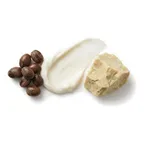 Butyrospermum Parkii Butter Shea Butter
 Adenosine
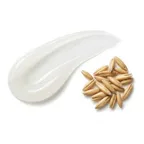 Beta-Glucan
Average
- LowOily Skin Fit
- AverageEffectiveness
- HighSafety
Works for oily acne-prone skin; other moisturizers fit it better.
This fit is calculated for the concerns frequently associated with oily acne-prone skin: shine, breakouts, blemishes, and enlarged pores. For scores and recommendations based on your full skin profile, including your 12D face scan results and any goals or preferences you have, please use the Lovi app.
Updated How the Fit score works
Lovi Assistant explains
- Offers moderate moisturizing and firming for your oily skin, as glycerin and myristyl nicotinate provide hydration and improve elasticity, but the shea butter may feel heavy.
- While glycerin and sodium hyaluronate offer general hydration beneficial for acne-prone skin, the formula lacks targeted ingredients to directly address breakouts.
- The product is safe for your oily skin with no risks of irritation due to the absence of harsh ingredients.
How to apply
- Use this AM and PM routine every day to help clear your skin. Always remember to finish with SPF in the morning.
- Apply the moisturizer after your cleanser and toner, right before your SPF during the day.
- Gently press a small amount into your skin and avoid rubbing to keep pores clear.
- Apply on clean, slightly damp skin to help the product absorb better and control oil.
- Avoid the sensitive eye area and do a simple patch test before your first use.
People Say
★4.6Overall rating based on 600+ reviewsThis product is highly regarded for enhancing skin firmness, elasticity, and jawline definition, addressing concerns of sagging and volume loss. Most users find its texture lightweight and non-greasy, appreciating its hydrating effects. A moderate number of users report no visible results, and a small number mention concerns about the product's consistency or thickness.
Highlights
Visible firming/lifting Mostly Mentioned
- “Noticeable difference in skin's firmness”
- “Jawline looks more defined”
- “Helps lift up and tighten skin”
Lightweight texture Often Mentioned
- “Smooth, buttery texture”
- “Absorbs quickly”
- “Not heavy or greasy”
Deep hydration Sometimes Noted
- “Skin feels plump and hydrated”
- “Provides good hydration”
- “Leaves skin feeling supple”
Gentle on skin Sometimes Noted
- “Effective for sensitive skin”
- “Doesn't break me out”
No visible results Sometimes Noted
- “Not seeing any noticeable changes”
- “Way too expensive to not deliver”
- “No visible changes”
Formula thickness Rarely Noted
- “Find the formula too thick”
- “A bit heavy for my preference”
High price point Rarely Noted
- “Way too expensive”
- “Economical jar but pricey”
- “Cost is a factor”
Product contamination Rarely Noted
- “Found a hair in the item”
- “Very off-putting to find hairs”
- “Strange to find debris”
Sources: lovi.care, dermstore.com, walmart.com, strivectin.com, macys.com, lovelyskin.com, and more
Questions and answers
How well does StriVectin Contour Restore work for oily acne-prone skin?
This cream works moderately well for oily acne-prone skin, as glycerin and myristyl nicotinate provide hydration and improve firmness, but the shea butter may feel heavy. It lacks targeted ingredients to directly address breakouts, though it is safe and unlikely to cause irritation. To fit this skin better, a product needs lightweight hydrating ingredients and agents that help clear blemishes without adding excess oil or clogging pores.
Clinical, Cosmetic and Investigational Dermatology, 2017Experimental Dermatology, 2007
Which ingredients make this cream a good fit for oily acne-prone skin?
Glycerin and myristyl nicotinate make this cream a fit by providing hydration and improving elasticity, while sodium hyaluronate offers general hydration. However, a product of this type needs lightweight textures without heavy oils, along with targeted ingredients to address breakouts and support skin barrier function for oily acne-prone skin.
Clinical, Cosmetic and Investigational Dermatology, 2017Experimental Dermatology, 2007
What does Niacin do for oily acne-prone skin?
Niacinamide helps oily acne-prone skin by reducing oil production and calming breakouts, which leads to a clearer and more balanced complexion. Studies show that using niacinamide regularly can significantly decrease skin oiliness and improve both inflammatory and non-inflammatory acne spots.
Journal of Cosmetic and Laser Therapy, 2006The Journal of Clinical and Aesthetic Dermatology, 2021
What does Hyaluronic Acid do for oily acne-prone skin?
Hyaluronic acid helps oily acne-prone skin by lowering excess oil production and improving skin hydration without causing irritation. It may also enhance the effectiveness of acne treatments while keeping the skin barrier strong.
Where does this cream go in a skincare routine for oily acne-prone skin?
This moisturizing treatment goes near the end of your morning and evening routines, right before sunscreen in the morning. While it provides safe hydration, this type of skin needs a lightweight, oil-free formula with targeted blemish-fighting ingredients to fit best.
Can I use this cream with retinol, and in what order?
You can use this cream with retinol, and applying it after your retinol treatment helps keep your skin comfortable by supporting your skin barrier. This product works well for this routine step, though oily acne-prone skin typically does best with lightweight, oil-free moisturizers containing soothing agents to calm breakouts.
How often should I use this cream?
You can use this moisturizing treatment twice daily, as part of your morning and evening routine. Regular use helps keep your skin hydrated and smooth, though this cream needs lightweight textures and breakout-fighting ingredients to best suit oily, acne-prone skin.
Journal of Cosmetic Dermatology, 2020Health Science Reports, 2021
Can this cream clog pores, cause breakouts or purging for oily acne-prone skin?
This cream is unlikely to cause irritation on oily skin, but it lacks targeted ingredients to directly address breakouts. To best care for oily acne-prone skin, a moisturizer needs lightweight hydration and ingredients that actively help clear blemishes.
Can I use this cream around the eyes or on my body?
This moisturizing treatment works safely on the thin skin around your eyes and on your body, though it is formulated mainly for the face. Studies show that similar creams containing hydrating ingredients and nourishing plant extracts successfully improve skin texture and smooth fine lines in the eye area.
What the research says
A single application of a moisturizing fluid containing hyaluronic acid 1%, glycerin 5%, and Centella asiatica stem cells extract significantly increased skin hydration by 29% and reduced transepidermal water loss at 24 hours compared to baseline and an untreated control site in twenty healthy women.
Clinical, Cosmetic and Investigational Dermatology, 2017Prior and concurrent use of myristyl nicotinate with retinoic acid therapy for facial photodamage mitigated barrier impairment, reduced side-effects, and improved tolerability without interfering with clinical efficacy in female subjects.
Experimental Dermatology, 2007Topical myristyl nicotinate increased skin cell NAD, stratum corneum thickness, epidermal thickness, epidermal renewal, minimal erythemal dose, and barrier resistance while reducing transepidermal water loss in subjects with photodamaged skin compared to placebo.
Experimental Dermatology, 2007Nicotinic acid normalizes excessive, acne-mimicking sebaceous lipogenesis, exerts anti-proliferative actions, and increases intracellular calcium in human SZ95 sebocytes via HCA2 activation.
Journal of Cellular and Molecular Medicine, 2019Topical application of 0.1% hyaluronic acid formulations of different molecular weights led to significant improvements in skin hydration and elasticity, with low-molecular-weight formulations also significantly reducing wrinkle depth in seventy-six female subjects compared to a vehicle control.
Journal of Drugs in Dermatology, 2011Topical hyaluronic acid serum used twice daily by 40 females with facial photoaging produced an immediate 134% increase in skin hydration, a sustained 55% increase at week 6, and significant improvements in smoothness, plumping, fine lines, wrinkles, and global appearance without causing irritation.
Dermatology and Therapy, 2021A topical antioxidant serum significantly reduced air pollution-induced skin pigmentation and proinflammatory gene expression ex vivo, and improved skin aging signs in 40 healthy adult females after 90 days of daily use.
Journal of Cosmetic Dermatology, 2022A skin barrier restoring cream with shea butter, silkflo, and vitamin E increased type I procollagen synthesis, enhanced antioxidant enzyme activity, decreased reactive oxygen species generation, and promoted hyaluronic acid production in H2O2-stimulated human keratinocyte cells compared to untreated cells.
International Journal of Cosmetic Science, 2025Topical application of a disodium adenosine monophosphate-based formulation reduced wrinkles and hyperpigmentation while improving hydration, barrier function, skin lifting, and epidermal turnover in female participants.
International Journal of Molecular Sciences, 2026Adenosine and cordycepin stimulate the Wnt/beta-catenin signaling pathway through adenosine receptor and PKA activation, promoting cell proliferation, migration, and growth factor secretion in cultured dermal fibroblasts.
International Journal of Molecular Sciences, 2021Topical application of the A2BAR agonist BAY60-6583 prevented TPA-induced inflammation, hyperproliferation, and acanthosis while normalizing epidermal barrier protein expression in a murine model of epidermal hyperplasia, effects that were reversed by the selective antagonist PSB-1115.
Biomedicine & Pharmacotherapy = Biomedecine & Pharmacotherapie, 2024Cereal- and microorganism-derived beta-glucans exhibit beneficial skin health promotion effects including antioxidant, anti-wrinkle, anti-ultraviolet, wound healing, and moisturizing activities.
Phytotherapy Research, 2014Colloidal oatmeal acts as a cleanser, moisturizer, buffer, and soothing anti-inflammatory agent due to its starches, beta-glucan, phenols, and saponins, relieving itch and irritation in xerotic dermatoses.
Journal of Drugs in Dermatology, 2007Topical application of oat beta-glucan ameliorates epidermal hyperplasia and accelerates epidermal barrier recovery by promoting keratinocyte differentiation through dectin-1-mediated ERK and p38 signaling pathways that upregulate CaSR expression.
International Journal of Biological Macromolecules, 2021
Why other moisturizers fit oily acne-prone skin better
Co-delivery of paeonol and madecassoside via nanoemulsions improved transdermal delivery, promoted barrier repair proteins, inhibited inflammatory cytokine secretion in cellular and 3D models, and reduced transepidermal water loss and acne in human facial skin compared to free components.
Molecules, 2023A facial serum containing snail secretion filtrate, Calendula officinalis, and Glycyrrhiza glabra root extract significantly reduced inflammatory acne lesions compared to placebo in 66 participants with mild-to-moderate maskne over 12 weeks.
Journal of Cosmetic Dermatology, 2022
Ingredients
Water, Neopentyl Glycol Diethylhexanoate, C12-15 Alkyl Benzoate, Glycol Distearate, Palmitic Acid, Glycerin, Stearic Acid, Undecane, Cetearyl Alcohol, Myristyl Nicotinate, Cetyl Alcohol, Acetyl Dipeptide-1 Cetyl Ester, Beta-Glucan, Thymus Vulgaris Leaf Extract Flower, Paeonia Albiflora Root Extract, Commiphora Mukul Extract Resin, Tetrahydrodiferuloylmethane, Ornithine, Glycolipids, Butyrospermum Parkii Butter Shea Butter, Sodium Hyaluronate, Sucrose Palmitate, Adenosine, Hydroxyethylcellulose, Allantoin, Panthenol, Helianthus Annuus Seed Oil Sunflower Seed Oil, Potassium Cetyl Phosphate, Caprylic Capric Triglyceride, Levulinic Acid, Glyceryl Caprylate, Butylene Glycol, Tridecane, Propanediol, Isostearyl Isostearate, Acrylates C10-30 Alkyl Acrylate Crosspolymer, Glyceryl Linoleate, Pentylene Glycol, Polysorbate 60, Cetyl Stearate, Lecithin, Tocopherol, Caprylhydroxamic Acid, Sorbitan Laurate, Disodium Edta, Ethylhexylglycerin, Caprylyl Glycol, Parfum, Citric Acid, P-Anisic Acid, Benzyl Alcohol, Sodium Hydroxide, Phenoxyethanol, Potassium Sorbate, Limonene, Citral
Behind this fit score
Lovi calculates every fit score from the full ingredient list with brand-independent rules our dermatologists and cosmetic chemists build and review, and personalizes every pick with AI trained on the real results of millions of users. Lovi trains its fit score models on a proprietary dataset built from more than 10,000 expert-labeled products and more than 100,000 simulated examples, following an internally consistent methodology presented at Cosmoprof, AMWC, and Skin of Color Update.
-

Co-founder, Medical Director
Cosmetic chemist, cosmetologist, aesthetic products developer
-

Co-founder, CEO and CTO
PhD in computer science, 3x US patent holder, ex-Google, ex-Yandex
-

Dr. Sofía Perea Pérez, MD, MSc
Medical Board
Aesthetic medicine practitioner, MSc in Longevity and Anti-Aging Medicine
-

Medical Board
Specialist dermatologist, MBBS, MD, IFAAD
-

Medical Board
Cosmetic chemist, SCS, IFSCC member
-

Medical Board, Medical Advisor
Dermatology MD
-

Elina Nazarenko, MD
Medical Board
Dermatology and diagnostic consultant
-

Victoria Derkova, MS
Medical Board
Cosmetic chemist, cosmetic development technologist


How does it fit your skin?
Scan your face, then any product: Lovi shows how well it fits you and what fits even better.