
St. Ives Apricot Scrub for combination skin

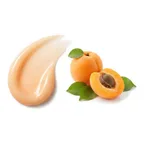 Prunus Armeniaca Fruit Extract Apricot Fruit Extract
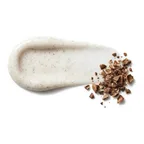 Juglans Regia Shell Powder
 Glycolic Acid
 Niacinamide
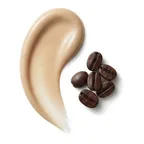 Caffeine
Average
- HighCombination Skin Fit
- AverageEffectiveness
- Low RiskSafety
Works for combination skin; other exfoliants fit it better.
This fit is calculated for the concerns frequently associated with combination skin: an oily T-zone, enlarged pores, and dry cheeks. For scores and recommendations based on your full skin profile, including your 12D face scan results and any goals or preferences you have, please use the Lovi app.
Updated How the Fit score works
Lovi Assistant explains
- Offers moderate exfoliation for your combination skin, with niacinamide helping to regulate oil and glycolic acid providing keratolytic action, though the physical exfoliants and fragrance may cause some irritation.
- The urea and physical exfoliants in the formula offer general skincare benefits like hydration and cleansing, which are supportive but not primary for addressing oily shine.
- The product is generally safe for your combination skin, with a low risk of irritation from the physical exfoliants, fragrance, and urea.
How to apply
- Use this exfoliant product in your PM routine starting once a week, then increase frequency carefully if your skin feels fine.
- Apply this exfoliant step after cleansing and toner, but right before your moisturizer.
- Gently press 2-3 drops of the exfoliant into your skin and wait a minute before layering.
- Apply the exfoliant to clean, dry skin to help control your oily shine comfortably.
- Avoid the eye area and do a patch test before your first use.
People Say
★4.5Overall rating based on 1.2k+ reviewsBased on a very large amount of data, this product is frequently praised by users with normal to oily skin for its deep exfoliation and ability to leave skin feeling smooth and refreshed. However, a significant number of users, especially those with sensitive skin, report that the physical exfoliants are too abrasive, leading to redness and irritation.
Highlights
Effective exfoliation Mostly Mentioned
- “Buffs away dead skin”
- “leaves skin smooth”
- “deep cleans pores”
Affordable price Often Mentioned
- “Great value”
- “budget-friendly”
- “inexpensive staple”
Refreshing scent Often Mentioned
- “Smells great”
- “fresh apricot fragrance”
- “pleasant aroma”
Causes irritation Often Mentioned
- “Caused redness”
- “stinging sensation”
- “splotchy skin”
Too abrasive Often Mentioned
- “Feels like sandpaper”
- “too harsh”
- “scratches skin”
Softens skin Sometimes Noted
- “Skin feels soft”
- “healthy glow”
- “smooth texture”
Potential damage Sometimes Noted
- “Concerns about micro-tears”
- “long-term damage”
- “too rough”
Drying effect Rarely Noted
- “Left skin dry”
- “stripped moisture”
- “tight feeling”
Sources: lovi.care, stives.com, walmart.com, thingtesting.com, beautyandthecity.co.uk, lemon8-app.com, and more
Questions and answers
How well does St. Ives Apricot Scrub work for combination skin?
St. Ives Apricot Scrub works decently for combination skin by offering moderate exfoliation and oil control, though physical bits and fragrance may cause irritation. An exfoliant for this skin needs ingredients that manage oily shine and smooth texture safely without causing irritation.
Which ingredients make this exfoliant a good fit for combination skin?
Glycolic acid and niacinamide make this exfoliant a good fit for combination skin by providing smoothing action and helping to regulate oil. To work even better for this skin type, a product like this needs gentle chemical exfoliants and soothing ingredients that manage oily shine and refine pores without causing irritation.
What does Apricot Fruit Extract do for combination skin?
Apricot fruit extract helps keep combination skin smooth and calm. It is unlikely to cause irritation and is well-tolerated by normal areas while delivering gentle hydration.
What does Walnut Shell Powder do for combination skin?
Walnut shell powder is a mechanical exfoliant that may help smooth rough patches and reduce dullness on combination skin. However, because it can sometimes be too harsh and cause micro-tears, it is generally recommended to use it gently and infrequently to avoid irritation. For a better fit, combination skin often needs a gentler chemical exfoliant like salicylic acid or lactic acid to clear pores without scrubbing.
Where does this exfoliant go in a skincare routine for combination skin?
This exfoliant fits into a weekly routine for combination skin once a week. Combination skin needs gentle chemical exfoliants with niacinamide and glycolic acid to manage oil without irritation from harsh physical scrubs.
Can I use this exfoliant with retinol, and in what order?
You can use this exfoliant with retinol, but not in the same routine, because combining them may easily cause dryness and irritation on combination skin. Use this scrub on a separate night or during your weekly routine, and keep retinol for its own evening step.
How often should I use this exfoliant?
Start by using this exfoliant once a week, and if your combination skin tolerates it well and shows good results, you may carefully use it more often. Combination skin needs gentle chemical exfoliants like lactic or mandelic acid to smooth texture and clear pores without the irritation caused by harsh physical scrubs and fragrances.
Can this exfoliant clog pores, cause breakouts or purging for combination skin?
This exfoliant is unlikely to clog pores, but the physical scrubs and fragrance may cause irritation on combination skin. To keep this skin type clear and balanced, look for gentle chemical exfoliants and soothing ingredients that calm oily areas without rough scrubbing.
Is this exfoliant fragrance-free and alcohol-free?
It has no drying alcohol and contains fragrance (parfum). Cetearyl alcohol and cetyl alcohol are fatty alcohols, which soften the skin.
What the research says
Aqueous and ethanolic leaf extracts from Malus domestica, Prunus armeniaca, and Prunus cerasus exhibited antioxidant, antibacterial, and anti-inflammatory activities, increased skin cell viability by up to 35% at lower doses, and reduced viability by up to 70% at higher doses in vitro.
Molecules, 2025Kombucha-mediated fermentation of apple, apricot, and cherry leaf agro-waste extracts increased phenolic content and enhanced antioxidant, antimicrobial, anti-inflammatory, and anti-ageing properties while reducing oxidative stress in skin cells without cytotoxicity compared to unfermented extracts.
International Journal of Molecular Sciences, 2026Serial glycolic acid peels combined with a modified Kligman formula significantly reduced facial PIH severity in Indian patients compared to the modified Kligman formula alone.
Dermatologic Surgery, 2017Short contact therapy with a tretinoin, clindamycin, and glycolic acid gel significantly improved skin tolerability and reduced acne severity scores compared to standard application therapy in patients with mild-to-moderate acne.
Dermatologic Therapy, 2021Topical nicotinamide prevented solar-simulated UV-induced immunosuppression in healthy volunteers, and men experienced immunosuppression at solar-simulated UV doses three times lower than those required for women.
The Journal of Investigative Dermatology, 2008Topical 5% niacinamide applied twice daily for 12 weeks reduced fine lines and wrinkles, hyperpigmented spots, red blotchiness, and skin sallowness, and improved skin elasticity compared to vehicle control in 50 female white subjects with facial photoaging.
Dermatologic Surgery, 2005Topical 2% niacinamide significantly decreased sebum excretion rate in Japanese individuals and casual sebum levels in Caucasian individuals compared to placebo or baseline.
Journal of Cosmetic and Laser Therapy, 2006Topical sunscreen formulations containing caffeine combined with UV filters increased in vivo anti-UVB protection by approximately 25% and showed higher SPF values compared to caffeine-free sunscreen, while being well tolerated by the skin of healthy subjects.
Frontiers in Physiology, 2019Topical caffeine acts as an active cosmetic compound by preventing excessive fat accumulation through phosphodiesterase inhibition, protecting cells against UV radiation with antioxidant properties, increasing skin microcirculation, and stimulating hair growth via 5-alpha-reductase inhibition.
Skin Pharmacology and Physiology, 2013Serum-free organ culture of human skin ex vivo induces extremely accelerated ageing within 3 days, which is counteracted by caffeine and 2,5-dimethylpyrazine treatments.
Experimental Dermatology, 2024
Why other exfoliants fit combination skin better
Twice-weekly use of a clay mask over 4 weeks in 75 adults with oily or combination skin improved acne-related outcomes, sebum content, skin evenness, hydration, and reduced dryness and irritation.
Skin Research and Technology, 2023A botanical face cleanser with hops and willow bark extract continuously reduced skin sebum levels without reactive seborrhea after treatment in 21 healthy volunteers compared to a sodium laureth sulfate cleanser, with neither cleanser causing skin irritation.
Journal of Cosmetic Dermatology, 2019Chemical peels with 30% supramolecular salicylic acid effectively treated acne and reduced facial sebum secretion while improving skin hydration and barrier function in 25 patients.
Journal of Cosmetic Dermatology, 2022
Ingredients
Water, Glycerin, Glyceryl Stearate Se, Cetearyl Alcohol, Cetyl Alcohol, Cocamidopropyl Betaine, Glycol Stearate, Juglans Regia Shell Powder, Glyceryl Stearate, Peg 100 Stearate, Sodium Laureth Sulfate, Caprylic Capric Triglyceride, Zea Mays Meal Kernel Zea Mays Kernel, Prunus Armeniaca Fruit Extract Apricot Fruit Extract, Chamomilla Recutita Flower Extract Matricaria Flower Extract, Helianthus Annuus Extract Sunflower Extract, Primula Veris Extract, Sambucus Nigra Flower Extract, Arginine, Ascorbic Acid, Butylene Glycol, Caffeine, Carbomer, Ceteareth 20, Dimethicone, Disodium Edta, Glycolic Acid, Jojoba Esters, Niacinamide, Peg 12 Dimethicone, Petrolatum, Polysorbate 60, Propylene Glycol, Sodium Chloride, Sorbitol, Stearamidopropyl Dimethylamine, Stearic Acid, Tocopheryl Acetate, Triethanolamine, Urea, Dmdm Hydantoin, Iodopropynyl Butylcarbamate, Parfum, Titanium Dioxide Ci 77891
Behind this fit score
Lovi calculates every fit score from the full ingredient list with brand-independent rules our dermatologists and cosmetic chemists build and review, and personalizes every pick with AI trained on the real results of millions of users. Lovi trains its fit score models on a proprietary dataset built from more than 10,000 expert-labeled products and more than 100,000 simulated examples, following an internally consistent methodology presented at Cosmoprof, AMWC, and Skin of Color Update.
-

Co-founder, Medical Director
Cosmetic chemist, cosmetologist, aesthetic products developer
-

Co-founder, CEO and CTO
PhD in computer science, 3x US patent holder, ex-Google, ex-Yandex
-

Dr. Sofía Perea Pérez, MD, MSc
Medical Board
Aesthetic medicine practitioner, MSc in Longevity and Anti-Aging Medicine
-

Medical Board
Specialist dermatologist, MBBS, MD, IFAAD
-

Medical Board
Cosmetic chemist, SCS, IFSCC member
-

Medical Board, Medical Advisor
Dermatology MD
-

Elina Nazarenko, MD
Medical Board
Dermatology and diagnostic consultant
-

Victoria Derkova, MS
Medical Board
Cosmetic chemist, cosmetic development technologist


How does it fit your skin?
Scan your face, then any product: Lovi shows how well it fits you and what fits even better.