
Shiseido White Lucent Brightening Gel Cream for acne-prone skin

 2-O-Ethyl Ascorbic Acid
 Dipotassium Glycyrrhizate
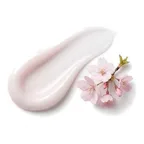 Sakura-Bright Complex
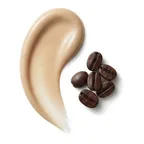 Caffeine
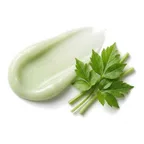 Angelica Keiskei Leaf Extract
High
- AverageCombination Skin Fit
- AverageEffectiveness
- HighSafety
A great choice for acne-prone skin; a few moisturizers fit it even better.
This fit is calculated for the concerns frequently associated with acne-prone skin: breakouts, blackheads, and post-acne marks. For scores and recommendations based on your full skin profile, including your 12D face scan results and any goals or preferences you have, please use the Lovi app.
Updated How the Fit score works
Lovi Assistant explains
- Offers moderate moisturizing and brightening for your combination skin, as glycerin and trehalose provide hydration while potassium methoxysalicylate works to even skin tone.
- The formula offers general skincare benefits supportive for acne, blemishes, and breakouts due to its humectant properties.
- The product is safe for your acne-prone skin with no risks of irritation from harsh ingredients.
How to apply
- Use your moisturizer twice a day in your AM and PM routines. Apply it daily to help keep breakouts under control.
- Apply after your cleanser and toner, and make sure to use your SPF right after in the morning.
- Gently spread a small amount of moisturizer over your face using soft motions. Let it absorb into the skin for a minute before getting dressed or applying makeup.
- Apply on slightly damp skin to help lock in extra moisture. This keeps your combination skin balanced without feeling heavy.
- Avoid the eye area and do a patch test before your first use. Stop using if you feel any irritation.
People Say
★4.6Overall rating based on 500+ reviewsThis gel cream is highly praised for its lightweight, non-greasy texture that absorbs quickly, making it suitable for oily and combination skin. Many users report brighter skin, reduced dark spots, and improved hydration. Some users with sensitive skin experienced irritation from the fragrance, and a few found the brightening effects to be subtle.
Highlights
Lightweight gel texture Mostly Mentioned
- “absorbs quickly”
- “non-greasy feel”
- “refreshing gel”
- “doesn't clog pores”
Brightening effects Often Mentioned
- “faded pimple marks”
- “reduced dark spots”
- “skin looks brighter”
- “evened skin tone”
Effective hydration Often Mentioned
- “skin feels soft”
- “leaves skin supple”
- “moisturizing without heaviness”
- “dewy glow”
Pleasant scent Sometimes Noted
- “lovely floral scent”
- “spa-like fragrance”
- “relaxing smell”
- “fresh scent”
High price point Sometimes Noted
- “steep price”
- “expensive for the amount”
- “pricey investment”
- “wait for sale”
Fragrance sensitivity Rarely Noted
- “scent too strong”
- “irritated sensitive skin”
- “caused stinging”
- “strong perfume smell”
Lack of results Rarely Noted
- “didn't see brightening”
- “just a regular moisturizer”
- “no change in spots”
- “expected more”
Unhygienic packaging Rarely Noted
- “jar packaging”
- “wish it had a pump”
- “dipping fingers in pot”
- “spatula is a hassle”
Sources: lovi.care, macys.com, influenster.com, sephora.sg, shiseido.com, lookfantastic.com, and more
Questions and answers
What makes Shiseido White Lucent Brightening Gel Cream a great fit for acne-prone skin?
This moisturizer is a great fit because it provides balanced hydration and brightening while supporting acne-prone skin with gentle, blemish-friendly ingredients. It is safe to use and is unlikely to cause irritation.
Which ingredients make this cream a good fit for acne-prone skin?
Glycerin, trehalose, and potassium methoxysalicylate make this cream a good fit by providing hydration and supporting acne-prone skin without harsh ingredients.
What does Ethyl Ascorbic Acid do for acne-prone skin?
Ethyl ascorbic acid helps protect acne-prone skin from sun damage and inflammation. Using it alongside ingredients like cannabigerol may further reduce irritation and support skin health.
The Journal of Pharmacology and Experimental Therapeutics, 2023Free Radical Biology & Medicine, 2025
What does Dipotassium Glycyrrhizate do for acne-prone skin?
Dipotassium glycyrrhizate helps calm acne-prone skin by reducing redness and soothing the inflammation that often comes with breakouts. It may also support faster healing of blemishes with a very low risk of irritation.
International Journal of Molecular Sciences, 2023International Journal of Cosmetic Science, 2024
Where does this cream go in a skincare routine for acne-prone skin?
This moisturizing treatment goes near the end of your evening routine, right after your cleansing toner and before your regular moisturizer. It is very safe for acne-prone skin and is unlikely to cause any irritation from harsh ingredients.
Can I use this cream with retinol, and in what order?
You can use this cream alongside retinol by applying the treatment after your retinol to keep your skin soft and calm. Moisturizing while using strong treatments helps reduce dryness and irritation while supporting your skin barrier.
How often should I use this cream?
You can use this moisturizing treatment twice daily as part of your morning and evening routine. Regular daily application helps improve skin moisture and brightness while remaining safe for your acne-prone skin.
Journal of Cosmetic Dermatology, 2020Health Science Reports, 2021
Can this cream clog pores, cause breakouts or purging for acne-prone skin?
This cream is a great fit for acne-prone skin and is unlikely to clog pores, cause breakouts, or lead to purging. Its formula is safe with no harsh ingredients, offering helpful hydration and brightening benefits that support blemishes.
Can I use this cream around the eyes or on my body?
You can use this moisturizing treatment on your body, but the skin around your eyes is exceptionally thin and may require a specialized product designed specifically for that delicate area. The eyelid is among the thinnest regions on the body, meaning potent facial treatments can sometimes be too heavy there.
What the research says
Potassium 4-methoxysalicylate (4MSK) suppresses melanin content, promotes keratinocyte differentiation, increases skin lightness in pigmented and non-pigmented cheek areas, and reduces the desquamation area ratio.
Journal of Cosmetic Dermatology, 2025A single application of a moisturizing fluid containing hyaluronic acid 1%, glycerin 5%, and Centella asiatica stem cells extract significantly increased skin hydration by 29% and reduced transepidermal water loss at 24 hours compared to baseline and an untreated control site in twenty healthy women.
Clinical, Cosmetic and Investigational Dermatology, 2017Topical application of 5% vitamin C cream significantly improved global clinical scores, increased skin microrelief density, and induced elastic tissue repair in photoaged skin compared to excipient control in healthy female volunteers.
Experimental Dermatology, 2003Topical application of VC-IP cream twice daily for 8 weeks reduces periorbital wrinkles in female subjects compared to a placebo cream.
Journal of Cosmetic Dermatology, 2022Topical treatment with 5% vitamin C and 0.1% madecassoside significantly improved clinical scores for wrinkles, suppleness, firmness, roughness, and skin hydration, along with functional and structural remodeling of the elastic fiber network in 20 female volunteers with photoaged skin after 6 months compared to baseline.
Experimental Dermatology, 2008Combining 755 nm alexandrite laser with topical licorice gel significantly reduces terminal hair counts compared to alexandrite laser with placebo in women with idiopathic hirsutism.
Evidence-based Complementary and Alternative Medicine, 2015Licochalcone A activated Nrf2 signaling, elevated cytoprotective enzymes, increased the reduced-to-oxidized glutathione ratio, and decreased reactive oxygen species in human fibroblasts and neutrophils, while a LicA-rich licorice extract lowered UVA-induced oxidative processes in vivo.
Experimental Dermatology, 2015Mesoporous silica nanoparticles entrapping licorice polysaccharide and coated with polydopamine showed 76% entrapment efficiency, 89% in vitro release at pH 5, increased sebocytes' cellular uptake, and mediated inflammatory response by inhibiting pro-inflammatory cytokines and regulating anti-inflammatory cytokines.
Carbohydrate Polymers, 2024Topical sunscreen formulations containing caffeine combined with UV filters increased in vivo anti-UVB protection by approximately 25% and showed higher SPF values compared to caffeine-free sunscreen, while being well tolerated by the skin of healthy subjects.
Frontiers in Physiology, 2019Topical caffeine acts as an active cosmetic compound by preventing excessive fat accumulation through phosphodiesterase inhibition, protecting cells against UV radiation with antioxidant properties, increasing skin microcirculation, and stimulating hair growth via 5-alpha-reductase inhibition.
Skin Pharmacology and Physiology, 2013Serum-free organ culture of human skin ex vivo induces extremely accelerated ageing within 3 days, which is counteracted by caffeine and 2,5-dimethylpyrazine treatments.
Experimental Dermatology, 2024Pre-treatment with linearthin and other chalcone derivatives from Aspalathus linearis protected human keratinocyte (HaCaT) and melanocyte (SK-MEL-1) skin cells against UVB-induced oxidative stress and toxicity by increasing cell viability and metabolic activity while reducing lipid peroxidation and caspase 3 activity.
Plants, 2021
Ingredients
Water, Butylene Glycol, Glycerin, Dimethicone, Sd Alcohol 40-B Alcohol Denat, Triethylhexanoin, Peg Ppg-14 7 Dimethyl Ether, Hydrogenated Polydecene, Behenyl Alcohol, Stearyl Alcohol, Myristyl Myristate, Glyceryl Stearate Se, Trehalose, Potassium Methoxysalicylate, Phytosteryl Macadamiate, Methyl Methacrylate Crosspolymer, Polysorbate 60, Peg-40 Stearate, Phenoxyethanol, Dimethylacrylamide Sodium Acryloyldimethyltaurate Crosspolymer, Hydrogenated Palm Oil, Palm Kernel Oil, Palm Oil, Sorbitan Tristearate, Trisodium Edta, Erythritol, Peg Ppg-17 4 Dimethyl Ether, Sodium Citrate, Parfum, Dipotassium Glycyrrhizate, 2-O-Ethyl Ascorbic Acid, Alcohol, Silica, Xanthan Gum, Caffeine, Linalool, Citric Acid, Sodium Metaphosphate, Ppg-3 Dipivalate, Hdi Trimethylol Hexyllactone Crosspolymer, Tocopherol, Citronellol, Sodium Metabisulfite, Geraniol, Angelica Keiskei Stem Extract Leaf, Limonene, Paeonia Albiflora Root Extract, Crataegus Monogyna Flower Extract, Acrylates C10-30 Alkyl Acrylate Crosspolymer, Fructose, Rehmannia Chinensis Root Extract, Iron Oxides Ci 77491, Prunus Yedoensis Leaf Extract, Ziziphus Jujuba Fruit Extract, Pyrola Incarnata Extract, Potentilla Erecta Root Extract, Polyquaternium-51, Benzoic Acid
Behind this fit score
Lovi calculates every fit score from the full ingredient list with brand-independent rules our dermatologists and cosmetic chemists build and review, and personalizes every pick with AI trained on the real results of millions of users. Lovi trains its fit score models on a proprietary dataset built from more than 10,000 expert-labeled products and more than 100,000 simulated examples, following an internally consistent methodology presented at Cosmoprof, AMWC, and Skin of Color Update.
-

Co-founder, Medical Director
Cosmetic chemist, cosmetologist, aesthetic products developer
-

Co-founder, CEO and CTO
PhD in computer science, 3x US patent holder, ex-Google, ex-Yandex
-

Dr. Sofía Perea Pérez, MD, MSc
Medical Board
Aesthetic medicine practitioner, MSc in Longevity and Anti-Aging Medicine
-

Medical Board
Specialist dermatologist, MBBS, MD, IFAAD
-

Medical Board
Cosmetic chemist, SCS, IFSCC member
-

Medical Board, Medical Advisor
Dermatology MD
-

Elina Nazarenko, MD
Medical Board
Dermatology and diagnostic consultant
-

Victoria Derkova, MS
Medical Board
Cosmetic chemist, cosmetic development technologist


How does it fit your skin?
Scan your face, then any product: Lovi shows how well it fits you and what fits even better.