
Shiseido Urban Environment Oil-Free UV Protector SPF 42 for acne-prone skin

 Sodium Hyaluronate
 Zinc Oxide
 Octinoxate
 Octocrylene
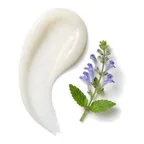 Scutellaria Baicalensis Root Extract
Superior
- HighCombination Skin Fit
- SuperiorEffectiveness
- ExcellentSafety
One of the best sunscreens for acne-prone skin.
- Clinical, Cosmetic and Investigational Dermatology, 2019
- European Journal of Pharmaceutics and Biopharmaceutics, 2017
This fit is calculated for the concerns frequently associated with acne-prone skin: breakouts, blackheads, and post-acne marks. For scores and recommendations based on your full skin profile, including your 12D face scan results and any goals or preferences you have, please use the Lovi app.
Updated How the Fit score works
Lovi Assistant explains
- Excellent compatibility with your combination skin is provided by Sodium Hyaluronate and Glycerin, which offer effective humectant action, while Thiotaurine and Camellia Sinensis Leaf Extract deliver potent antioxidant benefits. Ascorbyl Tetraisopalmitate and Dipotassium Glycyrrhizate offer moderate support for your acne, blemishes, and breakouts through their anti-inflammatory and antioxidant properties. The formula is safe for your acne-prone skin, featuring soothing ingredients like Sodium Hyaluronate and Dipotassium Glycyrrhizate with no risk of irritation.
How to apply
- Apply this sunscreen every morning as the final step of your skincare routine. Reapply every two hours if you are outdoors for best protection against breakouts.
- Apply the sunscreen after your moisturizer and before applying any makeup. Let it absorb completely ⏱ before going outside.
- Take a nickel-sized amount and gently pat it evenly across your face and neck. Avoid rubbing aggressively to keep your combination skin calm.
- Apply the sunscreen on clean, dry skin to ensure an even protective layer. This helps manage excess shine without clogging your pores.
- Avoid the immediate eye area and do a quick patch test before first use. Stop using it if you notice any irritation and consult a specialist.
People Say
★4.6Overall rating based on 4.0k+ reviewsBased on a very large amount of data, this sunscreen is highly recommended for oily and combination skin types, effectively controlling sebum and providing a matte finish without causing breakouts. Users appreciate its lightweight, fast-absorbing texture that also serves as a good makeup primer. However, individuals with dry skin may find it too drying, and those with deeper skin tones have noted a potential for a white cast. This information should definitely be taken into account.
Highlights
Excellent oil control Mostly Mentioned
- “keeps my skin matte all day”
- “controls my oily face very well”
- “no greasy feel after application”
Lightweight texture Often Mentioned
- “very thin milky consistency”
- “absorbs almost instantly”
- “super lightweight on the skin”
Expensive, small size Often Mentioned
- “bottle is tiny for the price”
- “finished it in a month”
- “very expensive for 1 oz”
Acne-safe Sometimes Noted
- “didn't cause breakouts”
- “safe for my acne-prone skin”
- “doesn't clog pores”
Great makeup primer Sometimes Noted
- “doubles as a face primer”
- “makeup applies beautifully on top”
- “foundation stays put longer”
Drying formula Sometimes Noted
- “emphasizes dry spots”
- “skin felt tight and dry”
- “too drying for winter use”
Leaves white cast Sometimes Noted
- “leaves a purple/white cast”
- “takes a long time to blend in”
- “not dark skin friendly”
Strong fragrance Rarely Noted
- “scent is too strong”
- “smells heavily of alcohol”
- “fragrance lingered for hours”
Sources: lovi.care, macys.com, ulta.com, shiseido.com, nordstrom.com, sephora.com, and more
Questions and answers
What makes Shiseido Urban Environment Oil-Free UV Protector SPF 42 one of the best fits for acne-prone skin?
This product is one of the best fits for your acne-prone skin because it features soothing ingredients like sodium hyaluronate and dipotassium glycyrrhizate with a very safe profile and no risk of irritation. Ascorbyl tetraisopalmitate and dipotassium glycyrrhizate also help calm breakouts through their anti-inflammatory properties.
European Journal of Pharmaceutics and Biopharmaceutics, 2017
Which ingredients make this sunscreen a good fit for acne-prone skin?
Ascorbyl Tetraisopalmitate and Dipotassium Glycyrrhizate help make this sunscreen a great fit for acne-prone skin by offering soothing support for breakouts and blemishes without causing irritation. Ingredients like Sodium Hyaluronate and Camellia Sinensis Leaf Extract further help calm the skin.
What does Hyaluronic Acid do for acne-prone skin?
Hyaluronic acid helps acne-prone skin by improving hydration and calming inflammation. Formulas with this ingredient also support targeted delivery of acne treatments to pores.
What does Zinc Oxide do for acne-prone skin?
Zinc oxide helps calm red, angry blemishes and reduces breakouts in acne-prone skin. Studies show it safely targets the bacteria behind acne and visibly improves bumps without causing irritation.
Where does this sunscreen go in a skincare routine for acne-prone skin?
This sunscreen goes as the last step of your morning skincare routine after your moisturizer. It is a great fit for acne-prone skin because it has soothing and antioxidant ingredients that help calm breakouts safely.
Can I use this sunscreen with retinol, and in what order?
You can use this sunscreen in your morning routine after your moisturizer, while saving your retinol for the evening routine. This helps protect sensitive, breakout-prone skin from UV rays without increasing the risk of irritation.
How often should I use this sunscreen?
This sunscreen is suitable for daily morning use to protect your skin and help manage breakouts without irritation. Daily application supports consistent defense against sun exposure and helps maintain a calm, smooth complexion.
Can this sunscreen clog pores, cause breakouts or purging for acne-prone skin?
This sunscreen is unlikely to clog pores or cause breakouts for acne-prone skin, as it features soothing ingredients like Sodium Hyaluronate and Dipotassium Glycyrrhizate with a very safe profile. It does not cause purging because it lacks exfoliating acids or retinoids that speed up cell turnover.
Is this sunscreen fragrance-free and alcohol-free?
It has no fragrance and contains drying alcohol (sd alcohol 40-b and alcohol).
What the research says
An anti-acne hydrogel containing Aloe barbadensis, Garcinia mangostana, and Camellia sinensis extracts showed superior antiacne and antiblotch activities compared to 1% clindamycin gel in sixty subjects with mild-moderate acne.
Clinical, Cosmetic and Investigational Dermatology, 2019Topical formulations containing ascorbyl tetraisopalmitate, coenzyme Q10, green tea polyphenols, and resveratrol reduced the release of inflammatory cytokines and attenuated inflammatory signs compared to untreated skin and vehicle in 25 Japanese volunteers exposed to sodium dodecyl sulfate.
European Journal of Pharmaceutics and Biopharmaceutics, 2017Topical application of 0.1% hyaluronic acid formulations of different molecular weights led to significant improvements in skin hydration and elasticity, with low-molecular-weight formulations also significantly reducing wrinkle depth in seventy-six female subjects compared to a vehicle control.
Journal of Drugs in Dermatology, 2011Topical hyaluronic acid serum used twice daily by 40 females with facial photoaging produced an immediate 134% increase in skin hydration, a sustained 55% increase at week 6, and significant improvements in smoothness, plumping, fine lines, wrinkles, and global appearance without causing irritation.
Dermatology and Therapy, 2021A topical antioxidant serum significantly reduced air pollution-induced skin pigmentation and proinflammatory gene expression ex vivo, and improved skin aging signs in 40 healthy adult females after 90 days of daily use.
Journal of Cosmetic Dermatology, 2022Topical 0.5% hyaluronic-ZnO nanogel applied twice daily reduced inflammatory-lesion counts by 58% at week four in human subjects compared to baseline without causing erythema.
Biomedicines, 2025Daily use of a deep cleansing gel containing salicylic acid 2%, zinc gluconate 0.2% and lipohydroxy acid 0.05% significantly reduced total lesion count by 56.3% after 84 days in 35 subjects with mild to moderate truncal acne.
Clinical, Cosmetic and Investigational Dermatology, 2023Topical zinc oxide nanogels formulated using Dendrobium anosmum showed greater effectiveness against Gram-positive acne-causing bacteria compared to chemogenic nanoparticles.
Molecules, 2023Encapsulation of ethylhexyl methoxycinnamate and butyl methoxydibenzoylmethane in lipid microparticles significantly reduced their in vivo human skin penetration compared to nonencapsulated filters.
Skin Pharmacology and Physiology, 2011Replacing 20% of the chemical UV filter octyl methoxycinnamate with urucum oil in solid lipid nanoparticles maintained the skin protection factor without inducing toxic responses or significant skin penetration in human volunteers.
Skin Pharmacology and Physiology, 2018The application of a sunscreen formulation containing ethylhexyl methoxycinnamate, ethylhexyl salicylate, methyl anthranilate, and octocrylene does not significantly affect critical acne-related species such as Cutibacterium acnes and Staphylococcus epidermidis, refuting the induction of facial dysbiosis in men.
Archives of Dermatological Research, 2024Dermal sunscreen exposure in 20 healthy volunteers led to plasma concentrations of avobenzone, octocrylene, and its metabolite CDAA reaching up to 11 μg/L, 25 μg/L, and 1352 μg/L, respectively.
Environment International, 2019Chemical sunscreens containing avobenzone, octocrylene, homosalate, and octisalate showed no to minimal risks of dermal irritation, sensitization, photo-allergy, and photo-irritation in human subjects.
Journal of Drugs in Dermatology, 2025Incorporating rosmarinic acid into sunscreens enhanced the in vivo SPF of octocrylene by over 157% and reduced lipid peroxidation in the human stratum corneum.
Antioxidants, 2025A nighttime topical antioxidant containing resveratrol, baicalin, and vitamin E significantly improved fine lines, wrinkles, firmness, elasticity, laxity, hyperpigmentation, radiance, roughness, and dermal thickness in subjects with mild to moderately photodamaged skin over 12 weeks.
Journal of Drugs in Dermatology, 2014Motor baicalin encapsulated in bio-vesicles enhanced water solubility, stability, transdermal penetration, antioxidant activity, and clinical skin antiaging efficacy compared to liposome baicalin and baicalin raw material.
Journal of Cosmetic Dermatology, 2025Topical wogonin at 250-1000 microg/ear/3 days reduced COX-2 and tumor necrosis factor-alpha mRNA levels and decreased prostaglandin E2 concentration by 27.3-34.3% in a mouse model of tetradecanoylphorbol-13-acetate-induced ear edema compared to untreated inflamed skin.
Biochemical Pharmacology, 2003
Ingredients
Sodium Hyaluronate, Spirulina Energy Essence, Ensulizole, Homosalate, Octisalate, Zinc Oxide, Water, Dimethicone, Trisiloxane, Sd Alcohol 40-B, Glycerin, Silica, Peg Ppg-14 7 Dimethyl Ether, Lauryl Peg-9 Polydimethylsiloxyethyl Dimethicone, Peg-10 Dimethicone, Trehalose, Myristyl Myristate, Ethylhexyl Palmitate, Dextrin Palmitate, Isodecyl Neopentanoate, Ascorbyl Tetraisopalmitate, Thiotaurine, Dipotassium Glycyrrhizate, Scutellaria Baicalensis Root Extract, Paeonia Albiflora Root Extract, Sanguisorba Officinalis Root Extract, Camellia Sinensis Leaf Extract, Garcinia Mangostana Bark Extract, Perilla Ocymoides Leaf Extract, Spirulina Platensis Extract, Triethanolamine, Triethoxycaprylylsilane, Butylene Glycol, Disodium Edta, Disteardimonium Hectorite, Tocopherol, Bht, Alcohol, Isostearic Acid, Menthoxypropanediol, Sodium Metabisulfite, Polysilicone-2, Barium Sulfate, Sodium Citrate, Phenoxyethanol, Benzoic Acid, Iron Oxides
Behind this fit score
Lovi calculates every fit score from the full ingredient list with brand-independent rules our dermatologists and cosmetic chemists build and review, and personalizes every pick with AI trained on the real results of millions of users. Lovi trains its fit score models on a proprietary dataset built from more than 10,000 expert-labeled products and more than 100,000 simulated examples, following an internally consistent methodology presented at Cosmoprof, AMWC, and Skin of Color Update.
-

Co-founder, Medical Director
Cosmetic chemist, cosmetologist, aesthetic products developer
-

Co-founder, CEO and CTO
PhD in computer science, 3x US patent holder, ex-Google, ex-Yandex
-

Dr. Sofía Perea Pérez, MD, MSc
Medical Board
Aesthetic medicine practitioner, MSc in Longevity and Anti-Aging Medicine
-

Medical Board
Specialist dermatologist, MBBS, MD, IFAAD
-

Medical Board
Cosmetic chemist, SCS, IFSCC member
-

Medical Board, Medical Advisor
Dermatology MD
-

Elina Nazarenko, MD
Medical Board
Dermatology and diagnostic consultant
-

Victoria Derkova, MS
Medical Board
Cosmetic chemist, cosmetic development technologist


How does it fit your skin?
Scan your face, then any product: Lovi shows how well it fits you and what fits even better.