
Saturday Skin Yuzu Vitamin C Sleep Mask for acne-prone skin

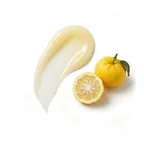 Citrus Junos
 Ascorbic Acid
 Niacinamide
 Retinol
 Ceramide Np
Superior
- HighCombination Skin Fit
- HighEffectiveness
- HighSafety
One of the best nourishing masks for acne-prone skin.
This fit is calculated for the concerns frequently associated with acne-prone skin: breakouts, blackheads, and post-acne marks. For scores and recommendations based on your full skin profile, including your 12D face scan results and any goals or preferences you have, please use the Lovi app.
Updated How the Fit score works
Lovi Assistant explains
- Excellent suitability for your combination skin as niacinamide helps regulate oil production while glycerin provides essential hydration, and retinol supports skin renewal to address blemishes and breakouts.
- The inclusion of ascorbic acid and hippophae rhamnoides oil further enhances skin brightness and offers antioxidant protection, complementing your goal of clearer skin.
- The formulation is safe for your acne-prone skin, containing soothing ingredients and avoiding harsh components.
How to apply
- You can use this creamy mask as part of your PM routine once a week. Start 3×/week if your skin tolerates it well.
- Apply the creamy mask after cleansing and toning, but always before your moisturizer .
- Smooth an even layer of the creamy mask over your face while avoiding any harsh rubbing. Let it sit ⏱ for the recommended time before rinsing.
- Apply the creamy mask on clean and dry skin for the best results against blemishes.
- Avoid the sensitive eye area and do a patch test before your very first use.
People Say
★4.4Overall rating based on 800+ reviewsThis mask is frequently praised for its hydrating and plumping effects, leaving skin glowing and smooth. Many users enjoy its lightweight, jelly-like texture and refreshing scent. Some users with sensitive skin reported irritation, and a moderate number found the mask left a sticky residue. A few reviewers also noted the packaging appeared to contain less product than expected.
Highlights
Brightening & radiance Mostly Mentioned
- “woke up with a noticeable glow”
- “skin looks brighter and less tired”
- “gives a lovely morning radiance”
- “helped fade acne scars”
Deep hydration Often Mentioned
- “skin felt incredibly soft”
- “plump and hydrated”
- “erased my dry patches”
- “moisturizing without being greasy”
Pleasant texture & scent Often Mentioned
- “cooling jelly texture”
- “smells like fresh citrus”
- “lightweight and refreshing”
- “fun to apply”
Ingredient efficacy Sometimes Noted
- “love the niacinamide combo”
- “gentle introduction to retinol”
- “great ingredient list for the price”
Misleading packaging Sometimes Noted
- “jar is huge but product is small”
- “deceptive packaging”
- “lot of wasted plastic”
- “looks bigger than it is”
Sticky residue Sometimes Noted
- “hair gets stuck to my face”
- “stays sticky all night”
- “tacky finish that doesn't dry down”
- “left residue on my pillowcase”
Lack of dramatic results Rarely Noted
- “didn't see much difference”
- “just a glorified moisturizer”
- “okay but not worth the hype”
Potential irritation Rarely Noted
- “caused small bumps”
- “stung upon application”
- “broke me out the next day”
- “too harsh for my sensitive skin”
Sources: lovi.care, sephora.com.au, nordstrom.com, cultbeauty.co.uk, sokoglam.com, influenster.com, and more
Questions and answers
What makes Saturday Skin Yuzu Vitamin C Sleep Mask one of the best fits for acne-prone skin?
This mask is a superior fit for your acne-prone skin because niacinamide helps regulate oil production while glycerin provides essential hydration, and retinol supports skin renewal to address blemishes and breakouts. Ascorbic acid further enhances skin brightness and offers antioxidant protection while soothing ingredients keep the formula safe and gentle.
Clinical, Cosmetic and Investigational Dermatology, 2017Journal of Cosmetic Dermatology, 2016
Which ingredients make this mask a good fit for acne-prone skin?
This mask is a great fit for your acne-prone skin because niacinamide helps balance oil, glycerin keeps skin hydrated, and retinol helps clear breakouts. Ascorbic acid also adds brightness and antioxidant protection while soothing ingredients keep the formula gentle and safe.
Journal of Cosmetic Dermatology, 2016Clinical, Cosmetic and Investigational Dermatology, 2017
What does Yuzu do for acne-prone skin?
Yuzu helps acne-prone skin by providing gentle antioxidant support that calms irritation and brightens dark spots left by breakouts. Because acne-prone skin needs lightweight hydration and ingredients that clear pores without feeling heavy, this type of product works best when it includes soothing botanical extracts and non-greasy moisturizers.
What does Vitamin C do for acne-prone skin?
Vitamin C helps brighten uneven skin tones and smooth out marks left by breakouts while fighting dark spots. It is unlikely to clog pores and may improve overall skin texture when used regularly in your routine.
Journal of Cosmetic Dermatology, 2023Journal of Drugs in Dermatology, 2024
Where does it go in a skincare routine for acne-prone skin?
This nourishing mask fits well into your evening routine as a treatment step, applying after cleansing and toning and before moisturizing. Niacinamide helps regulate oil while retinol supports skin renewal, making it a safe and effective choice for acne-prone skin.
International Journal of Cosmetic Science, 2020Journal of Cosmetic Dermatology, 2016
Can I use this mask with AHA, and in what order?
You can use this mask in the evening after applying your AHA treatment once your skin is fully used to both products. Starting slowly helps prevent irritation while keeping your skin hydrated and clear.
How often should I use it?
You can use this nourishing mask regularly as part of your evening routine to help keep your acne-prone skin clear and moisturized.
Health Science Reports, 2021Clinical, Cosmetic and Investigational Dermatology, 2017
Can it clog pores, cause breakouts or purging for acne-prone skin?
This mask is unlikely to clog pores or cause breakouts on acne-prone skin because it contains soothing ingredients and avoids harsh components. Niacinamide helps regulate oil production while retinol supports skin renewal to help keep pores clear.
Is this mask fragrance-free and alcohol-free?
Yes, it has no fragrance and no drying alcohol. Behenyl alcohol is a fatty alcohol, which soften the skin.
What the research says
A single application of a moisturizing fluid containing hyaluronic acid 1%, glycerin 5%, and Centella asiatica stem cells extract significantly increased skin hydration by 29% and reduced transepidermal water loss at 24 hours compared to baseline and an untreated control site in twenty healthy women.
Clinical, Cosmetic and Investigational Dermatology, 2017Topical application of retinol and retinoic acid both increased epidermal thickness and upregulated collagen genes and proteins in human skin, with retinol producing similar histological and molecular changes to retinoic acid alongside a significant reduction in facial wrinkles after 12 weeks.
Journal of Cosmetic Dermatology, 2016A topical serum containing vitamin C, vitamin E, and raspberry leaf cell culture extract improved skin color, elasticity, radiance, smoothness, scaliness, and wrinkles compared to the untreated contralateral side in fifty female volunteers.
Journal of Cosmetic Dermatology, 2020Vitamin C is widely used as a depigmenting agent in dermatology, though limited studies evaluate its use for gingival depigmentation.
Journal of Oral and Maxillofacial Pathology, 2020Citrus junos callus extract decreased melanin content in melanocytes 1.85-fold compared with arbutin and promoted the proliferation of and procollagen synthesis by human fibroblasts by 154% and 176% at 500 μg/mL.
Molecules, 2017Yuja-peel fractions (ethyl acetate, hexane, and butanol) inhibited MMP expression, induced moisturizing factors filaggrin and serine palmitoyltransferase, and decreased melanin content in UVB-irradiated HaCaT, HDF, and α-MSH-treated B16F10 cells.
Antioxidants, 2022Upcycled low-molecular-weight anionic peptides from Citrus junos seeds protected UVR-irradiated keratinocytes and reconstructed skin tissue by scavenging reactive oxygen species, reducing paracrine cytokines, inhibiting melanin synthesis and TRP-2 expression, and increasing filaggrin, laminin-5, and type I collagen expression.
International Journal of Molecular Sciences, 2024Topical application of 5% vitamin C cream significantly improved global clinical scores, increased skin microrelief density, and induced elastic tissue repair in photoaged skin compared to excipient control in healthy female volunteers.
Experimental Dermatology, 2003Topical application of VC-IP cream twice daily for 8 weeks reduces periorbital wrinkles in female subjects compared to a placebo cream.
Journal of Cosmetic Dermatology, 2022Topical treatment with 5% vitamin C and 0.1% madecassoside significantly improved clinical scores for wrinkles, suppleness, firmness, roughness, and skin hydration, along with functional and structural remodeling of the elastic fiber network in 20 female volunteers with photoaged skin after 6 months compared to baseline.
Experimental Dermatology, 2008Topical nicotinamide prevented solar-simulated UV-induced immunosuppression in healthy volunteers, and men experienced immunosuppression at solar-simulated UV doses three times lower than those required for women.
The Journal of Investigative Dermatology, 2008Topical 5% niacinamide applied twice daily for 12 weeks reduced fine lines and wrinkles, hyperpigmented spots, red blotchiness, and skin sallowness, and improved skin elasticity compared to vehicle control in 50 female white subjects with facial photoaging.
Dermatologic Surgery, 2005Topical 2% niacinamide significantly decreased sebum excretion rate in Japanese individuals and casual sebum levels in Caucasian individuals compared to placebo or baseline.
Journal of Cosmetic and Laser Therapy, 2006Topical bakuchiol 0.5% applied twice daily compared with retinol 0.5% applied daily significantly decreased wrinkle surface area and hyperpigmentation with no statistical difference between the compounds in 44 patients over 12 weeks, while retinol users reported more facial skin scaling and stinging.
The British Journal of Dermatology, 2019Topical 0.3% and 1% retinol comparably improved biomarkers of cutaneous photoageing in photoaged volunteers, while 0.3% retinol demonstrated better tolerance with fewer and milder adverse events compared to 1% retinol in a daily escalation regimen.
International Journal of Cosmetic Science, 2022Daily application of 0.3% and 0.5% retinol serums in 37 volunteers over 12 weeks reduced skin hyperpigmentation, unevenness, and wrinkles on both sides of the face, with the 0.5% concentration causing more frequent and intense skin irritation.
Skin Pharmacology and Physiology, 2020Ceramide and niacinamide-containing moisturizer combined with anti-acne treatment significantly improved non-inflammatory, inflammatory, and total acne lesions compared to hydrophilic cream in 40 patients with mild to moderate acne vulgaris after 8 weeks.
Journal of Cosmetic Dermatology, 2024Topical application of a pseudo-ceramide-containing spray improved stratum corneum water content, transepidermal water loss, cell area, and scaling score, and normalized the ceramide profile in patients with dry and sensitive skin compared to a control spray.
Journal of Cosmetic Dermatology, 2025
Ingredients
Water, Glycerin, Niacinamide, Caprylic Capric Triglyceride, Glycereth-26, Phenyl Trimethicone, 1,2-Hexanediol, Behenyl Alcohol, Polymethylsilsesquioxane, Chlorella Vulgaris Extract, Glucose, Carbomer, Butylene Glycol, Caprylyl Glycol, Fructooligosaccharides, Fructose, Hippophae Rhamnoides Oil, Tromethamine, Ethylhexylglycerin, Acrylates C10-30 Alkyl Acrylate Crosspolymer, Citrus Junos Peel Oil, Tocopheryl Acetate, Disodium Edta, Eclipta Prostrata Extract, Eclipta Prostrata Leaf Extract, Citrus Junos Seed Oil, Moringa Oleifera Seed Oil, Hydrogenated Lecithin, Cholesterol, Peg-800, Ascorbic Acid, Tocopherol, Polysorbate 20, Ceramide Np, Linoleic Acid, Retinol, Citrus Junos Oil Fruit, Bioflavonoids, Sh-Oligopeptide-1, Sh-Polypeptide-1, Sh-Oligopeptide-2, Sh-Polypeptide-22, Sh-Polypeptide-45, Sh-Polypeptide-8, Sh-Polypeptide-9
Behind this fit score
Lovi calculates every fit score from the full ingredient list with brand-independent rules our dermatologists and cosmetic chemists build and review, and personalizes every pick with AI trained on the real results of millions of users. Lovi trains its fit score models on a proprietary dataset built from more than 10,000 expert-labeled products and more than 100,000 simulated examples, following an internally consistent methodology presented at Cosmoprof, AMWC, and Skin of Color Update.
-

Co-founder, Medical Director
Cosmetic chemist, cosmetologist, aesthetic products developer
-

Co-founder, CEO and CTO
PhD in computer science, 3x US patent holder, ex-Google, ex-Yandex
-

Dr. Sofía Perea Pérez, MD, MSc
Medical Board
Aesthetic medicine practitioner, MSc in Longevity and Anti-Aging Medicine
-

Medical Board
Specialist dermatologist, MBBS, MD, IFAAD
-

Medical Board
Cosmetic chemist, SCS, IFSCC member
-

Medical Board, Medical Advisor
Dermatology MD
-

Elina Nazarenko, MD
Medical Board
Dermatology and diagnostic consultant
-

Victoria Derkova, MS
Medical Board
Cosmetic chemist, cosmetic development technologist


How does it fit your skin?
Scan your face, then any product: Lovi shows how well it fits you and what fits even better.