
PURA D'OR 20% Vitamin C Serum for dry skin

 Ascorbic Acid
 Sodium Hyaluronate
 Retinol
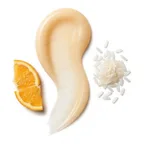 Ferulic Acid
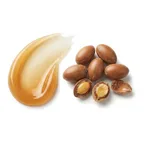 Argan Oil
Low
- AverageDry Skin Fit
- AverageEffectiveness
- ConcerningSafety
A weak match for dry skin; the serums alongside fit it better.
This fit is calculated for the concerns frequently associated with dry skin: flakiness, tightness, dehydration, fine lines, and wrinkles. For scores and recommendations based on your full skin profile, including your 12D face scan results and any goals or preferences you have, please use the Lovi app.
Updated How the Fit score works
Lovi Assistant explains
- Offers moderate hydration for your dry skin due to the presence of humectants like Glycerin and Tremella Fuciformis Sporocarp Extract, but lacks sufficient emollient ingredients like Argania Spinosa Kernel Oil and Jojoba Seed Oil to provide optimal hydration.
- The moderate brightening effect from Ascorbic Acid and Ferulic Acid offers some evening of skin tone, but the formula does not deeply address dryness.
How to apply
- Apply this serum PM, starting 3×/week and working up to daily use as your skin adjusts.
- Place the serum after cleansing and toner, but right before your moisturizer.
- Gently press 2-3 drops of the serum into your skin and let it absorb for a minute.
- Apply the serum on slightly damp skin to help lock in extra moisture.
- Avoid the eye area and do a patch test before your first use.
People Say
★4.6Overall rating based on 32.6k+ reviewsBased on a very large amount of data, this serum is highly regarded for improving skin radiance, firmness, and texture, making it a popular choice for those targeting signs of aging and hyperpigmentation. While it is generally well-tolerated by various skin types, users emphasize the importance of consistent use and proper sun protection due to its active ingredients.
Highlights
Brightens skin Mostly Mentioned
- “Complexion is brighter”
- “noticeable glow”
- “radiant appearance”
Great value Often Mentioned
- “Generous amount”
- “affordable price”
- “lasts a long time”
Reduces lines Often Mentioned
- “Softened fine lines”
- “wrinkles less noticeable”
- “firmer skin”
Oxidizes over time Often Mentioned
- “Turns yellow/brown”
- “loses effectiveness”
- “must use quickly”
Lightweight texture Sometimes Noted
- “Absorbs quickly”
- “not greasy”
- “no sticky residue”
Strong scent Sometimes Noted
- “Noticeable chemical smell”
- “citrus scent too strong”
- “off-putting”
Packaging issues Rarely Noted
- “Pump dispenser concerns”
- “hard to finish bottle”
Potential irritation Rarely Noted
- “Slight tingling”
- “too intense for some”
- “not for beginners”
Sources: lovi.care, purador.com, walmart.com, influenster.com, youtube.com, hwahae.com, and more
Questions and answers
Why is PURA D'OR 20% Vitamin C Serum a weak match for dry skin?
This serum offers moderate hydration from ingredients like glycerin, but it lacks enough rich, softening oils to fully comfort dry skin. Treatments that work well for dry skin need nourishing ingredients, skin barrier support, and soothing components like ceramides, peptides, and niacinamide.
Clinical, Cosmetic and Investigational Dermatology, 2017Journal of Cosmetic Dermatology, 2020
Which ingredients make this serum a poor fit for dry skin?
This serum is a weak match for dry skin because it lacks enough softening oils like argan oil and jojoba seed oil to keep dry skin comfortable. A product of this type needs rich ingredients that specifically target deep hydration, barrier support, and soothing nourishment to properly care for dry skin.
What does Vitamin C do for dry skin?
Vitamin C helps make dry skin feel softer and smoother while boosting hydration and moisture. It may also improve overall radiance and help with signs of aging like wrinkles.
Experimental Dermatology, 2008Skin Research and Technology, 2008
What does Hyaluronic Acid do for dry skin?
Hyaluronic acid helps dry skin by drawing in moisture to greatly increase hydration, making your skin feel much softer and smoother. Using it regularly may significantly improve moisture levels and plumpness without causing irritation.
Journal of Drugs in Dermatology, 2011Dermatology and Therapy, 2021
Where does this serum go in a skincare routine for dry skin?
For dry skin, this serum goes in the evening routine after cleansing and before moisturizing, though it is a weak match that lacks enough rich, softening ingredients to deeply comfort and hydrate dry skin.
Can I use this serum with niacinamide, and in what order?
You can use this serum with niacinamide by applying niacinamide first and following with this vitamin C treatment. This product of this type needs rich smoothing and softening ingredients like argan oil and jojoba seed oil to properly care for dry skin.
How often should I use this serum?
This treatment is intended for evening use in your routine to keep things simple and safe around sun exposure, though a product of this type needs richer oils like argan or jojoba to deeply comfort dry skin.
Can this serum clog pores, cause breakouts or purging for dry skin?
This serum is unlikely to clog pores or cause breakouts for dry skin, though it may occasionally cause mild irritation. A product of this type needs rich smoothing and softening ingredients like argan oil and jojoba seed oil to properly care for dry skin.
Is this serum fragrance-free and alcohol-free?
Yes, it has no fragrance and no drying alcohol.
What the research says
A single application of a moisturizing fluid containing hyaluronic acid 1%, glycerin 5%, and Centella asiatica stem cells extract significantly increased skin hydration by 29% and reduced transepidermal water loss at 24 hours compared to baseline and an untreated control site in twenty healthy women.
Clinical, Cosmetic and Investigational Dermatology, 2017A topical serum containing vitamin C, vitamin E, and raspberry leaf cell culture extract improved skin color, elasticity, radiance, smoothness, scaliness, and wrinkles compared to the untreated contralateral side in fifty female volunteers.
Journal of Cosmetic Dermatology, 2020Treatment with 14% ferulic acid and 12% l-ascorbic acid significantly reduced pigmentation and erythema while improving hydration and elasticity in 20 women with photoaged skin, with neither acid proving definitively more effective overall though ascorbic acid showed slightly greater skin lightening.
Dermatologic Therapy, 2022Topical application of 5% vitamin C cream significantly improved global clinical scores, increased skin microrelief density, and induced elastic tissue repair in photoaged skin compared to excipient control in healthy female volunteers.
Experimental Dermatology, 2003Topical application of VC-IP cream twice daily for 8 weeks reduces periorbital wrinkles in female subjects compared to a placebo cream.
Journal of Cosmetic Dermatology, 2022Topical treatment with 5% vitamin C and 0.1% madecassoside significantly improved clinical scores for wrinkles, suppleness, firmness, roughness, and skin hydration, along with functional and structural remodeling of the elastic fiber network in 20 female volunteers with photoaged skin after 6 months compared to baseline.
Experimental Dermatology, 2008Topical application of 0.1% hyaluronic acid formulations of different molecular weights led to significant improvements in skin hydration and elasticity, with low-molecular-weight formulations also significantly reducing wrinkle depth in seventy-six female subjects compared to a vehicle control.
Journal of Drugs in Dermatology, 2011Topical hyaluronic acid serum used twice daily by 40 females with facial photoaging produced an immediate 134% increase in skin hydration, a sustained 55% increase at week 6, and significant improvements in smoothness, plumping, fine lines, wrinkles, and global appearance without causing irritation.
Dermatology and Therapy, 2021A topical antioxidant serum significantly reduced air pollution-induced skin pigmentation and proinflammatory gene expression ex vivo, and improved skin aging signs in 40 healthy adult females after 90 days of daily use.
Journal of Cosmetic Dermatology, 2022Topical bakuchiol 0.5% applied twice daily compared with retinol 0.5% applied daily significantly decreased wrinkle surface area and hyperpigmentation with no statistical difference between the compounds in 44 patients over 12 weeks, while retinol users reported more facial skin scaling and stinging.
The British Journal of Dermatology, 2019Topical 0.3% and 1% retinol comparably improved biomarkers of cutaneous photoageing in photoaged volunteers, while 0.3% retinol demonstrated better tolerance with fewer and milder adverse events compared to 1% retinol in a daily escalation regimen.
International Journal of Cosmetic Science, 2022Daily application of 0.3% and 0.5% retinol serums in 37 volunteers over 12 weeks reduced skin hyperpigmentation, unevenness, and wrinkles on both sides of the face, with the 0.5% concentration causing more frequent and intense skin irritation.
Skin Pharmacology and Physiology, 2020A topical antioxidant solution of 15% L-ascorbic acid, 1% alpha-tocopherol, and 0.5% ferulic acid provides significant photoprotection against solar-simulated UV radiation in human skin compared to its vehicle.
Journal of the American Academy of Dermatology, 2008Pretreatment with a topical antioxidant mixture of vitamin C, ferulic acid, and phloretin attenuated ultraviolet-induced sunburn cell formation, thymine dimer formation, matrix metalloproteinase-9 expression, p53 protein expression, and the suppression of CD1a-expressing Langerhans cells in human skin compared to vehicle control.
Journal of Cosmetic Dermatology, 2008Topical ferulic acid-containing formulations effectively reduce skin erythema, hyperpigmentation, and signs of aging in adults compared to baseline or alternative conditions.
The Journal of Clinical and Aesthetic Dermatology, 2025Topical application of an argan oil NLC-based hydrogel formulation increased skin hydration in healthy volunteers over a one-month period through a synergistic effect of NLC occlusion and argan oil hydration.
International Journal of Nanomedicine, 2014Incorporating allantoin into argan oil enriched liposomes improved its accumulation in the dermis (~8.7μg/cm(2)) and permeation through the skin (~33μg/cm(2)) compared to conventional liposomes, water dispersion, and a commercial gel.
International Journal of Pharmaceutics, 2016
Why other serums fit dry skin better
Cosmetic formulations containing 5% Centella asiatica extract showed the best efficacy in improving skin moisture and decreasing transepidermal water loss, while also exhibiting antiinflammatory properties in 25 volunteers compared to baseline measurements.
Indian Journal of Pharmaceutical Sciences, 2016Co-delivery of paeonol and madecassoside via nanoemulsions improved transdermal delivery, promoted barrier repair proteins, inhibited inflammatory cytokine secretion in cellular and 3D models, and reduced transepidermal water loss and acne in human facial skin compared to free components.
Molecules, 2023
Ingredients
Decolorized Aloe Barbadensis Leaf Juice Aloe Barbadensis Leaf Juice, Ascorbic Acid, Propanediol, Witch Hazel Bark Extract, Tremella Fuciformis Sporocarp Extract White Jelly Mushroom Extract, Betaine, Glycerin, Sodium Hyaluronate, Ferulic Acid, Dimethyl Sulfone, Tocopherol Vitamin E, Argania Spinosa Kernel Oil Argan Kernel Oil, Retinol Vitamin A, Jojoba Seed Oil, Citrus Aurantium Dulcis Peel Oil, Phytic Acid, Sodium Citrate, Sodium Metabisulfite, Xanthan Gum, Caprylyl Glycol, Caprylhydroxamic Acid, Polysorbate 20
Behind this fit score
Lovi calculates every fit score from the full ingredient list with brand-independent rules our dermatologists and cosmetic chemists build and review, and personalizes every pick with AI trained on the real results of millions of users. Lovi trains its fit score models on a proprietary dataset built from more than 10,000 expert-labeled products and more than 100,000 simulated examples, following an internally consistent methodology presented at Cosmoprof, AMWC, and Skin of Color Update.
-

Co-founder, Medical Director
Cosmetic chemist, cosmetologist, aesthetic products developer
-

Co-founder, CEO and CTO
PhD in computer science, 3x US patent holder, ex-Google, ex-Yandex
-

Dr. Sofía Perea Pérez, MD, MSc
Medical Board
Aesthetic medicine practitioner, MSc in Longevity and Anti-Aging Medicine
-

Medical Board
Specialist dermatologist, MBBS, MD, IFAAD
-

Medical Board
Cosmetic chemist, SCS, IFSCC member
-

Medical Board, Medical Advisor
Dermatology MD
-

Elina Nazarenko, MD
Medical Board
Dermatology and diagnostic consultant
-

Victoria Derkova, MS
Medical Board
Cosmetic chemist, cosmetic development technologist


How does it fit your skin?
Scan your face, then any product: Lovi shows how well it fits you and what fits even better.