
Pond's Age Miracle Night Cream for dry skin

 Retinyl Palmitate Vitamin A
 Niacinamide
 Dimethicone
 Glycerin
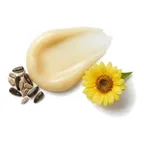 Helianthus Annuus Seed Oil Sunflower Seed Oil
Warning
- HighDry Skin Fit
- AverageEffectiveness
- WarningSafety
A poor match for dry skin; the moisturizers alongside fit it better.
This fit is calculated for the concerns frequently associated with dry skin: flakiness, tightness, dehydration, fine lines, and wrinkles. For scores and recommendations based on your full skin profile, including your 12D face scan results and any goals or preferences you have, please use the Lovi app.
Updated How the Fit score works
How to apply
- Could be used as part of your AM or PM routine. Start using it 3 times a week and work your way up to daily use.
- Apply your moisturizer after your toner and before your sunscreen in the morning. At night, use it as the final step after your serum.
- Gently press a small amount of the moisturizer into your skin. Avoid rubbing to keep your dry skin happy.
- Apply the moisturizer on slightly damp skin to help lock in extra hydration. This is great for soothing dry and flaky areas .
- Avoid the sensitive eye area and do a patch test before your first use .
Questions and answers
Why does Lovi advise against Pond's Age Miracle Night Cream for dry skin?
This cream is a poor match because dry skin needs rich, highly nourishing moisturizers like glycerin and beneficial oils that provide deep hydration and support the skin barrier without any risk of irritation.
Which ingredients make this cream a poor fit for dry skin?
This cream is a poor match for dry skin because it contains ingredients like fragrance compounds, which may cause irritation and dryness. A product for this skin type needs rich moisturizing agents and skin-softening oils to provide deep hydration and support the skin barrier.
What does Retinyl Palmitate do for dry skin?
Retinyl palmitate helps improve dryness by smoothing skin texture and reducing roughness across various body sites. This ingredient supports better moisture retention and overall clarity, making it a good fit for dry skin types.
What does Niacinamide do for dry skin?
Niacinamide helps dry skin by strengthening the skin barrier, increasing hydration, and reducing water loss. It supports ceramide production and helps keep the surface smooth and calm. This ingredient tends to be very well tolerated and is unlikely to irritate dry skin.
Journal of Cosmetic Dermatology, 2004Journal of Cosmetic Dermatology, 2026
Where does this cream go in a skincare routine for dry skin?
This cream is applied in the evening as a treatment step for skin types that tolerate richer formulas, but it is a poor match for dry skin because it lacks the heavy moisturizing oils and humectants needed to keep dry skin soft and smooth.
Can I use it with retinol, and in what order?
Using this product with retinol is not recommended because your skin is dry, as it may cause irritation and dryness. A product of this type needs soothing ingredients and extra moisture like ceramides and rich oils to keep dry skin calm and soft.
How often should I use this cream?
This cream is a poor match for dry skin, and dry skin needs a richer moisturizing treatment with extra soothing oils, glycerin, and ceramides to stay soft and smooth.
Can it clog pores, cause breakouts or purging for dry skin?
This cream is unlikely to clog pores or cause breakouts on dry skin, though a poor match for this skin type still needs rich oils and gentle hydrators to keep skin soft and smooth.
Can I use it around the eyes or on my body?
This cream is a poor match for the thin skin around the eyes and body because its formulation is not suited for those areas. Dry skin needing care in these sensitive or broader areas requires deeply hydrating ingredients like hyaluronic acid and soothing botanical oils to keep the skin soft and smooth.
What the research says
Topical bakuchiol 0.5% applied twice daily compared with retinol 0.5% applied daily significantly decreased wrinkle surface area and hyperpigmentation with no statistical difference between the compounds in 44 patients over 12 weeks, while retinol users reported more facial skin scaling and stinging.
The British Journal of Dermatology, 2019Topical 0.3% and 1% retinol comparably improved biomarkers of cutaneous photoageing in photoaged volunteers, while 0.3% retinol demonstrated better tolerance with fewer and milder adverse events compared to 1% retinol in a daily escalation regimen.
International Journal of Cosmetic Science, 2022Daily application of 0.3% and 0.5% retinol serums in 37 volunteers over 12 weeks reduced skin hyperpigmentation, unevenness, and wrinkles on both sides of the face, with the 0.5% concentration causing more frequent and intense skin irritation.
Skin Pharmacology and Physiology, 2020Topical nicotinamide prevented solar-simulated UV-induced immunosuppression in healthy volunteers, and men experienced immunosuppression at solar-simulated UV doses three times lower than those required for women.
The Journal of Investigative Dermatology, 2008Topical 5% niacinamide applied twice daily for 12 weeks reduced fine lines and wrinkles, hyperpigmented spots, red blotchiness, and skin sallowness, and improved skin elasticity compared to vehicle control in 50 female white subjects with facial photoaging.
Dermatologic Surgery, 2005Topical 2% niacinamide significantly decreased sebum excretion rate in Japanese individuals and casual sebum levels in Caucasian individuals compared to placebo or baseline.
Journal of Cosmetic and Laser Therapy, 2006Wearing an N95 mask alone compared to using dimethicone cream or hydrocolloid dressing caused more adverse skin reactions among 73 military health care workers, with no significant differences in fit test failure rates between groups.
Military Medicine, 2024Petrolatum-based skin protectants demonstrated protection against irritants and maceration while providing skin hydration, whereas dimethicone and zinc oxide products showed varying or limited performance across parameters among 18 healthy volunteers compared to positive and negative controls.
Ostomy/wound Management, 2005Treatment with a moisturizer containing dimethicone and glycerine increased epidermal thickness by 0.019 mm, improved barrier function by decreasing transepidermal water loss by 13%, decreased melanin intensity, and induced keratins 6 and 16 in fifteen women with moderately photoaged forearms.
Clinical and Experimental Dermatology, 2007A single application of a moisturizing fluid containing hyaluronic acid 1%, glycerin 5%, and Centella asiatica stem cells extract significantly increased skin hydration by 29% and reduced transepidermal water loss at 24 hours compared to baseline and an untreated control site in twenty healthy women.
Clinical, Cosmetic and Investigational Dermatology, 2017The emollient V0034CR significantly reduced TEWL compared to vehicle and vehicle plus glycerol, and significantly increased corneometry scores compared to vehicle and vehicle plus petrolatum in healthy volunteers with dry skin, demonstrating combined barrier function improvement from petrolatum and hydration improvement from glycerol.
Journal of Cosmetic Dermatology, 2020Ten days of treatment with a cream containing 20% glycerin significantly increased skin hydration measured by corneometer values in 17 healthy volunteers compared to a placebo cream, but showed no influence on transepidermal water loss or skin sensitivity to an irritating surfactant.
International Journal of Cosmetic Science, 2001
Ingredients
Water, Cyclopentasiloxane, Cyclotetrasiloxane, Glycerin, Caprylyl Methicone, Caprylic Capric Triglyceride, Dimethicone Crosspolymer, Dimethicone, Potassium Chloride, Acrylates Crosspolymer, Cetyl Alcohol, Disteardimonium Hectorite, Magnesium Sulfate, Aluminum Hydroxide, Titanium Dioxide, Acetamide Mea, Ammonium Lactate, Bht, Cholesterol, Isomerized Linoleic Acid, Helianthus Annuus Seed Oil Sunflower Seed Oil, Peg-10 Dimethicone, Retinyl Palmitate, Stearic Acid, Palmitic Acid, Myristic Acid, Stearyl Dimethicone, Octadecene, Sucrose Distearate, Disodium Edta, Parfum, Butylene Glycol, Propylene Glycol, Dmdm Hydantoin, Iodopropynyl Butylcarbamate, Alpha-Isomethyl Ionone, Benzyl Salicylate, Butylphenyl Methylpropional, Hexyl Cinnamal, Hydroxyisohexyl 3-Cyclohexene Carboxaldehyde, Linalool, Ci 17200, Tocopheryl Acetate, Sodium Carbonate, Sodium Chloride, Sodium Bisulfite, Sodium Hydroxide, Sodium Metabisulfite, Climbazole, Pentaerythrityl Tetra-Di-T-Butyl Hydroxyhydrocinnamate, Retinyl Propionate, Hydroxycitronellal, Limonene
Behind this fit score
Lovi calculates every fit score from the full ingredient list with brand-independent rules our dermatologists and cosmetic chemists build and review, and personalizes every pick with AI trained on the real results of millions of users. Lovi trains its fit score models on a proprietary dataset built from more than 10,000 expert-labeled products and more than 100,000 simulated examples, following an internally consistent methodology presented at Cosmoprof, AMWC, and Skin of Color Update.
-

Co-founder, Medical Director
Cosmetic chemist, cosmetologist, aesthetic products developer
-

Co-founder, CEO and CTO
PhD in computer science, 3x US patent holder, ex-Google, ex-Yandex
-

Dr. Sofía Perea Pérez, MD, MSc
Medical Board
Aesthetic medicine practitioner, MSc in Longevity and Anti-Aging Medicine
-

Medical Board
Specialist dermatologist, MBBS, MD, IFAAD
-

Medical Board
Cosmetic chemist, SCS, IFSCC member
-

Medical Board, Medical Advisor
Dermatology MD
-

Elina Nazarenko, MD
Medical Board
Dermatology and diagnostic consultant
-

Victoria Derkova, MS
Medical Board
Cosmetic chemist, cosmetic development technologist


How does it fit your skin?
Scan your face, then any product: Lovi shows how well it fits you and what fits even better.