
Pixi Glow Tonic for sensitive skin

 Glycolic Acid
 Aloe Barbadensis
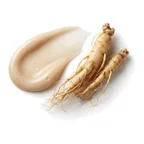 Panax Ginseng Root Extract
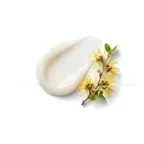 Witch Hazel Extract
 Biotin
Superior
- SuperiorNormal Skin Fit
- SuperiorEffectiveness
- ExcellentSafety
One of the best toners for sensitive skin.
This fit is calculated for the concerns frequently associated with sensitive skin: redness, stinging, and reactions to new products. For scores and recommendations based on your full skin profile, including your 12D face scan results and any goals or preferences you have, please use the Lovi app.
Updated How the Fit score works
Lovi Assistant explains
- Excellent suitability for your normal skin and goals of reducing redness and irritation, as Aloe Barbadensis Leaf Juice and Witch Hazel Leaf Extract provide potent soothing and anti-inflammatory effects, complemented by glycolic acid for texture refinement.
- The inclusion of Panax Ginseng Root Extract and Hexyl Nicotinate further enhances the formula by promoting microcirculation and radiance, supporting overall skin health.
- This product is safe for your sensitive skin, containing no harsh ingredients and featuring beneficial components like aloe and ginseng that minimize irritation risk.
Buy online


Prices checked 20 Nov 2026
The Lovi Fit is the same in every country; only the stores and prices differ, and the ones here are for India.
How to apply
- Use your exfoliating toner as part of a PM routine once a week to start. Carefully increase frequency only if your skin tolerates it well.
- Apply this exfoliating toner after cleansing and before your moisturizer. It fits right into your usual step for toners.
- Gently press 2-3 drops of the exfoliating toner into your skin. Avoid rubbing to keep redness down.
- Apply the exfoliating toner on completely dry skin to help improve your skin's tolerance. This helps protect your sensitive face.
- Do a patch test before your first use and avoid the delicate eye area . Skip strong acids or retinoids on the same night.
People Say
★4.5Overall rating based on 25.0k+ reviewsBased on a very large amount of data, this exfoliating toner is highly regarded for its ability to instantly brighten skin and refine texture, with many users experiencing improved clarity and tone, particularly those with dull or acne-prone complexions. Some users with sensitive or dry skin have reported occasional irritation or initial breakouts.
Highlights
Instant radiance Mostly Mentioned
- “gives instant glow”
- “skin looks brighter”
- “wake up glowing”
- “removes dullness immediately”
Gentle exfoliation Often Mentioned
- “doesn't sting”
- “gentle for daily use”
- “no harsh peeling”
- “great starter acid”
Smoother texture Often Mentioned
- “forehead bumps gone”
- “baby soft skin”
- “texture is smoothed”
- “got rid of rough patches”
Acne/scar reduction Sometimes Noted
- “faded acne scars”
- “cleared up breakouts”
- “helps with hormonal acne”
- “pores look smaller”
Skin irritation Sometimes Noted
- “burned my face”
- “caused red rash”
- “stung bad”
- “left skin raw”
Strong scent Sometimes Noted
- “smell is overpowering”
- “too much perfume”
- “scent lingers”
- “smells like grandma”
Breakouts/Purging Rarely Noted
- “broke me out”
- “caused cystic acne”
- “worst purging ever”
- “tiny bumps appeared”
Sticky residue Rarely Noted
- “feels sticky”
- “tacky film left”
- “residue sits on skin”
- “feels heavy”
Sources: lovi.care, amazon.com, sephora.com, ulta.com, target.com, influenster.com, and more
Questions and answers
What makes Pixi Glow Tonic one of the best fits for sensitive skin?
Pixi Glow Tonic is a great fit for sensitive skin because soothing aloe and witch hazel calm redness and irritation, while glycolic acid gently smooths your skin texture. It has a very safe formula with helpful ingredients that keep irritation low while boosting overall skin health.
Which ingredients make this toner a good fit for sensitive skin?
Aloe Barbadensis Leaf Juice and Witch Hazel Leaf Extract make this toner a good fit for sensitive skin because they provide potent soothing and anti-inflammatory effects that minimize irritation risk. Glycolic acid complements them by refining texture safely.
What does Glycolic Acid do for sensitive skin?
Glycolic acid may be too harsh for sensitive skin and often causes irritation. A product of this type needs soothing ingredients like Portulaca oleracea extract or calming agents to help protect the skin barrier.
Cutaneous and Ocular Toxicology, 2022International Journal of Cosmetic Science, 1996
What does Aloe Vera do for sensitive skin?
Aloe vera helps calm sensitive skin by reducing redness and soothing irritation. It is unlikely to cause trouble and may support skin recovery when used regularly.
Clinical Pharmacology, 2018International Journal of Nanomedicine, 2025
Where does this toner go in a skincare routine for sensitive skin?
This toner goes after your cleanser in both your morning and evening routines. Lovi routines start exfoliating toners like this once a week, and you can carefully use them more often if your skin tolerates them well.
Can I use it with retinol, and in what order?
You can use this exfoliating toner with retinol by applying the toner first, waiting for it to dry, and then applying your retinol. Using soothing ingredients like aloe alongside active treatments helps minimize irritation and keeps sensitive skin calm.
How often should I use this toner?
Start using this exfoliating toner once a week, and if your sensitive skin handles it well with good results, you may carefully use it more often. The soothing aloe and witch hazel help keep irritation low while the glycolic acid refines your texture.
Journal of Cosmetic Dermatology, 2021Journal of Cosmetic Dermatology, 2024
Can it clog pores, cause breakouts or purging for sensitive skin?
This exfoliating toner is unlikely to cause breakouts, as reviews report a low likelihood of purging and it helps smooth skin texture while keeping irritation low.
Is this toner fragrance-free and alcohol-free?
It has no drying alcohol and contains fragrance (parfum).
What the research says
Hamamelis bark proanthocyanidins strongly increased the proliferation of cultured human keratinocytes and reduced transepidermal water loss and erythema formation in SLS-irritated skin, whereas the polysaccharide fraction had no effect.
Phytochemistry, 2001A cream combining propolis, tea tree oil, and Aloe vera reduced erythema scars, acne severity index, and total lesion count better than erythromycin cream in sixty patients with mild to moderate acne vulgaris compared to placebo.
Clinical Pharmacology, 2018Topical hexyl nicotinate induced dose-related erythematous responses and increased skin blood flow in 10 healthy volunteers.
Dermatologica, 1987Small extracellular vesicles derived from Aloe vera peels exhibited antioxidant activity, reduced intracellular ROS levels, enhanced human skin cell migration, and upregulated antioxidant-related gene expression in H2O2-treated human keratinocytes.
Tissue Engineering and Regenerative Medicine, 2021Serial glycolic acid peels combined with a modified Kligman formula significantly reduced facial PIH severity in Indian patients compared to the modified Kligman formula alone.
Dermatologic Surgery, 2017Short contact therapy with a tretinoin, clindamycin, and glycolic acid gel significantly improved skin tolerability and reduced acne severity scores compared to standard application therapy in patients with mild-to-moderate acne.
Dermatologic Therapy, 2021Formulations containing 0.10%, 0.25%, and 0.50% freeze-dried Aloe vera extract increased stratum corneum water content compared with the vehicle in 20 female subjects, while transepidermal water loss was not modified.
Skin Research and Technology, 2006Kombucha-mediated fermentation of aloe vera gel for 10 and 20 days enhanced its phenolic and flavonoid content, antioxidant capacity, cytoprotective effects, enzyme inhibition against collagenase, elastase, and hyaluronidase, and moisturizing properties compared to unfermented gel.
Molecules, 2025Aloe vera gel phenolic and polysaccharide extracts demonstrated distinct wound-healing properties in vitro, with the phenolic extract exhibiting anti-inflammatory, antioxidant, and fibroblast-stimulating effects, and the polysaccharide extract showing enhanced collagen synthesis and antibacterial activity against Staphylococcus aureus.
Journal of Functional Biomaterials, 2024Enzyme-modified ginseng extract cream significantly reduced the global photo-damage score and various roughness measures including total roughness, smoothness depth, and arithmetic roughness average compared to placebo in 23 human subjects.
Rejuvenation Research, 2015A red ginseng hydrogel formulation with 1,2-hexanediol promoted selective growth of Staphylococcus epidermidis and decreased Cutibacterium acnes in 20 female subjects.
Journal of Ginseng Research, 2022A cream containing 0.1% ginsenoside F1 demonstrated a skin-whitening effect on artificially tanned human skin after 8 weeks by enhancing interleukin-13 production from epidermal gamma-delta T cells, which subsequently suppressed tyrosinase and DCT expression and melanin synthesis in melanocytes.
Experimental Dermatology, 2014A Hamamelis virginiana leaf extract increased LOXL1 expression twofold, decreased elafin synthesis, restored functional elastic fibers, reduced nonfunctional elastin aggregates, decreased wrinkles, and improved skin firmness.
Journal of Cosmetic Science, 2018Hamamelis virginiana bark extract inhibited Cutibacterium acnes-induced IL-6 release and TNF-α-induced IL-8 release in human keratinocytes without showing antibacterial or antibiofilm activities.
Antioxidants, 2022Aqueous extracts and formulations of white tea, rose, and witch hazel demonstrated protective effects against hydrogen peroxide-induced damage and reduced IL-8 release in primary human dermal fibroblast cells compared to controls.
Journal of Inflammation, 2011Pharmacological biotin concentrations of 1 microM and 100 microM specifically increased cytokeratins induced upon terminal differentiation in a keratinocyte cell line (Ha-CaT) compared to untreated cells, demonstrating that biotin directly stimulates epidermal cell differentiation.
Schweizer Archiv Fur Tierheilkunde, 1991
Ingredients
Water, Aloe Barbadensis Leaf Juice, Glycolic Acid, Butylene Glycol, Glycerin, Sodium Hydroxide, Witch Hazel Leaf Extract, Aesculus Hippocastanum Seed Extract, Hexylene Glycol, Fructose, Glucose, Sucrose, Urea, Dextrin, Alanine, Glutamic Acid, Aspartic Acid, Hexyl Nicotinate, Panax Ginseng Root Extract, Ethylhexylglycerin, Disodium Edta, Biotin, Panthenol, Ppg-26-Buteth-26, Peg-40 Hydrogenated Castor Oil, Phenoxyethanol, Parfum, Caramel, Red 4 Ci 14700
Behind this fit score
Lovi calculates every fit score from the full ingredient list with brand-independent rules our dermatologists and cosmetic chemists build and review, and personalizes every pick with AI trained on the real results of millions of users. Lovi trains its fit score models on a proprietary dataset built from more than 10,000 expert-labeled products and more than 100,000 simulated examples, following an internally consistent methodology presented at Cosmoprof, AMWC, and Skin of Color Update.
-

Co-founder, Medical Director
Cosmetic chemist, cosmetologist, aesthetic products developer
-

Co-founder, CEO and CTO
PhD in computer science, 3x US patent holder, ex-Google, ex-Yandex
-

Dr. Sofía Perea Pérez, MD, MSc
Medical Board
Aesthetic medicine practitioner, MSc in Longevity and Anti-Aging Medicine
-

Medical Board
Specialist dermatologist, MBBS, MD, IFAAD
-

Medical Board
Cosmetic chemist, SCS, IFSCC member
-

Medical Board, Medical Advisor
Dermatology MD
-

Elina Nazarenko, MD
Medical Board
Dermatology and diagnostic consultant
-

Victoria Derkova, MS
Medical Board
Cosmetic chemist, cosmetic development technologist


How does it fit your skin?
Scan your face, then any product: Lovi shows how well it fits you and what fits even better.