
Pipette Eczema Lotion for skin with dark spots

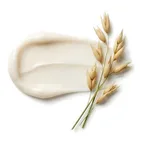 Oat
 Squalane
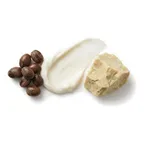 Butyrospermum Parkii Butter Shea Butter
 Ceramide Np
 Tocopherol Vitamin E
Low
- HighNormal Skin Fit
- AverageEffectiveness
- ConcerningSafety
A weak match for skin with dark spots; the moisturizers alongside fit it better.
This fit is calculated for the concerns frequently associated with dark spots: hyperpigmentation, sun spots, and uneven skin tone. For scores and recommendations based on your full skin profile, including your 12D face scan results and any goals or preferences you have, please use the Lovi app.
Updated How the Fit score works
Lovi Assistant explains
How to apply
- Could be used as part of your AM and PM routine. Start using it 3 times a week and move to daily use if your skin likes it.
- Apply this moisturizer after your cleanser and toner, right before your morning SPF.
- Gently press a small amount of the moisturizer into your skin. Avoid rubbing it too hard so it absorbs nicely.
- For the best moisture, you can apply it when your skin is slightly damp. This helps your skin stay soft and happy.
- Remember to avoid the eye area when applying. Always do a patch test before your first use.
People Say
★4.6Overall rating based on 600+ reviewsHighlights
Gentle ingredients Often Mentioned
- “It's fragrance-free, super gentle.”
- “I love that Pipette products are fragrance-free... not exposing my baby's sensitive skin to any unnecessary irritants.”
- “Everything feels clean and hydrating without any harsh ingredients.”
Hydrates dry skin Often Mentioned
- “Keeps my dry skin moisturized for a long time.”
- “Moisturizes and softens dry skin effectively.”
- “It leaves him super soft.”
Itch relief Often Mentioned
- “Within just a few uses, we noticed a big difference in redness and discomfort.”
- “Relieves itching and reduces redness.”
- “My heart just broke watching him constantly scratch... I am amazed, but even more so, I am relieved.”
Quick absorption Sometimes Noted
- “Absorbs into skin without residue.”
- “It goes on so smoothly and blends in quickly.”
- “Absorbs quickly without feeling greasy.”
Inconsistent results Sometimes Noted
- “Worked less for me as a rescue cream for cases of broken skin barrier.”
- “Didn't work for their baby.”
Ingredient concerns Rarely Noted
- “A few moms note added sodium benzoate and mention it didn't work.”
- “They've added ingredients like sodium benzoate, which I like to avoid.”
Packaging issues Rarely Noted
- “Leaky or finicky packaging.”
- “Runny lotions.”
Skin irritation Rarely Noted
- “Some parents report rashes after using the lotion.”
- “He developed little bumps or rashes all over his belly and his back.”
- “One parent said their 3-year-old developed itchy bumps.”
Sources: lovi.care, walmart.com, influenster.com, facebook.com, thingtesting.com, whatsinmyjar.com, and more
Questions and answers
Which ingredients make this cream a poor fit for skin with dark spots?
This cream is a weak match for skin with dark spots because its ingredients are not targeted to address pigmentation. A moisturizing treatment for dark spots needs effective brightening ingredients that align with your pigmentation goals, alongside hydrating and soothing components.
What does Oat do for skin with dark spots?
Oats help calm and brighten skin with dark spots by reducing pigment production and oxidative stress. This ingredient is unlikely to irritate sensitive areas while working to even out skin tone.
International Journal of Molecular Sciences, 2021Antioxidants, 2024
What does Squalane do for skin with dark spots?
Squalane helps protect skin from sun damage that can lead to dark spots. While squalene can sometimes form peroxides under UV light that cause dark spots, stable squalane acts as an antioxidant to help keep skin calm and even-toned.
Antioxidants, 2025Biological & Pharmaceutical Bulletin, 2009
Where does this cream go in a skincare routine for skin with dark spots?
This moisturizing treatment goes near the end of your morning routine and evening routine, right before sunscreen or sleep. Because it is a weak match for dark spots, skin with dark spots needs a product of this type that also includes brightening ingredients like vitamin C or niacinamide to help even out skin tone.
Can I use this cream with retinol, and in what order?
You can use this cream with retinol, and applying it first helps protect your skin from dryness and irritation. A moisturizer of this type with oat, squalane, shea butter, and ceramides supports your skin barrier, which makes it easier for your skin to get used to retinol.
How often should I use this cream?
You can use this moisturizing treatment twice daily to help keep your skin hydrated and support your skin barrier. Skin with dark spots needs a routine that includes brightening ingredients and targeted treatments to fade discoloration.
Journal of Cosmetic Dermatology, 2020Skin Pharmacology and Physiology, 2026
Can this cream clog pores, cause breakouts or purging for skin with dark spots?
This lotion is a weak match for your skin because its ingredients do not target dark spots, and skin of this type needs brightening ingredients like vitamin C or niacinamide along with gentle exfoliants to help fade discoloration.
Can I use this cream around the eyes or on my body?
Yes, you can use this cream on your body and around the eyes, as its gentle formula is well-suited for thinner and delicate areas. Skin on the body and around the eyes needs soothing ingredients like oat, shea butter, and ceramides to keep it calm and well-hydrated.
Is this cream fragrance-free and alcohol-free?
Yes, it has no fragrance and no drying alcohol. Cetearyl alcohol is a fatty alcohol, which soften the skin.
What the research says
Colloidal oat extracts diminished pro-inflammatory cytokines in vitro and colloidal oat lotion improved skin dryness, scaling, roughness, and itch intensity in healthy female subjects compared to baseline.
Journal of Drugs in Dermatology, 2015Colloidal oat increased the growth rate, metabolism, and lactic acid production of Staphylococcus epidermidis compared to Staphylococcus aureus in vitro, matching clinical increases in lactic acid on dry skin after 6 weeks of lotion use.
Clinical, Cosmetic and Investigational Dermatology, 2021A dermocosmetic product containing oat plantlet sap and Garcinia mangostana extract reduced retentional and inflammatory acne lesions by 21% and 35% respectively after 2 months in 54 subjects with mild-to-moderate acne.
Journal of the European Academy of Dermatology and Venereology, 2024Application of fullerene-C60 dissolved in squalane cream twice daily for 8 weeks significantly enhanced skin moisture and reduced wrinkle formation compared to placebo in 23 Japanese women without severe side effects.
Journal of Nanoscience and Nanotechnology, 2010Squalane at 0.005-0.015% counteracts UVA-induced oxidative stress, inflammation, and collagen metabolism inhibition while stimulating fibroblast migration in human dermal fibroblasts.
Molecules, 2025Plant-derived squalane protected human dermal fibroblasts against UVA-induced damage by counteracting ROS formation, suppressing apoptosis-related proteins p53, caspase-3, caspase-9, and PARP, and restoring the pro-survival p-Akt/mTOR pathway.
Antioxidants, 2025A skin barrier restoring cream with shea butter, silkflo, and vitamin E increased type I procollagen synthesis, enhanced antioxidant enzyme activity, decreased reactive oxygen species generation, and promoted hyaluronic acid production in H2O2-stimulated human keratinocyte cells compared to untreated cells.
International Journal of Cosmetic Science, 2025Ceramide and niacinamide-containing moisturizer combined with anti-acne treatment significantly improved non-inflammatory, inflammatory, and total acne lesions compared to hydrophilic cream in 40 patients with mild to moderate acne vulgaris after 8 weeks.
Journal of Cosmetic Dermatology, 2024Topical application of a pseudo-ceramide-containing spray improved stratum corneum water content, transepidermal water loss, cell area, and scaling score, and normalized the ceramide profile in patients with dry and sensitive skin compared to a control spray.
Journal of Cosmetic Dermatology, 2025Topical application of an antioxidant serum containing 15% ascorbic acid, 0.5% ferulic acid, and 1% tocopherol prevented particulate matter-induced degradation of extracellular matrix components, inflammation, and oxidative stress in the skin of 15 female volunteers compared to untreated controls.
Journal of Cosmetic Dermatology, 2025Dermatological products containing d-alpha tocopheryl acetate showed non-comedogenic potential with less than a 50% increase in microcomedones in 12 healthy male subjects compared to octyl palmitate.
Contemporary Clinical Trials Communications, 2021Topical application of an antioxidant mix containing 15% ascorbic acid, 0.5% ferulic acid, and 1% tocopherol prevented PM and UV-induced skin barrier perturbation, lipid peroxidation, inflammatory markers, MMP9 activation, and Type I collagen loss in 15 healthy females compared to untreated exposed skin.
Journal of Cosmetic Dermatology, 2024
Why other moisturizers fit skin with dark spots better
Niacinamide significantly decreased hyperpigmentation and increased skin lightness compared with vehicle alone after 4 weeks of use in women by inhibiting melanosome transfer.
The British Journal of Dermatology, 2002
Ingredients
Oat, Water, Squalane, Caprylic Capric Triglyceride, Glycerin, Hydrogenated Sunflower Polyglyceryl-3 Esters Seed Oil, Hydroxystearic Linolenic Oleic Polyglycerides, Butyrospermum Parkii Butter Shea Butter, Jojoba Esters, Ceramide Np, Tocopherol Vitamin E, Sodium Phytate, Hydrogenated Sunflower Glyceryl Esters Seed Oil, Cetearyl Alcohol, Propanediol, Hydroxyacetophenone, Sodium Stearoyl Lactylate, Xanthan Gum, Ethylhexylglycerin, Potassium Sorbate, Citric Acid
Behind this fit score
Lovi calculates every fit score from the full ingredient list with brand-independent rules our dermatologists and cosmetic chemists build and review, and personalizes every pick with AI trained on the real results of millions of users. Lovi trains its fit score models on a proprietary dataset built from more than 10,000 expert-labeled products and more than 100,000 simulated examples, following an internally consistent methodology presented at Cosmoprof, AMWC, and Skin of Color Update.
-

Co-founder, Medical Director
Cosmetic chemist, cosmetologist, aesthetic products developer
-

Co-founder, CEO and CTO
PhD in computer science, 3x US patent holder, ex-Google, ex-Yandex
-

Dr. Sofía Perea Pérez, MD, MSc
Medical Board
Aesthetic medicine practitioner, MSc in Longevity and Anti-Aging Medicine
-

Medical Board
Specialist dermatologist, MBBS, MD, IFAAD
-

Medical Board
Cosmetic chemist, SCS, IFSCC member
-

Medical Board, Medical Advisor
Dermatology MD
-

Elina Nazarenko, MD
Medical Board
Dermatology and diagnostic consultant
-

Victoria Derkova, MS
Medical Board
Cosmetic chemist, cosmetic development technologist


How does it fit your skin?
Scan your face, then any product: Lovi shows how well it fits you and what fits even better.