
Peach & Lily Copper Peptide Pro Firming Serum for oily acne-prone skin

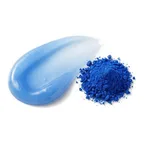 Copper Tripeptide-1
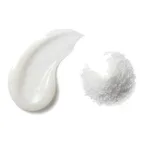 Acetyl Hexapeptide-8
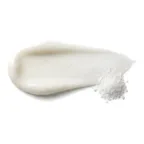 Palmitoyl Tripeptide-1
 Sodium Hyaluronate
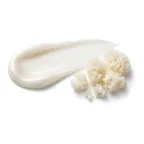 Collagen Extract
Average
- HighOily Skin Fit
- AverageEffectiveness
- HighSafety
Works for oily acne-prone skin; other serums fit it better.
This fit is calculated for the concerns frequently associated with oily acne-prone skin: shine, breakouts, blemishes, and enlarged pores. For scores and recommendations based on your full skin profile, including your 12D face scan results and any goals or preferences you have, please use the Lovi app.
Updated How the Fit score works
Lovi Assistant explains
- Offers moderate benefits for your oily skin, as Acmella Oleracea Extract and Fomes Officinalis Extract provide mild astringent and seboregulation properties to help manage oiliness. While the serum contains multiple peptides like copper tripeptide-1 and acetyl hexapeptide-8 for firming and plumping, it lacks specialized ingredients to directly target your concerns of acne, blemishes, and breakouts.
- The formula provides general hydration and skincare benefits that are relevant for oily skin, but it does not offer targeted solutions for your primary skin issues.
- The product is safe for your oily skin, with no risks of irritation due to the absence of prohibited or harsh ingredients.
How to apply
- Could be used as part of your PM routine. Start 3 times a week and build up to daily use if your skin tolerates it well.
- Apply your serum after cleansing and toning, but before putting on your moisturizer.
- Gently press 2 to 3 drops of the serum into your skin and let it absorb for a minute.
- Apply the serum on clean, dry skin to help manage your blemishes safely.
- Do a patch test before your first use and avoid the delicate eye area.
People Say
★4.7Overall rating based on 300+ reviewsUsers frequently praise the serum's elegant, fast-absorbing texture that provides immediate hydration and a bouncy feel. Many report firmer skin and reduced fine lines over time, though some find the results subtle and note a temporary tackiness upon application.
Highlights
Elegant texture Mostly Mentioned
- “weightless”
- “absorbs fast”
- “watery consistency”
- “non-greasy”
- “silky serum”
Firming and plumping Often Mentioned
- “skin feels firmer”
- “restores bounce”
- “plump and hydrated”
- “noticeable improvement in firmness”
Hydration Often Mentioned
- “deeply hydrates”
- “leaves skin plump”
- “burst of hydration”
- “smooth and supple”
High price point Often Mentioned
- “expensive”
- “pricey”
- “wish it was cheaper”
Gentle formula Sometimes Noted
- “no irritation”
- “calming”
- “good for sensitive skin”
- “didn't cause acne”
- “fragrance-free”
Sticky finish Sometimes Noted
- “slightly sticky”
- “tacky finish”
- “sticky initially”
- “needs moisturizer on top”
Subtle results Sometimes Noted
- “subtle results”
- “can't tell if it helps yet”
- “more preventative”
- “slow progress”
Low copper concentration Rarely Noted
- “wish it had more copper”
- “low percentage”
- “wanted stronger formula”
Sources: lovi.care, peachandlily.com, ulta.com, reddit.com, lemon8-app.com, youtube.com, and more
Questions and answers
How well does Peach & Lily Copper Peptide Pro Firming Serum work for oily acne-prone skin?
This serum works moderately well for oily acne-prone skin, offering gentle oil control and firming peptides while remaining safe and unlikely to cause irritation. However, because it lacks targeted ingredients for breakouts and blemishes, a treatment for this skin needs effective additions like niacinamide, propolis, or Vitamin C to manage oil and clear acne.
American Journal of Clinical Dermatology, 2013Annals of Dermatology, 2019
Which ingredients make this serum a good fit for oily acne-prone skin?
Acmella oleracea extract and fomes officinalis extract help manage oiliness on oily skin with mild astringent and seboregulation properties. To truly fit oily acne-prone skin, a product of this type needs effective ingredients like niacinamide, propolis, or vitamin C to tackle breakouts and blemishes, alongside soothing extracts and oil-controlling components.
What does Copper Tripeptide-1 do for oily acne-prone skin?
Copper Tripeptide-1 helps calm oily, acne-prone skin by reducing inflammation and supporting skin barrier recovery. It also helps improve overall skin texture and tone while protecting against damage.
Skin Research and Technology, 2026Inflammation Research, 2010
What does Argireline do for oily acne-prone skin?
Argireline is not a direct treatment for oily or acne-prone skin, as it is primarily used to smooth wrinkles and firm the skin by relaxing expression lines. To properly care for oily, acne-prone skin, this type of product needs lightweight hydrators and ingredients that help balance oil and keep pores clear.
American Journal of Clinical Dermatology, 2013Journal of Cosmetic and Laser Therapy, 2013
Where does this serum go in a skincare routine for oily acne-prone skin?
This serum goes in your evening routine after your cleansing toner and before your moisturizer. Oily acne-prone skin needs treatments that include targeted blemish-fighting ingredients alongside oil-controlling and soothing components.
Can I use this serum with retinol, and in what order?
Use the serum and retinol apart: in different sessions of the same day or on different days. However, to effectively address breakouts and blemishes, oily acne-prone skin needs a treatment containing specialized acne-fighting ingredients like salicylic acid or benzoyl peroxide.
How often should I use this serum?
You can safely use this treatment in your evening routine, applying it once a day. For oily acne-prone skin, this serum works best when paired with oil-controlling ingredients like salicylic acid or niacinamide to help clear blemishes and breakouts.
Can this serum clog pores, cause breakouts or purging for oily acne-prone skin?
This serum is unlikely to clog pores or cause breakouts for oily acne-prone skin, as it is free from harsh ingredients and carries no risk of irritation. However, because it lacks targeted blemish-fighting ingredients, oily and acne-prone skin typically needs products with specialized blemish-clearing actives to properly manage breakouts.
Is this serum fragrance-free and alcohol-free?
Yes, it has no fragrance and no drying alcohol.
What the research says
Argireline treatment twice daily for 4 weeks produced a significant anti-wrinkle effect with 48.9% total efficacy and decreased skin roughness in Chinese subjects compared with 0% efficacy and no decrease in roughness in the placebo group.
American Journal of Clinical Dermatology, 2013Treatment with cross-linked hyaluronic acid-based microneedle patches combined with acetyl hexapeptide-8 or epidermal growth factor significantly improved wrinkles and skin hydration compared to the patch alone in Korean females over 29 days.
Annals of Dermatology, 2019Argireline applied twice daily for 4 weeks achieved a total anti-wrinkle efficiency of 48.9% and notably reduced wrinkle depth compared to placebo in Chinese subjects.
Journal of Cosmetic and Laser Therapy, 2013An Acmella oleracea extract-loaded glycolipid emulsion serum applied topically demonstrated safety with no ocular irritation or systemic dermal absorption, alongside significant improvements in facial skin hydration, smoothness, and reductions in roughness, scaliness, and wrinkles.
International Journal of Cosmetic Science, 2025An all-natural anti-wrinkle emulsion serum containing Acmella oleracea extract demonstrated safe skin tolerability and reduced facial wrinkles in human volunteers after 2 weeks of application.
International Journal of Cosmetic Science, 2021The combination of Thermus thermophilus and Bacillus subtilis mixed-culture ferment extract and copper tripeptide-1 GHK-Cu reduced inflammatory cytokines, protected skin explants from UV-induced damage, and improved wrinkles and skin barrier conditions compared to individual components or controls.
Skin Research and Technology, 2026Acetyl hexapeptide-3 and tripeptide-10 citrulline demonstrated antiwrinkle efficacy and decreased transepidermal water loss in twenty-four healthy volunteers compared to control groups, though synergistic effects between the two peptides remained unclear.
Journal of Cosmetic Dermatology, 2017An oil/water emulsion containing 10% Argireline reduced wrinkle depth up to 30% and inhibited neurotransmitter release in healthy women volunteers compared to baseline.
International Journal of Cosmetic Science, 2002Topical application of a cosmeceutical cream containing 10% acetyl hexapeptide-8 significantly improved skin parameters and self-image expectation in 26 patients with skin disorders without causing allergic reactions.
La Clinica Terapeutica, 2020A multi-modal methodology combining MALDI-MSI, in vivo RCM, echography, and histology revealed age-related decreases in extracellular matrix and epidermal-dermal junction proteins and undulation depth, while a blend of palmitoyl oligopeptide and palmitoyl tetrapeptide-7 improved subepidermal low-echogenic band thickness, density, and extracellular matrix structure compared to placebo.
Journal of Cosmetic Dermatology, 2015Chronomodulated daytime application of baicalin and nighttime application of palmitoyl tripeptide-1 synergistically improved skin luminance by 16.29%, nasolabial fold depth by -36.35%, and firmness by 24.35% in 30 female participants.
Journal of Cosmetic Dermatology, 2026Topical application of 0.1% hyaluronic acid formulations of different molecular weights led to significant improvements in skin hydration and elasticity, with low-molecular-weight formulations also significantly reducing wrinkle depth in seventy-six female subjects compared to a vehicle control.
Journal of Drugs in Dermatology, 2011Topical hyaluronic acid serum used twice daily by 40 females with facial photoaging produced an immediate 134% increase in skin hydration, a sustained 55% increase at week 6, and significant improvements in smoothness, plumping, fine lines, wrinkles, and global appearance without causing irritation.
Dermatology and Therapy, 2021A topical antioxidant serum significantly reduced air pollution-induced skin pigmentation and proinflammatory gene expression ex vivo, and improved skin aging signs in 40 healthy adult females after 90 days of daily use.
Journal of Cosmetic Dermatology, 2022Topical application of TAC/Collagen postbiotics gel improved skin moisture score and inflammation index, and reduced porphyrins and brown spots in 20 volunteers with acne vulgaris.
Journal of Cosmetic Dermatology, 2022Topical collagen tripeptide application improved skin wrinkles, elasticity, and density while reducing advanced glycated end products in 22 Asian women over 4 weeks.
International Journal of Molecular Sciences, 2022Marine collagen extracted from Greenland halibut skin showed a non-cytotoxic effect on fibroblast cells and provided a slight skin hydration effect when incorporated into cosmetic hydrogel formulations at dosages of 0.1, 0.25, and 0.5% in 23 healthy volunteers.
Marine Drugs, 2023
Why other serums fit oily acne-prone skin better
Topical UP256 cream containing 0.5% bakuchiol administered twice daily significantly reduced inflammatory lesions and improved acne-related post-inflammatory hyperpigmentation in 13 subjects with mild or moderate facial acne.
Journal of Drugs in Dermatology, 2021Co-delivery of paeonol and madecassoside via nanoemulsions improved transdermal delivery, promoted barrier repair proteins, inhibited inflammatory cytokine secretion in cellular and 3D models, and reduced transepidermal water loss and acne in human facial skin compared to free components.
Molecules, 2023A cream combining propolis, tea tree oil, and Aloe vera reduced erythema scars, acne severity index, and total lesion count better than erythromycin cream in sixty patients with mild to moderate acne vulgaris compared to placebo.
Clinical Pharmacology, 2018
Ingredients
Water, Dipropylene Glycol, Glycerin, 1,2-Hexanediol, Betaine, Copper Tripeptide-1, Acetyl Hexapeptide-8, Palmitoyl Tripeptide-1, Tetrapeptide-21, Tetrapeptide-30, Heptasodium Hexacarboxymethyl Dipeptide-12, Acetyl Tetrapeptide-5, Palmitoyl Tripeptide-38, Palmitoyl Pentapeptide-4, Dipeptide-2, Tripeptide-1, Hexapeptide-9, Nonapeptide-1, Collagen Extract, Serine, Methionine, Cysteine, Arginine, Acmella Oleracea Extract, Alpha-Glucan Oligosaccharide, Sodium Pca, Ulmus Davidiana Root Extract, Cichorium Intybus Root Extract, Helianthus Tuberosus Root Extract, Tremella Fuciformis Extract Mushroom Extract, Fomes Officinalis Extract Mushroom Extract, Lentinus Edodes Extract, Pyrus Malus Fruit Extract, Lens Esculenta Fruit Extract, Watermelon Fruit Extract, Sodium Acetylated Hyaluronate, Hydrolyzed Hyaluronic Acid, Sodium Hyaluronate, Sodium Hyaluronate Crosspolymer, Potassium Hyaluronate, Squalane, Ficus Carica Fruit Extract, Cynanchum Atratum Extract, Hydroxypropyltrimonium Hyaluronate, Ocimum Sanctum Leaf Extract, Melia Azadirachta Leaf Extract, Curcuma Longa Root Extract, Corallina Officinalis Extract, Solanum Melongena Fruit Extract, Coccinia Indica Fruit Extract, Gellan Gum, Butylene Glycol, Adenosine, Aloe Barbadensis Flower Extract, Melia Azadirachta Flower Extract, Polyglyceryl-10 Eicosanedioate Tetradecanedioate, Polyquaterium-51, Sodium Polyacryloyldimethyl Taurate, Hydroxypropyl Cyclodextrin, Ethylhexylglycerin, Hydroxyethylcellulose, Caprylyl Glycol
Behind this fit score
Lovi calculates every fit score from the full ingredient list with brand-independent rules our dermatologists and cosmetic chemists build and review, and personalizes every pick with AI trained on the real results of millions of users. Lovi trains its fit score models on a proprietary dataset built from more than 10,000 expert-labeled products and more than 100,000 simulated examples, following an internally consistent methodology presented at Cosmoprof, AMWC, and Skin of Color Update.
-

Co-founder, Medical Director
Cosmetic chemist, cosmetologist, aesthetic products developer
-

Co-founder, CEO and CTO
PhD in computer science, 3x US patent holder, ex-Google, ex-Yandex
-

Dr. Sofía Perea Pérez, MD, MSc
Medical Board
Aesthetic medicine practitioner, MSc in Longevity and Anti-Aging Medicine
-

Medical Board
Specialist dermatologist, MBBS, MD, IFAAD
-

Medical Board
Cosmetic chemist, SCS, IFSCC member
-

Medical Board, Medical Advisor
Dermatology MD
-

Elina Nazarenko, MD
Medical Board
Dermatology and diagnostic consultant
-

Victoria Derkova, MS
Medical Board
Cosmetic chemist, cosmetic development technologist


How does it fit your skin?
Scan your face, then any product: Lovi shows how well it fits you and what fits even better.