
Paula's Choice Hydrating Treatment Mask for sensitive skin

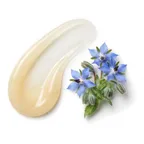 Borago Officinalis Oil
 Sodium Hyaluronate
 Retinyl Palmitate
 Tocopherol
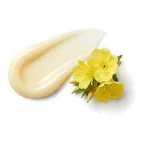 Oenothera Biennis Oil
High
- AverageNormal Skin Fit
- AverageEffectiveness
- HighSafety
One of the best nourishing masks for sensitive skin.
This fit is calculated for the concerns frequently associated with sensitive skin: redness, stinging, and reactions to new products. For scores and recommendations based on your full skin profile, including your 12D face scan results and any goals or preferences you have, please use the Lovi app.
Updated How the Fit score works
Lovi Assistant explains
- Offers high moisturizing benefits for your normal skin, as glycerin and sodium hyaluronate provide excellent hydration and plumping effects, while Vitamin A and C palmitates offer antioxidant protection.
- Tocopheryl acetate and various botanical oils like apricot and olive oil support skin barrier function and offer soothing properties beneficial for redness and irritation.
- The formulation is safe for your sensitive skin, containing no harsh ingredients and including soothing components like Vitamin A and C palmitates.
How to apply
- Could be used as part of your AM or PM routine. Start applying this creamy mask 3 times a week and move to daily use if your skin tolerates it well.
- Apply this creamy mask after cleansing and toner, but before your moisturizer or SPF.
- Gently spread a thin layer of the creamy mask onto your face, avoiding any rubbing to protect your delicate skin.
- Since your skin is sensitive, apply this creamy mask on completely dry skin for better comfort and tolerance.
- Do a patch test before your first use and always avoid the immediate eye area.
People Say
★4.6Overall rating based on 500+ reviewsThis mask is highly praised for its intense hydration and soothing properties, making it a favorite for dry, sensitive, and dehydrated skin types. Users often report waking up to softer, more supple skin, and it's frequently used as an overnight treatment to repair a compromised skin barrier. While many consider it a 'holy grail' for deep nourishment, some users with specific sensitivities or those preferring lighter textures have noted it can feel heavy or pill under makeup.
Highlights
Deeply hydrates skin Often Mentioned
- “My skin is smooth and hydrated in the mornings.”
- “It really locks in moisture for my extremely dry skin.”
- “Wake up with a subtle glow and no dryness.”
Softens skin texture Sometimes Noted
- “My face feels soft and supple in the morning.”
- “My skin feels so soft and smooth!”
- “Skin texture has become incredibly smooth.”
Soothes sensitive skin Sometimes Noted
- “It hydrates and works on sensitive skin.”
- “Helps calm my skin.”
- “Kept my skin from feeling excessively dry, irritated, and flaky.”
Versatile overnight use Sometimes Noted
- “Perfect for those lazy skincare nights!”
- “Absolutely perfect as a sleeping mask.”
- “I use this product every night.”
Pills under makeup Sometimes Noted
- “It pills under makeup, so strictly use it as a night treatment.”
- “If you apply too much, it seems to pill a bit.”
- “It pills like dead skin cells when used with other products.”
Difficult to remove Rarely Noted
- “It wouldn't wash away easily; I had to use a cleanser.”
- “Rinsing this mask off was the best part.”
Feels heavy Rarely Noted
- “For combination dehydrated skin, it feels a bit heavy.”
- “It is heavy and thick.”
- “This might be one of the thicker products in my collection.”
Potential irritation Rarely Noted
- “As soon as I applied it, my skin started tingling and burning.”
- “Even she complained about the tingling sensation.”
- “Some people with sensitive skin may experience a reaction.”
Sources: lovi.care, paulaschoice.com, skinsort.com, hwahae.com, influenster.com, youtube.com, and more
Questions and answers
What makes Paula's Choice Hydrating Treatment Mask a great fit for sensitive skin?
This mask is a great fit for sensitive skin because it contains soothing botanical oils and vitamin compounds that support the skin barrier while calming redness and irritation. It also provides rich hydration with ingredients like glycerin and sodium hyaluronate, all without any harsh components.
Clinical, Cosmetic and Investigational Dermatology, 2017Journal of Cosmetic Dermatology, 2013
Which ingredients make this mask a good fit for sensitive skin?
This mask is a great fit for sensitive skin because it contains soothing botanical oils like apricot and olive oil, along with vitamin A and C palmitates that help calm redness and irritation. It also features glycerin and sodium hyaluronate to keep your skin hydrated and comfortable without using harsh ingredients.
Clinical, Cosmetic and Investigational Dermatology, 2017Journal of Cosmetic Dermatology, 2013
What does Borage Seed Oil do for sensitive skin?
Borage seed oil helps calm sensitive skin by reducing irritation and supporting the skin barrier. It contains plant lipids that may soothe redness and keep dry areas feeling soft and smooth.
International Journal of Molecular Sciences, 2017The British Journal of Dermatology, 1996
What does Hyaluronic Acid do for sensitive skin?
Hyaluronic acid helps calm and hydrate sensitive skin while making it feel soft and smooth. It improves dryness and surface texture, and is unlikely to cause irritation.
Journal of Cosmetic Dermatology, 2018Journal of Drugs in Dermatology, 2025
Where does this mask go in a skincare routine for sensitive skin?
This nourishing mask goes into a weekly routine for sensitive skin after cleansing and exfoliating, and before applying your evening treatment and moisturizer. It is a great fit because it has a gentle, safe formulation with soothing botanical oils and vitamins that help calm redness and irritation.
Can I use this mask with niacinamide, and in what order?
Yes, you can use this mask alongside niacinamide as part of your routine. Apply your niacinamide product first, let it absorb, and then follow with this nourishing mask to lock in hydration and support your skin barrier.
How often should I use this mask?
You can use this mask once a week as part of your evening routine. Daily application of moisturizers helps improve hydration and supports skin barrier function.
Journal of Cosmetic Dermatology, 2020Health Science Reports, 2021
Can this mask clog pores, cause breakouts or purging for sensitive skin?
This mask is unlikely to clog pores or cause breakouts for sensitive skin, as it has a very low risk of irritation and is free of harsh ingredients. It helps keep skin calm and soft while supporting your natural skin barrier.
International Journal of Nanomedicine, 2021Journal of Cosmetic Dermatology, 2013
Is this mask fragrance-free and alcohol-free?
Yes, it has no fragrance and no drying alcohol. Cetearyl alcohol is a fatty alcohol, which soften the skin.
What the research says
A single application of a moisturizing fluid containing hyaluronic acid 1%, glycerin 5%, and Centella asiatica stem cells extract significantly increased skin hydration by 29% and reduced transepidermal water loss at 24 hours compared to baseline and an untreated control site in twenty healthy women.
Clinical, Cosmetic and Investigational Dermatology, 2017Retinyl palmitate ethosomal hydrogel reduced non-inflammatory and total acne lesion counts significantly better than marketed tretinoin while improving tolerability with minimal skin irritation in patients with acne vulgaris.
International Journal of Nanomedicine, 2021A vitamin A palmitate and antioxidant-containing oil-based moisturizer improved fine lines, wrinkles, pigmentation, tone, texture, dryness, firmness, and clarity across various body sites compared to a no-treatment group over 12 weeks.
Journal of Cosmetic Dermatology, 2013A topical serum containing vitamin C, vitamin E, and raspberry leaf cell culture extract improved skin color, elasticity, radiance, smoothness, scaliness, and wrinkles compared to the untreated contralateral side in fifty female volunteers.
Journal of Cosmetic Dermatology, 2020Cutaneous application of linoleic and gamma-linolenic acid triglycerides reduced the high rate of transepidermal water loss in essential fatty acid-deficient rats, whereas other fatty acid triglycerides had no effect.
The British Journal of Dermatology, 1976Topical application of gamma-linolenic acid suppressed testosterone-induced growth of hamster flank organs by inhibiting 5alpha-reductase without affecting 5alpha-dihydrotestosterone-dependent growth or causing systemic effects.
The Journal of Investigative Dermatology, 1997Topical application of 0.1% hyaluronic acid formulations of different molecular weights led to significant improvements in skin hydration and elasticity, with low-molecular-weight formulations also significantly reducing wrinkle depth in seventy-six female subjects compared to a vehicle control.
Journal of Drugs in Dermatology, 2011Topical hyaluronic acid serum used twice daily by 40 females with facial photoaging produced an immediate 134% increase in skin hydration, a sustained 55% increase at week 6, and significant improvements in smoothness, plumping, fine lines, wrinkles, and global appearance without causing irritation.
Dermatology and Therapy, 2021A topical antioxidant serum significantly reduced air pollution-induced skin pigmentation and proinflammatory gene expression ex vivo, and improved skin aging signs in 40 healthy adult females after 90 days of daily use.
Journal of Cosmetic Dermatology, 2022Topical bakuchiol 0.5% applied twice daily compared with retinol 0.5% applied daily significantly decreased wrinkle surface area and hyperpigmentation with no statistical difference between the compounds in 44 patients over 12 weeks, while retinol users reported more facial skin scaling and stinging.
The British Journal of Dermatology, 2019Topical 0.3% and 1% retinol comparably improved biomarkers of cutaneous photoageing in photoaged volunteers, while 0.3% retinol demonstrated better tolerance with fewer and milder adverse events compared to 1% retinol in a daily escalation regimen.
International Journal of Cosmetic Science, 2022Daily application of 0.3% and 0.5% retinol serums in 37 volunteers over 12 weeks reduced skin hyperpigmentation, unevenness, and wrinkles on both sides of the face, with the 0.5% concentration causing more frequent and intense skin irritation.
Skin Pharmacology and Physiology, 2020Topical application of an antioxidant serum containing 15% ascorbic acid, 0.5% ferulic acid, and 1% tocopherol prevented particulate matter-induced degradation of extracellular matrix components, inflammation, and oxidative stress in the skin of 15 female volunteers compared to untreated controls.
Journal of Cosmetic Dermatology, 2025Dermatological products containing d-alpha tocopheryl acetate showed non-comedogenic potential with less than a 50% increase in microcomedones in 12 healthy male subjects compared to octyl palmitate.
Contemporary Clinical Trials Communications, 2021Topical application of an antioxidant mix containing 15% ascorbic acid, 0.5% ferulic acid, and 1% tocopherol prevented PM and UV-induced skin barrier perturbation, lipid peroxidation, inflammatory markers, MMP9 activation, and Type I collagen loss in 15 healthy females compared to untreated exposed skin.
Journal of Cosmetic Dermatology, 2024Electrospun poly (vinyl butyral-co-vinyl alcohol-co-vinyl acetate) patches loaded with evening primrose oil applied to the forearm of volunteers for 6 hours increased skin moisture, with pore size, shape, and fiber diameter influencing oil transport.
Biomaterials Advances, 2022Combining poly(3-hydroxybutyrate-co-3-hydroxyvalerate) electrospun fibers with evening primrose oil into patches enhanced mechanical properties and increased skin hydration.
Journal of Materials Chemistry. B, 2022A topical preparation containing urea, sunflower oil, evening primrose oil, wheat germ oil, and sodium pyruvate led to clinical improvement after a month in diverse hyperkeratotic skin conditions except pityriasis lichenoides.
Medicina Cutanea Ibero-latino-americana, 1986
Ingredients
Retinyl Palmitate Vitamin A Palmitate, Phenoxyethanol, Cyclopentasiloxane, Tocopheryl Acetate, Glycerin, Cyclohexasiloxane, Cetearyl Glucoside, Hectorite, Ethylhexylglycerin, Water, Propylene Glycol Dicaprylate Dicaprate, Butylene Glycol, Sorbitan Stearate, Caprylic Capric Triglyceride, Cetearyl Alcohol, Glyceryl Monostearate, Dicaprylyl Ether, Ethyl Macadamiate, Glyceryl Behenate Eicosadioate, Borago Officinalis Seed Oil, Oenothera Biennis Oil, Prunus Armeniaca Oil Apricot Oil, Glycine Soja Soybean Sterols, Tocopherol, Tetrahexyldecyl Ascorbate, Ascorbyl Palmitate Vitamin C Palmitate, Sodium Hyaluronate, Sodium Dilauramidoglutamide Lysine, Sclerotium Gum, Caprylyl Glycol, Olea Europaea Oil Olive Oil, Linoleic Acid
Behind this fit score
Lovi calculates every fit score from the full ingredient list with brand-independent rules our dermatologists and cosmetic chemists build and review, and personalizes every pick with AI trained on the real results of millions of users. Lovi trains its fit score models on a proprietary dataset built from more than 10,000 expert-labeled products and more than 100,000 simulated examples, following an internally consistent methodology presented at Cosmoprof, AMWC, and Skin of Color Update.
-

Co-founder, Medical Director
Cosmetic chemist, cosmetologist, aesthetic products developer
-

Co-founder, CEO and CTO
PhD in computer science, 3x US patent holder, ex-Google, ex-Yandex
-

Dr. Sofía Perea Pérez, MD, MSc
Medical Board
Aesthetic medicine practitioner, MSc in Longevity and Anti-Aging Medicine
-

Medical Board
Specialist dermatologist, MBBS, MD, IFAAD
-

Medical Board
Cosmetic chemist, SCS, IFSCC member
-

Medical Board, Medical Advisor
Dermatology MD
-

Elina Nazarenko, MD
Medical Board
Dermatology and diagnostic consultant
-

Victoria Derkova, MS
Medical Board
Cosmetic chemist, cosmetic development technologist


How does it fit your skin?
Scan your face, then any product: Lovi shows how well it fits you and what fits even better.