
Papa Recipe Tea Tree Control Enzyme Powder Cleanser for acne-prone skin

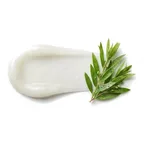 Melaleuca Alternifolia Tree Leaf Extract
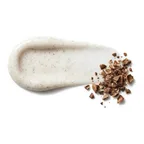 Juglans Regia Shell Powder
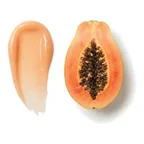 Papain
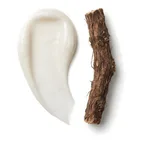 Allantoin
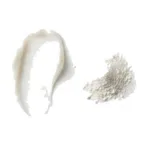 Sodium Cocoyl Isethionate
High
- HighCombination Skin Fit
- HighEffectiveness
- HighSafety
A great choice for acne-prone skin; a few products fit it even better.
This fit is calculated for the concerns frequently associated with acne-prone skin: breakouts, blackheads, and post-acne marks. For scores and recommendations based on your full skin profile, including your 12D face scan results and any goals or preferences you have, please use the Lovi app.
Updated How the Fit score works
Lovi Assistant explains
- Offers high suitability for your combination, acne-prone skin as papain and gluconolactone provide effective enzymatic and chemical exfoliation to clear pores and reduce breakouts.
- Allantoin and melaleuca alternifolia tree leaf extract offer soothing and antimicrobial benefits, complementing the cleansing action for clearer skin.
- The formula is safe for your skin, with no risks of irritation due to the absence of harsh ingredients.
Buy online

Prices checked 20 Nov 2026
The Lovi Fit is the same in every country; only the stores and prices differ, and the ones here are for India.
How to apply
- Use your enzyme powder cleanser as part of your PM weekly routine. Start by using it once a week and build up slowly if your skin is happy.
- Place this step after your regular cleanser and before applying your hydrating toner. Follow the weekly routine order for the best results.
- Mix the powder with a little water in your hands to create a soft foam. Gently massage onto your face and avoid rubbing too hard.
- Apply the enzyme powder cleanser on slightly damp skin to help activate the formula evenly. Make sure your face is clean before applying.
- Avoid the sensitive eye area during application. Do a patch test first and do not combine this with strong acids on the same night.
People Say
★4.6Overall rating based on 200+ reviewsThis gentle enzyme powder cleanser is widely praised by users with oily and acne-prone skin for its ability to exfoliate without stripping moisture, leaving the face feeling soft and smooth. While many enjoy the refreshing cooling sensation and calming effects on blemishes, some find the medicinal scent and packaging design less than ideal.
Highlights
Cooling sensation Often Mentioned
- “cooling effect is fantastic”
- “refreshing finish”
- “feels great on the skin”
Gentle exfoliation Often Mentioned
- “removes dead skin cells”
- “skin felt incredibly soft”
- “mildly exfoliates and soothes”
Non-stripping hydration Often Mentioned
- “moisturized without dryness”
- “leaves skin feeling silky”
- “doesn't dry skin too much”
Acne & oil control Sometimes Noted
- “blemishes noticeably improve”
- “great for acne prone skin”
- “helps balance oil”
Medicinal scent Sometimes Noted
- “fragrance turned out to be artificial”
- “unique scent... need to be careful”
- “smell is a bit strong”
Packaging issues Sometimes Noted
- “hole for this cleanser is too big”
- “pours just a bit too much”
- “feels I am wasting”
Expensive for quantity Rarely Noted
- “it's a bit pricey”
- “expensive... offer more promotions”
- “prefer the original version”
Occasional irritation Rarely Noted
- “tingling on blemishes”
- “irritates my eyes”
- “warming sensation can be intense”
Sources: lovi.care, oliveyoung.com, reddit.com, hwahae.co.kr, yesstyle.com, and more
Questions and answers
What makes Papa Recipe Tea Tree Control Enzyme Powder Cleanser a great fit for acne-prone skin?
Papa Recipe Tea Tree Control Enzyme Powder Cleanser is a great fit because papain and gluconolactone clear pores and reduce breakouts through gentle exfoliation. Allantoin and Melaleuca Alternifolia Tree Leaf Extract also help calm the skin and keep it clear with soothing and antimicrobial benefits.
The Australasian Journal of Dermatology, 1992Giornale Italiano Di Dermatologia E Venereologia, 2015
Which ingredients make this cleanser a good fit for acne-prone skin?
Papain and gluconolactone help clear pores and reduce breakouts through enzymatic and chemical exfoliation. Allantoin and Melaleuca Alternifolia Tree Leaf Extract also offer soothing and antimicrobial benefits for clearer skin.
The Australasian Journal of Dermatology, 1992Giornale Italiano Di Dermatologia E Venereologia, 2015
What does Tea Tree Leaf Extract do for acne-prone skin?
Tea Tree Leaf Extract helps clear acne and calm redness for oily or breakout-prone skin. Clinical studies show that it effectively reduces both inflamed and non-inflamed blemishes.
Indian Journal of Dermatology, Venereology and Leprology, 2007Clinical Pharmacology, 2018
What does Walnut Shell Powder do for acne-prone skin?
Walnut shell powder is too harsh and abrasive for acne-prone skin because it can cause micro-tears and worsen redness and inflammation. Acne-prone skin needs very gentle cleansers with soothing ingredients and mild surfactants that clean the skin without damaging the protective barrier.
Where does this cleanser go in a skincare routine for acne-prone skin?
This enzyme powder cleanser goes into your weekly routine, starting at once a week and used more often only if your skin handles it well. It works to clear pores and reduce breakouts on acne-prone skin using gentle exfoliating and soothing ingredients.
Can I use this cleanser with retinol, and in what order?
You can use this cleanser in the same routine as retinol, but it is best to use them on alternate days or times to keep your skin calm and avoid irritation. When using both, apply this cleanser first to clear pores, rinse thoroughly, and follow with your retinol treatment once the skin is dry.
American Family Physician, 2012Giornale Italiano Di Dermatologia E Venereologia, 2015
How often should I use this cleanser?
Use this enzyme powder cleanser once a week as part of your routine. People who tolerate it well and see good results may carefully use it more often.
Is this cleanser fragrance-free and alcohol-free?
Yes, it has no fragrance and no drying alcohol.
What the research says
Gluconolactone 14% solution significantly improved mild to moderate acne by reducing inflamed and non-inflamed lesions similarly to 5% benzoyl peroxide, but with fewer side-effects in 150 patients.
The Australasian Journal of Dermatology, 1992A fixed combination of hydroxypinacolone retinoate, retinol glycospheres, and papain glycospheres in aqueous gel applied once daily for 12 weeks achieved a 41% mean reduction in GAGS score and a 40.8% mean reduction in total lesions, with 15.3% of patients experiencing mild to moderate local side effects, in 94 evaluable patients with comedonal-papular, mild to moderate acne of the face.
Giornale Italiano Di Dermatologia E Venereologia, 2015Glycolic acid, salicylic acid, gluconolactone, and licochalcone A combined with 0.1% adapalene showed no hindrance compared to adapalene monotherapy and provided benefits in reducing complications in 25 subjects with mild-to-moderate acne vulgaris.
Clinical, Cosmetic and Investigational Dermatology, 2019Topical 5% tea tree oil gel significantly improved total acne lesions and acne severity index compared to placebo in 60 patients with mild to moderate acne vulgaris, showing 3.55 times and 5.75 times greater efficacy respectively.
Indian Journal of Dermatology, Venereology and Leprology, 2007Sodium cocoyl isethionate micelles are too large to penetrate stratum corneum aqueous pores, resulting in significant steric hindrance that prevents skin barrier perturbation and explains its skin mildness.
Journal of Cosmetic Science, 2007A cream combining propolis, tea tree oil, and Aloe vera reduced erythema scars, acne severity index, and total lesion count better than erythromycin cream in sixty patients with mild to moderate acne vulgaris compared to placebo.
Clinical Pharmacology, 2018Tea tree oil nanoemulsion containing adapalene gel demonstrated significantly greater reductions in total, inflammatory, and non-inflammatory acne lesions as well as acne severity index compared to adapalene marketed gel in 100 patients with acne vulgaris over 12 weeks.
Archives of Dermatological Research, 2022Melaleuca alternifolia essential oil and its nanoemulsion improved skin morphology, papillary depth, dermis echogenicity, and collagen fibers in 40 male participants compared to a vehicle formulation over 90 days, with the nanoemulsion achieving deeper skin layer penetration.
Photochemistry and Photobiology, 2023Topical papain treatment may slightly decrease pain within 30 minutes in humans stung by Chrysaora chinensis compared to placebo.
Wilderness & Environmental Medicine, 2016Incorporating 1, 2, and 5 percent papain into starch- and carboxymethyl cellulose-based films preserved proteolytic and skin exfoliation activity while improving mechanical properties and water solubility compared to control films, with immobilized enzyme maintaining stability for up to 90 days.
International Journal of Biological Macromolecules, 2023Exposure to a Kiperin Bromelain & Papain complex at 2.5 µg/mL increased cell viability, altered wound closure, decreased inflammation-related gene expression, and increased skin barrier/keratinization gene expression in CCD-18Co colon fibroblasts, HME-1 mammary epithelial cells, and HaCaT keratinocytes.
Scientific Reports, 2026The ThriveCo Bumps Eraser Kit increased skin hydration by 131.75%, reduced redness by 69.30%, decreased pigmentation by 35.77%, dropped itchiness by 92.63%, improved smoothness by 55.00%, reduced roughness by 148.54%, and decreased scaliness by 87.09% without adverse effects.
Cureus, 2025The combination of allantoin, bisabolol, D-panthenol and dipotassium glycyrrhizinate reduces UVB-induced PGE2, inflammatory cytokines, and mitochondrial superoxide in human epidermal keratinocytes.
International Journal of Cosmetic Science, 2024
Ingredients
Zea Mays Starch, Sodium Cocoyl Isethionate, Sodium Lauroyl Glutamate, Diglycerin, Sodium Cocoyl Glycinate, Juglans Regia Shell Powder, Allantoin, Menthol, Maltodextrin, Papain, Ci 77288, Water, Butylene Glycol, Gluconolactone, Glucose, 2-Hexanediol, Melaleuca Alternifolia Tree Leaf Extract, Glycerin, Strawberry Leaf Extract, Ganoderma Lucidum Extract Mushroom Extract, Lentinus Edodes Extract, Lactobacillus Ferment, Sparassis Crispa Extract, Trametes Versicolor Extract, Oenothera Biennis Flower Extract, Pueraria Lobata Root Extract, Pinus Palustris Leaf Extract, Ulmus Davidiana Root Extract, Prunus Amygdalus Dulcis Fruit Extract, Tremella Fuciformis Extract Mushroom Extract, Tabebuia Impetiginosa Bark Extract, Onion Bulb Extract, Ethylhexylglycerin
Behind this fit score
Lovi calculates every fit score from the full ingredient list with brand-independent rules our dermatologists and cosmetic chemists build and review, and personalizes every pick with AI trained on the real results of millions of users. Lovi trains its fit score models on a proprietary dataset built from more than 10,000 expert-labeled products and more than 100,000 simulated examples, following an internally consistent methodology presented at Cosmoprof, AMWC, and Skin of Color Update.
-

Co-founder, Medical Director
Cosmetic chemist, cosmetologist, aesthetic products developer
-

Co-founder, CEO and CTO
PhD in computer science, 3x US patent holder, ex-Google, ex-Yandex
-

Dr. Sofía Perea Pérez, MD, MSc
Medical Board
Aesthetic medicine practitioner, MSc in Longevity and Anti-Aging Medicine
-

Medical Board
Specialist dermatologist, MBBS, MD, IFAAD
-

Medical Board
Cosmetic chemist, SCS, IFSCC member
-

Medical Board, Medical Advisor
Dermatology MD
-

Elina Nazarenko, MD
Medical Board
Dermatology and diagnostic consultant
-

Victoria Derkova, MS
Medical Board
Cosmetic chemist, cosmetic development technologist


How does it fit your skin?
Scan your face, then any product: Lovi shows how well it fits you and what fits even better.