
No7 Restore & Renew Multi Action Eye Cream for oily acne-prone skin

 Retinyl Palmitate
 Ascorbyl Glucoside
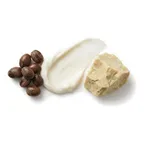 African Shea Butter
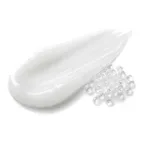 Palmitoyl Tetrapeptide-7
Average
- AverageOily Skin Fit
- AverageEffectiveness
- ExcellentSafety
Works for oily acne-prone skin; other eye cares fit it better.
This fit is calculated for the concerns frequently associated with oily acne-prone skin: shine, breakouts, blemishes, and enlarged pores. For scores and recommendations based on your full skin profile, including your 12D face scan results and any goals or preferences you have, please use the Lovi app.
Updated How the Fit score works
Lovi Assistant explains
- Offers moderate suitability for your oily skin due to glycerin providing humectant action, but it lacks sufficient ingredients for strong seboregulation to address your acne, blemishes, and breakouts.
- The product provides excellent moisturizing for the delicate eye area with glycerin and shea butter, which hydrate and smooth fine lines, but these ingredients are mostly supportive and irrelevant for your primary concerns.
- The safety profile is good, with no risks of irritation for your oily skin due to the absence of harsh ingredients and the presence of soothing components.
Buy online

Prices checked 20 Nov 2026
The Lovi Fit is the same in every country; only the stores and prices differ, and the ones here are for India.
People Say
★4.2Overall rating based on 400+ reviewsUsers with mature and dry skin frequently praise this cream for its rich hydration and ability to smooth fine lines, often noting it works well under makeup. A notable minority of users with sensitive skin report significant irritation, including burning and watery eyes, while others felt it did not deliver visible results for dark circles or deep wrinkles.
Highlights
Smooth absorption Mostly Mentioned
- “absorbs quickly”
- “non-greasy texture”
- “smooth application”
- “works well under makeup”
Effective hydration Often Mentioned
- “instantly nourished”
- “keeps skin hydrated”
- “rich but not heavy”
- “great for dry under-eyes”
Gentle for most Often Mentioned
- “soothing on skin”
- “no reaction”
- “gentle formula”
- “good for sensitive eyes”
Improves firmness Sometimes Noted
- “skin feels firmer”
- “looks lifted”
- “less crepey skin”
- “helps with puffiness”
No visible results Sometimes Noted
- “no difference in dark circles”
- “waste of money”
- “didn't help wrinkles”
- “no visible change”
Packaging issues Rarely Noted
- “hard to get out”
- “dispenses too much”
- “messy applicator”
- “tube splits”
Skin irritation reported Rarely Noted
- “burning sensation”
- “watery eyes”
- “caused redness”
- “stung my skin”
Sources: lovi.care, boots.com, ulta.com, walgreens.com, influenster.com, and more
Questions and answers
How well does No7 Restore & Renew Eye Cream work for oily acne-prone skin?
This eye cream works moderately for oily, acne-prone skin because it provides good moisture and hydration around the eyes, but it lacks enough targeted ingredients to control excess oil. A product of this type needs strong oil-controlling and soothing ingredients along with safe, non-heavy hydrators to properly fit oily, acne-prone skin.
Which ingredients make this cream a good fit for oily acne-prone skin?
Glycerin gives this eye cream moderate suitability for your oily skin by providing moisture, while retinyl palmitate helps address breakouts. To truly fit oily acne-prone skin, an eye care product needs powerful soothing ingredients to manage excess oil and blemishes alongside safe hydration.
International Journal of Nanomedicine, 2021Clinical, Cosmetic and Investigational Dermatology, 2017
What does Ascorbyl Glucoside do for oily acne-prone skin?
Ascorbyl glucoside helps brighten dark spots and protect the skin from sun damage while supporting a clearer complexion. A product of this type for oily acne-prone skin needs ingredients that control oil and soothe redness to keep the skin calm and smooth.
International Journal of Molecular Sciences, 2024Journal of Drugs in Dermatology, 2016
Where does this cream go in a skincare routine for oily acne-prone skin?
This eye cream goes after your toner and before your moisturizer in both your morning and evening routines, as eye care is applied right before heavier face hydration. It is safe for oily skin, but to better manage blemishes and breakouts, this skin type needs oil-controlling ingredients and targeted blemish-fighting actives.
Can I use this cream with niacinamide, and in what order?
You can use this cream alongside niacinamide by applying your niacinamide serum first and following with the eye cream once it absorbs. This product offers moderate suitability for oily skin, but an eye cream for oily acne-prone skin needs strong oil-controlling ingredients to properly address breakouts and blemishes.
How often should I use this cream?
You can use this eye cream daily to keep the delicate eye area soft and smooth. Because this product works for your oily skin only moderately and lacks strong blemish-controlling ingredients, oily and acne-prone skin needs a product with targeted oil-balancing ingredients to effectively manage breakouts.
Can this cream clog pores, cause breakouts or purging for oily acne-prone skin?
This cream is unlikely to clog pores or cause purging, but it may not do enough to clear up existing breakouts. To properly care for oily acne-prone skin, a product of this type needs targeted oil-controlling ingredients that help balance excess oil and keep blemishes under control.
International Journal of Nanomedicine, 2021Clinical, Cosmetic and Investigational Dermatology, 2017
Is this cream fragrance-free and alcohol-free?
Yes, it has no fragrance and no drying alcohol. Cetearyl alcohol is a fatty alcohol, which soften the skin.
What the research says
A single application of a moisturizing fluid containing hyaluronic acid 1%, glycerin 5%, and Centella asiatica stem cells extract significantly increased skin hydration by 29% and reduced transepidermal water loss at 24 hours compared to baseline and an untreated control site in twenty healthy women.
Clinical, Cosmetic and Investigational Dermatology, 2017Retinyl palmitate ethosomal hydrogel reduced non-inflammatory and total acne lesion counts significantly better than marketed tretinoin while improving tolerability with minimal skin irritation in patients with acne vulgaris.
International Journal of Nanomedicine, 2021Topical bakuchiol 0.5% applied twice daily compared with retinol 0.5% applied daily significantly decreased wrinkle surface area and hyperpigmentation with no statistical difference between the compounds in 44 patients over 12 weeks, while retinol users reported more facial skin scaling and stinging.
The British Journal of Dermatology, 2019Topical 0.3% and 1% retinol comparably improved biomarkers of cutaneous photoageing in photoaged volunteers, while 0.3% retinol demonstrated better tolerance with fewer and milder adverse events compared to 1% retinol in a daily escalation regimen.
International Journal of Cosmetic Science, 2022Daily application of 0.3% and 0.5% retinol serums in 37 volunteers over 12 weeks reduced skin hyperpigmentation, unevenness, and wrinkles on both sides of the face, with the 0.5% concentration causing more frequent and intense skin irritation.
Skin Pharmacology and Physiology, 2020Topical application of 5% vitamin C cream significantly improved global clinical scores, increased skin microrelief density, and induced elastic tissue repair in photoaged skin compared to excipient control in healthy female volunteers.
Experimental Dermatology, 2003Topical application of VC-IP cream twice daily for 8 weeks reduces periorbital wrinkles in female subjects compared to a placebo cream.
Journal of Cosmetic Dermatology, 2022Topical treatment with 5% vitamin C and 0.1% madecassoside significantly improved clinical scores for wrinkles, suppleness, firmness, roughness, and skin hydration, along with functional and structural remodeling of the elastic fiber network in 20 female volunteers with photoaged skin after 6 months compared to baseline.
Experimental Dermatology, 2008A skin barrier restoring cream with shea butter, silkflo, and vitamin E increased type I procollagen synthesis, enhanced antioxidant enzyme activity, decreased reactive oxygen species generation, and promoted hyaluronic acid production in H2O2-stimulated human keratinocyte cells compared to untreated cells.
International Journal of Cosmetic Science, 2025A multi-modal methodology combining MALDI-MSI, in vivo RCM, echography, and histology revealed age-related decreases in extracellular matrix and epidermal-dermal junction proteins and undulation depth, while a blend of palmitoyl oligopeptide and palmitoyl tetrapeptide-7 improved subepidermal low-echogenic band thickness, density, and extracellular matrix structure compared to placebo.
Journal of Cosmetic Dermatology, 2015
Why other eye cares fit oily acne-prone skin better
Topical UP256 cream containing 0.5% bakuchiol administered twice daily significantly reduced inflammatory lesions and improved acne-related post-inflammatory hyperpigmentation in 13 subjects with mild or moderate facial acne.
Journal of Drugs in Dermatology, 2021Sodium ascorbyl phosphate provides effective antimicrobial action, prevents sebum oxidation, and demonstrates superior clinical efficacy compared to a standard acne treatment in patients with acne vulgaris.
International Journal of Cosmetic Science, 2005Co-delivery of paeonol and madecassoside via nanoemulsions improved transdermal delivery, promoted barrier repair proteins, inhibited inflammatory cytokine secretion in cellular and 3D models, and reduced transepidermal water loss and acne in human facial skin compared to free components.
Molecules, 2023
Ingredients
Water, Glycerin, Isostearyl Isostearate, Cyclopentasiloxane, Cetearyl Alcohol, C12-15 Alkyl Benzoate, Cyclohexasiloxane, Butyrospermum Parkii Butter Shea Butter, Cetearyl Glucoside, Butylene Glycol, Dimethicone, Glyceryl Stearate, Peg-100 Stearate, Rosa Canina Oil Fruit, Carbomer, Phenoxyethanol, Methylparaben, Dimethiconol, Sodium Lauroyl Lactylate, Ethylparaben, Ascorbyl Glucoside, Retinyl Palmitate, Steareth-20, Diospyros Kaki Calyx Extract, Cholesterol, Potassium Hydroxide, Tetrasodium Edta, Lupinus Albus Seed Extract, Hesperidin Methyl Chalcone, Ceramide Np, Ethylhexylglycerin, Phytosphingosine, Ceramide 6 Ii, Chlorhexidine Digluconate, Xanthan Gum, N-Hydroxysuccinimide, Silica, Potassium Sorbate, Tocopherol, Sodium Citrate, Dipeptide-2, Palmitoyl Tripeptide-1, Palmitoyl Tetrapeptide-7, Chrysin, Citric Acid, Biotin, Ceramide 1
Behind this fit score
Lovi calculates every fit score from the full ingredient list with brand-independent rules our dermatologists and cosmetic chemists build and review, and personalizes every pick with AI trained on the real results of millions of users. Lovi trains its fit score models on a proprietary dataset built from more than 10,000 expert-labeled products and more than 100,000 simulated examples, following an internally consistent methodology presented at Cosmoprof, AMWC, and Skin of Color Update.
-

Co-founder, Medical Director
Cosmetic chemist, cosmetologist, aesthetic products developer
-

Co-founder, CEO and CTO
PhD in computer science, 3x US patent holder, ex-Google, ex-Yandex
-

Dr. Sofía Perea Pérez, MD, MSc
Medical Board
Aesthetic medicine practitioner, MSc in Longevity and Anti-Aging Medicine
-

Medical Board
Specialist dermatologist, MBBS, MD, IFAAD
-

Medical Board
Cosmetic chemist, SCS, IFSCC member
-

Medical Board, Medical Advisor
Dermatology MD
-

Elina Nazarenko, MD
Medical Board
Dermatology and diagnostic consultant
-

Victoria Derkova, MS
Medical Board
Cosmetic chemist, cosmetic development technologist


How does it fit your skin?
Scan your face, then any product: Lovi shows how well it fits you and what fits even better.