
NIVEA UV Deep Protect & Care Gel

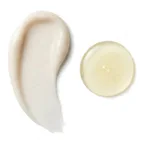 Ethylhexyl Methoxycinnamate
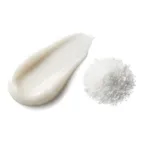 Diethylamino Hydroxybenzoyl Hexyl Benzoate
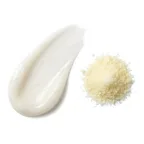 Bis-Ethylhexyloxyphenol Methoxyphenyl Triazine
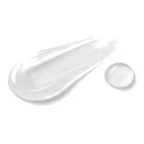 Sodium Hyaluronate
 Lonicera Japonica Flower Extract Honeysuckle Flower Extract
Ethylhexyl methoxycinnamate, bis-ethylhexyloxyphenol methoxyphenyl triazine, and hyaluronic acid protect against UV rays and hydrate the skin, so it suits oily skin, combination skin, acne-prone skin, and mature skin best. For skin that needs soothing, sunscreens with allantoin and centella get higher fit scores.
Each fit is calculated for the concerns frequently associated with that skin type. For scores and recommendations based on your full skin profile, including your 12D face scan results and goals, use the Lovi app.
Updated How the Fit score works
Where it fits best and least
Best fit High
Oily Skin, Combination Skin, Acne-Prone Skin, Mature Skin
One of the best sunscreens for oily skin.
Lowest fit Low
A weak match for dry skin.
- Offers moderate suitability for your dry skin as Sodium Hyaluronate provides some humectant action, but the inclusion of alcohol may exacerbate dryness and flakiness. Isopropyl Palmitate, a key emollient, is present in a lower concentration than ideal for fully addressing your dry skin concerns.
Other skin types
How to apply
- Apply this sunscreen during your AM routine every single day. Reapply every two hours if you are staying outdoors.
- Apply the sunscreen as the final step of your morning skincare routine after your moisturizer. Allow your moisturizer to absorb fully before putting it on.
- Squeeze a generous amount and pat it gently all over your face and neck. Avoid rubbing the product harshly into your skin.
- Avoid getting the product directly into your eyes and stop using it if any irritation occurs.
Questions and answers
What makes Nivea UV Deep Protect & Care Gel a great fit for oily skin?
This sunscreen is a great fit for oily skin because it uses alcohol and silica to control shine and keep your face matte. It also provides strong UV protection without harsh ingredients, making it very safe and unlikely to cause irritation.
Archives of Dermatological Research, 2024Journal of Cosmetic Science, 2008
How well does Nivea UV Deep Protect & Care Gel work for sensitive skin?
This product works for sensitive skin, though other sunscreens fit it better because it lacks specialized ingredients to calm redness and irritation. An ideal sunscreen for this skin needs gentle, mineral-based ingredients like zinc oxide and titanium dioxide to protect effectively without causing irritation.
Antioxidants, 2023International Journal of Biological Macromolecules, 2018
Why is Nivea UV Deep Protect & Care Gel a weak match for dry skin?
This sunscreen is a weak match for dry skin because it contains alcohol, which may dry out your skin, and a low amount of softening ingredients. A better sunscreen for dry skin needs rich moisturizing ingredients that deeply hydrate and protect without causing irritation.
Is this gel fragrance-free and alcohol-free?
It has no fragrance and contains drying alcohol (alcohol).
What makes Nivea UV Deep Protect & Care Gel a great fit for combination skin?
Nivea UV Deep Protect & Care Gel is a great fit because it protects your skin from the sun while absorbing excess oil to keep shiny areas matte. It also feels gentle on combination skin without causing irritation.
Journal of Cosmetic Science, 2008Skin Pharmacology and Physiology, 2018
How well does Nivea UV Deep Protect & Care Gel work for skin with dark spots?
This gel works okay for skin with dark spots, providing hydration and moderate sun protection, though it lacks specialized ingredients to fade dark spots. To better manage dark spots, a sunscreen of this type needs added ingredients like Vitamin C and soothing agents that specifically target pigmentation.
Why is Nivea UV Deep Protect & Care Gel a weak match for dry sensitive skin?
This product is a weak match for your dry sensitive skin because its alcohol content may cause irritation, while lacking enough softening ingredients to fully handle dryness. An effective sunscreen for this skin type needs soothing, gentle moisturizers and strong UV filters that protect without causing irritation.
Germs, 2021International Journal of Biological Macromolecules, 2018
What makes Nivea UV Deep Protect & Care Gel a great fit for acne-prone skin?
Nivea UV Deep Protect & Care Gel is a great fit because it helps calm the skin and keeps it hydrated with honeysuckle flower extract and rose water while providing sun protection safely without causing irritation. It is unlikely to trigger breakouts, as its UV filters do not negatively affect acne-related skin bacteria.
How well does Nivea UV Deep Protect & Care Gel work for oily acne-prone skin?
This product works reasonably well for oily acne-prone skin, providing sun protection and a matte finish while carrying a minor risk of irritation. However, it lacks targeted ingredients to actively manage breakouts. A sunscreen for this skin type needs lightweight, oil-controlling agents and soothing ingredients to calm blemishes.
What makes Nivea UV Deep Protect & Care Gel a great fit for mature skin?
Nivea UV Deep Protect & Care Gel is a great fit for mature skin because it contains sodium hyaluronate and rose water, which help hydrate and soothe the skin. While it provides good daily sun protection and general comfort, it may be less effective at directly targeting wrinkles and fine lines.
What the research says
Replacing 20% of the chemical UV filter octyl methoxycinnamate with urucum oil in solid lipid nanoparticles maintained the skin protection factor without inducing toxic responses or significant skin penetration in human volunteers.
Skin Pharmacology and Physiology, 2018The application of a sunscreen formulation containing ethylhexyl methoxycinnamate, ethylhexyl salicylate, methyl anthranilate, and octocrylene does not significantly affect critical acne-related species such as Cutibacterium acnes and Staphylococcus epidermidis, refuting the induction of facial dysbiosis in men.
Archives of Dermatological Research, 2024Encapsulation of ethylhexyl methoxycinnamate and butyl methoxydibenzoylmethane in lipid microparticles significantly reduced their in vivo human skin penetration compared to nonencapsulated filters.
Skin Pharmacology and Physiology, 2011Oral and dermal administration of Uvinul A plus resulted in three major urinary metabolites accounting for 52% of the oral dose, with a very low estimated daily systemic exposure of 8.1-9.3 μg/d in volunteers not intentionally exposed.
International Journal of Hygiene and Environmental Health, 2020Maximal topical applications of 6% bemotrizinol in a model sunscreen formulation did not result in meaningful systemic exposure in humans.
Regulatory Toxicology and Pharmacology, 2023Topical application of 0.1% hyaluronic acid formulations of different molecular weights led to significant improvements in skin hydration and elasticity, with low-molecular-weight formulations also significantly reducing wrinkle depth in seventy-six female subjects compared to a vehicle control.
Journal of Drugs in Dermatology, 2011Topical hyaluronic acid serum used twice daily by 40 females with facial photoaging produced an immediate 134% increase in skin hydration, a sustained 55% increase at week 6, and significant improvements in smoothness, plumping, fine lines, wrinkles, and global appearance without causing irritation.
Dermatology and Therapy, 2021A topical antioxidant serum significantly reduced air pollution-induced skin pigmentation and proinflammatory gene expression ex vivo, and improved skin aging signs in 40 healthy adult females after 90 days of daily use.
Journal of Cosmetic Dermatology, 2022Lonicera japonica and Citri Reticulatae Pericarpium Polyphenolic Extract (LCPE) reduces inflammation-mediating cytokines COX-2 and iNOS and inhibits NF-kB and MAPK pathways in lipopolysaccharide-induced skin keratinocytes.
Antioxidants, 2023Sweroside isolated from Lonicera japonica inhibited melanogenesis and decreased tyrosinase, TRP-1, and TRP-2 protein production in melan-a cells while activating Akt and ERK signaling pathways, and inhibited body pigmentation and tyrosinase activity in a zebrafish in vivo model.
Chemico-biological Interactions, 2015Flower buds of Lonicera japonica Thunb. and chlorogenic acid inhibit histamine production and the expression of 53-kDa HDC in a three-dimensional human keratinocyte culture.
Molecules, 2014Multilamellar liposomes containing octyl methoxycinnamate increased stratum corneum accumulation and reduced deeper skin penetration compared to conventional emulsions and small unilamellar liposomes in six volunteers, resulting in a slightly better sun protection factor.
Journal of Cosmetic Science, 2008The difference in dermatotoxicokinetic parameters between trans-EHMC and cis-EHMC isomers was not statistically significant when applied to the forearm skin of two volunteers.
Environmental Science and Pollution Research International, 2017Benzyl Alcohol, Benzoic Acid, and Sodium Benzoate can be used safely in cosmetic formulations at concentrations up to 5%, and Benzyl Alcohol is safe up to 10% in hair dyes, despite causing nonimmunologic contact reactions.
International Journal of Toxicology, 2001User awareness of alcohol-based hand sanitizer composition, proper use, and precautions helps ensure maximum efficacy against pathogens while preventing hazards such as skin irritation and toxicities.
Germs, 2021Hyaluronic acid-based formulations exhibit remarkable anti-wrinkle, anti-aging, and skin rejuvenating effects via soft tissue augmentation, improved skin hydration, and face volume restoration.
International Journal of Biological Macromolecules, 2018An ex-vivo spectrophotometric method estimated higher photoprotective effectiveness for topical sunscreens containing butyl methoxy dibenzoyl methane and octyl methoxycinnamate compared to results in humans.
International Journal of Cosmetic Science, 1995The incorporation of blue honeysuckle powder into cosmetic face masks resulted in stable emulsions that provided proper skin hydration and altered the physical properties of the masks.
Molecules, 2021Topical hyaluronic acid filler serum combined with Botulinum toxin type A lengthened the duration of the toxin's effect in reducing wrinkles compared to Botulinum toxin type A alone.
Dermatologic Therapy, 2022Chlorogenic acid treatment effectively rescued P. acnes-induced ear swelling and redness while downregulating inflammatory cytokines and inhibiting lipogenesis in a mouse model of skin inflammation.
Experimental Dermatology, 2021
Ingredients
Water, Alcohol, Ethylhexyl Methoxycinnamate, Butylene Glycol, Caprylyl Methicone, Diethylamino Hydroxybenzoyl Hexyl Benzoate, Isopropyl Palmitate, Bis-Ethylhexyloxyphenol Methoxyphenyl Triazine, Diisopropyl Sebacate, Ethylhexyl Triazone, Polysilicone-15, Silica Dimethyl Silylate, Lonicera Japonica Flower Extract Honeysuckle Flower Extract, Hydrolyzed Conchiolin Protein, Polianthes Tuberosa Polysaccharide, Rosa Damascena Flower Water, Sodium Hyaluronate, Pyrus Cydonia Seed Extract, Polymethylsilsesquioxane, Acrylates C10-30 Alkyl Acrylate Crosspolymer, Lauroyl Lysine, Hydroxypropyl Methylcellulose Stearoxy Ether, Sodium Dilauramidoglutamide Lysine, C30-45 Alkyl Methicone, C30-45 Olefin, Menthoxypropanediol, Phenoxyethanol, Sodium Hydroxide, Bht, Methylparaben
Behind these fit scores
Lovi calculates every fit score from the full ingredient list with brand-independent rules our dermatologists and cosmetic chemists build and review, and personalizes every pick with AI trained on the real results of millions of users. Lovi trains its fit score models on a proprietary dataset built from more than 10,000 expert-labeled products and more than 100,000 simulated examples, following an internally consistent methodology presented at Cosmoprof, AMWC, and Skin of Color Update.
-

Co-founder, Medical Director
Cosmetic chemist, cosmetologist, aesthetic products developer
-

Co-founder, CEO and CTO
PhD in computer science, 3x US patent holder, ex-Google, ex-Yandex
-

Dr. Sofía Perea Pérez, MD, MSc
Medical Board
Aesthetic medicine practitioner, MSc in Longevity and Anti-Aging Medicine
-

Medical Board
Specialist dermatologist, MBBS, MD, IFAAD
-

Medical Board
Cosmetic chemist, SCS, IFSCC member
-

Medical Board, Medical Advisor
Dermatology MD
-

Elina Nazarenko, MD
Medical Board
Dermatology and diagnostic consultant
-

Victoria Derkova, MS
Medical Board
Cosmetic chemist, cosmetic development technologist


How does it fit your skin?
Scan your face, then any product: Lovi shows how well it fits you and what fits even better.