
NIVEA UV Deep Protect & Care Gel for oily skin

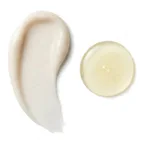 Ethylhexyl Methoxycinnamate
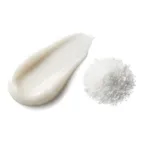 Diethylamino Hydroxybenzoyl Hexyl Benzoate
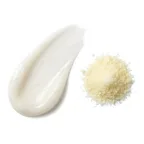 Bis-Ethylhexyloxyphenol Methoxyphenyl Triazine
 Sodium Hyaluronate
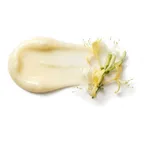 Lonicera Japonica Flower Extract Honeysuckle Flower Extract
High
- HighOily Skin Fit
- HighEffectiveness
- HighSafety
One of the best sunscreens for oily skin.
This fit is calculated for the concerns frequently associated with oily skin: shine, enlarged pores, blackheads, and blemishes. For scores and recommendations based on your full skin profile, including your 12D face scan results and any goals or preferences you have, please use the Lovi app.
Updated How the Fit score works
Lovi Assistant explains
- Highly suitable for your oily skin, this product utilizes Alcohol and Silica Dimethyl Silylate to effectively regulate sebum and provide a mattifying effect, addressing your concern with oily shine.
- The inclusion of ethylhexyl methoxycinnamate and bis-ethylhexyloxyphenol methoxyphenyl triazine offers excellent UV protection, further enhancing the product's functionality for your skin.
- The safety profile is excellent, with no risks of irritation for your oily skin due to the absence of prohibited or harsh ingredients.
How to apply
- Apply this sunscreen during your AM routine every single day. Reapply every two hours if you are staying outdoors.
- Apply the sunscreen as the final step of your morning skincare routine after your moisturizer. Allow your moisturizer to absorb fully before putting it on.
- Squeeze a generous amount and pat it gently all over your face and neck. Avoid rubbing the product harshly into your skin.
- Apply the sunscreen directly onto dry skin to ensure it forms an even and protective layer against the sun.
- Avoid getting the product directly into your eyes and stop using it if any irritation occurs.
Questions and answers
What makes Nivea UV Deep Protect & Care Gel a great fit for oily skin?
This sunscreen is a great fit for oily skin because it uses alcohol and silica to control shine and keep your face matte. It also provides strong UV protection without harsh ingredients, making it very safe and unlikely to cause irritation.
Archives of Dermatological Research, 2024Journal of Cosmetic Science, 2008
Which ingredients make this gel a good fit for oily skin?
This gel is a great fit for oily skin because alcohol and silica dimethyl silylate help control shine and leave a matte finish. Ethylhexyl methoxycinnamate and bis-ethylhexyloxyphenol methoxyphenyl triazine provide strong sun protection without irritation.
Archives of Dermatological Research, 2024Journal of Cosmetic Science, 2008
What does Octinoxate do for oily skin?
Octinoxate helps protect oily skin from UV rays without clogging pores or disrupting the skin's natural balance. It is unlikely to cause breakouts or make your face feel greasy, making it a safe choice for daily sun protection.
What does Diethylamino Hydroxybenzoyl Hexyl Benzoate do for oily skin?
Diethylamino Hydroxybenzoyl Hexyl Benzoate helps protect oily skin from UV rays as a chemical sunscreen filter. It has a good safety profile and is unlikely to cause irritation when used in sunscreens.
Where does this gel go in a skincare routine for oily skin?
This gel is used as the final step in your morning skincare routine after your moisturizer, providing broad sun protection and keeping oily shine under control.
Can I use Nivea UV Deep Protect & Care Gel with retinol, and in what order?
Yes, you can use Nivea Nivea UV Deep Protect & Care Gel with retinol by applying retinol first and this product last in your morning routine. This product is a great fit for your oily skin, as it provides reliable sun protection while helping to control shine without causing irritation.
How often should I use this gel?
Apply this sunscreen every morning as the final step of your daytime routine to protect against UV rays and control oily shine. It is very gentle and safe for daily use on oily skin without causing irritation.
Can Nivea UV Deep Protect & Care Gel clog pores, cause breakouts or purging for oily skin?
This product is unlikely to clog pores or cause breakouts for oily skin because it has a very safe formula with no harsh or prohibited ingredients. It also uses alcohol and silica to help control oily shine.
Is this gel fragrance-free and alcohol-free?
It has no fragrance and contains drying alcohol (alcohol).
What the research says
Multilamellar liposomes containing octyl methoxycinnamate increased stratum corneum accumulation and reduced deeper skin penetration compared to conventional emulsions and small unilamellar liposomes in six volunteers, resulting in a slightly better sun protection factor.
Journal of Cosmetic Science, 2008Replacing 20% of the chemical UV filter octyl methoxycinnamate with urucum oil in solid lipid nanoparticles maintained the skin protection factor without inducing toxic responses or significant skin penetration in human volunteers.
Skin Pharmacology and Physiology, 2018The application of a sunscreen formulation containing ethylhexyl methoxycinnamate, ethylhexyl salicylate, methyl anthranilate, and octocrylene does not significantly affect critical acne-related species such as Cutibacterium acnes and Staphylococcus epidermidis, refuting the induction of facial dysbiosis in men.
Archives of Dermatological Research, 2024Encapsulation of ethylhexyl methoxycinnamate and butyl methoxydibenzoylmethane in lipid microparticles significantly reduced their in vivo human skin penetration compared to nonencapsulated filters.
Skin Pharmacology and Physiology, 2011The difference in dermatotoxicokinetic parameters between trans-EHMC and cis-EHMC isomers was not statistically significant when applied to the forearm skin of two volunteers.
Environmental Science and Pollution Research International, 2017An ex-vivo spectrophotometric method estimated higher photoprotective effectiveness for topical sunscreens containing butyl methoxy dibenzoyl methane and octyl methoxycinnamate compared to results in humans.
International Journal of Cosmetic Science, 1995Oral and dermal administration of Uvinul A plus resulted in three major urinary metabolites accounting for 52% of the oral dose, with a very low estimated daily systemic exposure of 8.1-9.3 μg/d in volunteers not intentionally exposed.
International Journal of Hygiene and Environmental Health, 2020Maximal topical applications of 6% bemotrizinol in a model sunscreen formulation did not result in meaningful systemic exposure in humans.
Regulatory Toxicology and Pharmacology, 2023Topical application of 0.1% hyaluronic acid formulations of different molecular weights led to significant improvements in skin hydration and elasticity, with low-molecular-weight formulations also significantly reducing wrinkle depth in seventy-six female subjects compared to a vehicle control.
Journal of Drugs in Dermatology, 2011Topical hyaluronic acid serum used twice daily by 40 females with facial photoaging produced an immediate 134% increase in skin hydration, a sustained 55% increase at week 6, and significant improvements in smoothness, plumping, fine lines, wrinkles, and global appearance without causing irritation.
Dermatology and Therapy, 2021A topical antioxidant serum significantly reduced air pollution-induced skin pigmentation and proinflammatory gene expression ex vivo, and improved skin aging signs in 40 healthy adult females after 90 days of daily use.
Journal of Cosmetic Dermatology, 2022Lonicera japonica and Citri Reticulatae Pericarpium Polyphenolic Extract (LCPE) reduces inflammation-mediating cytokines COX-2 and iNOS and inhibits NF-kB and MAPK pathways in lipopolysaccharide-induced skin keratinocytes.
Antioxidants, 2023Sweroside isolated from Lonicera japonica inhibited melanogenesis and decreased tyrosinase, TRP-1, and TRP-2 protein production in melan-a cells while activating Akt and ERK signaling pathways, and inhibited body pigmentation and tyrosinase activity in a zebrafish in vivo model.
Chemico-biological Interactions, 2015Flower buds of Lonicera japonica Thunb. and chlorogenic acid inhibit histamine production and the expression of 53-kDa HDC in a three-dimensional human keratinocyte culture.
Molecules, 2014
Ingredients
Water, Alcohol, Ethylhexyl Methoxycinnamate, Butylene Glycol, Caprylyl Methicone, Diethylamino Hydroxybenzoyl Hexyl Benzoate, Isopropyl Palmitate, Bis-Ethylhexyloxyphenol Methoxyphenyl Triazine, Diisopropyl Sebacate, Ethylhexyl Triazone, Polysilicone-15, Silica Dimethyl Silylate, Lonicera Japonica Flower Extract Honeysuckle Flower Extract, Hydrolyzed Conchiolin Protein, Polianthes Tuberosa Polysaccharide, Rosa Damascena Flower Water, Sodium Hyaluronate, Pyrus Cydonia Seed Extract, Polymethylsilsesquioxane, Acrylates C10-30 Alkyl Acrylate Crosspolymer, Lauroyl Lysine, Hydroxypropyl Methylcellulose Stearoxy Ether, Sodium Dilauramidoglutamide Lysine, C30-45 Alkyl Methicone, C30-45 Olefin, Menthoxypropanediol, Phenoxyethanol, Sodium Hydroxide, Bht, Methylparaben
Behind this fit score
Lovi calculates every fit score from the full ingredient list with brand-independent rules our dermatologists and cosmetic chemists build and review, and personalizes every pick with AI trained on the real results of millions of users. Lovi trains its fit score models on a proprietary dataset built from more than 10,000 expert-labeled products and more than 100,000 simulated examples, following an internally consistent methodology presented at Cosmoprof, AMWC, and Skin of Color Update.
-

Co-founder, Medical Director
Cosmetic chemist, cosmetologist, aesthetic products developer
-

Co-founder, CEO and CTO
PhD in computer science, 3x US patent holder, ex-Google, ex-Yandex
-

Dr. Sofía Perea Pérez, MD, MSc
Medical Board
Aesthetic medicine practitioner, MSc in Longevity and Anti-Aging Medicine
-

Medical Board
Specialist dermatologist, MBBS, MD, IFAAD
-

Medical Board
Cosmetic chemist, SCS, IFSCC member
-

Medical Board, Medical Advisor
Dermatology MD
-

Elina Nazarenko, MD
Medical Board
Dermatology and diagnostic consultant
-

Victoria Derkova, MS
Medical Board
Cosmetic chemist, cosmetic development technologist


How does it fit your skin?
Scan your face, then any product: Lovi shows how well it fits you and what fits even better.