
NATURIUM Multi-Peptide Advanced Serum for acne-prone skin

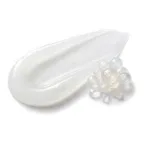 Multi-Peptide Blend
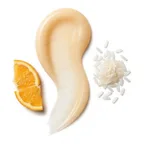 Ferulic Acid
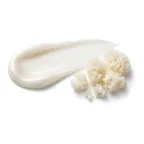 Hydrolyzed Collagen
 Squalane
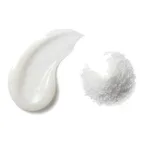 Acetyl Hexapeptide-8
Average
- AverageCombination Skin Fit
- AverageEffectiveness
- HighSafety
Works for acne-prone skin; other serums fit it better.
This fit is calculated for the concerns frequently associated with acne-prone skin: breakouts, blackheads, and post-acne marks. For scores and recommendations based on your full skin profile, including your 12D face scan results and any goals or preferences you have, please use the Lovi app.
Updated How the Fit score works
Lovi Assistant explains
- Offers moderate suitability for your combination skin as Ferulic Acid and Glycerin provide antioxidant activity and humectant action, but it lacks sufficient ingredients for optimal oil control on your oily areas.
- The serum provides general skincare benefits, such as hydration and soothing, for acne and blemishes due to the presence of Glycerin and Squalane.
- The product is safe for your combination skin with no risks of irritation due to the absence of harsh ingredients and the presence of soothing ingredients like sunflower extract and rosemary leaf extract.
Buy online

Prices checked 20 Nov 2026
The Lovi Fit is the same in every country; only the stores and prices differ, and the ones here are for India.
How to apply
- Use your serum as part of your PM routine and start 3x/week before working up to daily use.
- Apply this treatment after cleansing and toner, and before your moisturizer.
- Gently press 2-3 drops of the serum into your skin and let it absorb for a minute.
- Apply the product on clean, dry skin to help manage your breakouts safely.
- Avoid the eye area and do a patch test before your first use.
People Say
★4.4Overall rating based on 400+ reviewsUsers with dry, mature, and sensitive skin frequently praise this serum for its ability to visibly plump fine lines and deliver a "glass-skin" radiance without irritation. Many report smoother texture and improved hydration, while a minority of users experienced breakouts or frustration with the packaging design.
Highlights
Elegant texture Often Mentioned
- “silky application”
- “absorbs quickly”
- “layers well”
- “non-sticky finish”
Hydrating and plumping Often Mentioned
- “deeply moisturizing”
- “skin feels bouncy”
- “lightweight hydration”
- “non-greasy feel”
Improves skin texture Often Mentioned
- “smoother complexion”
- “softer skin”
- “reduces roughness”
- “glass-like finish”
Great value Sometimes Noted
- “affordable price”
- “high-quality ingredients”
- “beats expensive brands”
- “good size”
Visible anti-aging Sometimes Noted
- “fine lines softened”
- “firmer appearance”
- “youthful glow”
- “less tired-looking”
Poor pump design Sometimes Noted
- “pump stops working”
- “hard to dispense”
- “product left at bottom”
- “cap breaks easily”
Caused breakouts Rarely Noted
- “cystic acne”
- “small bumps”
- “clogged pores”
- “skin reaction”
Runs out quickly Rarely Noted
- “bottle empties fast”
- “small quantity”
- “opaque bottle hides level”
- “used up in weeks”
Skin irritation Rarely Noted
- “stinging sensation”
- “burning upon application”
- “redness”
- “sensitivity flare-up”
Sources: lovi.care, naturium.com, space nk.com, target.com, ulta.com, reddit.com, and more
Questions and answers
How well does Naturium Multi-Peptide work for acne-prone skin?
Naturium Multi-Peptide Advanced Serum works moderately well for acne-prone skin, providing hydration and soothing benefits through ingredients like glycerin and squalane while carrying no risk of irritation. However, it lacks sufficient ingredients for optimal oil control on oily areas. A product of this type needs effective ingredients like niacinamide and zinc PCA to provide excellent benefits for breakouts while controlling oiliness and keeping combination skin balanced.
Which ingredients make this serum a good fit for acne-prone skin?
Glycerin and squalane help make this serum a good fit for acne-prone skin by providing hydration and soothing benefits. To work best for this skin type, a treatment of this kind also needs oil-controlling ingredients like niacinamide and zinc pca.
What do Peptides do for acne-prone skin?
Peptides help acne-prone skin by fighting acne-causing bacteria and calming redness and swelling. They may also support the skin barrier, which is often delicate when you deal with breakouts.
What does Ferulic Acid do for acne-prone skin?
Ferulic acid helps calm redness and fade dark spots left behind by breakouts while supporting overall skin recovery. It is commonly paired with antioxidants like vitamin C to protect acne-prone skin from daily environmental stress and reduce the likelihood of stubborn marks.
The Journal of Clinical and Aesthetic Dermatology, 2025Journal of Drugs in Dermatology, 2024
Where does this serum go in a skincare routine for acne-prone skin?
This serum fits into an evening routine for acne-prone skin, though a product of this type needs more oil-controlling ingredients to be a great fit for this skin.
Can I use it with retinol, and in what order?
You can use this treatment with retinol by applying the retinol first, letting it absorb, and then following with this serum. This product helps hydrate and soothe acne-prone skin safely, though this skin type also needs ingredients for oil control.
How often should I use this serum?
Apply this serum in your evening routine, starting once a week and gradually increasing frequency if your skin tolerates it well. To work best for acne-prone skin, this type of product needs added oil-controlling and balancing ingredients to manage excess shine while delivering hydration and soothing care.
Can it clog pores, cause breakouts or purging for acne-prone skin?
This serum is unlikely to cause breakouts for acne-prone skin because it has a safe formula with soothing ingredients, though a few reviewers have reported pimples. To work best for breakout-prone skin, this type of product needs targeted oil-control ingredients.
Is this serum fragrance-free and alcohol-free?
Yes, it has no fragrance and no drying alcohol. Cetyl alcohol is a fatty alcohol, which soften the skin.
What the research says
A single application of a moisturizing fluid containing hyaluronic acid 1%, glycerin 5%, and Centella asiatica stem cells extract significantly increased skin hydration by 29% and reduced transepidermal water loss at 24 hours compared to baseline and an untreated control site in twenty healthy women.
Clinical, Cosmetic and Investigational Dermatology, 2017Treatment with 14% ferulic acid and 12% l-ascorbic acid significantly reduced pigmentation and erythema while improving hydration and elasticity in 20 women with photoaged skin, with neither acid proving definitively more effective overall though ascorbic acid showed slightly greater skin lightening.
Dermatologic Therapy, 2022Pretreatment with a topical antioxidant mixture of vitamin C, ferulic acid, and phloretin attenuated ultraviolet-induced sunburn cell formation, thymine dimer formation, matrix metalloproteinase-9 expression, p53 protein expression, and the suppression of CD1a-expressing Langerhans cells in human skin compared to vehicle control.
Journal of Cosmetic Dermatology, 2008A topical antioxidant solution of 15% L-ascorbic acid, 1% alpha-tocopherol, and 0.5% ferulic acid provides significant photoprotection against solar-simulated UV radiation in human skin compared to its vehicle.
Journal of the American Academy of Dermatology, 2008Topical ferulic acid-containing formulations effectively reduce skin erythema, hyperpigmentation, and signs of aging in adults compared to baseline or alternative conditions.
The Journal of Clinical and Aesthetic Dermatology, 2025Ferulic acid combined with UV filters increased the in vivo SPF by 37% and the UVA-PF by 26% while demonstrating good skin biocompatibility and a satisfactory safety profile.
Journal of Photochemistry and Photobiology. B, Biology, 2018Topical application of TAC/Collagen postbiotics gel improved skin moisture score and inflammation index, and reduced porphyrins and brown spots in 20 volunteers with acne vulgaris.
Journal of Cosmetic Dermatology, 2022Topical collagen tripeptide application improved skin wrinkles, elasticity, and density while reducing advanced glycated end products in 22 Asian women over 4 weeks.
International Journal of Molecular Sciences, 2022Marine collagen extracted from Greenland halibut skin showed a non-cytotoxic effect on fibroblast cells and provided a slight skin hydration effect when incorporated into cosmetic hydrogel formulations at dosages of 0.1, 0.25, and 0.5% in 23 healthy volunteers.
Marine Drugs, 2023Application of fullerene-C60 dissolved in squalane cream twice daily for 8 weeks significantly enhanced skin moisture and reduced wrinkle formation compared to placebo in 23 Japanese women without severe side effects.
Journal of Nanoscience and Nanotechnology, 2010Squalane at 0.005-0.015% counteracts UVA-induced oxidative stress, inflammation, and collagen metabolism inhibition while stimulating fibroblast migration in human dermal fibroblasts.
Molecules, 2025Plant-derived squalane protected human dermal fibroblasts against UVA-induced damage by counteracting ROS formation, suppressing apoptosis-related proteins p53, caspase-3, caspase-9, and PARP, and restoring the pro-survival p-Akt/mTOR pathway.
Antioxidants, 2025Treatment with cross-linked hyaluronic acid-based microneedle patches combined with acetyl hexapeptide-8 or epidermal growth factor significantly improved wrinkles and skin hydration compared to the patch alone in Korean females over 29 days.
Annals of Dermatology, 2019Argireline treatment twice daily for 4 weeks produced a significant anti-wrinkle effect with 48.9% total efficacy and decreased skin roughness in Chinese subjects compared with 0% efficacy and no decrease in roughness in the placebo group.
American Journal of Clinical Dermatology, 2013Acetyl hexapeptide-3 and tripeptide-10 citrulline demonstrated antiwrinkle efficacy and decreased transepidermal water loss in twenty-four healthy volunteers compared to control groups, though synergistic effects between the two peptides remained unclear.
Journal of Cosmetic Dermatology, 2017
Why other serums fit acne-prone skin better
A cream combining propolis, tea tree oil, and Aloe vera reduced erythema scars, acne severity index, and total lesion count better than erythromycin cream in sixty patients with mild to moderate acne vulgaris compared to placebo.
Clinical Pharmacology, 2018Co-delivery of paeonol and madecassoside via nanoemulsions improved transdermal delivery, promoted barrier repair proteins, inhibited inflammatory cytokine secretion in cellular and 3D models, and reduced transepidermal water loss and acne in human facial skin compared to free components.
Molecules, 2023
Ingredients
Water, Propanediol, Caprylic Capric Triglyceride, Isopentyldiol, Ethylhexyl Polyhydroxystearate, Squalane, Tetradecane, Glyceryl Stearate Citrate, Butyrospermum Parkii Butter Shea Butter, Polyglyceryl-3 Stearate, Helianthus Annuus Extract Sunflower Extract, Rice Bran Extract, Mannitol, Phosphatidylcholine, Ferulic Acid, Arginine, Acetyl Hexapeptide-8, Copper Palmitoyl Heptapeptide-14, Palmitoyl Sh-Hexapeptide-13 Serine Sp Amide, Hydrolyzed Collagen, Rosmarinus Officinalis Leaf Extract Rosemary Leaf Extract, Lactic Acid Glycolic Acid Copolymer, Glycerin, Tocopherol, Pullulan, Lysolecithin, Sclerotium Gum, Hydroxyethyl Acrylate Sodium Acryloyldimethyl Taurate Copolymer, Dimethicone, Sodium Phytate, Diglycerin, Hydrogenated Lecithin, Silica, Cetyl Alcohol, Hydroxyacetophenone, Polysorbate 60, Sorbitan Isostearate, Sodium Hydroxide, Sodium Benzoate, Potassium Sorbate, Polyvinyl Alcohol, Decyl Glucoside, Xanthan Gum, Tocopheryl Acetate, Sodium Chloride, Citric Acid, Phenoxyethanol
Behind this fit score
Lovi calculates every fit score from the full ingredient list with brand-independent rules our dermatologists and cosmetic chemists build and review, and personalizes every pick with AI trained on the real results of millions of users. Lovi trains its fit score models on a proprietary dataset built from more than 10,000 expert-labeled products and more than 100,000 simulated examples, following an internally consistent methodology presented at Cosmoprof, AMWC, and Skin of Color Update.
-

Co-founder, Medical Director
Cosmetic chemist, cosmetologist, aesthetic products developer
-

Co-founder, CEO and CTO
PhD in computer science, 3x US patent holder, ex-Google, ex-Yandex
-

Dr. Sofía Perea Pérez, MD, MSc
Medical Board
Aesthetic medicine practitioner, MSc in Longevity and Anti-Aging Medicine
-

Medical Board
Specialist dermatologist, MBBS, MD, IFAAD
-

Medical Board
Cosmetic chemist, SCS, IFSCC member
-

Medical Board, Medical Advisor
Dermatology MD
-

Elina Nazarenko, MD
Medical Board
Dermatology and diagnostic consultant
-

Victoria Derkova, MS
Medical Board
Cosmetic chemist, cosmetic development technologist


How does it fit your skin?
Scan your face, then any product: Lovi shows how well it fits you and what fits even better.