
MISSHA Vita C Plus Spot Correcting & Firming Ampoule for oily acne-prone skin

 Ascorbic Acid
 Niacinamide
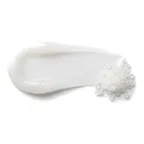 Tranexamic Acid
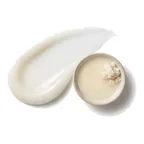 Bifida Lysate Ferment
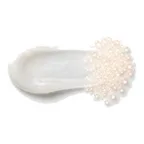 Liposome Formula
High
- HighOily Skin Fit
- HighEffectiveness
- ExcellentSafety
A great choice for oily acne-prone skin; a few serums fit it even better.
This fit is calculated for the concerns frequently associated with oily acne-prone skin: shine, breakouts, blemishes, and enlarged pores. For scores and recommendations based on your full skin profile, including your 12D face scan results and any goals or preferences you have, please use the Lovi app.
Updated How the Fit score works
Lovi Assistant explains
- Offers excellent treatment for brightening and evening skin tone, as 3-O-Ethyl Ascorbic Acid and Tranexamic Acid work synergistically to address hyperpigmentation and promote a more uniform complexion for your oily skin. Niacinamide further supports oil regulation and antioxidant effects, directly benefiting your concerns with acne, blemishes, and breakouts.
- The inclusion of licorice root extract and allantoin provides soothing benefits, ensuring comfort and minimizing potential irritation for your oily skin.
- The product demonstrates a high safety profile with no risks of irritation due to the absence of harsh ingredients and the presence of beneficial soothing components.
Buy online


Prices checked 20 Nov 2026
The Lovi Fit is the same in every country; only the stores and prices differ, and the ones here are for India.
How to apply
- Could be used as part of your PM routine. Start 3 times a week and build up to daily use if your skin tolerates it well.
- Apply your serum after cleansing and toning, but before putting on your moisturizer.
- Gently press 2 to 3 drops of the serum into your skin and let it absorb for a minute.
- Apply the serum on clean, dry skin to help manage your blemishes safely.
- Do a patch test before your first use and avoid the delicate eye area.
People Say
★4.8Overall rating based on 200+ reviewsUsers with dull, aging, or hyperpigmented skin frequently praise this ampoule for its ability to brighten the complexion and fade dark spots without causing irritation. Many reviewers report that the product provides a "healthy glow" and significant hydration, leaving skin feeling plumper and smoother, though results regarding deep wrinkles or old scars can take time.
Highlights
Effective brightening Mostly Mentioned
- “brightened skin... with every other day use”
- “dark spots on my face... getting lighter”
- “makes me glow in the morning”
Gentle formula Often Mentioned
- “gentle and non-irritating”
- “didn't break me out”
- “no stinging or discomfort”
Hydrating texture Often Mentioned
- “hydrates and moisturizes well”
- “skin feels more supple”
- “plumps up fine lines”
Fast absorption Sometimes Noted
- “absorbs quickly without leaving skin feeling too sticky”
- “light, runny and so easy to spread”
- “non greasy”
Sticky finish Sometimes Noted
- “bit sticky but absorbable”
- “slight tackiness”
- “sticky at first”
Scent sensitivity Rarely Noted
- “strong vitamin C smell”
- “not too fond of the scent”
- “smell... unremarkable”
Skin reactions Rarely Noted
- “made my entire face break out in hives”
- “developed pimples”
- “clogging my pores”
Slow results Rarely Noted
- “didn't notice significant brightening”
- “need to finish the bottle before I can see full potential”
- “yet to see the full result”
Sources: lovi.care, iherb.com, sokoglam.com, yesstyle.com, target.com, kbeautynotes.com, and more
Questions and answers
What makes MISSHA Vita C Plus Ampoule a great fit for oily acne-prone skin?
MISSHA Vita C Plus Spot Correcting & Firming Ampoule is a great fit because vitamin C and tranexamic acid help brighten dark spots while niacinamide supports oil regulation for clearer skin. Licorice root extract and allantoin also provide soothing benefits to keep oily skin comfortable and calm.
The British Journal of Dermatology, 2002Journal of Cosmetic Dermatology, 2020
Which ingredients make this serum a good fit for oily acne-prone skin?
This serum is a great fit because 3-O-Ethyl Ascorbic Acid and tranexamic acid help brighten dark spots while niacinamide supports oil regulation to manage breakouts. Licorice root extract and allantoin also help soothe your skin and keep it comfortable without irritation.
The British Journal of Dermatology, 2002Journal of Cosmetic Dermatology, 2020
What does Vitamin C do for oily acne-prone skin?
Vitamin C helps brighten skin and fade dark spots left by breakouts while smoothing out texture. It is a good fit for oily skin, though an average or weak fit product for this skin type also needs ingredients that control excess oil and soothe redness.
Journal of Cosmetic Dermatology, 2020Journal of Cosmetic Dermatology, 2023
What does Niacinamide do for oily acne-prone skin?
Niacinamide helps balance oil production, calms redness, and is unlikely to irritate oily, acne-prone skin while improving blemishes. Clinical tests show it reduces excess oil and helps clear up both inflammatory and non-inflammatory acne breakouts.
Journal of Cosmetic and Laser Therapy, 2006Journal of Cosmetic Dermatology, 2024
Where does this serum go in a skincare routine for oily acne-prone skin?
This treatment goes in the evening routine after cleansing and before moisturizing. Putting it in the evening helps keep your routine simple and adds safety around sun exposure.
Can I use this serum with retinol, and in what order?
Use this vitamin C treatment and retinol apart: in different sessions of the same day or on different days. This helps minimize potential irritation while still brightening your skin and managing breakouts.
The British Journal of Dermatology, 2002Journal of Cosmetic Dermatology, 2020
How often should I use this serum?
You can use this treatment in the evening as part of your routine. It is a great fit for your oily acne-prone skin and helps brighten dark spots while keeping oil balanced.
The British Journal of Dermatology, 2002Journal of Cosmetic Dermatology, 2020
Can this serum clog pores, cause breakouts or purging for oily acne-prone skin?
This serum is unlikely to clog pores or cause breakouts on oily acne-prone skin, as it features a high safety profile with soothing ingredients like licorice root extract and allantoin to help keep skin calm. Niacinamide also supports oil regulation to help prevent blemishes.
The British Journal of Dermatology, 2002Colloids and Surfaces. B, Biointerfaces, 2020
Is this serum fragrance-free and alcohol-free?
Yes, it has no fragrance and no drying alcohol.
What the research says
Niacinamide significantly decreased hyperpigmentation and increased skin lightness compared with vehicle alone after 4 weeks of use in women by inhibiting melanosome transfer.
The British Journal of Dermatology, 2002A topical serum containing vitamin C, vitamin E, and raspberry leaf cell culture extract improved skin color, elasticity, radiance, smoothness, scaliness, and wrinkles compared to the untreated contralateral side in fifty female volunteers.
Journal of Cosmetic Dermatology, 2020Ammonium glycyrrhizinate-loaded ultradeformable liposomes decreased skin inflammation in healthy human volunteers when compared to standard delivery.
Colloids and Surfaces. B, Biointerfaces, 2020Topical application of 5% vitamin C cream significantly improved global clinical scores, increased skin microrelief density, and induced elastic tissue repair in photoaged skin compared to excipient control in healthy female volunteers.
Experimental Dermatology, 2003Topical application of VC-IP cream twice daily for 8 weeks reduces periorbital wrinkles in female subjects compared to a placebo cream.
Journal of Cosmetic Dermatology, 2022Topical treatment with 5% vitamin C and 0.1% madecassoside significantly improved clinical scores for wrinkles, suppleness, firmness, roughness, and skin hydration, along with functional and structural remodeling of the elastic fiber network in 20 female volunteers with photoaged skin after 6 months compared to baseline.
Experimental Dermatology, 2008Topical nicotinamide prevented solar-simulated UV-induced immunosuppression in healthy volunteers, and men experienced immunosuppression at solar-simulated UV doses three times lower than those required for women.
The Journal of Investigative Dermatology, 2008Topical 5% niacinamide applied twice daily for 12 weeks reduced fine lines and wrinkles, hyperpigmented spots, red blotchiness, and skin sallowness, and improved skin elasticity compared to vehicle control in 50 female white subjects with facial photoaging.
Dermatologic Surgery, 2005Topical 2% niacinamide significantly decreased sebum excretion rate in Japanese individuals and casual sebum levels in Caucasian individuals compared to placebo or baseline.
Journal of Cosmetic and Laser Therapy, 2006Topical administration of 20% azelaic acid cream and 5% tranexamic acid solution comparably improved acne-related postinflammatory hyperpigmentation in patients with acne vulgaris, while tranexamic acid demonstrated a significantly better safety profile at week 4.
Journal of Research in Medical Sciences, 2023Topical 10% tranexamic acid serum reduced inflammatory acne counts, particularly papules and pustules, and decreased skin redness compared to placebo in 18 patients with mild-to-moderate acne over 8 weeks.
Journal of Cosmetic Dermatology, 2022Topical application of Bifida Ferment Lysate strengthens the skin barrier function by upregulating barrier and antimicrobial peptide genes, exhibiting strong antioxidant properties, and decreasing inflammatory cytokine secretion in vitro.
Journal of Cosmetic Dermatology, 2023
Ingredients
Water, Hippophae Rhamnoides Water, Glycerin, Glycyrrhiza Glabra Root Extract Licorice Root Extract, Methylpropanediol, Butylene Glycol, Niacinamide, Diethoxyethyl Succinate, 1,2-Hexanediol, Tocopheryl Acetate, 3-O-Ethyl Ascorbic Acid, Bifida Lysate Ferment, Tranexamic Acid, Sodium Polyacryloyldimethyl Taurate, Chlorella Vulgaris Extract, Glucose, Caprylic Capric Triglyceride, Glycine Soja Oil Soybean Oil, Fructooligosaccharides, Fructose, Arbutin, Hydrogenated Lecithin, Panthenol, Citrus Aurantium Dulcis Peel Oil, Xanthan Gum, Adenosine, Ethylhexylglycerin, Citric Acid, Polyquaternium-51, Ceramide Np, Grapefruit Peel Oil, Sodium Phytate, Eucalyptus Globulus Oil Leaf, Lavandula Angustifolia Oil Lavender Oil, Sodium Citrate, Daucus Carota Sativa Root Extract Carrot Root Extract, Beta-Carotene, Tocopherol, Hydrolyzed Collagen, Allantoin, Glyceryl Glucoside, Palmitoyl Tripeptide-5, Dipropylene Glycol, Caprylyl Glycol, Ascorbic Acid, Sodium Hyaluronate, Acetyl Hexapeptide-8, Pentylene Glycol, Pvp, Laurdimonium Hydroxypropyl Hydrolyzed Wheat Protein, Hydrolyzed Hyaluronic Acid, Phytosterols, Ascorbyl Glucoside, Fullerenes
Behind this fit score
Lovi calculates every fit score from the full ingredient list with brand-independent rules our dermatologists and cosmetic chemists build and review, and personalizes every pick with AI trained on the real results of millions of users. Lovi trains its fit score models on a proprietary dataset built from more than 10,000 expert-labeled products and more than 100,000 simulated examples, following an internally consistent methodology presented at Cosmoprof, AMWC, and Skin of Color Update.
-

Co-founder, Medical Director
Cosmetic chemist, cosmetologist, aesthetic products developer
-

Co-founder, CEO and CTO
PhD in computer science, 3x US patent holder, ex-Google, ex-Yandex
-

Dr. Sofía Perea Pérez, MD, MSc
Medical Board
Aesthetic medicine practitioner, MSc in Longevity and Anti-Aging Medicine
-

Medical Board
Specialist dermatologist, MBBS, MD, IFAAD
-

Medical Board
Cosmetic chemist, SCS, IFSCC member
-

Medical Board, Medical Advisor
Dermatology MD
-

Elina Nazarenko, MD
Medical Board
Dermatology and diagnostic consultant
-

Victoria Derkova, MS
Medical Board
Cosmetic chemist, cosmetic development technologist


How does it fit your skin?
Scan your face, then any product: Lovi shows how well it fits you and what fits even better.