
Missha Skin Peeling Pad for sensitive skin

 Lactic Acid
 Glycolic Acid
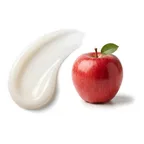 Pyrus Malus Fruit Extract
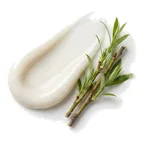 Willow Bark Extract
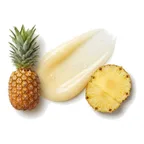 Pineapple Fruit Extract
High
- HighNormal Skin Fit
- HighEffectiveness
- HighSafety
A great choice for sensitive skin; a few toners fit it even better.
This fit is calculated for the concerns frequently associated with sensitive skin: redness, stinging, and reactions to new products. For scores and recommendations based on your full skin profile, including your 12D face scan results and any goals or preferences you have, please use the Lovi app.
Updated How the Fit score works
Lovi Assistant explains
- Offers moderate exfoliation for your normal skin, as lactic acid and glycolic acid work to smooth texture and regulate desquamation without causing irritation.
- The inclusion of fruit extracts like apple and pineapple further aids in refining skin tone and promoting a clearer complexion.
- The product is safe for your sensitive skin due to the absence of harsh ingredients.
Buy online

Prices checked 20 Nov 2026
The Lovi Fit is the same in every country; only the stores and prices differ, and the ones here are for India.
How to apply
- Use your exfoliating toner as part of a PM routine once a week to start. Carefully increase frequency only if your skin tolerates it well.
- Apply this exfoliating toner after cleansing and before your moisturizer. It fits right into your usual step for toners.
- Gently press 2-3 drops of the exfoliating toner into your skin. Avoid rubbing to keep redness down.
- Apply the exfoliating toner on completely dry skin to help improve your skin's tolerance. This helps protect your sensitive face.
- Do a patch test before your first use and avoid the delicate eye area . Skip strong acids or retinoids on the same night.
People Say
★3.9Overall rating based on 100+ reviewsBased on limited data, users find these pads convenient for smoothing rough skin texture through exfoliation. While many appreciate the immediate softening effect and the chemical exfoliants for pore care, a significant number of users with sensitive skin report that the pad material is too abrasive, causing redness and irritation.
Highlights
Skin smoothing Often Mentioned
- “skin feels incredibly smooth”
- “removed dead skin cells”
- “face feels soft”
Rough pad material Often Mentioned
- “pad felt too rough”
- “scratched my face”
- “material is irritating”
Chemical exfoliation Sometimes Noted
- “dissolves sebum”
- “good pore care”
- “contains AHA and BHA”
Convenient format Sometimes Noted
- “easy to use”
- “good for quick touch-ups”
- “simple everyday solution”
Good for non-sensitive Sometimes Noted
- “better than Cosrx”
- “works well for my oily skin”
- “great weekly treatment”
Skin irritation Sometimes Noted
- “caused a rash”
- “burning sensation”
- “face turned red”
Drying effect Rarely Noted
- “skin felt stiff”
- “drying after use”
- “needs moisturizer immediately”
Strong fragrance Rarely Noted
- “scent is too strong”
- “smells like perfume”
- “fragrance irritated nose”
Sources: lovi.care, influenster.com, reddit.com, jolse.com, hwahae.co.kr, strawberrycoco.com, and more
Questions and answers
What makes Missha Skin Peeling Pad a great fit for sensitive skin?
Missha Skin Peeling Pad is a great fit for sensitive skin because it offers moderate exfoliation with lactic and glycolic acids to smooth texture without causing irritation. The formula safely refines skin tone using fruit extracts like apple and pineapple while avoiding harsh ingredients.
International Journal of Cosmetic Science, 2019Journal of Cosmetic Dermatology, 2022
Which ingredients make this exfoliant a good fit for sensitive skin?
Lactic acid, glycolic acid, and fruit extracts like apple and pineapple make this exfoliant a great fit because they help smooth texture and refine skin tone without causing irritation. The product is safe for sensitive skin due to the absence of harsh ingredients.
International Journal of Cosmetic Science, 2019Journal of Cosmetic Dermatology, 2022
What does Lactic Acid do for sensitive skin?
Lactic acid may cause stinging and irritation on sensitive skin because sensitive skin often has a fragile barrier and enhanced facial blood flow. To care for sensitive skin, a product of this type needs soothing ingredients like ceramides to strengthen the skin barrier and calm discomfort.
What does Glycolic Acid do for sensitive skin?
Glycolic acid may be too harsh for sensitive skin and often causes irritation. A product of this type needs soothing ingredients like Portulaca oleracea extract or calming agents to help protect the skin barrier.
Cutaneous and Ocular Toxicology, 2022International Journal of Cosmetic Science, 1996
Where does this exfoliant go in a skincare routine for sensitive skin?
This exfoliating toner starts once a week in your routine, and people who tolerate it well may carefully use it more often. It helps smooth texture and refine skin tone without causing irritation due to the absence of harsh ingredients.
Can I use this exfoliant with retinol, and in what order?
This exfoliant is a great fit for your sensitive skin and can be used in your routine, but you should use it on a different night than your retinol to keep your skin calm and smooth. Applying strong acids and retinol at the same time may easily cause dryness or irritation, so alternating nights helps your skin stay comfortable.
How often should I use this exfoliant?
Start using this exfoliating toner once a week to see how your sensitive skin reacts. If you tolerate it well and see good results, you can carefully use it more often.
Journal of Cosmetic Dermatology, 2021Journal of Cosmetic Dermatology, 2024
Can this exfoliant clog pores, cause breakouts or purging for sensitive skin?
This exfoliating toner is unlikely to clog pores or cause breakouts on sensitive skin, as lactic and glycolic acids help clear dead skin cells without causing irritation. Fruit extracts like apple further help refine the complexion safely.
International Journal of Cosmetic Science, 2019Journal of Cosmetic Dermatology, 2022
Is this exfoliant fragrance-free and alcohol-free?
It has no fragrance and contains drying alcohol (alcohol).
What the research says
A cosmetic cream with 6% standardized wild apple fruit extract and a conventional emulsifier demonstrated stable antioxidant activity of 19.25 %RSC, increased skin moisturization, and a decreased melanin index by -31.40 without causing skin irritation.
International Journal of Cosmetic Science, 2019Dermocosmetic creams containing 6%, 12%, and 15% of standardized wild apple fruit ultrasonic extract increased skin hydration proportionally to extract concentration after 28 days of application on healthy volunteers without altering transepidermal water loss or skin pH.
Journal of Cosmetic Dermatology, 2022Topical formulations containing 1.25% Malus sp. extract or 0.75% rutin protected against UVB-induced sunburn cells, caspase-3 activation, cyclobutane pyrimidine dimers, lipid peroxidation, and metalloproteinase formation in ex vivo skin explants and 3D tissue-engineered skin.
Rejuvenation Research, 2020Application of a cream containing lactic acid 12% and pramoxine HCl 1% significantly improved skin dryness, hydration, and itch compared with a nontreated control in 24 women with a history of dry itchy skin.
Cutis, 2004A lactic acid/ceramide lotion significantly improved skin moisturization and desquamation compared to no treatment in women with dry, rough skin on the anterior shins.
The Journal of Clinical and Aesthetic Dermatology, 2020Treatment with 12% lactic acid increased epidermal and dermal firmness and thickness and improved skin smoothness and wrinkles compared to baseline, whereas 5% lactic acid induced clinical and epidermal changes without dermal changes.
Journal of the American Academy of Dermatology, 1996Serial glycolic acid peels combined with a modified Kligman formula significantly reduced facial PIH severity in Indian patients compared to the modified Kligman formula alone.
Dermatologic Surgery, 2017Short contact therapy with a tretinoin, clindamycin, and glycolic acid gel significantly improved skin tolerability and reduced acne severity scores compared to standard application therapy in patients with mild-to-moderate acne.
Dermatologic Therapy, 2021Topical application of a silicone-based water-in-oil emulsion fortified with Malus domestica anthocyanin significantly reduced skin melanin and erythema compared to the baseline in 12 healthy male Asian subjects.
Pakistan Journal of Pharmaceutical Sciences, 2021Aqueous and ethanolic leaf extracts from Malus domestica, Prunus armeniaca, and Prunus cerasus exhibited antioxidant, antibacterial, and anti-inflammatory activities, increased skin cell viability by up to 35% at lower doses, and reduced viability by up to 70% at higher doses in vitro.
Molecules, 2025Apple polyphenols inhibited dexamethasone-induced lipid production and the expression of SREBP-1, ACC, and FAS in primary cultured human sebocytes.
Experimental Dermatology, 2017A botanical face cleanser with hops and willow bark extract continuously reduced skin sebum levels without reactive seborrhea after treatment in 21 healthy volunteers compared to a sodium laureth sulfate cleanser, with neither cleanser causing skin irritation.
Journal of Cosmetic Dermatology, 2019Bioactive lipid nanocarriers co-loaded with willow bark or ivy leaf extracts and UV-filters provided pronounced UVA photoprotection up to an SPF-equivalent value of 13 and a maximum in vivo skin hydration effect of 97% when prepared with pomegranate oil.
Nanomaterials, 2022A topical serum containing 0.5% salicin applied twice daily reduced visible signs of skin aging, including wrinkles and tactile roughness, in 30 female subjects over 12 weeks compared to baseline.
Journal of Cosmetic Dermatology, 2010An upcycled pineapple leaf fibre crosspolymer forms a physical barrier that protects against environmental aggressors while providing antioxidant, anti-inflammatory, antipollution, UV protection, hydration, and hair benefits.
International Journal of Cosmetic Science, 2026Topical cream loaded with 2% Ananas comosus extract significantly improved epidermal hydration up to 56.74% and reduced transepidermal water loss up to -73.19% compared to baseline in 11 healthy human volunteers over 12 weeks, outperforming the placebo control.
Acta Poloniae Pharmaceutica, 2016
Ingredients
Water, Dipropylene Glycol, Cellulose, Alcohol, Propylene Glycol, Quaternium-60, Carbomer, Glycerin, Butylene Glycol, Lactic Acid, Glycolic Acid, Peg-7 Glyceryl Cocoate, Peg-20 Glyceryl Triisostearate, Peg-60 Hydrogenated Castor Oil, Phenoxyethanol, Ethyl Hexanediol, Pyrus Malus Fruit Extract, Willow Bark Extract, Pineapple Fruit Extract, Grapefruit Fruit Extract, Lemon Fruit Extract, Extract Milk, Ethylhexylglycerin, 1,2-Hexanediol, Disodium Edta, Citrus Aurantifolia Oil, Grapefruit Peel Oil, Lemon Peel Oil
Behind this fit score
Lovi calculates every fit score from the full ingredient list with brand-independent rules our dermatologists and cosmetic chemists build and review, and personalizes every pick with AI trained on the real results of millions of users. Lovi trains its fit score models on a proprietary dataset built from more than 10,000 expert-labeled products and more than 100,000 simulated examples, following an internally consistent methodology presented at Cosmoprof, AMWC, and Skin of Color Update.
-

Co-founder, Medical Director
Cosmetic chemist, cosmetologist, aesthetic products developer
-

Co-founder, CEO and CTO
PhD in computer science, 3x US patent holder, ex-Google, ex-Yandex
-

Dr. Sofía Perea Pérez, MD, MSc
Medical Board
Aesthetic medicine practitioner, MSc in Longevity and Anti-Aging Medicine
-

Medical Board
Specialist dermatologist, MBBS, MD, IFAAD
-

Medical Board
Cosmetic chemist, SCS, IFSCC member
-

Medical Board, Medical Advisor
Dermatology MD
-

Elina Nazarenko, MD
Medical Board
Dermatology and diagnostic consultant
-

Victoria Derkova, MS
Medical Board
Cosmetic chemist, cosmetic development technologist


How does it fit your skin?
Scan your face, then any product: Lovi shows how well it fits you and what fits even better.