
MEDIHEAL Phyto-Enzyme Peeling Pad for sensitive skin

 Betaine Salicylate
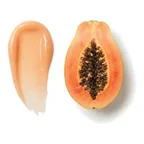 Papain
 Capryloyl Salicylic Acid
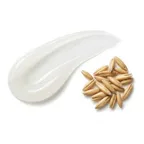 Beta-Glucan
 Hydroxyacetophenone
Average
- HighNormal Skin Fit
- AverageEffectiveness
- HighSafety
Works for sensitive skin; other products fit it better.
This fit is calculated for the concerns frequently associated with sensitive skin: redness, stinging, and reactions to new products. For scores and recommendations based on your full skin profile, including your 12D face scan results and any goals or preferences you have, please use the Lovi app.
Updated How the Fit score works
Lovi Assistant explains
- Offers moderate exfoliation for your normal skin with sensitivity, as betaine salicylate and papain gently smooth texture and support mild exfoliation to aid with redness and irritation.
- Citric acid and betaine further support your skin's natural balance by modulating pH and providing hydration.
- The formula is safe for your skin due to the absence of harsh ingredients, minimizing the risk of irritation.
How to apply
- Use your exfoliant PM once a week to help with redness and irritation. Start slowly and only increase frequency if your skin feels happy and comfortable.
- Apply the exfoliant after cleansing and toner , but always before your moisturizer . This ensures the product absorbs properly into the skin.
- Gently press 2-3 drops of the exfoliant into your skin without rubbing . Let it absorb for a minute before moving on.
- Since your skin is sensitive , apply the exfoliant on completely dry skin for the best tolerance. This helps prevent any extra stinging or discomfort.
- Always do a patch test before your first use and avoid the delicate eye area .
People Say
★4.7Overall rating based on 1000+ reviewsUsers consistently praise these pads for their ability to gently exfoliate and smooth rough skin texture without causing irritation, making them suitable for sensitive skin. While effective for reducing small bumps, blackheads, and dead skin cells to reveal a "glass skin" glow, they may be too mild for deep cystic acne or stubborn whiteheads.
Highlights
Smoother skin texture Mostly Mentioned
- “softens rough patches”
- “removes tiny bumps”
- “leaves face silky”
- “refines uneven skin”
- “glass skin finish”
Gentle exfoliation Often Mentioned
- “non-irritating daily use”
- “no stinging”
- “great for sensitive skin”
- “mild enzyme action”
- “safe for morning routine”
Hydrating finish Sometimes Noted
- “doesn't strip moisture”
- “leaves a glow”
- “non-drying formula”
- “feels like a treatment mask”
- “moisturizing essence”
Pore & blackhead care Sometimes Noted
- “clears sebaceous filaments”
- “reduces blackhead visibility”
- “unclogs pores”
- “minimizes pore appearance”
- “cleaner nose area”
Quality pad design Sometimes Noted
- “large square size”
- “dual-sided texture”
- “holds lots of essence”
- “covers cheeks well”
- “convenient tweezers included”
Unpleasant scent Sometimes Noted
- “earthy smell”
- “medicinal fragrance”
- “strong herbal scent”
- “smells like dirt/plants”
- “bothersome to sensitive noses”
Lack of potency Rarely Noted
- “didn't clear deep acne”
- “too gentle for heavy congestion”
- “no visible difference”
- “slow results”
- “not strong enough for oily skin”
Minor irritation Rarely Noted
- “caused small breakouts”
- “redness on cheeks”
- “slight burning sensation”
- “sensitized barrier”
- “allergic reaction”
Poor adhesion as mask Rarely Noted
- “pads slide off”
- “too thick to stick”
- “doesn't conform to face”
- “falls off while moving”
- “better for wiping than masking”
Sticky residue Rarely Noted
- “feels tacky after use”
- “greasy on oily nose”
- “takes time to absorb”
- “interferes with makeup if not dried”
- “heavy finish”
Sources: lovi.care, iherb.com, skinsort.com, reddit.com, oliveyoung.com, yesstyle.com, and more
Questions and answers
How well does the MEDIHEAL Phyto-Enzyme Peeling Pad work for sensitive skin?
This exfoliant treatment is an average fit for sensitive skin, offering moderate exfoliation that smooths texture while helping with redness and irritation. To work even better for sensitive skin, an exfoliant of this type needs calming ingredients like niacinamide and snail secretion filtrate to soothe irritation.
Skin Research and Technology, 2003International Journal of Biological Macromolecules, 2023
Which ingredients make this exfoliant a good fit for sensitive skin?
Betaine salicylate and papain make this exfoliant a good fit by gently smoothing texture while helping with redness and irritation. Citric acid and betaine further support your skin by keeping it balanced and hydrated, and an exfoliant for this skin type needs calming ingredients and strong hydrators to maintain smoothness without causing discomfort.
What does Betaine Salicylate do for sensitive skin?
Betaine salicylate helps gently clear pores and smooth rough texture with a lower risk of irritation than stronger acids, making it a soothing choice for sensitive skin. It is generally well tolerated, but sensitive skin still needs formulas that also include calming ingredients and deep moisture to keep skin soft and comfortable.
What does Papain do for sensitive skin?
Papain may be too harsh for sensitive skin because it exfoliates by breaking down proteins on the surface, which is likely to cause irritation and barrier disruption. Sensitive skin of this type needs very gentle, soothing ingredients and calming agents instead of strong enzymes.
The Journal of Investigative Dermatology, 2015International Journal of Biological Macromolecules, 2023
Where does this exfoliant go in a skincare routine for sensitive skin?
This exfoliant treatment goes in your evening routine once a week to start, as sensitive skin needs a careful approach with exfoliating products. To work well for sensitive skin, an exfoliant of this type needs gentle smoothing ingredients like plant enzymes or mild acids, along with soothing and hydrating extras to keep the skin calm and balanced.
Can I use this exfoliant with retinol, and in what order?
You can use this exfoliant with retinol by alternating nights rather than applying them together, keeping your routine gentle. Because both ingredients renew skin actively, separating them helps prevent dryness and irritation.
How often should I use this exfoliant?
Start by using this exfoliant once a week, and if your skin tolerates it well and you see good results, you can carefully use it more often. This product is an average fit for your sensitive skin because it offers moderate exfoliation, so a sensitive skin type needs gentle smoothing ingredients like betaine salicylate and papain alongside hydrating and soothing components like beta-glucan to keep redness and irritation away.
Can this exfoliant clog pores, cause breakouts or purging for sensitive skin?
This exfoliant is unlikely to clog pores or cause breakouts for sensitive skin, as it uses gentle smoothing ingredients like betaine salicylate and papain that support mild exfoliation while minimizing irritation. However, because sensitive skin reacts differently, this type of product works best when it also includes soothing and hydrating ingredients like beta-glucan to keep the skin calm and balanced.
Skin Research and Technology, 2003International Journal of Biological Macromolecules, 2023
Is this exfoliant fragrance-free and alcohol-free?
Yes, it has no fragrance and no drying alcohol.
What the research says
Soaps containing betaine caused the least skin irritation compared to other tested soaps in twenty-eight healthy subjects, though irritation did not decrease with increasing concentrations of betaine.
Skin Research and Technology, 2003Incorporating 1, 2, and 5 percent papain into starch- and carboxymethyl cellulose-based films preserved proteolytic and skin exfoliation activity while improving mechanical properties and water solubility compared to control films, with immobilized enzyme maintaining stability for up to 90 days.
International Journal of Biological Macromolecules, 2023A combination of Aloe barbadensis leaf extract and trimethylglycine in a 1:1 mass ratio synergistically increased aquaporin 3 expression by up to 380% in keratinocytes and safely improved skin hydration in healthy volunteers.
Molecules, 2024Colloidal oatmeal acts as a cleanser, moisturizer, buffer, and soothing anti-inflammatory agent due to its starches, beta-glucan, phenols, and saponins, relieving itch and irritation in xerotic dermatoses.
Journal of Drugs in Dermatology, 2007A moisturizer containing licochalcone A, 1,2-decanediol, L-carnitine, and salicylic acid significantly reduced noninflammatory, inflammatory, and total acne lesion counts compared to a vehicle control in Thai patients during a 12-week maintenance phase.
BioMed Research International, 2020Treatment with 2% supramolecular salicylic acid hydrogel resulted in a regression and markedly improvement rate of 51.01% compared to 43.10% for Adapaline gel in patients with mild to moderate facial acne vulgaris, showing no significant difference in efficacy.
Journal of Cosmetic Dermatology, 2024Topical 5% benzoyl peroxide plus salicylic acid achieved the greatest lesion reduction at early 2 to 4 week time points compared to benzoyl peroxide, clindamycin, and combination benzoyl peroxide/clindamycin, while 5% benzoyl peroxide plus salicylic acid and combination benzoyl peroxide/clindamycin showed similar efficacy at 10 to 12 weeks in acne patients.
Journal of the American Academy of Dermatology, 2010Topical papain treatment may slightly decrease pain within 30 minutes in humans stung by Chrysaora chinensis compared to placebo.
Wilderness & Environmental Medicine, 2016A fixed combination of hydroxypinacolone retinoate, retinol glycospheres, and papain glycospheres in aqueous gel applied once daily for 12 weeks achieved a 41% mean reduction in GAGS score and a 40.8% mean reduction in total lesions, with 15.3% of patients experiencing mild to moderate local side effects, in 94 evaluable patients with comedonal-papular, mild to moderate acne of the face.
Giornale Italiano Di Dermatologia E Venereologia, 2015Exposure to a Kiperin Bromelain & Papain complex at 2.5 µg/mL increased cell viability, altered wound closure, decreased inflammation-related gene expression, and increased skin barrier/keratinization gene expression in CCD-18Co colon fibroblasts, HME-1 mammary epithelial cells, and HaCaT keratinocytes.
Scientific Reports, 2026Combining a salicylic acid and lipohydroxy acid facial serum and mask improved closed comedones and acne severity significantly more than serum alone in adults with acne over 8 weeks, with no adverse reactions reported.
Journal of Cosmetic Dermatology, 2023Parity was demonstrated between an OTC BPO 5.5% formulation with lipohydroxy acid and tretinoin cream 0.025% versus prescription clindamycin 1%-BPO 5% gel and tretinoin cream 0.025% in participants with mild to moderate acne vulgaris at 12 weeks.
Cutis, 2012Daily use of a deep cleansing gel containing salicylic acid 2%, zinc gluconate 0.2% and lipohydroxy acid 0.05% significantly reduced total lesion count by 56.3% after 84 days in 35 subjects with mild to moderate truncal acne.
Clinical, Cosmetic and Investigational Dermatology, 2023Cereal- and microorganism-derived beta-glucans exhibit beneficial skin health promotion effects including antioxidant, anti-wrinkle, anti-ultraviolet, wound healing, and moisturizing activities.
Phytotherapy Research, 2014Topical application of oat beta-glucan ameliorates epidermal hyperplasia and accelerates epidermal barrier recovery by promoting keratinocyte differentiation through dectin-1-mediated ERK and p38 signaling pathways that upregulate CaSR expression.
International Journal of Biological Macromolecules, 2021Topical formulations of 10% lidocaine in ethanol, 1.5% hydroxyacetophenone in distilled water + butylene glycol, and 3% Symsitive® in butylene glycol successfully inhibited Pelagia noctiluca nematocyst discharge and reduced hemolytic area compared to seawater, whereas substances like ammonia, bleach, and lemon juice triggered discharge.
Marine Drugs, 20224-hydroxyacetophenone acts as a potent tyrosinase inhibitor that significantly reduces melanin content and promotes recovery from UV-induced pigmentation in human skin models compared to control groups.
ACS Omega, 2025
Ingredients
Water, Dipropylene Glycol, Glycerin, Butylene Glycol, 1,2-Hexanediol, Betaine Salicylate, Betaine, Hydroxyacetophenone, Tromethamine, Octyldodeceth-16, Sodium Citrate, Citric Acid, Disodium Edta, Papain, Pogostemon Cablin Oil, Juniperus Virginiana Oil, Capryloyl Salicylic Acid, Artemisia Vulgaris Oil, Beta-Glucan, Mentha Arvensis Oil Leaf
Behind this fit score
Lovi calculates every fit score from the full ingredient list with brand-independent rules our dermatologists and cosmetic chemists build and review, and personalizes every pick with AI trained on the real results of millions of users. Lovi trains its fit score models on a proprietary dataset built from more than 10,000 expert-labeled products and more than 100,000 simulated examples, following an internally consistent methodology presented at Cosmoprof, AMWC, and Skin of Color Update.
-

Co-founder, Medical Director
Cosmetic chemist, cosmetologist, aesthetic products developer
-

Co-founder, CEO and CTO
PhD in computer science, 3x US patent holder, ex-Google, ex-Yandex
-

Dr. Sofía Perea Pérez, MD, MSc
Medical Board
Aesthetic medicine practitioner, MSc in Longevity and Anti-Aging Medicine
-

Medical Board
Specialist dermatologist, MBBS, MD, IFAAD
-

Medical Board
Cosmetic chemist, SCS, IFSCC member
-

Medical Board, Medical Advisor
Dermatology MD
-

Elina Nazarenko, MD
Medical Board
Dermatology and diagnostic consultant
-

Victoria Derkova, MS
Medical Board
Cosmetic chemist, cosmetic development technologist


How does it fit your skin?
Scan your face, then any product: Lovi shows how well it fits you and what fits even better.