
Mederma PM Intensive Overnight Scar Cream for oily acne-prone skin

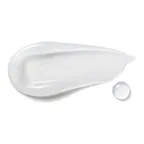 Dimethicone
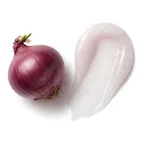 Onion Bulb Extract
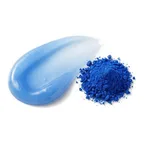 Copper Tripeptide-1
 Aloe Barbadensis Leaf
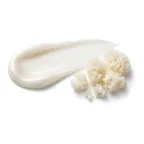 Hydrolyzed Collagen
Average
- AverageOily Skin Fit
- AverageEffectiveness
- Low RiskSafety
Works for oily acne-prone skin; other serums fit it better.
This fit is calculated for the concerns frequently associated with oily acne-prone skin: shine, breakouts, blemishes, and enlarged pores. For scores and recommendations based on your full skin profile, including your 12D face scan results and any goals or preferences you have, please use the Lovi app.
Updated How the Fit score works
Lovi Assistant explains
- Offers moderate suitability for your oily skin as glycerin provides humectant action, but it lacks sufficient seboregulating ingredients to fully address oiliness and your primary concerns of acne, blemishes, and breakouts.
- The presence of onion bulb extract and copper tripeptide-1 aids in scar treatment and improving skin texture, which is a supportive benefit for your skin issues.
How to apply
- Could be used as part of your PM routine. Start 3 times a week and build up to daily use if your skin tolerates it well.
- Apply your serum after cleansing and toning, but before putting on your moisturizer.
- Gently press 2 to 3 drops of the serum into your skin and let it absorb for a minute.
- Apply the serum on clean, dry skin to help manage your blemishes safely.
- Do a patch test before your first use and avoid the delicate eye area.
People Say
★4.1Overall rating based on 17.0k+ reviewsBased on a very large amount of data, users report this cream is effective at softening and flattening scars from surgery, acne, and injuries with consistent use over months. Many appreciate the convenient, non-greasy application. However, results can take a long time to become noticeable, and a significant number of users find the scent unpleasant.
Highlights
Effective on scars Often Mentioned
- “flattened scar”
- “less pink”
- “healed nicely”
- “barely visible”
Slow results Often Mentioned
- “takes months”
- “be patient”
- “slow process”
- “weeks to see change”
Unpleasant smell Often Mentioned
- “smells like celery”
- “onions”
- “strong fragrance”
- “scent is off-putting”
Convenient application Sometimes Noted
- “once a night”
- “easy regimen”
- “works while sleeping”
- “better than 3x daily”
Good absorption Sometimes Noted
- “non-greasy”
- “absorbs well”
- “goes on nicely”
- “lightweight”
Improves texture Sometimes Noted
- “softer”
- “smoother”
- “less bumpy”
- “flattened raised tissue”
Price vs quantity Sometimes Noted
- “expensive”
- “small jar”
- “pricier side”
- “tiny amount”
Skin reactions Rarely Noted
- “caused breakouts”
- “itching”
- “migraine trigger”
- “redness”
Sources: lovi.care, amazon.com, walmart.com, target.com, iherb.com, influenster.com, and more
Questions and answers
How well does Mederma PM Intensive Overnight Scar Cream work for oily acne-prone skin?
Mederma PM Intensive Overnight Scar Cream works moderately for oily acne-prone skin because glycerin helps retain moisture, while onion bulb extract and copper tripeptide-1 improve skin texture and scars. However, it lacks oil-controlling ingredients to fully target breakouts and blemishes. A product of this type needs benzoyl peroxide, salicylic acid, or willow bark extract to effectively manage oil and prevent breakouts.
Which ingredients make this cream a good fit for oily acne-prone skin?
Onion bulb extract and copper tripeptide-1 help treat scars and improve texture, while glycerin adds basic moisture. However, a product of this type needs acne-fighting ingredients like benzoyl peroxide or salicylic acid to properly manage breakouts and clear oily skin.
Archives of Facial Plastic Surgery, 2005Skin Research and Technology, 2026
What does Dimethicone do for oily acne-prone skin?
Dimethicone helps keep skin smooth and protected without feeling heavy. It is unlikely to clog pores, making it a suitable choice for oily and acne-prone skin.
What does Onion Bulb Extract do for oily acne-prone skin?
Onion bulb extract is typically used in scar treatments rather than for managing oily, acne-prone skin, as it helps soften and improve the look of raised scars. Oily, acne-prone skin usually needs ingredients that clear pores and control excess oil, such as salicylic acid or niacinamide, rather than scar gels.
Where does this cream go in a skincare routine for oily acne-prone skin?
This treatment goes in the evening routine after cleansing and before moisturizing. Because this is an average fit for oily skin, an ideal product for this skin type needs oil-balancing and blemish-clearing ingredients to properly manage breakouts and excess oil.
Can I use it with retinol, and in what order?
You can use this treatment alongside retinol by applying the retinol first, letting it absorb, and then following with this cream at night. This routine helps keep your skin feeling comfortable and smooth while working on blemishes. To truly fit oily and acne-prone skin well, a product of this type needs oil-balancing ingredients that help clear breakouts.
How often should I use this cream?
You can use this treatment in your evening routine. Oily acne-prone skin needs a product of this type that also includes oil-controlling ingredients to properly manage breakouts.
Can it clog pores, cause breakouts or purging for oily acne-prone skin?
This cream works for your oily acne-prone skin, though other products fit it better because it lacks enough oil-balancing ingredients to fully address breakouts. To truly fit this skin type, a product needs ingredients that help control oil and clear blemishes.
Is this cream fragrance-free and alcohol-free?
It has no fragrance and contains drying alcohol (alcohol and isopropyl alcohol).
What the research says
A single application of a moisturizing fluid containing hyaluronic acid 1%, glycerin 5%, and Centella asiatica stem cells extract significantly increased skin hydration by 29% and reduced transepidermal water loss at 24 hours compared to baseline and an untreated control site in twenty healthy women.
Clinical, Cosmetic and Investigational Dermatology, 2017Copper tripeptide accelerates the population-doubling times of normal and irradiated fibroblasts and increases the production of basic fibroblast growth factor and vascular endothelial growth factor in irradiated fibroblasts compared to untreated controls.
Archives of Facial Plastic Surgery, 2005The combination of Thermus thermophilus and Bacillus subtilis mixed-culture ferment extract and copper tripeptide-1 GHK-Cu reduced inflammatory cytokines, protected skin explants from UV-induced damage, and improved wrinkles and skin barrier conditions compared to individual components or controls.
Skin Research and Technology, 2026Enoxaparin and onion extract inhibited proliferation, induced apoptosis, and downregulated β1 integrin expression in human fibroblasts.
Pharmaceutical Biology, 2014Wearing an N95 mask alone compared to using dimethicone cream or hydrocolloid dressing caused more adverse skin reactions among 73 military health care workers, with no significant differences in fit test failure rates between groups.
Military Medicine, 2024Petrolatum-based skin protectants demonstrated protection against irritants and maceration while providing skin hydration, whereas dimethicone and zinc oxide products showed varying or limited performance across parameters among 18 healthy volunteers compared to positive and negative controls.
Ostomy/wound Management, 2005Treatment with a moisturizer containing dimethicone and glycerine increased epidermal thickness by 0.019 mm, improved barrier function by decreasing transepidermal water loss by 13%, decreased melanin intensity, and induced keratins 6 and 16 in fifteen women with moderately photoaged forearms.
Clinical and Experimental Dermatology, 2007Quercetin phospholipids 1% cream significantly reduced UV-, histamine-, and chemical-induced skin erythema (-10.05%) and mean wheal diameter in 30 healthy human volunteers, showing comparable efficacy to 1% dexchlorpheniramine cream.
Clinical, Cosmetic and Investigational Dermatology, 2016Nanocarrier-based delivery systems enhance the skin permeation and therapeutic efficacy of quercetin for treating dermatological diseases by overcoming its poor percutaneous penetration.
Current Drug Delivery, 2020Quercetin-loaded nanostructured lipid carriers enriched with omega-3 fatty acids in hydrogels demonstrated antioxidant and photoprotective efficacy along with a reduction in S. aureus growth when evaluated for topical skin administration.
Pharmaceutics, 2023A cream combining propolis, tea tree oil, and Aloe vera reduced erythema scars, acne severity index, and total lesion count better than erythromycin cream in sixty patients with mild to moderate acne vulgaris compared to placebo.
Clinical Pharmacology, 2018Formulations containing 0.10%, 0.25%, and 0.50% freeze-dried Aloe vera extract increased stratum corneum water content compared with the vehicle in 20 female subjects, while transepidermal water loss was not modified.
Skin Research and Technology, 2006Kombucha-mediated fermentation of aloe vera gel for 10 and 20 days enhanced its phenolic and flavonoid content, antioxidant capacity, cytoprotective effects, enzyme inhibition against collagenase, elastase, and hyaluronidase, and moisturizing properties compared to unfermented gel.
Molecules, 2025Topical application of TAC/Collagen postbiotics gel improved skin moisture score and inflammation index, and reduced porphyrins and brown spots in 20 volunteers with acne vulgaris.
Journal of Cosmetic Dermatology, 2022Topical collagen tripeptide application improved skin wrinkles, elasticity, and density while reducing advanced glycated end products in 22 Asian women over 4 weeks.
International Journal of Molecular Sciences, 2022Marine collagen extracted from Greenland halibut skin showed a non-cytotoxic effect on fibroblast cells and provided a slight skin hydration effect when incorporated into cosmetic hydrogel formulations at dosages of 0.1, 0.25, and 0.5% in 23 healthy volunteers.
Marine Drugs, 2023
Why other serums fit oily acne-prone skin better
Topical benzoyl peroxide 5% gel treatment improved acne severity, sebum, stratum corneum hydration, and transepidermal water loss, while significantly reducing microbial diversity and the prevalence of Cutibacterium in 33 patients with acne vulgaris.
Dermatologic Therapy, 2022Co-delivery of paeonol and madecassoside via nanoemulsions improved transdermal delivery, promoted barrier repair proteins, inhibited inflammatory cytokine secretion in cellular and 3D models, and reduced transepidermal water loss and acne in human facial skin compared to free components.
Molecules, 2023Topical benzoyl peroxide may improve acne more effectively than placebo or no treatment, while showing little to no difference compared with adapalene or clindamycin, but with an increased risk of treatment discontinuation due to adverse effects compared to placebo.
The Cochrane Database of Systematic Reviews, 2020
Ingredients
Water, Cetearyl Alcohol, Glycerin, C12-15 Alkyl Benzoate, Dicaprylyl Carbonate, Pentylene Glycol, Cyclomethicone, Arachidyl Alcohol, Alcohol, Behenyl Alcohol, Arachidyl Glucoside, Onion Bulb Extract, Copper Tripeptide-1, Aloe Barbadensis Leaf, Cetearyl Glucoside, Tocopheryl Acetate, Hydroxyethyl Acrylate Sodium Acryloyldimethyl Taurate Copolymer, Hydroxyethylcellulose, Hydrolyzed Soy Protein, Glycine, Panthenol, Hydrolyzed Collagen, Peg-400, Arginine Hcl, Leucine, Lysine Hydrochloride, Alanine, Sodium Lactate, Aspartic Acid, Glucose, Glutamic Acid, Isopropyl Alcohol, Mannitol, Sorbitol, Tromethamine, Valine, Histidine Hydrochloride, Isoleucine, Phenylalanine, Tyrosine, Potassium Sorbate, Sodium Benzoate, Citric Acid, Sodium Hydroxide
Behind this fit score
Lovi calculates every fit score from the full ingredient list with brand-independent rules our dermatologists and cosmetic chemists build and review, and personalizes every pick with AI trained on the real results of millions of users. Lovi trains its fit score models on a proprietary dataset built from more than 10,000 expert-labeled products and more than 100,000 simulated examples, following an internally consistent methodology presented at Cosmoprof, AMWC, and Skin of Color Update.
-

Co-founder, Medical Director
Cosmetic chemist, cosmetologist, aesthetic products developer
-

Co-founder, CEO and CTO
PhD in computer science, 3x US patent holder, ex-Google, ex-Yandex
-

Dr. Sofía Perea Pérez, MD, MSc
Medical Board
Aesthetic medicine practitioner, MSc in Longevity and Anti-Aging Medicine
-

Medical Board
Specialist dermatologist, MBBS, MD, IFAAD
-

Medical Board
Cosmetic chemist, SCS, IFSCC member
-

Medical Board, Medical Advisor
Dermatology MD
-

Elina Nazarenko, MD
Medical Board
Dermatology and diagnostic consultant
-

Victoria Derkova, MS
Medical Board
Cosmetic chemist, cosmetic development technologist


How does it fit your skin?
Scan your face, then any product: Lovi shows how well it fits you and what fits even better.