
Malin + Goetz Recovery Treatment Oil for oily acne-prone skin

 Squalane
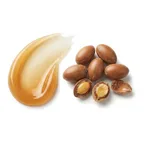 Argania Spinosa Kernel Oil
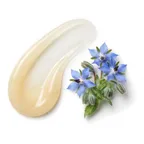 Borago Officinalis Seed Oil
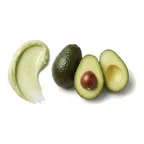 Persea Gratissima Oil Avocado Oil
 Tocopherol
Average
- AverageOily Skin Fit
- AverageEffectiveness
- HighSafety
Works for oily acne-prone skin; other moisturizers fit it better.
This fit is calculated for the concerns frequently associated with oily acne-prone skin: shine, breakouts, blemishes, and enlarged pores. For scores and recommendations based on your full skin profile, including your 12D face scan results and any goals or preferences you have, please use the Lovi app.
Updated How the Fit score works
Lovi Assistant explains
- Offers moderate moisturizing for your oily skin, as squalane and avocado oil hydrate and enhance barrier resilience, but lacks targeted ingredients for your primary concerns of acne and breakouts.
- Grape seed oil provides emollient action suitable for oily skin, though it may not be sufficient for optimal oil control.
- The product is safe for your oily skin with no risks of irritation due to the absence of prohibited or harsh ingredients.
How to apply
- Use this AM and PM routine every day to help clear your skin. Always remember to finish with SPF in the morning.
- Apply the moisturizer after your cleanser and toner, right before your SPF during the day.
- Gently press a small amount into your skin and avoid rubbing to keep pores clear.
- Apply on clean, slightly damp skin to help the product absorb better and control oil.
- Avoid the sensitive eye area and do a simple patch test before your first use.
People Say
★4.4Overall rating based on 400+ reviewsUsers with dry, normal, and sensitive skin report that this botanical oil provides deep, long-lasting hydration and visibly softens fine lines without leaving a greasy residue. While it effectively calms inflammation and restores the moisture barrier, some individuals with very sensitive or acne-prone skin found the essential oil blend slightly heavy or irritating.
Highlights
Absorbs quickly Mostly Mentioned
- “I was extremely surprised at how easily absorbed it was despite it being an oil.”
- “The light, non-greasy texture absorbs quickly, leaving the skin feeling soft.”
- “The lightweight formula absorbs quickly, providing immediate relief.”
- “The oil is super lightweight and absorbs instantly.”
Long-lasting hydration Mostly Mentioned
- “Very rich and skin felt very well hydrated after use.”
- “Amazing lasts all day.”
- “Perfect for locking in moisture.”
- “Provides excellent hydration and nourishment for the skin.”
Improves texture Often Mentioned
- “Nothing beats the improvement in the feel & texture I have seen.”
- “Many customers noted improvements in the appearance of fine lines and wrinkles.”
- “Absorbs beautifully, skin feels amazing. Fine lines appear reduced.”
- “Since incorporating this oil, his skin feels smoother and more resilient.”
Soothes and calms Sometimes Noted
- “This treatment oil is soothing and rich without clogging my skin.”
- “It has an immediate softening effect and my skin feels calmer and relaxed.”
- “Providing immediate relief to post shave irritation.”
- “Has shown to help calm down inflammation in skin.”
High price Sometimes Noted
- “It's definitely pricey, but I think you get a good value based on how little product you need.”
- “Comparable to single-active alternatives at much lower prices.”
- “Anyone shopping strictly on cost-per-benefit, though, can find equally nourishing plant-oil blends for considerably less.”
- “It just happens to cost what a good oil's branding costs.”
Strong scent Sometimes Noted
- “The smell is a little strong.”
- “It does have some essential oils in it which some people aren't a fan of.”
- “The heavy essential oil load is both its defining charm and its limiting factor.”
- “Not for fragrance-reactive skin.”
Heavy for oily skin Rarely Noted
- “While a few found the oil a bit heavy or not hydrating enough.”
- “I prefer one with less oils and a more targeted active ingredient.”
- “It can clog pores if used in high concentrations.”
- “If you do have very oily or breakout prone skin, do check the ingredients since it is loaded with quite a few oils.”
Sources: lovi.care, malinandgoetz.com, spacenk.com, bloomingdales.com, dermapproved.com, walmart.com, and more
Questions and answers
How well does Malin + Goetz Recovery Treatment Oil work for oily acne-prone skin?
This oil provides moderate moisture for oily skin using squalane and avocado oil, but it lacks targeted ingredients for breakouts and oil control. A product for this skin needs lightweight, non-greasy hydrating ingredients that clear blemishes and manage oil without clogging pores.
Scientific Reports, 2020Journal of Cosmetic Dermatology, 2020
Which ingredients make this treatment oil a good fit for oily acne-prone skin?
Squalane and avocado oil make this treatment oil a good fit for oily skin by hydrating it and strengthening its barrier without irritation. However, because this skin also deals with breakouts, a product of this type needs targeted ingredients that manage acne, control excess oil, and hydrate without clogging pores.
Journal of Cosmetic Dermatology, 2020Scientific Reports, 2020
What does Squalane do for oily acne-prone skin?
Squalane helps keep oily and acne-prone skin soft and smooth without feeling heavy, but it is important to choose pure, stable versions since damaged or oxidized oils may cause irritation. This ingredient also protects skin cells from sun damage and everyday stress while supporting a healthy moisture barrier.
The Journal of Investigative Dermatology, 2006Antioxidants, 2025
What does Argan Oil do for oily acne-prone skin?
Argan oil may be too heavy for oily and acne-prone skin, as it has a high oleic acid content that is less ideal for barrier repair in this skin type. Oily skin types typically need lightweight, fast-absorbing oils with a higher ratio of linoleic acid to help balance oil production without clogging pores.
Where does this treatment oil go in a skincare routine for oily acne-prone skin?
This treatment goes in your evening routine after cleansing and before moisturizing, or as part of your weekly routine. It is safe for your oily skin and unlikely to cause irritation, but oily acne-prone skin works best with products that also target breakouts and oil control.
Can I use this treatment oil with retinol, and in what order?
You can use this treatment oil in the evening after your cleanser and before your moisturizer, and applying it helps keep your skin soft while you use retinol. A product of this type for oily acne-prone skin needs targeted ingredients to help control breakouts alongside ingredients that hydrate.
How often should I use this treatment oil?
You can use this treatment oil in your evening routine, applying it once a day or a few times a week as needed. It helps keep your skin soft and hydrated without causing irritation, though oily acne-prone skin also needs targeted breakout-fighting ingredients.
Journal of Cosmetic Dermatology, 2020Health Science Reports, 2021
Can this treatment oil clog pores, cause breakouts or purging for oily acne-prone skin?
This treatment oil is unlikely to irritate your oily acne-prone skin since it avoids harsh ingredients, but it may feel heavy or lack the targeted blemish-fighting ingredients needed to properly manage breakouts. Oily acne-prone skin needs lightweight hydration and active ingredients that clear pores and control excess oil.
Can I use this treatment oil around the eyes or on my body?
You can safely use this treatment oil on both the thin skin around your eyes and on your body, as its gentle ingredients are well tolerated. However, this skin needs targeted ingredients like salicylic acid or benzoyl peroxide to properly clear breakouts and control excess oil.
What the research says
Topical cream containing saffron extract and avocado oil improved wrinkle grading, reduced nasolabial fold area and volume, and increased skin elasticity in twenty healthy volunteers over 12 weeks without allergic reactions.
Journal of Cosmetic Dermatology, 2020Topical application of a vitamin C-squalene bioconjugate significantly increased epidermal thickness, type III collagen production, and glycosaminoglycans production in human skin explants compared to free vitamin C and vitamin C-palmitate.
Scientific Reports, 2020Application of squalene/phosphotungstate calcium nanowires (Sql/PWC) oleogel on UVB-irradiated skin decreased epidermal thickness, increased dermal thickness, and promoted the expression of elastin, collagen, and skin barrier markers through antioxidant and anti-inflammatory activities.
Journal of Nanobiotechnology, 2025Application of fullerene-C60 dissolved in squalane cream twice daily for 8 weeks significantly enhanced skin moisture and reduced wrinkle formation compared to placebo in 23 Japanese women without severe side effects.
Journal of Nanoscience and Nanotechnology, 2010Squalane at 0.005-0.015% counteracts UVA-induced oxidative stress, inflammation, and collagen metabolism inhibition while stimulating fibroblast migration in human dermal fibroblasts.
Molecules, 2025Plant-derived squalane protected human dermal fibroblasts against UVA-induced damage by counteracting ROS formation, suppressing apoptosis-related proteins p53, caspase-3, caspase-9, and PARP, and restoring the pro-survival p-Akt/mTOR pathway.
Antioxidants, 2025Topical application of an argan oil NLC-based hydrogel formulation increased skin hydration in healthy volunteers over a one-month period through a synergistic effect of NLC occlusion and argan oil hydration.
International Journal of Nanomedicine, 2014Incorporating allantoin into argan oil enriched liposomes improved its accumulation in the dermis (~8.7μg/cm(2)) and permeation through the skin (~33μg/cm(2)) compared to conventional liposomes, water dispersion, and a commercial gel.
International Journal of Pharmaceutics, 2016Cutaneous application of linoleic and gamma-linolenic acid triglycerides reduced the high rate of transepidermal water loss in essential fatty acid-deficient rats, whereas other fatty acid triglycerides had no effect.
The British Journal of Dermatology, 1976Topical application of gamma-linolenic acid suppressed testosterone-induced growth of hamster flank organs by inhibiting 5alpha-reductase without affecting 5alpha-dihydrotestosterone-dependent growth or causing systemic effects.
The Journal of Investigative Dermatology, 1997Incorporation of apigenin into nanoemulsions formulated with d-alpha-tocopheryl polyethylene glycol 1000 succinate, hydrogenated soy lecithin, black soldier fly larvae oil, and avocado oil achieved nearly 99 percent encapsulation efficiency, improved chemical stability, elevated antioxidant ability, and optimal skin deposition.
Polymers, 2021Topical application of an antioxidant serum containing 15% ascorbic acid, 0.5% ferulic acid, and 1% tocopherol prevented particulate matter-induced degradation of extracellular matrix components, inflammation, and oxidative stress in the skin of 15 female volunteers compared to untreated controls.
Journal of Cosmetic Dermatology, 2025Dermatological products containing d-alpha tocopheryl acetate showed non-comedogenic potential with less than a 50% increase in microcomedones in 12 healthy male subjects compared to octyl palmitate.
Contemporary Clinical Trials Communications, 2021Topical application of an antioxidant mix containing 15% ascorbic acid, 0.5% ferulic acid, and 1% tocopherol prevented PM and UV-induced skin barrier perturbation, lipid peroxidation, inflammatory markers, MMP9 activation, and Type I collagen loss in 15 healthy females compared to untreated exposed skin.
Journal of Cosmetic Dermatology, 2024
Why other moisturizers fit oily acne-prone skin better
A panthenol-enriched mask improved skin hydration, regulated sebum, and reduced redness and TEWL across dry sensitive, oily sensitive, and oily acne skin subgroups with excellent tolerance and no adverse reactions.
Journal of Cosmetic Dermatology, 2024A facial serum containing snail secretion filtrate, Calendula officinalis, and Glycyrrhiza glabra root extract significantly reduced inflammatory acne lesions compared to placebo in 66 participants with mild-to-moderate maskne over 12 weeks.
Journal of Cosmetic Dermatology, 2022
Ingredients
Caprylic Capric Triglyceride, Isononyl Isononanoate, Squalane, Tocopherol, Borago Officinalis Seed Oil, Persea Gratissima Oil Avocado Oil, Oenothera Biennis Oil, Vitis Vinifera Seed Oil Grape Seed Oil, Jojoba Seed Oil, Rosa Canina Oil Fruit, Argania Spinosa Kernel Oil, Camellia Oleifera Seed Oil, Pelargonium Graveolens Oil, Lavandula Angustifolia Oil Lavender Oil, Citrus Aurantium Dulcis Peel Extract, Glycine Soja Oil Soybean Oil, Cymbopogon Martini Oil, Geranium Extract, Lavandula Angustifolia Stem Extract Flower Leaf Lavender Stem Extract Flower Leaf, Spearmint Extract, Citrus Aurantifolia Peel Extract, Grapefruit Fruit Extract, Rose Extract, Citral, Citronellol, Geraniol, Limonene, Linalool
Behind this fit score
Lovi calculates every fit score from the full ingredient list with brand-independent rules our dermatologists and cosmetic chemists build and review, and personalizes every pick with AI trained on the real results of millions of users. Lovi trains its fit score models on a proprietary dataset built from more than 10,000 expert-labeled products and more than 100,000 simulated examples, following an internally consistent methodology presented at Cosmoprof, AMWC, and Skin of Color Update.
-

Co-founder, Medical Director
Cosmetic chemist, cosmetologist, aesthetic products developer
-

Co-founder, CEO and CTO
PhD in computer science, 3x US patent holder, ex-Google, ex-Yandex
-

Dr. Sofía Perea Pérez, MD, MSc
Medical Board
Aesthetic medicine practitioner, MSc in Longevity and Anti-Aging Medicine
-

Medical Board
Specialist dermatologist, MBBS, MD, IFAAD
-

Medical Board
Cosmetic chemist, SCS, IFSCC member
-

Medical Board, Medical Advisor
Dermatology MD
-

Elina Nazarenko, MD
Medical Board
Dermatology and diagnostic consultant
-

Victoria Derkova, MS
Medical Board
Cosmetic chemist, cosmetic development technologist


How does it fit your skin?
Scan your face, then any product: Lovi shows how well it fits you and what fits even better.