
Lancôme UV Expert Aquagel Defense Primer & Moisturizer SPF 50 for acne-prone skin

 Vitamin E
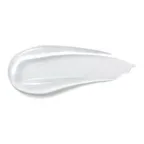 Aquagel Technology
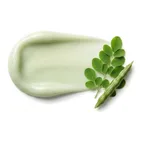 Moringa Oleifera Seed Extract
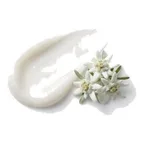 Leontopodium Alpinum Leaf Extract Flower
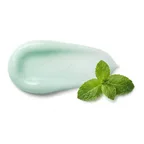 Peppermint Extract
High
- HighCombination Skin Fit
- HighEffectiveness
- HighSafety
A great choice for acne-prone skin; a few sunscreens fit it even better.
This fit is calculated for the concerns frequently associated with acne-prone skin: breakouts, blackheads, and post-acne marks. For scores and recommendations based on your full skin profile, including your 12D face scan results and any goals or preferences you have, please use the Lovi app.
Updated How the Fit score works
Lovi Assistant explains
- Highly suitable for your combination skin, the presence of dimethicone and glycerin provides balancing hydration without exacerbating oiliness, while moderate concentrations of avobenzone, homosalate, octisalate, and octocrylene offer excellent sun protection.
- Peppermint extract and moringa oleifera seed extract offer mild anti-inflammatory and antioxidant properties, providing moderate benefits for your acne-prone skin.
- The formula is safe for your combination skin, with no risks of irritation due to the absence of prohibited or harsh ingredients.
How to apply
- Apply this moisturizing sunscreen AM every morning as the final step of your daily routine.
- Layer the moisturizing sunscreen after your moisturizer has fully absorbed, right before heading out into the sun .
- Smooth a nickel-sized amount of the moisturizing sunscreen evenly over your face, avoiding harsh rubbing.
- Apply the moisturizing sunscreen onto clean, dry skin to ensure even coverage and protection.
- Perform a patch test before first use and avoid direct contact with the eyes.
People Say
★4.5Overall rating based on 8.2k+ reviewsBased on a very large amount of data, this 3-in-1 product is highly regarded by users with dry to normal skin for its hydrating, priming, and non-whitening properties. Users with sensitive or oily skin frequently mention issues with irritation and excessive shine due to the product's alcohol and fragrance content.
Highlights
Invisible, lightweight texture Mostly Mentioned
- “water-like gel that goes on invisible”
- “absorbs quickly... no white residue”
- “feels weightless, not heavy like old sunscreens”
Excellent makeup primer Often Mentioned
- “foundation glides on perfectly over it”
- “makeup lasts longer throughout the day”
- “smooths out skin texture before application”
Convenient multitasker Sometimes Noted
- “saves time in the morning routine”
- “love that it is moisturizer and SPF in one”
- “perfect one-step product for summer”
Hydrating & glowing finish Sometimes Noted
- “leaves a healthy, radiant glow”
- “keeps my dry skin moisturized all day”
- “skin feels softer and plumper instantly”
Eye irritation Sometimes Noted
- “burns my eyes if I sweat”
- “eyes were watery and red all day”
- “migrates into eyes and stings badly”
Strong fragrance/alcohol Sometimes Noted
- “smell is too overpowering and floral”
- “high alcohol content dried out my skin”
- “caused stinging sensation on sensitive areas”
Greasy on oily skin Rarely Noted
- “left me looking like a greaseball”
- “too shiny for my oily t-zone”
- “made my makeup slide off by noon”
High price point Rarely Noted
- “too expensive for such a small tube”
- “pricey for daily use sunscreen”
- “wish the bottle was bigger for the cost”
Sources: lovi.care, lancome.ca, sephora.com, ulta.com, bloomingdales.com, nordstrom.com, and more
Questions and answers
What makes Lancôme UV Expert Aquagel Defense SPF 50 a great fit for acne-prone skin?
This product is a great fit because dimethicone and glycerin provide balancing hydration without making your skin oily, while the sunscreen filters offer strong sun protection. Peppermint and moringa seed extracts help calm your skin with mild anti-inflammatory and antioxidant benefits. The formula is also safe and unlikely to cause irritation.
Clinical and Experimental Dermatology, 2007Archives of Dermatological Research, 2024
Which ingredients make this cream a good fit for acne-prone skin?
Dimethicone and glycerin provide balancing hydration without adding oil, while avobenzone, homosalate, octisalate, and octocrylene offer strong sun protection that is unlikely to irritate. Additionally, peppermint extract and moringa seed extract help calm the skin with mild soothing and antioxidant properties.
Clinical and Experimental Dermatology, 2007Archives of Dermatological Research, 2024
What does Vitamin E do for acne-prone skin?
Vitamin E helps keep acne-prone skin calm and reduces dryness. It is often combined in treatments to help improve skin moisture and support the skin barrier while managing breakouts.
Where does this cream go in a skincare routine for acne-prone skin?
This cream goes in the morning routine as the final skincare step before sun protection, right after your moisturizer. It provides balancing hydration and high sun protection without clogging pores or causing irritation.
Archives of Dermatological Research, 2024Journal of Drugs in Dermatology, 2025
Can I use this cream with retinol, and in what order?
You can use this sunscreen in the morning as the final step before makeup, well after applying your evening retinol. The formula is unlikely to cause irritation on acne-prone skin.
How often should I use this cream?
You can use this moisturizing SPF every morning as the final step of your daytime routine. Daily application helps protect your skin from the sun while keeping it comfortable and balanced.
Can this cream clog pores, cause breakouts or purging for acne-prone skin?
This cream is unlikely to clog pores or cause breakouts for acne-prone skin because it uses balancing hydrators like glycerin and dimethicone that keep skin smooth without feeling heavy or oily. Its chemical filters and plant extracts have a very low risk of irritation and do not disrupt the skin balance linked to blemishes.
Clinical and Experimental Dermatology, 2007Archives of Dermatological Research, 2024
Is this cream fragrance-free and alcohol-free?
It has no fragrance and contains drying alcohol (alcohol denat).
What the research says
Treatment with a moisturizer containing dimethicone and glycerine increased epidermal thickness by 0.019 mm, improved barrier function by decreasing transepidermal water loss by 13%, decreased melanin intensity, and induced keratins 6 and 16 in fifteen women with moderately photoaged forearms.
Clinical and Experimental Dermatology, 2007The application of a sunscreen formulation containing ethylhexyl methoxycinnamate, ethylhexyl salicylate, methyl anthranilate, and octocrylene does not significantly affect critical acne-related species such as Cutibacterium acnes and Staphylococcus epidermidis, refuting the induction of facial dysbiosis in men.
Archives of Dermatological Research, 2024Chemical sunscreens containing avobenzone, octocrylene, homosalate, and octisalate showed no to minimal risks of dermal irritation, sensitization, photo-allergy, and photo-irritation in human subjects.
Journal of Drugs in Dermatology, 2025Moringa seed oil stimulated sebaceous lipogenesis, reduced pro-inflammatory cytokine secretion, and exhibited a low n-6/n-3 index in cultured human SZ95 sebocytes compared to untreated cells.
International Journal of Molecular Sciences, 2023Emulgels containing Perilla frutescens seed oil, Moringa oleifera seed oil, and mixed seed oil microemulsions exhibit good stability, lack of cytotoxicity in PBMC, and no skin irritation or allergic reactions in human subjects.
Polymers, 2022Topical application of an antioxidant serum containing 15% ascorbic acid, 0.5% ferulic acid, and 1% tocopherol prevented particulate matter-induced degradation of extracellular matrix components, inflammation, and oxidative stress in the skin of 15 female volunteers compared to untreated controls.
Journal of Cosmetic Dermatology, 2025Dermatological products containing d-alpha tocopheryl acetate showed non-comedogenic potential with less than a 50% increase in microcomedones in 12 healthy male subjects compared to octyl palmitate.
Contemporary Clinical Trials Communications, 2021Topical application of an antioxidant mix containing 15% ascorbic acid, 0.5% ferulic acid, and 1% tocopherol prevented PM and UV-induced skin barrier perturbation, lipid peroxidation, inflammatory markers, MMP9 activation, and Type I collagen loss in 15 healthy females compared to untreated exposed skin.
Journal of Cosmetic Dermatology, 2024Moringa oleifera leaf extracts provided significant UV protection with an SPF of 2 at 2% to 4% concentrations and showed no significant irritant potential in cosmetic formulations.
Molecules, 2018Encapsulating Moringa oleifera Lam. isothiocyanate in flexible nanoliposomes modified with amphiphilic hyaluronic acid conjugated with ceramide improved entrapment efficiency, particle size, skin permeation, and cellular uptake while protecting HaCaT cells against UVB-induced photoaging damage.
Drug Delivery, 2022Moringa oleifera leaf extracts at concentrations up to 5% increase cell proliferation and metabolism, reduce oxidative stress, and improve the safety of a 1% SCS cosmetic formulation by reducing skin irritation.
Dermatology Research and Practice, 2020Leontopodium alpinum callus culture extract improved anti-periorbital wrinkles, skin elasticity, dermal density, skin thickness, antioxidant activity, and moisturizing activity while suppressing inflammation and wrinkling compared to placebo and in response to UVB treatment.
Genes, 2020Leontopodium alpinum callus culture extract at 10-15 mg/mL promoted COL-I production and inhibited MMP-1, OPN3, ROS, and calcium influx in a blue-light-induced human foreskin fibroblast damage model, indicating an anti-blue-light-damage effect through the OPN3-calcium pathway.
Molecules, 2023A concentrated ethanol extract of Edelweiss callus culture (ECC55) protected primary human keratinocytes and endotheliocytes against various inflammatory and oxidative stimuli by inhibiting chemokine release, restoring sirtuin-inhibited cellular markers, and suppressing inflammation-related gene expression.
Mediators of Inflammation, 2012Mentha piperita leaf extract suppresses the release of ATP from epidermal keratinocytes, decreases dermal thinning, and reduces wrinkles compared to placebo.
International Journal of Cosmetic Science, 2024Tetracaine gel containing both 5% menthol and 70% ethanol provided significantly enhanced skin permeation, analgesia, and lower verbal pain scores compared to other tetracaine gels or EMLA cream in mice and human volunteers.
European Journal of Pharmaceutics and Biopharmaceutics, 2008Cooling skin temperature or applying topical menthol reduced histamine-induced itch intensity and flare diameters in healthy male volunteers.
Neuroscience Letters, 1995
Ingredients
Avobenzone, Homosalate, Octisalate, Octocrylene, Oxybenzone, Water, Dimethicone, Alcohol Denat, Styrene Acrylates Copolymer, Acrylates Dimethicone Copolymer, Tocopherol, Sodium Polyacrylate, Sodium Dodecylbenzenesulfonate, Sodium Benzoate, Phenoxyethanol, Peg-8 Laurate, Silica, Pentylene Glycol, Peppermint Extract, Propylene Glycol, Leontopodium Alpinum Leaf Extract Flower, Caprylyl Glycol, Acrylates C10-30 Alkyl Acrylate Crosspolymer, Sorbitol, Moringa Oleifera Seed Extract, Disodium Edta, Rosa Gallica Flower Extract, Disodium Phosphate, Citric Acid, Potassium Sorbate, Glycerin
Behind this fit score
Lovi calculates every fit score from the full ingredient list with brand-independent rules our dermatologists and cosmetic chemists build and review, and personalizes every pick with AI trained on the real results of millions of users. Lovi trains its fit score models on a proprietary dataset built from more than 10,000 expert-labeled products and more than 100,000 simulated examples, following an internally consistent methodology presented at Cosmoprof, AMWC, and Skin of Color Update.
-

Co-founder, Medical Director
Cosmetic chemist, cosmetologist, aesthetic products developer
-

Co-founder, CEO and CTO
PhD in computer science, 3x US patent holder, ex-Google, ex-Yandex
-

Dr. Sofía Perea Pérez, MD, MSc
Medical Board
Aesthetic medicine practitioner, MSc in Longevity and Anti-Aging Medicine
-

Medical Board
Specialist dermatologist, MBBS, MD, IFAAD
-

Medical Board
Cosmetic chemist, SCS, IFSCC member
-

Medical Board, Medical Advisor
Dermatology MD
-

Elina Nazarenko, MD
Medical Board
Dermatology and diagnostic consultant
-

Victoria Derkova, MS
Medical Board
Cosmetic chemist, cosmetic development technologist


How does it fit your skin?
Scan your face, then any product: Lovi shows how well it fits you and what fits even better.