
La Roche-Posay Anthelios UV Hydra Daily Invisible Sunscreen SPF 50 for sensitive skin

 Sodium Hyaluronate
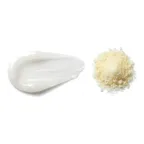 Avobenzone
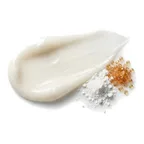 Cell-Ox Shield Technology
 Tocopherol Vitamin E
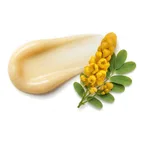 Cassia Alata Leaf Extract
High
- HighNormal Skin Fit
- HighEffectiveness
- HighSafety
One of the best sunscreens for sensitive skin.
- American Journal of Clinical Dermatology, 2002
- Clinical, Cosmetic and Investigational Dermatology, 2017
This fit is calculated for the concerns frequently associated with sensitive skin: redness, stinging, and reactions to new products. For scores and recommendations based on your full skin profile, including your 12D face scan results and any goals or preferences you have, please use the Lovi app.
Updated How the Fit score works
Lovi Assistant explains
- Highly suitable for your normal skin due to the presence of glycerin and sodium hyaluronate for humectant action and panthenol for barrier repair.
- Offers moderate benefits for your redness and irritation due to the presence of Panthenol and Tocopherol in concentrations that soothe and protect the skin.
- The product is safe for your sensitive skin as it lacks prohibited or harsh ingredients, minimizing irritation risks.
Buy online


Prices checked 20 Nov 2026
The Lovi Fit is the same in every country; only the stores and prices differ, and the ones here are for India.
How to apply
- Apply this moisturizing sunscreen AM daily as the final step of your morning routine. Always reapply every two hours when exposed to the sun.
- Apply after your regular moisturizer and before makeup. This product combines hydration and sun protection in one easy step.
- Gently smooth a nickel-sized amount evenly across your face and neck. Avoid rubbing harshly to keep sensitive skin calm.
- Apply the moisturizing sunscreen to clean , dry skin for the best protection. Let it absorb ⏱ fully before stepping outside.
- Avoid direct contact with your eyes. Do a patch test before your first use since your skin is sensitive.
People Say
★4.7Overall rating based on 1000+ reviewsUsers with dry to combination skin highly praise this sunscreen for its hydrating properties and invisible finish that leaves no white cast, even on darker skin tones. While it is celebrated for being lightweight and non-irritating for sensitive eyes, those with oily skin sometimes find the "dewy" finish too shiny or greasy for their preference.
Highlights
Hydrating and dewy Often Mentioned
- “leaves a dewy glow”
- “skin looked healthy”
- “hydrating and silky”
- “plump and glowing”
Lightweight texture Often Mentioned
- “barely-there texture”
- “absorbs quickly”
- “lightweight”
- “feels like a milky lotion”
No white cast Often Mentioned
- “blends invisibly”
- “no white cast”
- “great for dark skin”
- “transparent on African American skin”
Makeup compatible Sometimes Noted
- “prepped skin for makeup”
- “sits nicely under foundation”
- “no pilling”
- “works as a primer”
Non-irritating Sometimes Noted
- “no stinging my eyes”
- “good for sensitive skin”
- “no sunscreen smell”
- “gentle on face”
Shiny or greasy finish Sometimes Noted
- “gives a little shine”
- “too glowy for oily skin”
- “looks greasy”
- “face looked sweaty”
Expensive price point Rarely Noted
- “a bit pricy”
- “expensive for the size”
- “wish it was cheaper”
- “pricey but worth it”
Pilling issues Rarely Noted
- “pilled with my moisturizer”
- “balled up under makeup”
- “weird mixing with concealer”
Runny consistency Rarely Noted
- “super runny”
- “very liquid texture”
- “drips easily”
- “thin consistency”
Tacky feel Rarely Noted
- “tacky after 20 minutes”
- “sticky finish”
- “took long to dry down”
Sources: lovi.care, laroche-posay.us, ulta.com, lovelyskin.com, refinery29.com, target.com, and more
Questions and answers
What makes La Roche-Posay Anthelios UV Hydra Daily Invisible Sunscreen SPF 50 a great fit for sensitive skin?
La Roche-Posay Anthelios UV Hydra Daily Invisible Sunscreen SPF 50 is a great fit for sensitive skin because it is free of harsh ingredients, which helps keep irritation risks low. It also includes soothing panthenol and vitamin E to calm the skin, alongside glycerin and sodium Hyaluronate to keep it hydrated.
American Journal of Clinical Dermatology, 2002Clinical, Cosmetic and Investigational Dermatology, 2017
Which ingredients make this sunscreen a good fit for sensitive skin?
Glycerin and sodium hyaluronate keep sensitive skin hydrated, while panthenol helps repair the skin barrier. Tocopherol also soothes and protects the skin against irritation.
American Journal of Clinical Dermatology, 2002Clinical, Cosmetic and Investigational Dermatology, 2017
What does Hyaluronic Acid do for sensitive skin?
Hyaluronic acid helps calm and hydrate sensitive skin while making it feel soft and smooth. It improves dryness and surface texture, and is unlikely to cause irritation.
Journal of Cosmetic Dermatology, 2018Journal of Drugs in Dermatology, 2025
What does Avobenzone do for sensitive skin?
Avobenzone provides effective UV protection for sensitive skin, but because it may cause photo-allergy or irritation for some, it is often paired with gentle ingredients or microencapsulation to ensure safety. Chemical sunscreens containing avobenzone generally show minimal risks of irritation when formulated properly, though individual sensitivities still vary.
Where does it go in a skincare routine for sensitive skin?
This moisturizing spf goes in the morning routine after a cleanser and soothing toner. It helps protect and hydrate the skin while keeping irritation risks low.
American Journal of Clinical Dermatology, 2002Clinical, Cosmetic and Investigational Dermatology, 2017
Can I use this sunscreen with retinol, and in what order?
You can use this moisturizing spf in the morning before your retinol routine to help keep your skin calm and hydrated. Applying a barrier-supporting moisturizer alongside active treatments is unlikely to cause irritation and supports overall skin comfort.
How often should I use it?
Apply this sunscreen every morning as the final step of your morning routine. Daily application helps protect sensitive skin while keeping it hydrated and calm.
Can it clog pores, cause breakouts or purging for sensitive skin?
This sunscreen is unlikely to clog pores or cause breakouts for sensitive skin because it is free of harsh or heavy ingredients that commonly trigger irritation. It features soothing and hydrating ingredients like glycerin, sodium hyaluronate, and panthenol to keep skin comfortable without heavy oils.
American Journal of Clinical Dermatology, 2002Clinical, Cosmetic and Investigational Dermatology, 2017
Is this sunscreen fragrance-free and alcohol-free?
Yes, it has no fragrance and no drying alcohol. Cetearyl alcohol is a fatty alcohol, which soften the skin.
What the research says
Topical dexpanthenol acts as a moisturizer, improves stratum corneum hydration, accelerates wound healing and epidermal regeneration, reduces erythema, and improves symptoms of skin irritation compared to vehicle or no pretreatment.
American Journal of Clinical Dermatology, 2002A single application of a moisturizing fluid containing hyaluronic acid 1%, glycerin 5%, and Centella asiatica stem cells extract significantly increased skin hydration by 29% and reduced transepidermal water loss at 24 hours compared to baseline and an untreated control site in twenty healthy women.
Clinical, Cosmetic and Investigational Dermatology, 2017A new topical panthenol-containing emollient significantly improved transepidermal water loss reduction, stratum corneum hydration, and intercellular lipid lamellae length compared with control in healthy subjects without negatively impacting bacterial viability.
The Journal of Dermatological Treatment, 2017Topical application of 0.1% hyaluronic acid formulations of different molecular weights led to significant improvements in skin hydration and elasticity, with low-molecular-weight formulations also significantly reducing wrinkle depth in seventy-six female subjects compared to a vehicle control.
Journal of Drugs in Dermatology, 2011Topical hyaluronic acid serum used twice daily by 40 females with facial photoaging produced an immediate 134% increase in skin hydration, a sustained 55% increase at week 6, and significant improvements in smoothness, plumping, fine lines, wrinkles, and global appearance without causing irritation.
Dermatology and Therapy, 2021A topical antioxidant serum significantly reduced air pollution-induced skin pigmentation and proinflammatory gene expression ex vivo, and improved skin aging signs in 40 healthy adult females after 90 days of daily use.
Journal of Cosmetic Dermatology, 2022Methoxy-monobenzoylmethane protects human skin against UV-induced damage by converting to avobenzone under UVB light irradiation and demonstrating antioxidant and radical scavenging properties in vitro and in cell assays.
Molecules, 2021Encapsulation of ethylhexyl methoxycinnamate and butyl methoxydibenzoylmethane in lipid microparticles significantly reduced their in vivo human skin penetration compared to nonencapsulated filters.
Skin Pharmacology and Physiology, 2011Microencapsulation of the BMDBM/HP-beta-CD complex in lipid microparticles significantly decreased the percutaneous penetration of the UV filter into the stratum corneum of human volunteers compared to the non-encapsulated sunscreen agent.
Journal of Pharmaceutical and Biomedical Analysis, 2011Mexoryl SX (5%) efficiently prevents UVA-induced skin alterations including pigmentation, stratum corneum thickening, and protein expression changes in human skin.
Journal of Photochemistry and Photobiology. B, Biology, 1998Sunscreens containing Mexoryl SX provide superior protection against UVA- and solar-simulated radiation-induced biological damage, including pigmentation, DNA damage, immune suppression, and dermal alterations, compared to formulations without it in human volunteers and patients.
Photodermatology, Photoimmunology & Photomedicine, 2008Topical application of a 5% Mexoryl SX sunscreen formulation reduced or abolished the visible, histological, electron microscopic, and biochemical cutaneous changes induced by chronic sub-erythemal UV-A irradiation in hairless mice compared to unprotected irradiated animals.
Photochemistry and Photobiology, 1992Topical application of an antioxidant serum containing 15% ascorbic acid, 0.5% ferulic acid, and 1% tocopherol prevented particulate matter-induced degradation of extracellular matrix components, inflammation, and oxidative stress in the skin of 15 female volunteers compared to untreated controls.
Journal of Cosmetic Dermatology, 2025Dermatological products containing d-alpha tocopheryl acetate showed non-comedogenic potential with less than a 50% increase in microcomedones in 12 healthy male subjects compared to octyl palmitate.
Contemporary Clinical Trials Communications, 2021Topical application of an antioxidant mix containing 15% ascorbic acid, 0.5% ferulic acid, and 1% tocopherol prevented PM and UV-induced skin barrier perturbation, lipid peroxidation, inflammatory markers, MMP9 activation, and Type I collagen loss in 15 healthy females compared to untreated exposed skin.
Journal of Cosmetic Dermatology, 2024Topical treatment with leaf extract ointments of Senna alata, Lantana camara, and Mitracarpus scaber induced healing without recurrence in nine cattle with dermatophilosis, unlike parenteral antibiotics.
Journal of Ethnopharmacology, 2003Kaempferol promotes melanogenesis by increasing tyrosinase activity, melanin content, and key enzyme expressions via the ERK1/2 pathway, and protects against H2O2-induced oxidative stress by reducing ROS and apoptosis in PIG1 normal human skin melanocytes.
Journal of Cellular and Molecular Medicine, 2023A topical emulsion incorporating a 1:2 molar ratio of quercetin and kaempferol loaded into milk-derived exosomes significantly reduced oxidative stress, suppressed matrix metalloproteinase-1, and promoted collagen I synthesis, elasticity, and hydration in a D-galactose-induced skin aging mouse model compared to free drug mixture, blank exosome emulsion, and vitamin C.
Pharmaceutical Development and Technology, 2026
Ingredients
Avobenzone, Homosalate, Octisalate, Octocrylene, Water, Glycerin, C15-19 Alkane, Propanediol, C12-22 Alkyl Acrylate, Panthenol, Tocopherol, Sodium Stearoyl Glutamate, Cetearyl Alcohol, Sclerotium Gum, Hydroxyacetophenone, Caprylyl Glycol, Sodium Octenylsuccinate Starch, Glyceryl Stearate, Jojoba Esters, Helianthus Annuus Wax Seed Sunflower Wax Seed, Hydroxypropyl Phosphate Starch, Trisodium Ethylenediamine Disuccinate, Sodium Hyaluronate, Pentylene Glycol, Diethylhexyl Syringylidenemalonate, Cassia Alata Leaf Extract, Maltodextrin, Citric Acid, Caprylic, Polyglycerin-3
Behind this fit score
Lovi calculates every fit score from the full ingredient list with brand-independent rules our dermatologists and cosmetic chemists build and review, and personalizes every pick with AI trained on the real results of millions of users. Lovi trains its fit score models on a proprietary dataset built from more than 10,000 expert-labeled products and more than 100,000 simulated examples, following an internally consistent methodology presented at Cosmoprof, AMWC, and Skin of Color Update.
-

Co-founder, Medical Director
Cosmetic chemist, cosmetologist, aesthetic products developer
-

Co-founder, CEO and CTO
PhD in computer science, 3x US patent holder, ex-Google, ex-Yandex
-

Dr. Sofía Perea Pérez, MD, MSc
Medical Board
Aesthetic medicine practitioner, MSc in Longevity and Anti-Aging Medicine
-

Medical Board
Specialist dermatologist, MBBS, MD, IFAAD
-

Medical Board
Cosmetic chemist, SCS, IFSCC member
-

Medical Board, Medical Advisor
Dermatology MD
-

Elina Nazarenko, MD
Medical Board
Dermatology and diagnostic consultant
-

Victoria Derkova, MS
Medical Board
Cosmetic chemist, cosmetic development technologist


How does it fit your skin?
Scan your face, then any product: Lovi shows how well it fits you and what fits even better.