
La Prairie Cellular Softening and Balancing Lotion for dry skin

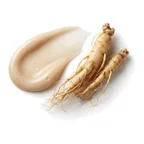 Panax Ginseng Root Extract
 Glycoproteins
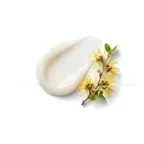 Witch Hazel Leaf Extract
 Retinyl Palmitate
 Sodium Hyaluronate
Average
- AverageDry Skin Fit
- AverageEffectiveness
- HighSafety
Works for dry skin; other toners fit it better.
This fit is calculated for the concerns frequently associated with dry skin: flakiness, tightness, dehydration, fine lines, and wrinkles. For scores and recommendations based on your full skin profile, including your 12D face scan results and any goals or preferences you have, please use the Lovi app.
Updated How the Fit score works
Lovi Assistant explains
- Offers moderate suitability for your dry skin, as glycerin and glycoproteins provide excellent hydration, while Borago Officinalis Seed Oil offers emollient benefits to combat dryness and flakiness.
- The inclusion of Bisabolol further supports soothing effects, making it generally beneficial for your skin's hydration needs.
- The product is safe for your dry skin, containing no harsh ingredients and featuring soothing components like Bisabolol.
How to apply
- Use your hydrating toner AM and PM every day to keep skin soft. Always finish your morning routine with sunscreen.
- Apply the hydrating toner after cleansing and before putting on your moisturizer.
- Gently press 2-3 drops of the hydrating toner into your skin and let it absorb. Avoid rubbing your face too hard.
- Put the hydrating toner on slightly damp skin to help your face absorb the moisture better.
- Be careful to avoid the eye area when applying the product.
People Say
★4.6Overall rating based on 100+ reviewsBased on limited data, users consistently praise this toner for its ability to deliver deep hydration and noticeable softening, often describing it as a luxury experience that preps the skin effectively for subsequent products. While the vast majority report a soothing, glow-giving effect suitable for dry and aging skin, a minority of users find the signature floral fragrance overpowering and the price point difficult to justify.
Highlights
Deep hydration Mostly Mentioned
- “gentle yet effective moisturizing”
- “keeps skin moisturized throughout the day”
- “hydrates and gives amazing glow”
Exceptional softening Mostly Mentioned
- “softens skin noticeably”
- “makes your skin smooth”
- “improves suppleness”
Exorbitant price Often Mentioned
- “so expensive”
- “expensive luxury”
- “hard to stomach the price”
Product longevity Sometimes Noted
- “lasts forever”
- “only need a small amount”
- “worth every penny”
Soothing and calming Sometimes Noted
- “calm the complexion”
- “soothes sensitive skin”
- “reduces irritation”
Strong fragrance Sometimes Noted
- “heavily scented”
- “smell on my face all day”
- “could not deal with the smell”
Packaging issues Rarely Noted
- “leak everywhere in the box”
- “bottle arrived damaged”
Product pilling Rarely Noted
- “caused pilling”
- “forms a barrier”
- “caused my other skincare to pill”
Sources: lovi.care, nordstrom.com, neimanmarcus.com, bloomingdales.com, spacenk.com, walmart.com, and more
Questions and answers
How well does La Prairie Softening and Balancing Lotion work for dry skin?
La Prairie Cellular Softening and Balancing Lotion works moderately well for dry skin, as its glycerin and plant oils help fight dryness while bisabolol calms the skin. Dry skin types need a hydrating toner with rich moisture-binding ingredients and nourishing oils that deeply lock in hydration and support the skin barrier without irritation.
Which ingredients make this toner a good fit for dry skin?
Glycerin and glycoproteins help provide great hydration, while Borago Officinalis Seed Oil helps soften dry and flaky skin. This dry skin type needs a formulation rich in moisturizers and skin-softening ingredients to ensure optimal hydration and nourishment.
What does Ginseng Root Extract do for dry skin?
Ginseng Root Extract helps nourish dry skin by boosting moisture content and supporting the skin barrier to keep it soft and smooth. Studies show it helps decrease moisture loss and improves overall skin hydration.
Journal of Ginseng Research, 2017Journal of Cosmetic Dermatology, 2022
What do Glycoproteins do for dry skin?
Glycoproteins help keep dry skin hydrated by supporting moisture retention and protecting skin cells from dehydration. This type of ingredient works well for dry skin when it includes soothing agents and barrier-repairing components that restore a smooth, comfortable feel.
The Journal of Investigative Dermatology, 2003Skin Pharmacology and Physiology, 2021
Where does this toner go in a skincare routine for dry skin?
This hydrating toner goes after your cleanser in your morning routine. Dry skin needs a toner that features powerful hydrators like glycerin and hyaluronic acid along with nourishing plant oils to lock in moisture and smooth out flakes.
The Journal of Dermatological Treatment, 2022Clinical, Cosmetic and Investigational Dermatology, 2017
Can I use this toner with niacinamide, and in what order?
You can use this toner alongside niacinamide by applying the toner first to damp skin and following with your niacinamide serum once it absorbs. This toner works for your dry skin, but dry skin does best with richer hydrators and softening oils to deeply smooth and comfort tight areas.
How often should I use this toner?
You can use this hydrating toner daily in your morning routine after cleansing and before moisturizing. A product for dry skin of this type needs rich hydrating ingredients like glycerin and hyaluronic acid, along with softening oils to combat dryness and flakiness effectively.
Can this toner clog pores, cause breakouts or purging for dry skin?
This toner is unlikely to clog pores or cause breakouts for dry skin, as it contains no harsh ingredients and features soothing components like bisabolol. A dry skin product of this type needs ingredients like glycerin and glycoproteins for hydration, plus nourishing oils to combat dryness and flakiness.
What the research says
A single application of a moisturizing fluid containing hyaluronic acid 1%, glycerin 5%, and Centella asiatica stem cells extract significantly increased skin hydration by 29% and reduced transepidermal water loss at 24 hours compared to baseline and an untreated control site in twenty healthy women.
Clinical, Cosmetic and Investigational Dermatology, 2017Enzyme-modified ginseng extract cream significantly reduced the global photo-damage score and various roughness measures including total roughness, smoothness depth, and arithmetic roughness average compared to placebo in 23 human subjects.
Rejuvenation Research, 2015A red ginseng hydrogel formulation with 1,2-hexanediol promoted selective growth of Staphylococcus epidermidis and decreased Cutibacterium acnes in 20 female subjects.
Journal of Ginseng Research, 2022A cream containing 0.1% ginsenoside F1 demonstrated a skin-whitening effect on artificially tanned human skin after 8 weeks by enhancing interleukin-13 production from epidermal gamma-delta T cells, which subsequently suppressed tyrosinase and DCT expression and melanin synthesis in melanocytes.
Experimental Dermatology, 2014A Hamamelis virginiana leaf extract increased LOXL1 expression twofold, decreased elafin synthesis, restored functional elastic fibers, reduced nonfunctional elastin aggregates, decreased wrinkles, and improved skin firmness.
Journal of Cosmetic Science, 2018Hamamelis bark proanthocyanidins strongly increased the proliferation of cultured human keratinocytes and reduced transepidermal water loss and erythema formation in SLS-irritated skin, whereas the polysaccharide fraction had no effect.
Phytochemistry, 2001Hamamelis virginiana bark extract inhibited Cutibacterium acnes-induced IL-6 release and TNF-α-induced IL-8 release in human keratinocytes without showing antibacterial or antibiofilm activities.
Antioxidants, 2022Topical bakuchiol 0.5% applied twice daily compared with retinol 0.5% applied daily significantly decreased wrinkle surface area and hyperpigmentation with no statistical difference between the compounds in 44 patients over 12 weeks, while retinol users reported more facial skin scaling and stinging.
The British Journal of Dermatology, 2019Topical 0.3% and 1% retinol comparably improved biomarkers of cutaneous photoageing in photoaged volunteers, while 0.3% retinol demonstrated better tolerance with fewer and milder adverse events compared to 1% retinol in a daily escalation regimen.
International Journal of Cosmetic Science, 2022Daily application of 0.3% and 0.5% retinol serums in 37 volunteers over 12 weeks reduced skin hyperpigmentation, unevenness, and wrinkles on both sides of the face, with the 0.5% concentration causing more frequent and intense skin irritation.
Skin Pharmacology and Physiology, 2020Topical application of 0.1% hyaluronic acid formulations of different molecular weights led to significant improvements in skin hydration and elasticity, with low-molecular-weight formulations also significantly reducing wrinkle depth in seventy-six female subjects compared to a vehicle control.
Journal of Drugs in Dermatology, 2011Topical hyaluronic acid serum used twice daily by 40 females with facial photoaging produced an immediate 134% increase in skin hydration, a sustained 55% increase at week 6, and significant improvements in smoothness, plumping, fine lines, wrinkles, and global appearance without causing irritation.
Dermatology and Therapy, 2021A topical antioxidant serum significantly reduced air pollution-induced skin pigmentation and proinflammatory gene expression ex vivo, and improved skin aging signs in 40 healthy adult females after 90 days of daily use.
Journal of Cosmetic Dermatology, 2022
Ingredients
Water, Dipropylene Glycol, Butylene Glycol, Glycerin, Peg Ppg Polybutylene Glycol-8 5 3 Glycerin, Ppg-26-Buteth-26, Glycoproteins, Panax Ginseng Root Extract, Equisetum Arvense Extract, Propylene Glycol, Peg-40 Hydrogenated Castor Oil, Witch Hazel Leaf Extract, Borago Officinalis Seed Oil, Lactobacillus Ferment, Bisabolol, Retinyl Palmitate, Ascorbyl Palmitate, Tocopheryl Acetate, Yeast Extract, Hydroxyethylcellulose, Ethylhexyl Methoxycinnamate, Tocopherol, Caprylic Capric Triglyceride, Lecithin, Disodium Edta, Ethylhexylglycerin, Citric Acid, Alcohol, Sodium Hydroxide, Parfum, Limonene, Alpha-Isomethyl Ionone, Geraniol, Citronellol, Phenoxyethanol, Red 33 Ci 17200
Behind this fit score
Lovi calculates every fit score from the full ingredient list with brand-independent rules our dermatologists and cosmetic chemists build and review, and personalizes every pick with AI trained on the real results of millions of users. Lovi trains its fit score models on a proprietary dataset built from more than 10,000 expert-labeled products and more than 100,000 simulated examples, following an internally consistent methodology presented at Cosmoprof, AMWC, and Skin of Color Update.
-

Co-founder, Medical Director
Cosmetic chemist, cosmetologist, aesthetic products developer
-

Co-founder, CEO and CTO
PhD in computer science, 3x US patent holder, ex-Google, ex-Yandex
-

Dr. Sofía Perea Pérez, MD, MSc
Medical Board
Aesthetic medicine practitioner, MSc in Longevity and Anti-Aging Medicine
-

Medical Board
Specialist dermatologist, MBBS, MD, IFAAD
-

Medical Board
Cosmetic chemist, SCS, IFSCC member
-

Medical Board, Medical Advisor
Dermatology MD
-

Elina Nazarenko, MD
Medical Board
Dermatology and diagnostic consultant
-

Victoria Derkova, MS
Medical Board
Cosmetic chemist, cosmetic development technologist


How does it fit your skin?
Scan your face, then any product: Lovi shows how well it fits you and what fits even better.