
La Mer The Serum Essence for acne-prone skin

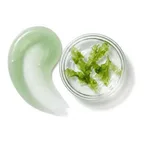 Algae Extract
 Niacin
 Squalane
 Tetrahexyldecyl Ascorbate
 Acetyl Hexapeptide-8
Low
- AverageCombination Skin Fit
- HighEffectiveness
- ConcerningSafety
A weak match for acne-prone skin; the serums alongside fit it better.
This fit is calculated for the concerns frequently associated with acne-prone skin: breakouts, blackheads, and post-acne marks. For scores and recommendations based on your full skin profile, including your 12D face scan results and any goals or preferences you have, please use the Lovi app.
Updated How the Fit score works
Lovi Assistant explains
- Offers moderate suitability for combination skin due to glycerin and sodium hyaluronate providing humectant action, but lacks sufficient ingredients for optimal oil control on oily areas.
- The presence of Palmitoyl Hexapeptide-12 and Algae Extract aids in smoothing texture and enhancing barrier resilience, offering general skincare benefits like hydration and soothing.
How to apply
- Use your serum as part of your PM routine and start 3x/week before working up to daily use.
- Apply this treatment after cleansing and toner, and before your moisturizer.
- Gently press 2-3 drops of the serum into your skin and let it absorb for a minute.
- Apply the product on clean, dry skin to help manage your breakouts safely.
- Avoid the eye area and do a patch test before your first use.
People Say
★4.6Overall rating based on 200+ reviewsLa Mer The Serum Essence is widely praised by long-term users for its ability to hydrate, firm, and improve the overall texture of aging skin. While many report a more youthful, plump, and resilient complexion, some users with sensitive skin or specific climate needs have experienced irritation or dryness, and the high price point remains a significant point of contention.
Highlights
Deeply hydrating Mostly Mentioned
- “Keeps older skin moisturized and less dry”
- “Feels very nice and hydrating on the skin”
- “Helps keep my face more hydrated”
Extremely expensive Mostly Mentioned
- “It's expensive and there are many serums out there for half the price”
- “It's a little expensive but one bottle lasts a year”
Improves skin firmness Often Mentioned
- “Helps reveal firmer, smoother, more lifted-feeling skin”
- “My skin was firm, I had less wrinkles”
- “Skin felt and looked more firm and plump”
Poor bottle design Often Mentioned
- “No way you're going to be able to get all the product out”
- “Paddle applicator does not allow you to reach the bottom”
- “Hard to overturn the bottle to get the rest of the product”
Refines skin texture Sometimes Noted
- “Effective in addressing wrinkles and improving skin texture”
- “Pores and fine lines were less visible”
- “Texture of my skin was satiny smooth”
Potential irritation Rarely Noted
- “I noticed my skin seemed a bit red and irritated”
- “Experienced a burning sensation”
- “Product dried out my skin and created a bit of texture”
Sources: lovi.care, cremedelamer.com, nordstrom.com, bloomingdales.com, wmagazine.com, mywomenstuff.com, and more
Questions and answers
Why is La Mer The Serum Essence a weak match for acne-prone skin?
La Mer The Serum Essence is a weak match for acne-prone skin because it lacks sufficient ingredients for optimal oil control on oily areas. Treatments that fit this skin well need ingredients like niacinamide, zinc PCA, or propolis to manage breakouts and balance oil without causing extra shine or dryness.
Which ingredients make this serum a poor fit for acne-prone skin?
La Mer The Serum Essence is a weak match for acne-prone skin because it lacks sufficient ingredients for oil control on oily areas. A product of this type needs effective ingredients like niacinamide and zinc PCA that provide excellent benefits for acne and blemishes while controlling oiliness.
What does Algae Extract do for acne-prone skin?
Algae extract helps calm acne-prone skin and fights breakouts by reducing inflammation and targeting acne causes. These ingredients give skin antioxidant protection and may help balance oily areas while keeping skin smooth.
What does Niacinamide do for acne-prone skin?
Niacinamide helps acne-prone skin by calming redness, balancing oil production, and reducing both inflamed and non-inflamed breakouts. It also supports the skin barrier while working alongside acne treatments to improve overall skin clarity and texture.
Journal of Cosmetic Dermatology, 2004Journal of Cellular and Molecular Medicine, 2019
Where does this serum go in a skincare routine for acne-prone skin?
This treatment goes in the evening routine for acne-prone skin, after cleansing and before moisturizing. Because this product is a weak match for this skin, an acne-prone routine needs a product of this type that also provides targeted oil control and blemish-clearing ingredients.
Can I use this serum with retinol, and in what order?
You can use this treatment with retinol by applying the retinol first and following with this serum to help smooth texture and keep skin calm. This type of skin needs targeted oil-control ingredients and lightweight hydrators that balance oily areas without triggering breakouts.
How often should I use this serum?
This product is a weak match for acne-prone skin, so it needs lightweight hydration, soothing ingredients, and oil control to safely fit this skin type. When used, treatments with active ingredients are typically applied in the evening for simplicity and extra safety around sun exposure.
Can this serum clog pores, cause breakouts or purging for acne-prone skin?
This serum is a weak match for acne-prone skin because it contains heavy oils and silicones that may clog pores and trigger breakouts. A product of this type needs lightweight hydrators and oil-control ingredients to keep this skin clear and balanced.
What the research says
A single application of a moisturizing fluid containing hyaluronic acid 1%, glycerin 5%, and Centella asiatica stem cells extract significantly increased skin hydration by 29% and reduced transepidermal water loss at 24 hours compared to baseline and an untreated control site in twenty healthy women.
Clinical, Cosmetic and Investigational Dermatology, 2017Palmitoyl hexapeptide-12 permeates the stratum corneum and epidermis, initiating gel formation via endogenous ions and strengthening and repairing the skin barrier after delipidation in human skin.
ACS Applied Bio Materials, 2025Treatment with lipid algae extract reduced the level of oxidized proteins in human keratinocytes and stratum corneum skin cells.
Annals of the New York Academy of Sciences, 2004Topical nicotinamide prevented solar-simulated UV-induced immunosuppression in healthy volunteers, and men experienced immunosuppression at solar-simulated UV doses three times lower than those required for women.
The Journal of Investigative Dermatology, 2008Topical 5% niacinamide applied twice daily for 12 weeks reduced fine lines and wrinkles, hyperpigmented spots, red blotchiness, and skin sallowness, and improved skin elasticity compared to vehicle control in 50 female white subjects with facial photoaging.
Dermatologic Surgery, 2005Topical 2% niacinamide significantly decreased sebum excretion rate in Japanese individuals and casual sebum levels in Caucasian individuals compared to placebo or baseline.
Journal of Cosmetic and Laser Therapy, 2006Application of fullerene-C60 dissolved in squalane cream twice daily for 8 weeks significantly enhanced skin moisture and reduced wrinkle formation compared to placebo in 23 Japanese women without severe side effects.
Journal of Nanoscience and Nanotechnology, 2010Squalane at 0.005-0.015% counteracts UVA-induced oxidative stress, inflammation, and collagen metabolism inhibition while stimulating fibroblast migration in human dermal fibroblasts.
Molecules, 2025Plant-derived squalane protected human dermal fibroblasts against UVA-induced damage by counteracting ROS formation, suppressing apoptosis-related proteins p53, caspase-3, caspase-9, and PARP, and restoring the pro-survival p-Akt/mTOR pathway.
Antioxidants, 2025Topical application of 5% vitamin C cream significantly improved global clinical scores, increased skin microrelief density, and induced elastic tissue repair in photoaged skin compared to excipient control in healthy female volunteers.
Experimental Dermatology, 2003Topical application of VC-IP cream twice daily for 8 weeks reduces periorbital wrinkles in female subjects compared to a placebo cream.
Journal of Cosmetic Dermatology, 2022Topical treatment with 5% vitamin C and 0.1% madecassoside significantly improved clinical scores for wrinkles, suppleness, firmness, roughness, and skin hydration, along with functional and structural remodeling of the elastic fiber network in 20 female volunteers with photoaged skin after 6 months compared to baseline.
Experimental Dermatology, 2008Treatment with cross-linked hyaluronic acid-based microneedle patches combined with acetyl hexapeptide-8 or epidermal growth factor significantly improved wrinkles and skin hydration compared to the patch alone in Korean females over 29 days.
Annals of Dermatology, 2019Argireline treatment twice daily for 4 weeks produced a significant anti-wrinkle effect with 48.9% total efficacy and decreased skin roughness in Chinese subjects compared with 0% efficacy and no decrease in roughness in the placebo group.
American Journal of Clinical Dermatology, 2013Acetyl hexapeptide-3 and tripeptide-10 citrulline demonstrated antiwrinkle efficacy and decreased transepidermal water loss in twenty-four healthy volunteers compared to control groups, though synergistic effects between the two peptides remained unclear.
Journal of Cosmetic Dermatology, 2017
Why other serums fit acne-prone skin better
A cream combining propolis, tea tree oil, and Aloe vera reduced erythema scars, acne severity index, and total lesion count better than erythromycin cream in sixty patients with mild to moderate acne vulgaris compared to placebo.
Clinical Pharmacology, 2018Co-delivery of paeonol and madecassoside via nanoemulsions improved transdermal delivery, promoted barrier repair proteins, inhibited inflammatory cytokine secretion in cellular and 3D models, and reduced transepidermal water loss and acne in human facial skin compared to free components.
Molecules, 2023A mixture of propanediol, xylitol, and caprylic acid demonstrated in vitro antimicrobial activity against C. acnes and S. aureus, reduced 5-alpha reductase expression, and decreased skin oiliness, porphyrin, and inflammatory lesions in participants over 28 days.
Molecules, 2021
Ingredients
Algae Extract, Dimethicone, Isododecane, Polysilicone-11, Glycerin, Butylene Glycol, Caprylic Capric Triglyceride, Peg-10 Dimethicone, Coco-Caprylate Caprate, Sesamum Indicum Seed Oil, Medicago Sativa Seed Powder, Helianthus Annuus Seedcake Sunflower Seedcake, Prunus Amygdalus Dulcis Seed Meal Seed, Eucalyptus Globulus Oil Leaf Eucalyptus Oil Leaf, Sodium Gluconate, Copper Gluconate, Calcium Gluconate, Magnesium Gluconate, Zinc Gluconate, Tocopheryl Succinate, Niacin, Sesamum Indicum Seed Powder, Whey Lactis Du Petit-Lait Protein, Caffeine, Acetyl Glucosamine, Pisum Sativum Extract, Helichrysum Italicum Extract, Polygonum Cuspidatum Root Extract, Bambusa Vulgaris Extract, Coffea Arabica Seed Extract Coffee Seed Extract, Rosmarinus Officinalis Leaf Extract Rosemary Leaf Extract, Wheat Extract Germ Extract, Rubus Idaeus Leaf Extract Raspberry Leaf Extract, Corallina Officinalis Extract, Sucrose, Limnanthes Alba Seed Oil, Sigesbeckia Orientalis Extract, Crithmum Maritimum Extract, Glycine Soja Seed Extract Soybean Seed Extract, Jania Rubens Extract, Tocopheryl Acetate, Laminaria Digitata Extract, Palmitoyl Hexapeptide-12, Polyglyceryl-10 Laurate, Hydrolyzed Wheat Protein, Polysorbate 20, Ammonium Acryloyldimethyltaurate Vp Copolymer, Sodium Pca, Urea, Hydrogenated Polyisobutene, Acrylamide Sodium Acryloyldimethyltaurate Copolymer, Glyceryl Polymethacrylate, Sodium Hyaluronate, Glycosaminoglycans, Parfum, Isohexadecane, Pentylene Glycol, Tetrahexyldecyl Ascorbate, Tetracetylphytosphingosine, Dipalmitoyl Hydroxyproline, Vinyl Dimethicone Methicone Silsesquioxane Crosspolymer, Squalane, Hydrogenated Oil, Ruby Powder, Acetyl Hexapeptide-8, Hydrolyzed Rice Extract, Tourmaline, Hydrolyzed Algin, Potassium Sorbate, Gold, Glucosamine Hcl, Caprylyl Glycol, Yeast Polysaccharides, Polysorbate 80, Trehalose, Polyquaternium-51, Hexylene Glycol, Yeast Faex Extrait De Levure Extract, Cholesterol, Zea Mays Kernel Extract, Glycyrrhetinic Acid, Hydroxypropyl Cyclodextrin, Lecithin, Maltodextrin, Alcohol Denat, Xanthan Gum, Polymethylsilsesquioxane, Trimethylsiloxysilicate, Disodium Edta, Bht, Phenoxyethanol, Chlorphenesin, Hydroxycitronellal, Citronellol, Geraniol, Linalool, Limonene, Caramel, Red 4 Ci 14700
Behind this fit score
Lovi calculates every fit score from the full ingredient list with brand-independent rules our dermatologists and cosmetic chemists build and review, and personalizes every pick with AI trained on the real results of millions of users. Lovi trains its fit score models on a proprietary dataset built from more than 10,000 expert-labeled products and more than 100,000 simulated examples, following an internally consistent methodology presented at Cosmoprof, AMWC, and Skin of Color Update.
-

Co-founder, Medical Director
Cosmetic chemist, cosmetologist, aesthetic products developer
-

Co-founder, CEO and CTO
PhD in computer science, 3x US patent holder, ex-Google, ex-Yandex
-

Dr. Sofía Perea Pérez, MD, MSc
Medical Board
Aesthetic medicine practitioner, MSc in Longevity and Anti-Aging Medicine
-

Medical Board
Specialist dermatologist, MBBS, MD, IFAAD
-

Medical Board
Cosmetic chemist, SCS, IFSCC member
-

Medical Board, Medical Advisor
Dermatology MD
-

Elina Nazarenko, MD
Medical Board
Dermatology and diagnostic consultant
-

Victoria Derkova, MS
Medical Board
Cosmetic chemist, cosmetic development technologist


How does it fit your skin?
Scan your face, then any product: Lovi shows how well it fits you and what fits even better.