
KraveBeauty Beet The Sun for oily acne-prone skin

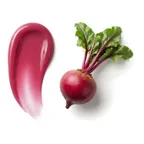 Beta Vulgaris
 Sodium Hyaluronate
 Vitamin E
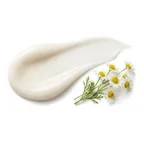 Bisabolol
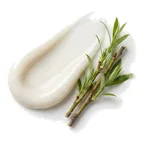 Willow Bark Extract
Average
- HighOily Skin Fit
- AverageEffectiveness
- HighSafety
Works for oily acne-prone skin; other sunscreens fit it better.
This fit is calculated for the concerns frequently associated with oily acne-prone skin: shine, breakouts, blemishes, and enlarged pores. For scores and recommendations based on your full skin profile, including your 12D face scan results and any goals or preferences you have, please use the Lovi app.
Updated How the Fit score works
Lovi Assistant explains
- Offers moderate exfoliation and anti-inflammatory benefits suitable for your oily skin, with willow bark extract and bisabolol addressing oiliness and potential irritation.
- While it provides excellent sun protection with a blend of UV filters and hydration from sodium hyaluronate, it does not specifically target your acne, blemishes, and breakouts.
- The product is safe for your skin, as it contains no harsh ingredients and is formulated without common irritants.
How to apply
- Use your moisturizing sunscreen every morning. Reapply throughout the day if you are outside.
- Apply this moisturizing sunscreen as the final step of your morning routine after your moisturizer.
- Gently smooth a nickel-sized amount over your face and neck, avoiding harsh rubbing to keep oily areas calm.
- Apply this moisturizing sunscreen on clean, dry skin to ensure even coverage and protection.
- Avoid getting the product into your eyes and do a patch test before your first use.
People Say
★4.7Overall rating based on 5.0k+ reviewsBased on a very large amount of data, users consistently praise this sunscreen for its lightweight, fluid texture that absorbs easily without leaving a white cast, making it a favorite for those with sensitive or dry skin seeking a hydrating, dewy finish. Individuals with oily skin often find the finish too shiny or greasy, and some users report eye irritation or pilling when layered with certain products.
Highlights
Lightweight texture Mostly Mentioned
- “absorbs quickly”
- “feels like moisturizer”
- “fluid consistency”
- “not heavy”
No white cast Mostly Mentioned
- “transparent on dark skin”
- “invisible finish”
- “clear application”
- “no chalky residue”
Hydrating finish Often Mentioned
- “leaves skin dewy”
- “moisturizing for dry skin”
- “glowy look”
- “skips moisturizer step”
Non-irritating Sometimes Noted
- “gentle on sensitive skin”
- “no breakouts”
- “soothing beet extract”
- “good for acne-prone”
Pleasant application Sometimes Noted
- “easy to spread”
- “convenient pump/tube”
- “no strong fragrance”
- “layers well under makeup”
Greasy/shiny finish Sometimes Noted
- “too oily for summer”
- “looks sweaty”
- “not for oily skin”
- “excessive glow”
Availability/Price Rarely Noted
- “hard to find in stores”
- “shipping costs high”
- “small bottle size”
- “often out of stock”
Eye stinging Rarely Noted
- “burns eyes if sweating”
- “tears up sensitive eyes”
- “stings upon application”
Not waterproof Rarely Noted
- “runs when sweating”
- “not for sports”
- “requires frequent reapplication”
- “washes off easily”
Pilling issues Rarely Noted
- “pills near hairline”
- “balls up over serums”
- “flakes with reapplication”
Sources: lovi.care, kravebeauty.com, skinsort.com, thingtesting.com, influenster.com, reddit.com, and more
Questions and answers
How well does KraveBeauty Beet The Sun work for oily acne-prone skin?
This moisturizing spf works adequately for oily skin by offering sun protection and soothing irritation with willow bark extract and bisabolol, but it does not specifically target acne and breakouts. An ideal product of this type for this skin needs lightweight hydration and ingredients like niacinamide or centella asiatica to actively address blemishes without causing excess oiliness.
Journal of Cosmetic Dermatology, 2024Journal of Cosmetic Dermatology, 2019
Which ingredients make this cream a good fit for oily acne-prone skin?
Willow bark extract and bisabolol help soothe oily skin and calm irritation, while sodium hyaluronate provides lightweight hydration. A sunscreen for this skin type also needs ingredients like niacinamide and centella asiatica to actively target blemishes and breakouts.
Journal of Cosmetic Dermatology, 2024Journal of Cosmetic Dermatology, 2019
What does Beet Root Extract do for oily acne-prone skin?
Beet root extract may help calm oily acne-prone skin thanks to its antioxidant properties. Products for this skin type typically need ingredients that balance oil and soothe redness.
What does Hyaluronic Acid do for oily acne-prone skin?
Hyaluronic acid helps oily acne-prone skin by lowering excess oil production and improving skin hydration without causing irritation. It may also enhance the effectiveness of acne treatments while keeping the skin barrier strong.
Where does it go in a skincare routine for oily acne-prone skin?
This moisturizing spf goes in the morning as the final step before makeup, right after your moisturizer. It provides gentle sun protection and hydration for your oily skin, though an oily acne-prone routine ultimately needs targeted blemish-fighting ingredients to best manage breakouts.
Can I use this cream with retinol, and in what order?
How often should I use it?
You can use this moisturizing SPF every morning as the final step of your daytime routine. It provides reliable sun protection and gentle hydration, though oily acne-prone skin also needs targeted blemish-fighting ingredients to stay clear.
Can this cream clog pores, cause breakouts or purging for oily acne-prone skin?
This cream works for your skin, though other products fit it better because it does not specifically target your acne, blemishes, and breakouts. Oily acne-prone skin needs ingredients that directly target breakouts and blemishes, such as salicylic acid or benzoyl peroxide.
Is it fragrance-free and alcohol-free?
Yes, it has no fragrance and no drying alcohol.
What the research says
A novel emulsion containing niacinamide, lens esculenta seed extract, and white willow bark extract effectively improved acne, blackheads, and conspicuous facial pores in 30 subjects with oily skin.
Journal of Cosmetic Dermatology, 2024A botanical face cleanser with hops and willow bark extract continuously reduced skin sebum levels without reactive seborrhea after treatment in 21 healthy volunteers compared to a sodium laureth sulfate cleanser, with neither cleanser causing skin irritation.
Journal of Cosmetic Dermatology, 2019Co-culturing mesenchymal stem cells and human keratinocytes on nylon66 electrospun scaffolds loaded with Beta vulgaris extract enhanced cell proliferation and promoted epithelial differentiation compared to mono-cell culturing.
Materials Science & Engineering. C, Materials for Biological Applications, 2017An aqueous extract of Beta vulgaris reduced lipid accumulation and reactive oxygen species in human HaCaT keratinocyte cells treated with palmitic/oleic acids or hydrogen peroxide.
International Journal of Molecular Sciences, 2026Topical application of 0.1% hyaluronic acid formulations of different molecular weights led to significant improvements in skin hydration and elasticity, with low-molecular-weight formulations also significantly reducing wrinkle depth in seventy-six female subjects compared to a vehicle control.
Journal of Drugs in Dermatology, 2011Topical hyaluronic acid serum used twice daily by 40 females with facial photoaging produced an immediate 134% increase in skin hydration, a sustained 55% increase at week 6, and significant improvements in smoothness, plumping, fine lines, wrinkles, and global appearance without causing irritation.
Dermatology and Therapy, 2021A topical antioxidant serum significantly reduced air pollution-induced skin pigmentation and proinflammatory gene expression ex vivo, and improved skin aging signs in 40 healthy adult females after 90 days of daily use.
Journal of Cosmetic Dermatology, 2022Topical application of an antioxidant serum containing 15% ascorbic acid, 0.5% ferulic acid, and 1% tocopherol prevented particulate matter-induced degradation of extracellular matrix components, inflammation, and oxidative stress in the skin of 15 female volunteers compared to untreated controls.
Journal of Cosmetic Dermatology, 2025Dermatological products containing d-alpha tocopheryl acetate showed non-comedogenic potential with less than a 50% increase in microcomedones in 12 healthy male subjects compared to octyl palmitate.
Contemporary Clinical Trials Communications, 2021Topical application of an antioxidant mix containing 15% ascorbic acid, 0.5% ferulic acid, and 1% tocopherol prevented PM and UV-induced skin barrier perturbation, lipid peroxidation, inflammatory markers, MMP9 activation, and Type I collagen loss in 15 healthy females compared to untreated exposed skin.
Journal of Cosmetic Dermatology, 2024Application of an alpha-bisabolol-containing cream produced a significant skin-lightening effect in pigmented skin compared to a vehicle control in the majority of female subjects after 8 weeks.
International Journal of Cosmetic Science, 2010The combination of allantoin, bisabolol, D-panthenol and dipotassium glycyrrhizinate reduces UVB-induced PGE2, inflammatory cytokines, and mitochondrial superoxide in human epidermal keratinocytes.
International Journal of Cosmetic Science, 2024Bioactive lipid nanocarriers co-loaded with willow bark or ivy leaf extracts and UV-filters provided pronounced UVA photoprotection up to an SPF-equivalent value of 13 and a maximum in vivo skin hydration effect of 97% when prepared with pomegranate oil.
Nanomaterials, 2022A topical serum containing 0.5% salicin applied twice daily reduced visible signs of skin aging, including wrinkles and tactile roughness, in 30 female subjects over 12 weeks compared to baseline.
Journal of Cosmetic Dermatology, 2010Topical treatment with 2% Salix alba bark extract cream improved dark circles, skin microcirculation, and elasticity in 29 subjects over 8 weeks.
International Journal of Cosmetic Science, 2023
Ingredients
Homosalate, Octisalate, Avobenzone, Octocrylene, Water, Propanediol, Pentylene Glycol, 2-Hexanediol, Acrylates C10-30 Alkyl Acrylate Crosspolymer, Beta Vulgaris Root Extract, Bisabolol, Caprylyl Glycol, Citric Acid, Ethylhexyl Methoxycrylene, Clove Bud Extract, Sodium Hyaluronate, Hydroxyacetophenone, Isohexadecane, Polysorbate 80, Willow Bark Extract, Sodium Acrylate Sodium Acryloyldimethyl Taurate Copolymer, Sodium Hydroxide, Solidago Virgaurea Extract, Tocopheryl Acetate, Trisodium Ethylenediamine Disuccinate, Xanthan Gum
Behind this fit score
Lovi calculates every fit score from the full ingredient list with brand-independent rules our dermatologists and cosmetic chemists build and review, and personalizes every pick with AI trained on the real results of millions of users. Lovi trains its fit score models on a proprietary dataset built from more than 10,000 expert-labeled products and more than 100,000 simulated examples, following an internally consistent methodology presented at Cosmoprof, AMWC, and Skin of Color Update.
-

Co-founder, Medical Director
Cosmetic chemist, cosmetologist, aesthetic products developer
-

Co-founder, CEO and CTO
PhD in computer science, 3x US patent holder, ex-Google, ex-Yandex
-

Dr. Sofía Perea Pérez, MD, MSc
Medical Board
Aesthetic medicine practitioner, MSc in Longevity and Anti-Aging Medicine
-

Medical Board
Specialist dermatologist, MBBS, MD, IFAAD
-

Medical Board
Cosmetic chemist, SCS, IFSCC member
-

Medical Board, Medical Advisor
Dermatology MD
-

Elina Nazarenko, MD
Medical Board
Dermatology and diagnostic consultant
-

Victoria Derkova, MS
Medical Board
Cosmetic chemist, cosmetic development technologist


How does it fit your skin?
Scan your face, then any product: Lovi shows how well it fits you and what fits even better.