
KORRES Santorini Grape Poreless Skin Cream for oily acne-prone skin

 Salicylic Acid
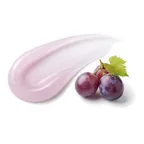 Santorini Grape Extract
 Sodium Hyaluronate
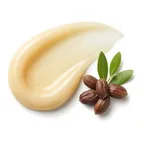 Jojoba Seed Oil
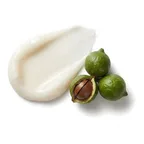 Macadamia Seed Oil
High
- HighOily Skin Fit
- HighEffectiveness
- ExcellentSafety
A great choice for oily acne-prone skin; a few moisturizers fit it even better.
This fit is calculated for the concerns frequently associated with oily acne-prone skin: shine, breakouts, blemishes, and enlarged pores. For scores and recommendations based on your full skin profile, including your 12D face scan results and any goals or preferences you have, please use the Lovi app.
Updated How the Fit score works
Lovi Assistant explains
- Highly suitable for your oily, acne-prone skin as salicylic acid and lactic acid offer moderate exfoliation and pore refining, while Vitis Vinifera Fruit Extract aids in managing oiliness. Epilobium Fleischeri Extract further supports breakout management and shine control.
- Sodium hyaluronate provides excellent hydration, and Calendula Officinalis Extract and Rosmarinus Officinalis Leaf Extract ensure a soothing experience with no risk of irritation for your oily skin.
- The safety profile is excellent, with no harsh ingredients and a blend of soothing extracts that are well-tolerated by oily and sensitive skin types.
How to apply
- Use this AM and PM routine every day to help clear your skin. Always remember to finish with SPF in the morning.
- Apply the moisturizer after your cleanser and toner, right before your SPF during the day.
- Gently press a small amount into your skin and avoid rubbing to keep pores clear.
- Apply on clean, slightly damp skin to help the product absorb better and control oil.
- Avoid the sensitive eye area and do a simple patch test before your first use.
People Say
★4.5Overall rating based on 4.1k+ reviewsBased on a very large amount of data, this lightweight gel-cream is highly recommended for oily and combination skin types, effectively controlling shine and providing a matte finish without feeling heavy. Users frequently report softer skin and a smoother complexion, though results for pore reduction are inconsistent, with some noticing significant blurring and others finding the effect minimal. This product is generally well-tolerated by sensitive skin.
Highlights
Lightweight texture Mostly Mentioned
- “absorbs instantly”
- “feels like nothing on”
- “perfect for humid weather”
- “zero residue left”
Controls oil Often Mentioned
- “kept me matte all day”
- “controlled my T-zone oil”
- “no midday shine”
- “balances sebum production”
Smooths skin Often Mentioned
- “skin feels baby soft”
- “velvety finish”
- “makeup glides on perfectly”
- “improves skin surface”
Not for dry skin Often Mentioned
- “felt tight after an hour”
- “need more moisture”
- “clings to dry patches”
- “not hydrating enough for winter”
Good for sensitive Sometimes Noted
- “calmed my redness”
- “gentle on acne-prone skin”
- “no stinging”
Pore reduction subtle Sometimes Noted
- “didn't erase pores”
- “pores look the same”
- “blurring effect is minimal”
- “expected more pore shrinking”
Small for price Sometimes Noted
- “jar is very small”
- “expensive for the amount”
- “ran out too quickly”
- “pricey for a daily moisturizer”
Strong fragrance Rarely Noted
- “scent is too overpowering”
- “smells like strong grapes”
- “fragrance lingered too long”
- “wish it was unscented”
Sources: lovi.care, korres.com, sephora.co.uk, ulta.com, lovelyskin.com, amazon.com, and more
Questions and answers
What makes KORRES Santorini Grape Poreless Skin Cream a great fit for oily acne-prone skin?
This cream is a great fit for your oily, acne-prone skin because salicylic acid and lactic acid help clear out pores, while grape extract and willowherb manage oil and shine. It also includes sodium hyaluronate for hydration and soothing plant extracts that calm your skin without causing irritation.
BioMed Research International, 2020Journal of Cosmetic Dermatology, 2024
Which ingredients make this cream a good fit for oily acne-prone skin?
This cream is a great fit for your oily acne-prone skin because salicylic acid and lactic acid help clear pores, while grape fruit extract and willow herb extract manage oiliness and shine. Sodium hyaluronate keeps your skin hydrated without heaviness, and calendula and rosemary extracts calm your skin with very little risk of irritation.
Journal of Cosmetic Dermatology, 2024Acta Poloniae Pharmaceutica, 2011
What does Salicylic Acid do for oily acne-prone skin?
Salicylic acid helps oily acne-prone skin by clearing out pores to reduce both red spots and bumps while keeping the skin calm. It also decreases extra oil and supports skin hydration to keep the face balanced.
Journal of Cosmetic Dermatology, 2025Experimental Dermatology, 2019
What does Santorini Grape Extract do for oily acne-prone skin?
Santorini grape extract helps control excess shine and balances oily skin without feeling heavy. It is rich in antioxidants that help calm redness and keep pores clear, making it a great match for acne-prone skin.
Where does this cream go in a skincare routine for oily acne-prone skin?
This cream goes in the morning routine after your hydrating toner, and in the evening routine as your final moisturizing step. It is a great fit for your oily, acne-prone skin because it helps clear pores and control shine while keeping your skin calm and hydrated.
BioMed Research International, 2020Journal of Cosmetic Dermatology, 2024
Can I use this cream with retinol, and in what order?
You can use this cream with retinol by applying the retinol first and following with this moisturizer to help keep your skin calm and hydrated. Using a supportive moisturizer alongside retinol helps reduce dryness and irritation while keeping your skin smooth.
How often should I use this cream?
You can use this moisturizing treatment daily to keep your skin smooth and hydrated while helping manage oiliness and breakouts. Its gentle formula is well-tolerated and unlikely to cause irritation.
Journal of Cosmetic Dermatology, 2020Health Science Reports, 2021
Can this cream clog pores, cause breakouts or purging for oily acne-prone skin?
This cream is a great fit for oily, acne-prone skin and is unlikely to clog pores or cause breakouts because it contains salicylic acid and grape extract to help manage oil and refine pores. It also includes soothing extracts like calendula and rosemary, which are well-tolerated and help keep the skin calm.
BioMed Research International, 2020Journal of Cosmetic Dermatology, 2024
Can I use this cream around the eyes or on my body?
This cream is generally suitable for your face, but it is not specifically tested for the thin skin around the eyes or general body use. You should check the label to ensure it matches your specific body or eye care needs.
Is this cream fragrance-free and alcohol-free?
It has no drying alcohol and contains fragrance (parfum).
What the research says
A moisturizer containing licochalcone A, 1,2-decanediol, L-carnitine, and salicylic acid significantly reduced noninflammatory, inflammatory, and total acne lesion counts compared to a vehicle control in Thai patients during a 12-week maintenance phase.
BioMed Research International, 2020Twice daily application of a multitargeted dermocosmetic cream provided comparable efficacy to benzoyl peroxide 5% gel in reducing inflammatory, non-inflammatory, and total lesions in 150 Caucasian subjects with mild-to-moderate acne over 56 days, while demonstrating superior skin tolerability.
Journal of Cosmetic Dermatology, 2024The use of a salicylic acid-based dermocosmetic significantly reduces the needed quantity of benzoyl peroxide without impacting efficacy in mild to moderate acne, and as maintenance post-benzoyl peroxide allows a significant reduction of acne relapse compared to vehicle.
Journal of Drugs in Dermatology, 2023Topical application of Calendula officinalis extract cream significantly improved skin hydration and firmness (reflected in significant changes in R0 and R6 parameters) in 21 healthy human volunteers compared to a base cream.
Acta Poloniae Pharmaceutica, 2011A facial serum containing snail secretion filtrate, Calendula officinalis, and Glycyrrhiza glabra root extract significantly reduced inflammatory acne lesions compared to placebo in 66 participants with mild-to-moderate maskne over 12 weeks.
Journal of Cosmetic Dermatology, 2022Treatment with 2% supramolecular salicylic acid hydrogel resulted in a regression and markedly improvement rate of 51.01% compared to 43.10% for Adapaline gel in patients with mild to moderate facial acne vulgaris, showing no significant difference in efficacy.
Journal of Cosmetic Dermatology, 2024Topical 5% benzoyl peroxide plus salicylic acid achieved the greatest lesion reduction at early 2 to 4 week time points compared to benzoyl peroxide, clindamycin, and combination benzoyl peroxide/clindamycin, while 5% benzoyl peroxide plus salicylic acid and combination benzoyl peroxide/clindamycin showed similar efficacy at 10 to 12 weeks in acne patients.
Journal of the American Academy of Dermatology, 2010Post-peel application of either topical tretinoin (0.25%) or retinol (0.25%) after a 30% salicylic acid peel effectively improves signs of photodamage compared to baseline in female subjects, with tretinoin performing slightly better than retinol in texture, roughness, and overall appearance at week 4.
Journal of Drugs in Dermatology, 2016A nighttime topical antioxidant containing resveratrol, baicalin, and vitamin E significantly improved fine lines, wrinkles, firmness, elasticity, laxity, hyperpigmentation, radiance, roughness, and dermal thickness in subjects with mild to moderately photodamaged skin over 12 weeks.
Journal of Drugs in Dermatology, 2014Resveratrol and its analogs demonstrated efficacy in human skin lightening and antiaging in clinical studies.
Antioxidants, 2019Resveratrol acts as a direct and indirect tyrosinase inhibitor and regulates keratinocytes to prevent melanocyte stimulation, functioning as a potent topical hypopigmenting agent.
International Journal of Molecular Sciences, 2019Topical application of 0.1% hyaluronic acid formulations of different molecular weights led to significant improvements in skin hydration and elasticity, with low-molecular-weight formulations also significantly reducing wrinkle depth in seventy-six female subjects compared to a vehicle control.
Journal of Drugs in Dermatology, 2011Topical hyaluronic acid serum used twice daily by 40 females with facial photoaging produced an immediate 134% increase in skin hydration, a sustained 55% increase at week 6, and significant improvements in smoothness, plumping, fine lines, wrinkles, and global appearance without causing irritation.
Dermatology and Therapy, 2021A topical antioxidant serum significantly reduced air pollution-induced skin pigmentation and proinflammatory gene expression ex vivo, and improved skin aging signs in 40 healthy adult females after 90 days of daily use.
Journal of Cosmetic Dermatology, 2022Topical formulations containing 3.75% glycerol and 1.25% hydrolyzed jojoba esters produced significantly lower evaporative TEWL values compared to glycerol alone at 8 and 24 hours posttreatment in human subjects.
Journal of Cosmetic Dermatology, 2008Topical application of 1.0% Lactobacillus ferment from jojoba cake significantly increased skin collagen fluorescence compared to baseline and placebo cream over 56 days in 46 individuals.
International Journal of Cosmetic Science, 2026Clay jojoba oil facial masks reduced total skin lesions by a mean of 54% after 6 weeks in 133 participants with acne-prone, lesioned skin and mild acne compared to baseline.
Forschende Komplementarmedizin, 2012
Ingredients
Water, Glycerin, Jojoba Seed Oil, C12-15 Alkyl Benzoate, Dicaprylyl Carbonate, Ammonium Acryloyldimethyltaurate Vp Copolymer, Dicaprylyl Ether, Macadamia Ternifolia Seed Oil Macadamia Seed Oil, Potassium Cetyl Phosphate, Vitis Vinifera Fruit Extract Grape Fruit Extract, Acrylates C10-30 Alkyl Acrylate Crosspolymer, Ascorbyl Palmitate, Calendula Officinalis Extract, Caprylyl Glycol, Citric Acid, Cyclodextrin, Epilobium Fleischeri Stem Extract Flower Leaf, Glyceryl Stearate, Glycine Soja Oil Soybean Oil, Helianthus Annuus Seed Oil Sunflower Seed Oil, Lactic Acid, Olea Europaea Oil Fruit Olive Oil Fruit, Panthenol, Persea Gratissima Oil Avocado Oil, Phytosterols, Punica Granatum Fruit Extract, Rosmarinus Officinalis Leaf Extract Rosemary Leaf Extract, Sodium Gluceptate, Sodium Hyaluronate, Sodium Hydroxide, Sorbitan Oleate, Tocopherol, Tocopheryl Acetate, Troxerutin, Phenoxyethanol, Potassium Sorbate, Salicylic Acid, Sodium Benzoate, Parfum
Behind this fit score
Lovi calculates every fit score from the full ingredient list with brand-independent rules our dermatologists and cosmetic chemists build and review, and personalizes every pick with AI trained on the real results of millions of users. Lovi trains its fit score models on a proprietary dataset built from more than 10,000 expert-labeled products and more than 100,000 simulated examples, following an internally consistent methodology presented at Cosmoprof, AMWC, and Skin of Color Update.
-

Co-founder, Medical Director
Cosmetic chemist, cosmetologist, aesthetic products developer
-

Co-founder, CEO and CTO
PhD in computer science, 3x US patent holder, ex-Google, ex-Yandex
-

Dr. Sofía Perea Pérez, MD, MSc
Medical Board
Aesthetic medicine practitioner, MSc in Longevity and Anti-Aging Medicine
-

Medical Board
Specialist dermatologist, MBBS, MD, IFAAD
-

Medical Board
Cosmetic chemist, SCS, IFSCC member
-

Medical Board, Medical Advisor
Dermatology MD
-

Elina Nazarenko, MD
Medical Board
Dermatology and diagnostic consultant
-

Victoria Derkova, MS
Medical Board
Cosmetic chemist, cosmetic development technologist


How does it fit your skin?
Scan your face, then any product: Lovi shows how well it fits you and what fits even better.