
Kate Somerville Daily Deflector Mineral Sunscreen for oily skin

 Zinc Oxide
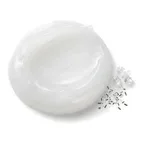 Ectoin
 Ceramide Np
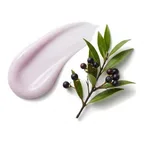 Tasmannia Lanceolata Leaf Extract
 Tocopherol
High
- SuperiorOily Skin Fit
- HighEffectiveness
- ExcellentSafety
A great choice for oily skin; a few sunscreens fit it even better.
This fit is calculated for the concerns frequently associated with oily skin: shine, enlarged pores, blackheads, and blemishes. For scores and recommendations based on your full skin profile, including your 12D face scan results and any goals or preferences you have, please use the Lovi app.
Updated How the Fit score works
Lovi Assistant explains
- Excellent suitability for your oily skin is provided by zinc oxide and polymethylsilsesquioxane silica crosspolymer, which control sebum and offer a mattifying effect to address oily shine. Ectoin and Tasmannia Lanceolata Leaf Extract Fruit further support your skin by providing soothing benefits and calming inflammation.
- The robust sunscreen effect from a high concentration of zinc oxide offers excellent protection against UV rays, complementing the mattifying properties.
- The formulation is safe for your skin, with no risks of irritation due to the absence of harsh ingredients and the inclusion of soothing components.
How to apply
- Apply this sunscreen during your AM routine every single day. Reapply every two hours if you are staying outdoors.
- Apply the sunscreen as the final step of your morning skincare routine after your moisturizer. Allow your moisturizer to absorb fully before putting it on.
- Squeeze a generous amount and pat it gently all over your face and neck. Avoid rubbing the product harshly into your skin.
- Apply the sunscreen directly onto dry skin to ensure it forms an even and protective layer against the sun.
- Avoid getting the product directly into your eyes and stop using it if any irritation occurs.
People Say
★3.6Overall rating based on 100+ reviewsBased on limited data, users appreciate the high-level protection and restorative ingredients, which appeal to those with sensitive or aging skin. However, the product is frequently criticized for leaving a significant white cast that is difficult to blend, particularly on darker skin tones, and for a texture that some find chalky or drying.
Highlights
Visible white cast Mostly Mentioned
- “look like a ghost”
- “white film on eyebrows”
- “bad for my skin tone”
- “leaves too much whitecast”
Effective sun protection Often Mentioned
- “protects against blue light”
- “reliable sun protection”
- “deflects UV rays”
- “prevent early signs of aging”
Difficult to blend Often Mentioned
- “needed to massage a lot”
- “hard to blend”
- “sits on hairline”
- “chalky texture”
Good for sensitive skin Sometimes Noted
- “suitable for sensitive skinned”
- “mild reaction”
- “did not sting”
- “great for acne-prone”
Lightweight texture Sometimes Noted
- “lightweight and fluid”
- “feels like a lotion”
- “satin finish”
- “absorbs easily”
Quality ingredients Sometimes Noted
- “restores skin barrier”
- “hydrating ingredients”
- “contains vitamin E”
- “anti-aging benefit”
Drying finish Sometimes Noted
- “not very hydrating”
- “too chalky”
- “felt dry”
- “emphasized dry spots”
High price point Rarely Noted
- “expensive for the amount”
- “would not repurchase”
- “pricey sunscreen”
Sources: lovi.care, cultbeauty.co.uk, influenster.com, lookfantastic.com, skintskincare.com, wimj.com, and more
Questions and answers
What makes Kate Somerville Daily Deflector Mineral Sunscreen a great fit for oily skin?
This sunscreen is a great fit because zinc oxide and silica crosspolymer control sebum to give you a matte finish without unwanted shine. Ectoin and Tasmanian pepperberry extract help calm and soothe your skin while protecting against UV rays without causing irritation.
Which ingredients make this sunscreen a good fit for oily skin?
Zinc oxide and polymethylsilsesquioxane silica crosspolymer make this sunscreen a great fit for oily skin because they control sebum and keep shine down with a mattifying effect. Ectoin and Tasmannia lanceolata leaf extract further help by calming inflammation and soothing your skin.
What does Zinc Oxide do for oily skin?
Zinc oxide helps calm oily and breakout-prone skin by reducing redness and targeting blemish-causing bacteria. It also may help balance oil production while keeping your skin feeling comfortable.
What does Ectoin do for oily skin?
Ectoin helps calm and protect oily skin by holding onto moisture without adding heavy oils or clogging pores. It supports the skin barrier and reduces water loss, which keeps the skin feeling soft and balanced.
Clinics in Dermatology, 2008Arhiv Za Higijenu Rada I Toksikologiju, 2016
Where does this sunscreen go in a skincare routine for oily skin?
This sunscreen goes as the last step of your morning skincare routine, right after your moisturizer. Zinc oxide and polymethylsilsesquioxane silica crosspolymer help control sebum and keep your face looking matte all day.
Can I use it with retinol, and in what order?
You can use this sunscreen in the morning as the final step before makeup, well after applying your nighttime retinol. Using a barrier-supporting product like this helps keep your skin calm and is unlikely to cause irritation.
How often should I use this sunscreen?
You can use this sunscreen every morning as the final step in your daytime routine. Zinc oxide and polymethylsilsesquioxane silica crosspolymer help control sebum and keep oily shine at bay.
Can it clog pores, cause breakouts or purging for oily skin?
This sunscreen is a great fit for oily skin and is unlikely to clog pores or cause breakouts because it uses zinc oxide and silica crosspolymer to control sebum and keep shine down.
Is this sunscreen fragrance-free and alcohol-free?
Yes, it has no fragrance and no drying alcohol.
What the research says
Replacing microsized titanium dioxide and zinc oxide with nanoparticles in sunscreens eliminates opaqueness and alters UV protection balance while inducing (photo)cyto- and genotoxicity and penetrating viable skin layers during long-term exposures.
Nanotechnology, Science and Applications, 2011In 50 participants with sensitive skin, a Ceramide NP C15-containing emollient improved skin barrier function with a significant reduction in transepidermal water loss and induced modest changes in skin microbiota compared to the vehicle.
Skin Pharmacology and Physiology, 2026Topical 0.5% hyaluronic-ZnO nanogel applied twice daily reduced inflammatory-lesion counts by 58% at week four in human subjects compared to baseline without causing erythema.
Biomedicines, 2025Daily use of a deep cleansing gel containing salicylic acid 2%, zinc gluconate 0.2% and lipohydroxy acid 0.05% significantly reduced total lesion count by 56.3% after 84 days in 35 subjects with mild to moderate truncal acne.
Clinical, Cosmetic and Investigational Dermatology, 2023Topical zinc oxide nanogels formulated using Dendrobium anosmum showed greater effectiveness against Gram-positive acne-causing bacteria compared to chemogenic nanoparticles.
Molecules, 2023Topical application of an ectoine-containing emulsion protects cellular membranes from surfactant-induced damage and strengthens the skin barrier by reducing transepidermal water loss.
Clinics in Dermatology, 2008Combining ectoine and mannitol with UV filters significantly improved protection of squalene oxidation, catalase activity, and trans-UCA compared to UV filters alone in 10 subjects on irradiated areas.
Journal of Cosmetic Dermatology, 2024Regular application of a novel anti-ageing cream containing hyaluronic acid, ectoin, and botanical actives significantly reduced wrinkle depth and length in the periorbital area while demonstrating very good skin tolerance.
Polymers, 2023Ceramide and niacinamide-containing moisturizer combined with anti-acne treatment significantly improved non-inflammatory, inflammatory, and total acne lesions compared to hydrophilic cream in 40 patients with mild to moderate acne vulgaris after 8 weeks.
Journal of Cosmetic Dermatology, 2024Topical application of a pseudo-ceramide-containing spray improved stratum corneum water content, transepidermal water loss, cell area, and scaling score, and normalized the ceramide profile in patients with dry and sensitive skin compared to a control spray.
Journal of Cosmetic Dermatology, 2025Topical Tasmannia lanceolata extract reduced skin roughness, increased firmness, dermal density, and thickness of stabilized stretch marks compared to placebo in 29 women over 8 weeks, alongside increased pro-collagen I, elastin, and TGF-beta concentrations in ex vivo human skin explants.
Journal of Cosmetic Dermatology, 2021Topical application of an antioxidant serum containing 15% ascorbic acid, 0.5% ferulic acid, and 1% tocopherol prevented particulate matter-induced degradation of extracellular matrix components, inflammation, and oxidative stress in the skin of 15 female volunteers compared to untreated controls.
Journal of Cosmetic Dermatology, 2025Dermatological products containing d-alpha tocopheryl acetate showed non-comedogenic potential with less than a 50% increase in microcomedones in 12 healthy male subjects compared to octyl palmitate.
Contemporary Clinical Trials Communications, 2021Topical application of an antioxidant mix containing 15% ascorbic acid, 0.5% ferulic acid, and 1% tocopherol prevented PM and UV-induced skin barrier perturbation, lipid peroxidation, inflammatory markers, MMP9 activation, and Type I collagen loss in 15 healthy females compared to untreated exposed skin.
Journal of Cosmetic Dermatology, 2024
Ingredients
Zinc Oxide, Water, Isoamyl Laurate, Polymethylsilsesquioxane Silica Crosspolymer, Glycerin, Undecane, Isododecane, Butyloctyl Salicylate, Cetearyl Dimethicone, Tridecane, Peg Ppg-18 18 Dimethicone, Cocoglycerides, Lauryl Peg-9 Polydimethylsiloxyethyl Dimethicone, Dimethicone, Propanediol, Sodium Chloride, Ethylhexyl Methoxycrylene, Ectoin, Tasmannia Lanceolata Leaf Extract Fruit, Hydroxyectoin, Ceramide Np, Phytosphingosine, Ceramide Ap, Tocopherol, Ceramide Eop, Tocopheryl Acetate, Disteardimonium Hectorite, Coconut Alkanes, 1,2-Hexanediol, Propylene Carbonate, Sodium Lauroyl Lactylate, Trisodium Ethylenediamine Disuccinate, Caprylhydroxamic Acid, Coco-Caprylate Caprate, Cholesterol, Xanthan Gum, Carbomer, Sodium Citrate
Behind this fit score
Lovi calculates every fit score from the full ingredient list with brand-independent rules our dermatologists and cosmetic chemists build and review, and personalizes every pick with AI trained on the real results of millions of users. Lovi trains its fit score models on a proprietary dataset built from more than 10,000 expert-labeled products and more than 100,000 simulated examples, following an internally consistent methodology presented at Cosmoprof, AMWC, and Skin of Color Update.
-

Co-founder, Medical Director
Cosmetic chemist, cosmetologist, aesthetic products developer
-

Co-founder, CEO and CTO
PhD in computer science, 3x US patent holder, ex-Google, ex-Yandex
-

Dr. Sofía Perea Pérez, MD, MSc
Medical Board
Aesthetic medicine practitioner, MSc in Longevity and Anti-Aging Medicine
-

Medical Board
Specialist dermatologist, MBBS, MD, IFAAD
-

Medical Board
Cosmetic chemist, SCS, IFSCC member
-

Medical Board, Medical Advisor
Dermatology MD
-

Elina Nazarenko, MD
Medical Board
Dermatology and diagnostic consultant
-

Victoria Derkova, MS
Medical Board
Cosmetic chemist, cosmetic development technologist


How does it fit your skin?
Scan your face, then any product: Lovi shows how well it fits you and what fits even better.