
iS Clinical Reparative Moisture Emulsion for combination skin

 Sodium Hyaluronate
 Glycerin
 Squalane
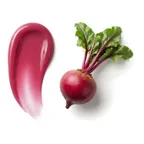 Beta Vulgaris Root Extract
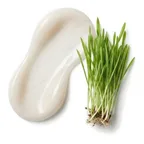 Superoxide Dismutase
Average
- AverageCombination Skin Fit
- AverageEffectiveness
- ExcellentSafety
Works for combination skin; other moisturizers fit it better.
This fit is calculated for the concerns frequently associated with combination skin: an oily T-zone, enlarged pores, and dry cheeks. For scores and recommendations based on your full skin profile, including your 12D face scan results and any goals or preferences you have, please use the Lovi app.
Updated How the Fit score works
Lovi Assistant explains
- Offers moderate suitability for combination skin, as sodium hyaluronate and squalane provide excellent hydration and barrier support, though it lacks specific ingredients for optimal oil control on oily areas.
- The formula's humectant action from glycerin and general moisturizing benefits from tocopherol and panthenol are supportive for combination skin.
- The safety profile is excellent, with no risks of irritation due to the absence of harsh ingredients and the presence of soothing components like squalane and tocopherol.
How to apply
- Use this moisturizer in your AM and PM routine every day to control shine. Always pair with SPF in the morning.
- Apply this moisturizer after your cleanser and toner, right before your morning SPF.
- Gently press a small amount of the moisturizer into your skin and avoid harsh rubbing. Let it ⏳absorb for a minute.
- Apply the moisturizer on slightly damp skin to help it lock in moisture better. This keeps your combination skin balanced.
- Avoid the eye area when applying the moisturizer. Do a patch test before your first use.
People Say
★4.6Overall rating based on 600+ reviewsThis moisturizer is widely celebrated for its sophisticated, lightweight formula that delivers intense hydration and barrier repair without clogging pores or feeling greasy. Users across all skin types—including those with sensitive, mature, or acne-prone skin—report improved skin texture, a plumper appearance, and a smooth, glowing finish that works exceptionally well under makeup.
Highlights
Deeply hydrating Mostly Mentioned
- “Real moisture punch”
- “leaves skin hydrated”
- “intense hydration”
Lightweight, non-greasy Mostly Mentioned
- “Absorbs beautifully”
- “not heavy”
- “no greasy residue”
Improves skin texture Often Mentioned
- “Smoothed out texture”
- “skin feels softer”
- “visibly smoothing”
High price point Often Mentioned
- “Definitely pricey”
- “expensive”
- “investment”
Makeup-friendly Sometimes Noted
- “Perfect makeup primer”
- “sits beautifully under makeup”
- “foundation glides on”
Sensitive skin safe Sometimes Noted
- “Doesn't cause breakouts”
- “no stinging”
- “great for sensitive skin”
Insufficient for dry Rarely Noted
- “Need something heavier”
- “layering might be necessary”
May feel heavy Rarely Noted
- “Sits thickly”
- “like a mask”
- “takes time to sink in”
Unclear visible results Rarely Noted
- “Not sure if I've seen benefits”
- “not sure it does more”
Sources: lovi.care, bluemercury.com, artofskincare.com, clinicalguidehub.online, getskinbliss.com, dermapproved.com, and more
Questions and answers
How well does Reparative Moisture Emulsion work for combination skin?
This moisturizer works reasonably well for combination skin because ingredients like sodium hyaluronate and squalane provide good hydration and barrier support. However, it lacks specific ingredients to help control oil on oily areas. A product of this type needs targeted oil control ingredients along with balanced hydration to best fit combination skin.
International Journal of Biological Macromolecules, 2018American Journal of Clinical Dermatology, 2002
Which ingredients make this cream a good fit for combination skin?
Sodium hyaluronate and squalane make this cream a good fit because they provide great hydration and support the skin barrier, while glycerin adds helpful moisture. Combination skin also needs effective oil control on oily areas and brightening ingredients to reduce shine.
The Journal of Dermatological Treatment, 2017International Journal of Biological Macromolecules, 2018
What does Hyaluronic Acid do for combination skin?
Hyaluronic acid is a great fit for combination skin because it helps quench dry areas with deep hydration while keeping oily zones balanced. Regular use may improve smoothness and elasticity without clogging pores.
Journal of Drugs in Dermatology, 2011Dermatology and Therapy, 2021
What does Glycerin do for combination skin?
Glycerin helps keep combination skin soft and smooth by pulling moisture in and keeping it there. It improves hydration and supports your skin barrier, which is unlikely to cause irritation.
The British Journal of Dermatology, 2008Clinical, Cosmetic and Investigational Dermatology, 2017
Where does this cream go in a skincare routine for combination skin?
This cream goes as the moisturizer step in the morning routine and follows your treatment step in the evening routine. It works for this skin type, though a product for combination skin also needs specific ingredients for oil control on oily areas.
Can I use this cream with retinol, and in what order?
You can use this cream with retinol, applying the retinol first and following with the cream to keep your skin calm and hydrated. A moisturizer with a gentle barrier-supporting formula helps reduce the dryness and irritation that often come with retinol use. Combination skin also needs ingredients that help balance oil on shinier areas.
How often should I use this cream?
You can use this moisturizing treatment twice daily as part of your morning and evening routine. Regular use helps improve skin moisture, smoothness, and overall barrier support with a low risk of irritation.
Journal of Cosmetic Dermatology, 2020Health Science Reports, 2021
Can this cream clog pores, cause breakouts or purging for combination skin?
This cream is unlikely to clog pores or cause breakouts for combination skin, as it has an excellent safety profile without harsh ingredients. However, because it lacks specific oil control ingredients for oily areas, combination skin needs a formula with targeted oil-balancing components.
Can I use this cream around the eyes or on my body?
This moisturizing treatment is safe to use around the eyes and on the body because it features a gentle formula with soothing ingredients like squalane and tocopherol that are unlikely to cause irritation. Combination skin of this type needs additional oil-controlling ingredients for oily areas, alongside hydrating components like sodium hyaluronate and squalane.
Is this cream fragrance-free and alcohol-free?
Yes, it has no fragrance and no drying alcohol. Cetearyl alcohol is a fatty alcohol, which soften the skin.
What the research says
Hyaluronic acid-based formulations exhibit remarkable anti-wrinkle, anti-aging, and skin rejuvenating effects via soft tissue augmentation, improved skin hydration, and face volume restoration.
International Journal of Biological Macromolecules, 2018Application of squalene/phosphotungstate calcium nanowires (Sql/PWC) oleogel on UVB-irradiated skin decreased epidermal thickness, increased dermal thickness, and promoted the expression of elastin, collagen, and skin barrier markers through antioxidant and anti-inflammatory activities.
Journal of Nanobiotechnology, 2025Topical dexpanthenol acts as a moisturizer, improves stratum corneum hydration, accelerates wound healing and epidermal regeneration, reduces erythema, and improves symptoms of skin irritation compared to vehicle or no pretreatment.
American Journal of Clinical Dermatology, 2002A new topical panthenol-containing emollient significantly improved transepidermal water loss reduction, stratum corneum hydration, and intercellular lipid lamellae length compared with control in healthy subjects without negatively impacting bacterial viability.
The Journal of Dermatological Treatment, 2017A topical serum containing vitamin C, vitamin E, and raspberry leaf cell culture extract improved skin color, elasticity, radiance, smoothness, scaliness, and wrinkles compared to the untreated contralateral side in fifty female volunteers.
Journal of Cosmetic Dermatology, 2020Topical application of 0.1% hyaluronic acid formulations of different molecular weights led to significant improvements in skin hydration and elasticity, with low-molecular-weight formulations also significantly reducing wrinkle depth in seventy-six female subjects compared to a vehicle control.
Journal of Drugs in Dermatology, 2011Topical hyaluronic acid serum used twice daily by 40 females with facial photoaging produced an immediate 134% increase in skin hydration, a sustained 55% increase at week 6, and significant improvements in smoothness, plumping, fine lines, wrinkles, and global appearance without causing irritation.
Dermatology and Therapy, 2021A topical antioxidant serum significantly reduced air pollution-induced skin pigmentation and proinflammatory gene expression ex vivo, and improved skin aging signs in 40 healthy adult females after 90 days of daily use.
Journal of Cosmetic Dermatology, 2022A single application of a moisturizing fluid containing hyaluronic acid 1%, glycerin 5%, and Centella asiatica stem cells extract significantly increased skin hydration by 29% and reduced transepidermal water loss at 24 hours compared to baseline and an untreated control site in twenty healthy women.
Clinical, Cosmetic and Investigational Dermatology, 2017The emollient V0034CR significantly reduced TEWL compared to vehicle and vehicle plus glycerol, and significantly increased corneometry scores compared to vehicle and vehicle plus petrolatum in healthy volunteers with dry skin, demonstrating combined barrier function improvement from petrolatum and hydration improvement from glycerol.
Journal of Cosmetic Dermatology, 2020Ten days of treatment with a cream containing 20% glycerin significantly increased skin hydration measured by corneometer values in 17 healthy volunteers compared to a placebo cream, but showed no influence on transepidermal water loss or skin sensitivity to an irritating surfactant.
International Journal of Cosmetic Science, 2001Application of fullerene-C60 dissolved in squalane cream twice daily for 8 weeks significantly enhanced skin moisture and reduced wrinkle formation compared to placebo in 23 Japanese women without severe side effects.
Journal of Nanoscience and Nanotechnology, 2010Squalane at 0.005-0.015% counteracts UVA-induced oxidative stress, inflammation, and collagen metabolism inhibition while stimulating fibroblast migration in human dermal fibroblasts.
Molecules, 2025Plant-derived squalane protected human dermal fibroblasts against UVA-induced damage by counteracting ROS formation, suppressing apoptosis-related proteins p53, caspase-3, caspase-9, and PARP, and restoring the pro-survival p-Akt/mTOR pathway.
Antioxidants, 2025Co-culturing mesenchymal stem cells and human keratinocytes on nylon66 electrospun scaffolds loaded with Beta vulgaris extract enhanced cell proliferation and promoted epithelial differentiation compared to mono-cell culturing.
Materials Science & Engineering. C, Materials for Biological Applications, 2017An aqueous extract of Beta vulgaris reduced lipid accumulation and reactive oxygen species in human HaCaT keratinocyte cells treated with palmitic/oleic acids or hydrogen peroxide.
International Journal of Molecular Sciences, 2026Topical application of TAT-SOD significantly suppresses UVB-induced erythema formation, blood flow rise, and apoptotic sunburn cell formation in human volunteers compared to a vehicle control.
European Journal of Pharmaceutics and Biopharmaceutics, 2016Topical treatment with the synthetic SOD/catalase mimetic EUK-134 reduced lipid peroxide levels both at baseline on non-irradiated human skin and at the surface of UVA-exposed skin when applied before or after irradiation, compared to controls.
International Journal of Cosmetic Science, 2004Topical superoxide dismutase formulations maintained physical stability and enzymatic activity for 6 months at 4 and 30 degrees C, and effectively inhibited UVB-induced skin erythema for 48 hours, whereas formulations combined with alpha-tocopherol were unstable.
European Journal of Pharmaceutics and Biopharmaceutics, 2007
Ingredients
Water, Sodium Hyaluronate, Glycerin, Squalane, Caprylic Capric Triglyceride, Beta Vulgaris Root Extract, Haberlea Rhodopensis Leaf Extract, Yeast Extract, Tocopherol, Panthenyl Triacetate, Ethyl Linoleate, Butylene Glycol, Acetyl Tyrosine, Proline, Hydrolyzed Protein, Hydrolyzed Soy Protein, Tripeptide-10 Citrulline, Tripeptide-1, Lecithin, Xanthan Gum, Carbomer, Triethanolamine, Glycosaminoglycans, Urea, Glucose, Guanidine Hcl, Cetearyl Alcohol, Ceteareth-20, Dimethicone, Dipalmitoyl Hydroxyproline, Cyclomethicone, Polysorbate 40, Superoxide Dismutase, Pvp, Panthenol, Retinyl Palmitate, Tocopheryl Acetate, Ascorbyl Palmitate, Pantothenic Acid, Ethylbisiminomethylguaiacol Manganese Chloride, 1,2-Hexanediol, Caprylyl Glycol, Disodium Edta
Behind this fit score
Lovi calculates every fit score from the full ingredient list with brand-independent rules our dermatologists and cosmetic chemists build and review, and personalizes every pick with AI trained on the real results of millions of users. Lovi trains its fit score models on a proprietary dataset built from more than 10,000 expert-labeled products and more than 100,000 simulated examples, following an internally consistent methodology presented at Cosmoprof, AMWC, and Skin of Color Update.
-

Co-founder, Medical Director
Cosmetic chemist, cosmetologist, aesthetic products developer
-

Co-founder, CEO and CTO
PhD in computer science, 3x US patent holder, ex-Google, ex-Yandex
-

Dr. Sofía Perea Pérez, MD, MSc
Medical Board
Aesthetic medicine practitioner, MSc in Longevity and Anti-Aging Medicine
-

Medical Board
Specialist dermatologist, MBBS, MD, IFAAD
-

Medical Board
Cosmetic chemist, SCS, IFSCC member
-

Medical Board, Medical Advisor
Dermatology MD
-

Elina Nazarenko, MD
Medical Board
Dermatology and diagnostic consultant
-

Victoria Derkova, MS
Medical Board
Cosmetic chemist, cosmetic development technologist


How does it fit your skin?
Scan your face, then any product: Lovi shows how well it fits you and what fits even better.