
IOPE Retinol Super Bounce Serum for oily acne-prone skin

 Retinol
 Squalane
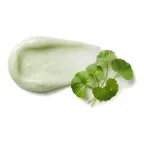 Madecassoside
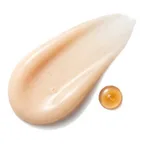 Hydroxypinacolone Retinoate
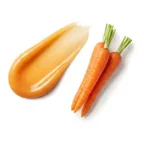 Beta-Carotene
Average
- AverageOily Skin Fit
- AverageEffectiveness
- HighSafety
Works for oily acne-prone skin; other serums fit it better.
This fit is calculated for the concerns frequently associated with oily acne-prone skin: shine, breakouts, blemishes, and enlarged pores. For scores and recommendations based on your full skin profile, including your 12D face scan results and any goals or preferences you have, please use the Lovi app.
Updated How the Fit score works
Lovi Assistant explains
- Offers moderate wrinkle reduction for your oily skin due to retinol and hydroxypinacolone retinoate, which help smooth texture and regulate sebum production. While beneficial for acne and blemishes, the formulation lacks sufficient seboregulating ingredients for optimal oil control.
- The serum provides general skincare benefits and hydration, with supportive effects for breakouts and oiliness.
- The safety profile is excellent, with no risks of irritation for your oily skin due to the absence of prohibited or harsh ingredients.
Buy online

Prices checked 20 Nov 2026
The Lovi Fit is the same in every country; only the stores and prices differ, and the ones here are for India.
How to apply
- Could be used as part of your PM routine. Start 3 times a week and build up to daily use if your skin tolerates it well.
- Apply your serum after cleansing and toning, but before putting on your moisturizer.
- Gently press 2 to 3 drops of the serum into your skin and let it absorb for a minute.
- Apply the serum on clean, dry skin to help manage your blemishes safely.
- Do a patch test before your first use and avoid the delicate eye area.
People Say
★4.8Overall rating based on 200+ reviewsThis serum is highly regarded for its anti-aging benefits, particularly its gentleness on sensitive skin and suitability for retinol beginners. Users frequently observe improvements in skin firmness, elasticity, and pore appearance, effectively addressing fine lines and dullness without causing irritation.
Highlights
Zero irritation Mostly Mentioned
- “zero irritation on my skin”
- “no stinging or breakouts”
- “without the dreaded redness”
- “gentle product worth trying”
Improves firmness Often Mentioned
- “made my face feel so much firmer”
- “skin becoming firmer and softer”
- “skin texture feels firmer overall”
- “my skin looks plump”
Hydrating formula Sometimes Noted
- “leaves my skin feeling so hydrated”
- “beautifully moisturizing, silky serum”
- “fill up with moisture”
- “great for moisturizing the skin”
Refines texture Sometimes Noted
- “pores visibly tightening”
- “skin texture has noticeably improved”
- “even the texture of my skin”
- “skin has become smoother”
High price point Sometimes Noted
- “amount you get for the price is really disappointing”
- “It's pricey”
- “on the pricier side”
Initial dryness Rarely Noted
- “my skin ended up getting extremely dry”
- “need an adjustment period at the beginning”
- “uncomfortable tingling sensation for about a week”
Opaque packaging Rarely Noted
- “can not see how much is in there”
- “prefer the containers with lids”
- “monitor how much you have left”
- “heavy and opaque”
Sources: lovi.care, dodoskin.com, hwahae.com, skinsli.com, sokoglam.com, reddit.com, and more
Questions and answers
How well does IOPE Retinol Super Bounce Serum work for oily acne-prone skin?
IOPE Retinol Super Bounce Serum works moderately well for your oily acne-prone skin, smoothing texture and helping with blemishes through retinol and hydroxypinacolone retinoate. The formula is very safe and unlikely to cause irritation, but it lacks sufficient oil-controlling ingredients for an ideal fit. A product for this skin needs effective oil-control ingredients like niacinamide, propolis, or vitamin C along with soothing extracts.
Which ingredients make this serum a good fit for oily acne-prone skin?
Retinol, hydroxypinacolone retinoate, squalane, and madecassoside help smooth texture, regulate oil, and support breakouts. Oily skin of this type needs products with ingredients like niacinamide and propolis or vitamin C for stronger oil control and targeted acne care.
What does Retinol do for oily acne-prone skin?
Retinol helps clear breakouts and manage acne by targeting the root causes beneath the skin. It is unlikely to directly reduce oil production, so a product for oily skin also needs ingredients that absorb or balance excess shine.
American Journal of Clinical Dermatology, 2019Journal of Drugs in Dermatology, 2018
What does Squalane do for oily acne-prone skin?
Squalane helps keep oily and acne-prone skin soft and smooth without feeling heavy, but it is important to choose pure, stable versions since damaged or oxidized oils may cause irritation. This ingredient also protects skin cells from sun damage and everyday stress while supporting a healthy moisture barrier.
The Journal of Investigative Dermatology, 2006Antioxidants, 2025
Where does this serum go in a skincare routine for oily acne-prone skin?
This serum goes in the evening routine after cleansing and before moisturizing, for simplicity and extra safety around sun exposure. Because your oily skin needs a better fit, a product of this type needs additional oil-controlling ingredients for optimal sebum regulation.
Can I use this serum with niacinamide, and in what order?
You can use this serum with niacinamide, applying niacinamide first in your routine and following with this treatment. This combination is generally well tolerated, though an oily skin type also needs oil-controlling and pore-clearing ingredients like salicylic acid for best results.
How often should I use this serum?
This serum works well in your evening routine, where treatments like this are typically used for simplicity and extra safety around sun exposure. Start by using it once a week, and if your skin tolerates it well and sees good results, you can carefully use it more often. Oily acne-prone skin of this type needs additional oil-controlling and pore-clearing ingredients for optimal balance.
Can this serum clog pores, cause breakouts or purging for oily acne-prone skin?
This serum is unlikely to clog pores or cause irritation for your oily skin, though you may experience mild initial dryness. Oily acne-prone skin needs products with stronger oil-controlling and pore-clearing ingredients to keep breakouts fully in check.
Is this serum fragrance-free and alcohol-free?
Yes, it has no fragrance and no drying alcohol.
What the research says
Topical application of retinol and retinoic acid both increased epidermal thickness and upregulated collagen genes and proteins in human skin, with retinol producing similar histological and molecular changes to retinoic acid alongside a significant reduction in facial wrinkles after 12 weeks.
Journal of Cosmetic Dermatology, 2016Co-delivery of paeonol and madecassoside via nanoemulsions improved transdermal delivery, promoted barrier repair proteins, inhibited inflammatory cytokine secretion in cellular and 3D models, and reduced transepidermal water loss and acne in human facial skin compared to free components.
Molecules, 2023Hydroxypinacolone retinoate and retinyl propionate at a 5:9 weight ratio synergistically enhanced antiaging gene expressions in vitro and improved skin wrinkles, smoothness, transepidermal water loss, and elasticity in 42 Chinese urban women over an 8-week period without adverse reactions compared to retinol.
Journal of Cosmetic Dermatology, 2023Topical bakuchiol 0.5% applied twice daily compared with retinol 0.5% applied daily significantly decreased wrinkle surface area and hyperpigmentation with no statistical difference between the compounds in 44 patients over 12 weeks, while retinol users reported more facial skin scaling and stinging.
The British Journal of Dermatology, 2019Topical 0.3% and 1% retinol comparably improved biomarkers of cutaneous photoageing in photoaged volunteers, while 0.3% retinol demonstrated better tolerance with fewer and milder adverse events compared to 1% retinol in a daily escalation regimen.
International Journal of Cosmetic Science, 2022Daily application of 0.3% and 0.5% retinol serums in 37 volunteers over 12 weeks reduced skin hyperpigmentation, unevenness, and wrinkles on both sides of the face, with the 0.5% concentration causing more frequent and intense skin irritation.
Skin Pharmacology and Physiology, 2020Application of fullerene-C60 dissolved in squalane cream twice daily for 8 weeks significantly enhanced skin moisture and reduced wrinkle formation compared to placebo in 23 Japanese women without severe side effects.
Journal of Nanoscience and Nanotechnology, 2010Squalane at 0.005-0.015% counteracts UVA-induced oxidative stress, inflammation, and collagen metabolism inhibition while stimulating fibroblast migration in human dermal fibroblasts.
Molecules, 2025Plant-derived squalane protected human dermal fibroblasts against UVA-induced damage by counteracting ROS formation, suppressing apoptosis-related proteins p53, caspase-3, caspase-9, and PARP, and restoring the pro-survival p-Akt/mTOR pathway.
Antioxidants, 2025A single application of a moisturizing fluid containing hyaluronic acid 1%, glycerin 5%, and Centella asiatica stem cells extract significantly increased skin hydration by 29% and reduced transepidermal water loss at 24 hours compared to baseline and an untreated control site in twenty healthy women.
Clinical, Cosmetic and Investigational Dermatology, 2017Topical treatment with 5% vitamin C and 0.1% madecassoside significantly improved clinical scores for wrinkles, suppleness, firmness, roughness, and skin hydration, along with functional and structural remodeling of the elastic fiber network in 20 female volunteers with photoaged skin after 6 months compared to baseline.
Experimental Dermatology, 2008Treatment with an asiaticoside-containing cream applied twice daily for 12 weeks significantly improved periorbital wrinkles in 65% of 27 female volunteers compared to a vehicle control cream.
International Journal of Cosmetic Science, 2008A topical serum containing hydroxypinacolone retinoate and peptides used twice daily for 16 weeks achieved parity or statistically significantly better improvement in facial aging parameters compared to a single fractional CO2 laser treatment in women with moderate global photodamage.
Journal of Cosmetic Dermatology, 2025Combined probiotic supplementation and topical azelaic acid with hydroxypinacolone retinoate reduced non-inflammatory lesions from 11.5 to 7.3 and decreased microscopic acne features measured by reflectance confocal microscopy and dynamic optical coherence tomography in 20 patients over 12 weeks.
Journal of Clinical Medicine, 2023A new topical gel formulation reduced total acne lesions by 80% and GAGS scores by 78% after 8 weeks in 22 female patients with mild facial acne without impairing skin barrier function or causing side effects.
Giornale Italiano Di Dermatologia E Venereologia, 2020Topical beta-carotene provided protection for the human skin of healthy volunteers against IR radiation by acting as a superficial antioxidant, though dermal carotenoid degradation was significantly higher for standard infrared radiator than for water filter infrared irradiation.
Experimental Dermatology, 2011Beta-carotene at low concentrations significantly decreased the major metabolites of arachidonic acid and linoleic acid in human epidermal homogenates and inhibited 13-hydroxy-cis-9, trans-11-octadeca dienoic acid formation by up to 80% compared with the control in a semi-in vivo skin penetration model.
The International Journal of Biochemistry & Cell Biology, 1996Pre-treatment with beta-carotene at 1.5 microM modulated UVA-induced gene regulation in HaCaT human keratinocytes through multiple mechanisms not restricted to singlet oxygen quenching, reducing the effect for 143 genes and enhancing it for 180 out of 568 UVA-regulated genes.
The Journal of Investigative Dermatology, 2005
Why other serums fit oily acne-prone skin better
A cream combining propolis, tea tree oil, and Aloe vera reduced erythema scars, acne severity index, and total lesion count better than erythromycin cream in sixty patients with mild to moderate acne vulgaris compared to placebo.
Clinical Pharmacology, 2018
Ingredients
Water, Butylene Glycol, Squalane, Methyl Trimethicone, Glycerin, Bis-Hydroxyethoxypropyl Dimethicone, 2-Hexanediol, Lactobacillus Lysate Ferment, C14-22 Alcohols, Butyrospermum Parkii Butter Shea Butter, Palmitic Acid, Helianthus Annuus Seed Oil Sunflower Seed Oil, Stearic Acid, Glyceryl Stearate, Peg-100 Stearate, Hydroxyethyl Acrylate Sodium Acryloyldimethyl Taurate Copolymer, Dimethyl Isosorbide, C12-20 Alkyl Glucoside, Glycine Soja Oil Soybean Oil, Carbomer, Mannitol, Daucus Carota Sativa Root Extract Carrot Root Extract, Glyceryl Caprylate, Tromethamine, Disodium Edta, Kojyl Methylenedioxycinnamate, Ethylhexylglycerin, Pentylene Glycol, Xanthan Gum, Madecassoside, Hydroxypinacolone Retinoate, Sorbitan Isostearate, Retinol, Trehalose, Beta-Carotene, Tocopherol, Bht, Acacia Senegal Gum, Acetyl Tetrapeptide-11, Hydrogenated Phosphatidylcholine, Chamaecyparis Obtusa Leaf Extract, Decapeptide-4, Sodium Oleate, Propylene Glycol Alginate, Rice Sh-Oligopeptide-1
Behind this fit score
Lovi calculates every fit score from the full ingredient list with brand-independent rules our dermatologists and cosmetic chemists build and review, and personalizes every pick with AI trained on the real results of millions of users. Lovi trains its fit score models on a proprietary dataset built from more than 10,000 expert-labeled products and more than 100,000 simulated examples, following an internally consistent methodology presented at Cosmoprof, AMWC, and Skin of Color Update.
-

Co-founder, Medical Director
Cosmetic chemist, cosmetologist, aesthetic products developer
-

Co-founder, CEO and CTO
PhD in computer science, 3x US patent holder, ex-Google, ex-Yandex
-

Dr. Sofía Perea Pérez, MD, MSc
Medical Board
Aesthetic medicine practitioner, MSc in Longevity and Anti-Aging Medicine
-

Medical Board
Specialist dermatologist, MBBS, MD, IFAAD
-

Medical Board
Cosmetic chemist, SCS, IFSCC member
-

Medical Board, Medical Advisor
Dermatology MD
-

Elina Nazarenko, MD
Medical Board
Dermatology and diagnostic consultant
-

Victoria Derkova, MS
Medical Board
Cosmetic chemist, cosmetic development technologist


How does it fit your skin?
Scan your face, then any product: Lovi shows how well it fits you and what fits even better.