
innisfree Daily UV Defense Sunscreen for acne-prone skin

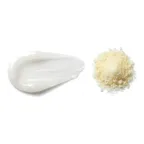 Avobenzone
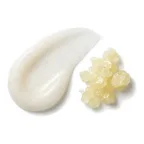 Homosalate
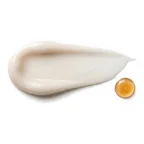 Ethylhexyl Methoxycrylene
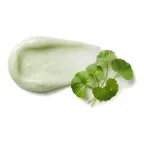 Centella Asiatica Extract
 Camellia Sinensis Leaf Extract
High
- HighCombination Skin Fit
- AverageEffectiveness
- HighSafety
A great choice for acne-prone skin; a few sunscreens fit it even better.
- Indian Journal of Pharmaceutical Sciences, 2016
- Clinical, Cosmetic and Investigational Dermatology, 2019
This fit is calculated for the concerns frequently associated with acne-prone skin: breakouts, blackheads, and post-acne marks. For scores and recommendations based on your full skin profile, including your 12D face scan results and any goals or preferences you have, please use the Lovi app.
Updated How the Fit score works
Lovi Assistant explains
- Offers moderate protection against UV rays due to the presence of homosalate, ethylhexyl salicylate, and butyl methoxydibenzoylmethane, which is beneficial for your combination skin. Centella Asiatica Extract and Camellia Sinensis Leaf Extract provide anti-inflammatory and antioxidant benefits, respectively, supporting overall skin health.
- While the product offers general hydration and soothing effects, it lacks targeted ingredients like salicylic acid or niacinamide to directly address your acne, blemishes, and breakouts.
- The formulation is safe for your acne-prone skin, as it avoids harsh ingredients and includes soothing components like Centella Asiatica Extract and Camellia Sinensis Leaf Extract.
How to apply
- Apply this sunscreen every morning as the final step of your skincare routine. Reapply every two hours if you are outdoors for best protection against breakouts.
- Apply the sunscreen after your moisturizer and before applying any makeup. Let it absorb completely ⏱ before going outside.
- Take a nickel-sized amount and gently pat it evenly across your face and neck. Avoid rubbing aggressively to keep your combination skin calm.
- Apply the sunscreen on clean, dry skin to ensure an even protective layer. This helps manage excess shine without clogging your pores.
- Avoid the immediate eye area and do a quick patch test before first use. Stop using it if you notice any irritation and consult a specialist.
People Say
★4.5Overall rating based on 3.0k+ reviewsBased on a very large amount of data, this water-based chemical sunscreen is highly recommended for dry to normal skin types due to its lightweight, lotion-like consistency that hydrates and provides a dewy, glass-skin finish without any white cast. Users with oily or acne-prone skin frequently report a greasy or shiny appearance, and a notable number of individuals with sensitive eyes experience stinging, often attributed to the fragrance and chemical filters.
Highlights
Hydrating texture Mostly Mentioned
- “feels like a moisturizer”
- “skips my morning lotion”
- “soothing green tea ingredients”
Glowy finish Often Mentioned
- “gives a healthy dewy glow”
- “glass skin effect”
- “great under makeup”
No white cast Often Mentioned
- “completely invisible on dark skin”
- “zero cast, clear finish”
- “blends in like a lotion”
Greasy/shiny finish Often Mentioned
- “too oily for my skin”
- “looks like a greaseball”
- “shiny T-zone by noon”
Affordable price Sometimes Noted
- “great value for the price”
- “cheaper than other Sephora SPFs”
Eye irritation Sometimes Noted
- “stings my eyes badly”
- “makes eyes water”
- “burns when sweating”
Strong fragrance Sometimes Noted
- “scent is too overpowering”
- “smells like herbal perfume”
- “lingering floral smell”
Causes breakouts Rarely Noted
- “clogged my pores”
- “caused small whiteheads”
- “broke me out”
Sources: lovi.care, sephora.com, amazon.com, innisfree.com, reddit.com, youtube.com, and more
Questions and answers
What makes innisfree Daily UV Defense Sunscreen a great fit for acne-prone skin?
This sunscreen is a great fit because it has a very safe formula that avoids harsh ingredients and includes calming components like Centella Asiatica and Camellia Sinensis extracts. These soothing ingredients help calm the skin and support overall health without clogging pores.
Indian Journal of Pharmaceutical Sciences, 2016Clinical, Cosmetic and Investigational Dermatology, 2019
Which ingredients make this sunscreen a good fit for acne-prone skin?
Centella Asiatica Extract and Camellia Sinensis Leaf Extract make this sunscreen a great fit for your acne-prone skin. These soothing ingredients help calm your skin and provide antioxidant benefits without causing irritation.
Indian Journal of Pharmaceutical Sciences, 2016Clinical, Cosmetic and Investigational Dermatology, 2019
What does Avobenzone do for acne-prone skin?
Avobenzone provides effective UV protection for acne-prone skin by filtering out sun rays without clogging pores or causing typical breakouts. It helps shield skin from sun damage with minimal side effects, though acne-prone skin also needs lightweight, non-greasy formulas that won't trap oil or trigger blemishes.
What does Homosalate do for acne-prone skin?
Homosalate helps protect acne-prone skin from sun damage by absorbing UV rays without clogging pores. Because chemical sunscreens of this type are unlikely to cause irritation, they are generally gentle on sensitive or breakout-prone skin.
Where does this sunscreen go in a skincare routine for acne-prone skin?
This sunscreen is the final step of your morning skincare routine, applied after your moisturizer. It is safe for acne-prone skin and helps calm irritation with centella asiatica and green tea extracts.
Indian Journal of Pharmaceutical Sciences, 2016Clinical, Cosmetic and Investigational Dermatology, 2019
Can I use this sunscreen with retinol, and in what order?
You can use this sunscreen in the morning as the final step of your routine, after your moisturizer and before any makeup. It is safe to use alongside a retinol routine because it avoids harsh ingredients and includes soothing components like Centella Asiatica Extract.
Indian Journal of Pharmaceutical Sciences, 2016Clinical, Cosmetic and Investigational Dermatology, 2019
How often should I use this sunscreen?
You can use this sunscreen every morning as the final step of your daytime routine. It is a great fit for acne-prone skin because it avoids harsh ingredients and includes soothing green tea and centella extracts that help calm the skin.
Indian Journal of Pharmaceutical Sciences, 2016Clinical, Cosmetic and Investigational Dermatology, 2019
Can this sunscreen clog pores, cause breakouts or purging for acne-prone skin?
This sunscreen is safe for acne-prone skin and is unlikely to cause breakouts because it avoids harsh ingredients and includes soothing components like Centella Asiatica Extract and Camellia Sinensis Leaf Extract. However, it lacks targeted blemish-fighting ingredients like salicylic acid or niacinamide, and reviewers frequently complain about a greasy or shiny finish.
Molecules, 2023Indian Journal of Pharmaceutical Sciences, 2016
Is this sunscreen fragrance-free and alcohol-free?
It has no drying alcohol and contains fragrance (parfum). Arachidyl alcohol, behenyl alcohol, and cetyl alcohol are fatty alcohols, which soften the skin.
What the research says
Cosmetic formulations containing 5% Centella asiatica extract showed the best efficacy in improving skin moisture and decreasing transepidermal water loss, while also exhibiting antiinflammatory properties in 25 volunteers compared to baseline measurements.
Indian Journal of Pharmaceutical Sciences, 2016An anti-acne hydrogel containing Aloe barbadensis, Garcinia mangostana, and Camellia sinensis extracts showed superior antiacne and antiblotch activities compared to 1% clindamycin gel in sixty subjects with mild-moderate acne.
Clinical, Cosmetic and Investigational Dermatology, 2019Co-delivery of paeonol and madecassoside via nanoemulsions improved transdermal delivery, promoted barrier repair proteins, inhibited inflammatory cytokine secretion in cellular and 3D models, and reduced transepidermal water loss and acne in human facial skin compared to free components.
Molecules, 2023Topical application of a 6% green tea extract formulation increased skin moisture, enhanced skin elasticity, and improved skin microrelief by reducing roughness in 24 volunteers compared to vehicle and control over 30 days.
Dermatologic Therapy, 2013Methoxy-monobenzoylmethane protects human skin against UV-induced damage by converting to avobenzone under UVB light irradiation and demonstrating antioxidant and radical scavenging properties in vitro and in cell assays.
Molecules, 2021Encapsulation of ethylhexyl methoxycinnamate and butyl methoxydibenzoylmethane in lipid microparticles significantly reduced their in vivo human skin penetration compared to nonencapsulated filters.
Skin Pharmacology and Physiology, 2011Microencapsulation of the BMDBM/HP-beta-CD complex in lipid microparticles significantly decreased the percutaneous penetration of the UV filter into the stratum corneum of human volunteers compared to the non-encapsulated sunscreen agent.
Journal of Pharmaceutical and Biomedical Analysis, 2011Dermal application of a sunscreen containing 10% homosalate in four volunteers resulted in delayed elimination with terminal half-times around 24 h and a bioavailability of cis-homosalate a factor of 2 lower than trans-homosalate, while metabolite ratios supported using oral-route urinary excretion fractions for dermal exposure assessments.
Archives of Toxicology, 2024Chemical sunscreens containing avobenzone, octocrylene, homosalate, and octisalate showed no to minimal risks of dermal irritation, sensitization, photo-allergy, and photo-irritation in human subjects.
Journal of Drugs in Dermatology, 2025Homosalate exhibited the highest permeation among tested filters with a relative permeability rate of 4.2% and a depth of 60 um, and specific thickeners and emulsifiers successfully reduced its permeation without inhibiting the skin permeation of niacinamide.
Photodermatology, Photoimmunology & Photomedicine, 2026A single application of a moisturizing fluid containing hyaluronic acid 1%, glycerin 5%, and Centella asiatica stem cells extract significantly increased skin hydration by 29% and reduced transepidermal water loss at 24 hours compared to baseline and an untreated control site in twenty healthy women.
Clinical, Cosmetic and Investigational Dermatology, 2017Topical treatment with 5% vitamin C and 0.1% madecassoside significantly improved clinical scores for wrinkles, suppleness, firmness, roughness, and skin hydration, along with functional and structural remodeling of the elastic fiber network in 20 female volunteers with photoaged skin after 6 months compared to baseline.
Experimental Dermatology, 2008Treatment with an asiaticoside-containing cream applied twice daily for 12 weeks significantly improved periorbital wrinkles in 65% of 27 female volunteers compared to a vehicle control cream.
International Journal of Cosmetic Science, 2008Topically formulated tea polyphenols show some benefit in reducing sebum secretion and treating acne vulgaris compared to baseline or control.
Antioxidants, 2016Topical application of tannase-converted green tea extract (TGE) significantly improved skin wrinkle indices and self-assessed wrinkle reduction compared to normal green tea extract (NGE) in human subjects over 8 weeks.
Journal of Cosmetic Dermatology, 2013Topical green tea and green tea plus lotus multiple emulsions reduced casual sebum secretions compared to placebo in healthy adults, with the combined treatment producing significantly greater reductions than green tea alone over a 60-day period.
Hippokratia, 2013
Ingredients
Water, Homosalate, Butyloctyl Salicylate, Ethylhexyl Salicylate, Butylene Glycol, Cyclopentasiloxane, Ethylhexyl Methoxycrylene, Butyl Methoxydibenzoylmethane, Arachidyl Alcohol, Behenyl Alcohol, Glyceryl Stearate, Peg-100 Stearate, 1,2-Hexanediol, Polymethylsilsesquioxane, Cetyl Alcohol, Arachidyl Glucoside, Phenoxyethanol, Propanediol, Polyacrylate Crosspolymer-6, Octyldodecanol, Parfum, Xanthan Gum, Centella Asiatica Extract, Portulaca Oleracea Extract, Echium Plantagineum Seed Oil, T-Butyl Alcohol, Camellia Sinensis Leaf Extract, Ethylhexylglycerin, Helianthus Annuus Seed Oil Sunflower Seed Oil, Cardiospermum Halicacabum Vine Extract Flower Leaf, Tocopherol, Glycerin, Witch Hazel Leaf Extract, Citrus Unshiu Peel Extract, Opuntia Coccinellifera Fruit Extract, Orchid Extract, Camellia Japonica Leaf Extract, Citric Acid, Sodium Benzoate, Potassium Sorbate
Behind this fit score
Lovi calculates every fit score from the full ingredient list with brand-independent rules our dermatologists and cosmetic chemists build and review, and personalizes every pick with AI trained on the real results of millions of users. Lovi trains its fit score models on a proprietary dataset built from more than 10,000 expert-labeled products and more than 100,000 simulated examples, following an internally consistent methodology presented at Cosmoprof, AMWC, and Skin of Color Update.
-

Co-founder, Medical Director
Cosmetic chemist, cosmetologist, aesthetic products developer
-

Co-founder, CEO and CTO
PhD in computer science, 3x US patent holder, ex-Google, ex-Yandex
-

Dr. Sofía Perea Pérez, MD, MSc
Medical Board
Aesthetic medicine practitioner, MSc in Longevity and Anti-Aging Medicine
-

Medical Board
Specialist dermatologist, MBBS, MD, IFAAD
-

Medical Board
Cosmetic chemist, SCS, IFSCC member
-

Medical Board, Medical Advisor
Dermatology MD
-

Elina Nazarenko, MD
Medical Board
Dermatology and diagnostic consultant
-

Victoria Derkova, MS
Medical Board
Cosmetic chemist, cosmetic development technologist


How does it fit your skin?
Scan your face, then any product: Lovi shows how well it fits you and what fits even better.