
Indie Lee Brightening Cream for acne-prone skin

 Squalane
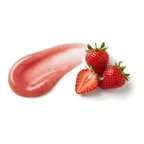 Strawberry Leaf Extract
 Centella Asiatica Leaf Extract
 Aloe Barbadensis Leaf Juice
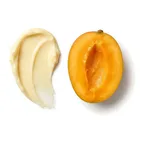 Mangifera Indica Seed Butter
Average
- HighCombination Skin Fit
- AverageEffectiveness
- HighSafety
Works for acne-prone skin; other moisturizers fit it better.
- Clinical, Cosmetic and Investigational Dermatology, 2017
- International Journal of Biological Macromolecules, 2018
This fit is calculated for the concerns frequently associated with acne-prone skin: breakouts, blackheads, and post-acne marks. For scores and recommendations based on your full skin profile, including your 12D face scan results and any goals or preferences you have, please use the Lovi app.
Updated How the Fit score works
Lovi Assistant explains
- Offers moderate benefits for your combination skin, as squalane olive and glycerin provide balancing hydration without clogging pores, while strawberry leaf extract and sodium hyaluronate contribute to skin brightening and moisture. This product provides general hydration supportive for acne-prone skin, but lacks specialized ingredients to directly target acne, blemishes, and breakouts.
- The formula is safe for your combination skin, with no harsh ingredients that would cause irritation.
- The product is safe for your combination skin, as it contains no prohibited or harsh ingredients.
How to apply
- Use your moisturizer twice a day in your AM and PM routines. Apply it daily to help keep breakouts under control.
- Apply after your cleanser and toner, and make sure to use your SPF right after in the morning.
- Gently spread a small amount of moisturizer over your face using soft motions. Let it absorb into the skin for a minute before getting dressed or applying makeup.
- Apply on slightly damp skin to help lock in extra moisture. This keeps your combination skin balanced without feeling heavy.
- Avoid the eye area and do a patch test before your first use. Stop using if you feel any irritation.
Questions and answers
How well does Indie Lee Brightening Cream work for acne-prone skin?
Indie Lee Brightening Cream is an average fit for acne-prone skin, as it provides balancing hydration without clogging pores but lacks specialized ingredients to directly target breakouts. A moisturizing treatment for acne-prone skin needs effective ingredients that directly tackle blemishes, along with soothing agents and peptides to keep skin clear and balanced.
Which ingredients make this cream a good fit for acne-prone skin?
Squalane and glycerin make this cream a good fit for acne-prone skin by providing balancing hydration without clogging pores, while strawberry leaf extract and sodium hyaluronate help with brightening and moisture. Because this product lacks specialized ingredients to directly target acne and breakouts, a product of this type needs specific ingredients to clear blemishes, soothe irritation, and provide advanced targeted care.
What does Squalane do for acne-prone skin?
Squalane helps keep acne-prone skin soft and calm without feeling heavy or greasy, as it is very similar to the skin's natural oils and is unlikely to clog pores. However, pure squalene that is exposed to air can sometimes oxidize and trigger irritation, so acne-prone skin needs fresh, stable formulas combined with soothing antioxidants to stay clear and balanced.
The Journal of Investigative Dermatology, 2006Journal of Nanobiotechnology, 2025
What does Strawberry Leaf Extract do for acne-prone skin?
Strawberry Leaf Extract helps calm angry skin and keeps your face feeling fresh and clear. It is rich in antioxidants that help soothe redness and balance oily areas, making it a great addition to your daily routine.
Where does this cream go in a skincare routine for acne-prone skin?
This moisturizing treatment goes in the evening routine after cleansing and toning, and before your final moisturizer. To properly care for acne-prone skin, this type of product also needs specialized blemish-fighting ingredients to directly target breakouts.
Can I use this cream with retinol, and in what order?
How often should I use this cream?
You can use this moisturizing treatment daily to provide balanced hydration without clogging pores, though acne-prone skin needs a product with targeted ingredients to directly address blemishes and breakouts.
Can this cream clog pores, cause breakouts or purging for acne-prone skin?
This cream is unlikely to clog pores or cause breakouts because it uses lightweight balancing hydration that does not block pores, though it also lacks specialized ingredients to actively target acne. To better manage breakouts, acne-prone skin needs targeted ingredients like salicylic acid or benzoyl peroxide to clear pores and reduce blemishes.
Can I use this cream around the eyes or on my body?
This cream is safe to use on the body and around the eyes, as it contains no harsh ingredients that may cause irritation in those areas. The thin skin on the eyelids and body benefits from gentle hydration and soothing plant extracts.
Is this cream fragrance-free and alcohol-free?
It has no drying alcohol and contains fragrance (benzyl alcohol). Cetearyl alcohol is a fatty alcohol, which soften the skin.
What the research says
A single application of a moisturizing fluid containing hyaluronic acid 1%, glycerin 5%, and Centella asiatica stem cells extract significantly increased skin hydration by 29% and reduced transepidermal water loss at 24 hours compared to baseline and an untreated control site in twenty healthy women.
Clinical, Cosmetic and Investigational Dermatology, 2017Hyaluronic acid-based formulations exhibit remarkable anti-wrinkle, anti-aging, and skin rejuvenating effects via soft tissue augmentation, improved skin hydration, and face volume restoration.
International Journal of Biological Macromolecules, 2018Application of fullerene-C60 dissolved in squalane cream twice daily for 8 weeks significantly enhanced skin moisture and reduced wrinkle formation compared to placebo in 23 Japanese women without severe side effects.
Journal of Nanoscience and Nanotechnology, 2010Squalane at 0.005-0.015% counteracts UVA-induced oxidative stress, inflammation, and collagen metabolism inhibition while stimulating fibroblast migration in human dermal fibroblasts.
Molecules, 2025Plant-derived squalane protected human dermal fibroblasts against UVA-induced damage by counteracting ROS formation, suppressing apoptosis-related proteins p53, caspase-3, caspase-9, and PARP, and restoring the pro-survival p-Akt/mTOR pathway.
Antioxidants, 2025A topical product containing 0.5% ellagic acid and 0.1% salicylic acid demonstrated comparable tolerance and efficacy in reducing hyperpigmentation and dark spots in fifty-four multiethnic subjects over 12 weeks when compared against a benchmark prescription 4% hydroquinone product.
Journal of Drugs in Dermatology, 2013A maintenance therapy with a cosmeceutical formulation containing hydroxyphenoxy propionic acid, ellagic acid, yeast extract, and salicylic acid over 20 weeks significantly improved even skin tone, spot intensity, spot size, and overall hyperpigmentation in 33 healthy subjects with moderate facial dyspigmentation.
Journal of Drugs in Dermatology, 2015Ellagic acid prevented UV-B-induced collagen degradation, wrinkle formation, epidermal thickening, and inflammatory responses in human skin cells and hairless mice compared to UV-B exposure alone.
Experimental Dermatology, 2010Topical treatment with 5% vitamin C and 0.1% madecassoside significantly improved clinical scores for wrinkles, suppleness, firmness, roughness, and skin hydration, along with functional and structural remodeling of the elastic fiber network in 20 female volunteers with photoaged skin after 6 months compared to baseline.
Experimental Dermatology, 2008Treatment with an asiaticoside-containing cream applied twice daily for 12 weeks significantly improved periorbital wrinkles in 65% of 27 female volunteers compared to a vehicle control cream.
International Journal of Cosmetic Science, 2008A combination serum containing galactomyces ferment filtrate, dexpanthenol, and Centella asiatica effectively treated post-acne hyperpigmentation in subjects with colored skin by significantly increasing lightness scores in Fitzpatrick skin type V and reducing the melanin index in Fitzpatrick skin type IV compared to placebo.
Skinmed, 2021A cream combining propolis, tea tree oil, and Aloe vera reduced erythema scars, acne severity index, and total lesion count better than erythromycin cream in sixty patients with mild to moderate acne vulgaris compared to placebo.
Clinical Pharmacology, 2018Formulations containing 0.10%, 0.25%, and 0.50% freeze-dried Aloe vera extract increased stratum corneum water content compared with the vehicle in 20 female subjects, while transepidermal water loss was not modified.
Skin Research and Technology, 2006Kombucha-mediated fermentation of aloe vera gel for 10 and 20 days enhanced its phenolic and flavonoid content, antioxidant capacity, cytoprotective effects, enzyme inhibition against collagenase, elastase, and hyaluronidase, and moisturizing properties compared to unfermented gel.
Molecules, 2025
Why other moisturizers fit acne-prone skin better
A facial serum containing snail secretion filtrate, Calendula officinalis, and Glycyrrhiza glabra root extract significantly reduced inflammatory acne lesions compared to placebo in 66 participants with mild-to-moderate maskne over 12 weeks.
Journal of Cosmetic Dermatology, 2022
Ingredients
Water, Caprylic Capric Triglyceride, Propanediol, Carthamus Tinctorius Seed Oil, C15-19 Alkane, Cetearyl Alcohol, Squalane Olive, Candelilla Wax, Cetearyl Olivate, Mangifera Indica Seed Butter, Glycerin, Cetearyl Glucoside, Silica, Aloe Barbadensis Leaf Juice, Sorbitan Olivate, Glyceryl Undecylenate, Centella Asiatica Leaf Extract, Strawberry Leaf Extract, Tocopherol, Xylitylglucoside, Anhydroxylitol, Xanthan Gum, Xylitol, Sodium Hyaluronate, Benzyl Alcohol, Pentylene Glycol, Phenethyl Alcohol, Citric Acid
Behind this fit score
Lovi calculates every fit score from the full ingredient list with brand-independent rules our dermatologists and cosmetic chemists build and review, and personalizes every pick with AI trained on the real results of millions of users. Lovi trains its fit score models on a proprietary dataset built from more than 10,000 expert-labeled products and more than 100,000 simulated examples, following an internally consistent methodology presented at Cosmoprof, AMWC, and Skin of Color Update.
-

Co-founder, Medical Director
Cosmetic chemist, cosmetologist, aesthetic products developer
-

Co-founder, CEO and CTO
PhD in computer science, 3x US patent holder, ex-Google, ex-Yandex
-

Dr. Sofía Perea Pérez, MD, MSc
Medical Board
Aesthetic medicine practitioner, MSc in Longevity and Anti-Aging Medicine
-

Medical Board
Specialist dermatologist, MBBS, MD, IFAAD
-

Medical Board
Cosmetic chemist, SCS, IFSCC member
-

Medical Board, Medical Advisor
Dermatology MD
-

Elina Nazarenko, MD
Medical Board
Dermatology and diagnostic consultant
-

Victoria Derkova, MS
Medical Board
Cosmetic chemist, cosmetic development technologist


How does it fit your skin?
Scan your face, then any product: Lovi shows how well it fits you and what fits even better.