
Illiyoon Ceramide Ato Concentrate Cream for oily acne-prone skin

 Ceramides, hydroxypropyl bispalmitamide mea
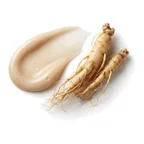 Panax Ginseng Root Extract
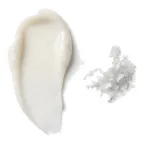 Cholesterol
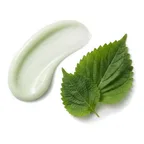 Perilla Ocymoides Seed Extract
Average
- AverageOily Skin Fit
- AverageEffectiveness
- Low RiskSafety
Works for oily acne-prone skin; other moisturizers fit it better.
This fit is calculated for the concerns frequently associated with oily acne-prone skin: shine, breakouts, blemishes, and enlarged pores. For scores and recommendations based on your full skin profile, including your 12D face scan results and any goals or preferences you have, please use the Lovi app.
Updated How the Fit score works
Lovi Assistant explains
- Offers moderate suitability for your oily skin, as ingredients like Cetyl Ethylhexanoate and Dimethiconol provide emollient action, but it lacks sufficient oil-controlling benefits for your primary concerns of acne, blemishes, and breakouts.
- While the formulation provides excellent moisturizing and barrier resilience with ceramides and phytosphingosine, it does not contain specialized ingredients like salicylic acid or niacinamide to effectively target your acne and oiliness.
- The product is generally safe for your oily skin, though ingredients such as ceramide NP and phytosphingosine carry a slight risk of irritation.
Buy online


Prices checked 20 Nov 2026
The Lovi Fit is the same in every country; only the stores and prices differ, and the ones here are for India.
How to apply
- Use this AM and PM routine every day to help clear your skin. Always remember to finish with SPF in the morning.
- Apply the moisturizer after your cleanser and toner, right before your SPF during the day.
- Gently press a small amount into your skin and avoid rubbing to keep pores clear.
- Apply on clean, slightly damp skin to help the product absorb better and control oil.
- Avoid the sensitive eye area and do a simple patch test before your first use.
People Say
★4.7Overall rating based on 1.2k+ reviewsUsers appreciate its non-sticky, matte finish and excellent value. Some users with acne-prone skin have experienced breakouts, and there are moderate reports of changes in texture and consistency due to reformulation. A low number of users found the ceramide capsules gritty or experienced issues with the pump packaging.
Highlights
Barrier repair Mostly Mentioned
- “calmed my breakout and swelling”
- “healed allergic flare-up in 5 days”
- “swelling around pores died down”
Excellent value Often Mentioned
- “huge 500ml tub”
- “cost effective for face and body”
- “lasts forever”
Gentle for sensitive skin Often Mentioned
- “no irritation on sensitive skin”
- “safe for the whole family”
Non-greasy finish Often Mentioned
- “absorbs without greasy shine”
- “dries matte-ish/natural”
- “doesn't leave face oily next morning”
Acne breakouts Sometimes Noted
- “caused deep under-skin pimples”
- “gave me CCs (closed comedones)”
- “too heavy for oily skin”
Reformulation changes Sometimes Noted
- “new formula feels greasy”
- “less occlusive than before”
- “miss the old thick texture”
Gritty texture Rarely Noted
- “feels like tiny pebbles”
- “gritty particles”
- “scratchy if not rubbed in”
Packaging issues Rarely Noted
- “hard to get last bit out”
- “pump stops working near end”
- “have to cut tube open”
Sources: lovi.care, reddit.com, picky.com, hometesterclub.com, oliveyoung.com, youtube.com, and more
Questions and answers
How well does Illiyoon Ceramide Ato Concentrate Cream work for oily acne-prone skin?
Illiyoon Ceramide Ato Concentrate Cream offers moderate suitability for oily skin, but it lacks oil-controlling benefits for breakouts and blemishes. While it provides good moisture and barrier support with ceramides, it may not manage excess oil well. A moisturizer for this skin needs ingredients that target acne and oiliness without heavy oils or irritation risks.
Which ingredients make this cream a good fit for oily acne-prone skin?
Ceramides and phytosphingosine help strengthen your skin barrier, though this cream lacks oil-controlling benefits for your breakouts. Moisturizers for oily acne-prone skin need targeted ingredients like salicylic acid or niacinamide to help manage oil and blemishes without heavy oils.
What do Ceramides do for oily acne-prone skin?
Ceramides help restore the protective barrier of oily, acne-prone skin, which often lacks these vital lipids and suffers from moisture loss and irritation. Using products with ceramides supports skin hydration, calms redness, and improves overall texture while managing breakouts.
Journal of Cosmetic Dermatology, 2026Journal of Cosmetic Dermatology, 2023
What does Ginseng Root Extract do for oily acne-prone skin?
Ginseng Root Extract helps calm oily, acne-prone skin by reducing redness and oxidized sebum. It supports clearer skin by improving early to middle-stage acne symptoms over a few weeks of use.
Where does this cream go in a skincare routine for oily acne-prone skin?
This moisturizer goes near the end of your morning and evening routines, right before sunscreen in the morning and after your treatment at night. While it provides good moisture and barrier support, oily acne-prone skin needs a product of this type that also includes oil-controlling ingredients like salicylic acid or niacinamide to help manage breakouts and shine.
The Journal of Dermatological Treatment, 2022International Journal of Cosmetic Science, 2020
Can I use this cream with retinol, and in what order?
You can use this moisturizer with retinol by applying the cream after your retinol treatment to help soothe your skin and keep it soft. A product of this type used with retinol for oily acne-prone skin needs balancing ingredients like salicylic acid or niacinamide to help control oil and target breakouts.
How often should I use this cream?
You can use this moisturizer daily in your morning and evening routines, as it helps keep your skin soft and comfortable. This type of product needs oil-controlling and breakout-targeting ingredients like salicylic acid or niacinamide to properly care for oily, acne-prone skin.
Can this cream clog pores, cause breakouts or purging for oily acne-prone skin?
Yes, this cream may cause breakouts for oily acne-prone skin, as some reviewers complain about acne and the formula lacks oil-controlling benefits. A product of this type needs specialized ingredients like salicylic acid or niacinamide to help target acne and oiliness.
Can I use this cream around the eyes or on my body?
You can use this cream on your body and around the eyes, as it is generally safe for these areas and provides moisturizing benefits. Because the skin on the eyelids is among the thinnest on the body, a rich moisturizer like this helps keep it soft and comfortable.
Is this cream fragrance-free and alcohol-free?
Yes, it has no fragrance and no drying alcohol. Behenyl alcohol and arachidyl alcohol are fatty alcohols, which soften the skin.
What the research says
Application of Body Lotion for 5 weeks on cosmetic dry skin improved barrier properties, increased levels of cholesterol, ceramides, and long-chain fatty acids, increased beneficial skin bacteria, and enhanced microbiome functional potential compared to baseline.
Scientific Reports, 2022Topical cholesterol decreased dermal inflammation and MMP-1, IL-6, and IL-1ß mRNA expression in tape-stripped human skin exposed to UV, whereas linoleic acid and N-oleoyl-phytosphingosine increased markers of UV damage.
Journal of Dermatological Science, 2012Ceramide and niacinamide-containing moisturizer combined with anti-acne treatment significantly improved non-inflammatory, inflammatory, and total acne lesions compared to hydrophilic cream in 40 patients with mild to moderate acne vulgaris after 8 weeks.
Journal of Cosmetic Dermatology, 2024Topical application of a pseudo-ceramide-containing spray improved stratum corneum water content, transepidermal water loss, cell area, and scaling score, and normalized the ceramide profile in patients with dry and sensitive skin compared to a control spray.
Journal of Cosmetic Dermatology, 2025Enzyme-modified ginseng extract cream significantly reduced the global photo-damage score and various roughness measures including total roughness, smoothness depth, and arithmetic roughness average compared to placebo in 23 human subjects.
Rejuvenation Research, 2015A red ginseng hydrogel formulation with 1,2-hexanediol promoted selective growth of Staphylococcus epidermidis and decreased Cutibacterium acnes in 20 female subjects.
Journal of Ginseng Research, 2022A cream containing 0.1% ginsenoside F1 demonstrated a skin-whitening effect on artificially tanned human skin after 8 weeks by enhancing interleukin-13 production from epidermal gamma-delta T cells, which subsequently suppressed tyrosinase and DCT expression and melanin synthesis in melanocytes.
Experimental Dermatology, 2014Topical lovastatin treatment impairs the recovery of cutaneous permeability barrier function and stratum corneum cholesterol levels after acetone disruption in mice, an effect normalized by simultaneous treatment with mevalonate or cholesterol.
The Journal of Clinical Investigation, 1990Topical cholesterol application decreased transepidermal water loss and ameliorated oxazolone-induced cutaneous hypersensitivity in hapten-stimulated mice, likely by sustaining epidermal 11beta-HSD1 expression.
Experimental Dermatology, 2014Topical application of cholesterol sulfate increases stratum corneum thickness and inhibits protease-induced cell dissociation by competitively inhibiting serine proteases in mice and human stratum corneum.
The Journal of Investigative Dermatology, 1998Topical application of a cream containing the NHE1 activator rosmarinic acid decreased skin surface pH and transepidermal water loss while increasing skin hydration in 50-60-year-old adult females compared to vehicle cream and no treatment.
International Journal of Molecular Sciences, 2022Incorporating rosmarinic acid into sunscreens enhanced the in vivo SPF of octocrylene by over 157% and reduced lipid peroxidation in the human stratum corneum.
Antioxidants, 2025The combination of 5 µM rosmarinic acid and 5 µM fucoxanthin exerted photo-protective and anti-inflammatory effects in UVB-irradiated HaCaT keratinocytes by reducing apoptosis and ROS production, down-regulating NLRP3 inflammasome components, and increasing Nrf2 and HO-1 expression compared to individual compounds.
Marine Drugs, 2019
Why other moisturizers fit oily acne-prone skin better
- Phytosphingosine in this moisturizer
Topical cholesterol decreased dermal inflammation and MMP-1, IL-6, and IL-1ß mRNA expression in tape-stripped human skin exposed to UV, whereas linoleic acid and N-oleoyl-phytosphingosine increased markers of UV damage.
Journal of Dermatological Science, 2012 Co-delivery of paeonol and madecassoside via nanoemulsions improved transdermal delivery, promoted barrier repair proteins, inhibited inflammatory cytokine secretion in cellular and 3D models, and reduced transepidermal water loss and acne in human facial skin compared to free components.
Molecules, 2023A panthenol-enriched mask improved skin hydration, regulated sebum, and reduced redness and TEWL across dry sensitive, oily sensitive, and oily acne skin subgroups with excellent tolerance and no adverse reactions.
Journal of Cosmetic Dermatology, 2024
Ingredients
Water, Butylene Glycol, Glycerin, Cetyl Ethylhexanoate, Pentaerythrityl Tetraisostearate, Cyclopentasiloxane, Stearic Acid, Palmitic Acid, Behenyl Alcohol, Arachidyl Alcohol, C14-22 Alcohols, Cyclohexasiloxane, Hydroxypropyl Bispalmitamide Mea, Arachidyl Glucoside, C12-20 Alkyl Glucoside, Polyacrylate-13, Dimethiconol, Mannitol, Glyceryl Caprylate, Polyisobutene, Panax Ginseng Water Root, Ethylhexylglycerin, Acrylates Ammonium Methacrylate Copolymer, Polysorbate 20, Sorbitan Isostearate, Myristic Acid, Arachidic Acid, Bupleurum Falcatum Root Extract, Angelica Acutiloba Root Extract, Ophiopogon Japonicus Root Extract, Glucose, Cholesterol, Silica, Perilla Ocymoides Seed Extract, Tocopherol, Ceramide Np, Phytosphingosine, Hydrogenated Lecithin, Canola Oil, Rosmarinus Officinalis Leaf Extract Rosemary Leaf Extract
Behind this fit score
Lovi calculates every fit score from the full ingredient list with brand-independent rules our dermatologists and cosmetic chemists build and review, and personalizes every pick with AI trained on the real results of millions of users. Lovi trains its fit score models on a proprietary dataset built from more than 10,000 expert-labeled products and more than 100,000 simulated examples, following an internally consistent methodology presented at Cosmoprof, AMWC, and Skin of Color Update.
-

Co-founder, Medical Director
Cosmetic chemist, cosmetologist, aesthetic products developer
-

Co-founder, CEO and CTO
PhD in computer science, 3x US patent holder, ex-Google, ex-Yandex
-

Dr. Sofía Perea Pérez, MD, MSc
Medical Board
Aesthetic medicine practitioner, MSc in Longevity and Anti-Aging Medicine
-

Medical Board
Specialist dermatologist, MBBS, MD, IFAAD
-

Medical Board
Cosmetic chemist, SCS, IFSCC member
-

Medical Board, Medical Advisor
Dermatology MD
-

Elina Nazarenko, MD
Medical Board
Dermatology and diagnostic consultant
-

Victoria Derkova, MS
Medical Board
Cosmetic chemist, cosmetic development technologist


How does it fit your skin?
Scan your face, then any product: Lovi shows how well it fits you and what fits even better.