
Good Molecules Sheer Mineral Sunscreen SPF 30 for oily acne-prone skin

 Zinc Oxide
 Aloe Barbadensis Leaf Juice
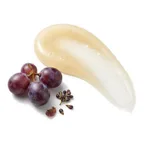 Vitis Vinifera Seed Oil Grape Seed Oil
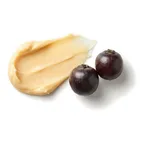 Astrocaryum Tucuma Seed Butter
 Tetrahexyldecyl Ascorbate
High
- HighOily Skin Fit
- HighEffectiveness
- HighSafety
A great choice for oily acne-prone skin; a few sunscreens fit it even better.
This fit is calculated for the concerns frequently associated with oily acne-prone skin: shine, breakouts, blemishes, and enlarged pores. For scores and recommendations based on your full skin profile, including your 12D face scan results and any goals or preferences you have, please use the Lovi app.
Updated How the Fit score works
Lovi Assistant explains
- Offers high suitability for your oily skin, as Vitis Vinifera Seed Oil and Tocopherol provide antioxidant activity and emollient action without being overly heavy, complementing the mild exfoliation and anti-inflammatory effects of Acetyl Glucosamine for your acne and oiliness.
- The inclusion of Zinc Oxide offers excellent sun protection, a crucial functional benefit for maintaining skin health.
- The product is safe for your skin, with Bisabolol and Aloe Barbadensis Leaf Juice providing soothing benefits and no risk of irritation.
How to apply
- Apply this sunscreen AM as the final step of your morning skincare routine. Reapply every two hours when exposed to the sun for continuous protection.
- Apply after your moisturizer as the last step before makeup. Do not apply anything on top of your sunscreen.
- Gently spread a coin-sized amount evenly across your face and neck. Avoid harsh rubbing to prevent disturbing the protective layer.
- Apply on completely dry skin after your moisturizer has fully absorbed. This ensures the sunscreen forms an even, protective barrier.
- Avoid direct contact with your eyes during application. Do a patch test before first use to ensure no irritation occurs.
People Say
★4.2Overall rating based on 1.4k+ reviewsBased on a very large amount of data, users with dry to combination skin appreciate this sunscreen for its lightweight and hydrating formula that applies easily without feeling heavy or greasy. It is widely praised for being gentle on sensitive and acne-prone skin. However, users with deeper skin tones frequently report a noticeable white cast despite the product's "sheer" claim.
Highlights
Lightweight texture Often Mentioned
- “feels like a moisturizer”
- “melts into skin”
- “super lightweight”
- “not thick at all”
No white cast Often Mentioned
- “no white cast on me”
- “blends in clear”
- “sheer finish”
- “invisible once rubbed in”
White cast Often Mentioned
- “leaves a purple tint”
- “ghostly on dark skin”
- “noticeable cast”
- “not for brown skin”
Gentle on skin Sometimes Noted
- “doesn't sting eyes”
- “acne-safe”
- “no irritation”
- “great for sensitive skin”
Hydrating formula Sometimes Noted
- “moisturizing but not oily”
- “leaves a nice glow”
- “good for dry skin”
- “nourishing ingredients”
Greasy finish Rarely Noted
- “too dewy”
- “looks oily later”
- “shiny residue”
- “never fully dries down”
Pills under makeup Rarely Noted
- “pills at hairline”
- “flakes off”
- “clumps up”
- “doesn't layer well”
Texture issues Rarely Noted
- “a little runny”
- “separates in tube”
- “watery consistency”
- “hard to control amount”
Sources: lovi.care, target.com, goodmolecules.com, ulta.com, youtube.com, and more
Questions and answers
What makes Good Molecules Sheer Mineral Sunscreen SPF 30 a great fit for oily acne-prone skin?
This sunscreen is a great fit because it offers high suitability for oily skin by providing lightweight antioxidant and soothing care through ingredients like Vitis Vinifera Seed Oil, Tocopherol, Bisabolol, and Aloe Barbadensis Leaf Juice without feeling overly heavy. It also features Acetyl Glucosamine, which helps complement your skin by addressing oiliness, while Zinc Oxide delivers essential sun protection for maintaining overall skin health.
Which ingredients make this sunscreen a good fit for oily acne-prone skin?
Vitis Vinifera Seed Oil and Tocopherol make this sunscreen a great fit for your oily skin by offering lightweight moisture and antioxidant protection without feeling heavy. Additionally, Acetyl Glucosamine helps calm your acne, while Zinc Oxide provides essential sun protection.
What does Zinc Oxide do for oily acne-prone skin?
Zinc oxide helps calm oily, acne-prone skin by reducing redness and targeting blemish-causing bacteria. Studies show that using it on your skin may safely decrease breakouts and inflammatory spots without causing irritation.
Where does this sunscreen go in a skincare routine for oily acne-prone skin?
This sunscreen goes as the last step in your morning routine, after your cleanser, hydrating toner, and moisturizer. Zinc oxide helps provide excellent sun protection while keeping your skin safe and calm.
Can I use this sunscreen with retinol, and in what order?
You can use this sunscreen in the morning as the final step of your routine, after applying your moisturizer. It is a great fit for your oily acne-prone skin because the zinc oxide provides sun protection while ingredients like grape seed oil and acetyl glucosamine help calm oiliness without feeling heavy.
How often should I use this sunscreen?
Use this sunscreen every morning as the final step in your daytime routine. Zinc Oxide provides reliable sun protection, while soothing ingredients keep your skin calm without feeling heavy.
Can this sunscreen clog pores, cause breakouts or purging for oily acne-prone skin?
This sunscreen is a great fit for oily acne-prone skin because it uses lightweight antioxidants and soothing ingredients that calm the skin without feeling heavy. It is unlikely to clog pores or cause breakouts, though some reviewers do mention a noticeable white cast.
Is this sunscreen fragrance-free and alcohol-free?
Yes, it has no fragrance and no drying alcohol. Cetearyl alcohol, arachidyl alcohol, and behenyl alcohol are fatty alcohols, which soften the skin.
What the research says
Topical 2% N-acetyl glucosamine reduced facial hyperpigmentation in an 8-week split-face clinical test, with an even greater effect observed when combined with 4% niacinamide.
Journal of Cosmetic Dermatology, 2007N-acetyl-glucosamine-loaded nanostructured lipid carriers successfully delivered the hydrophilic agent through the skin and reduced melanin distribution in healthy volunteers.
Advanced Pharmaceutical Bulletin, 2016Replacing microsized titanium dioxide and zinc oxide with nanoparticles in sunscreens eliminates opaqueness and alters UV protection balance while inducing (photo)cyto- and genotoxicity and penetrating viable skin layers during long-term exposures.
Nanotechnology, Science and Applications, 2011A cream combining propolis, tea tree oil, and Aloe vera reduced erythema scars, acne severity index, and total lesion count better than erythromycin cream in sixty patients with mild to moderate acne vulgaris compared to placebo.
Clinical Pharmacology, 2018Topical 0.5% hyaluronic-ZnO nanogel applied twice daily reduced inflammatory-lesion counts by 58% at week four in human subjects compared to baseline without causing erythema.
Biomedicines, 2025Daily use of a deep cleansing gel containing salicylic acid 2%, zinc gluconate 0.2% and lipohydroxy acid 0.05% significantly reduced total lesion count by 56.3% after 84 days in 35 subjects with mild to moderate truncal acne.
Clinical, Cosmetic and Investigational Dermatology, 2023Topical zinc oxide nanogels formulated using Dendrobium anosmum showed greater effectiveness against Gram-positive acne-causing bacteria compared to chemogenic nanoparticles.
Molecules, 2023Formulations containing 0.10%, 0.25%, and 0.50% freeze-dried Aloe vera extract increased stratum corneum water content compared with the vehicle in 20 female subjects, while transepidermal water loss was not modified.
Skin Research and Technology, 2006Kombucha-mediated fermentation of aloe vera gel for 10 and 20 days enhanced its phenolic and flavonoid content, antioxidant capacity, cytoprotective effects, enzyme inhibition against collagenase, elastase, and hyaluronidase, and moisturizing properties compared to unfermented gel.
Molecules, 2025Aloe vera gel phenolic and polysaccharide extracts demonstrated distinct wound-healing properties in vitro, with the phenolic extract exhibiting anti-inflammatory, antioxidant, and fibroblast-stimulating effects, and the polysaccharide extract showing enhanced collagen synthesis and antibacterial activity against Staphylococcus aureus.
Journal of Functional Biomaterials, 2024Grapeseed oil-loaded dermocosmetic nanoemulgel applied on the cheeks of healthy volunteers significantly reduced skin melanin, erythema, sebum production, and pores while increasing moisture and elasticity compared to a placebo.
Journal of Cosmetic Dermatology, 2022An ionic liquid-based grapeseed oil emulsion increased transdermal penetration by 4.63-fold and improved skin hydration, firmness, elasticity, and facial wrinkles after 28 days of continuous use compared to ordinary emulsion.
Pharmaceuticals, 2024Topical application of 5% vitamin C cream significantly improved global clinical scores, increased skin microrelief density, and induced elastic tissue repair in photoaged skin compared to excipient control in healthy female volunteers.
Experimental Dermatology, 2003Topical application of VC-IP cream twice daily for 8 weeks reduces periorbital wrinkles in female subjects compared to a placebo cream.
Journal of Cosmetic Dermatology, 2022Topical treatment with 5% vitamin C and 0.1% madecassoside significantly improved clinical scores for wrinkles, suppleness, firmness, roughness, and skin hydration, along with functional and structural remodeling of the elastic fiber network in 20 female volunteers with photoaged skin after 6 months compared to baseline.
Experimental Dermatology, 2008
Ingredients
Water, Zinc Oxide, Coco-Caprylate, Caprylic Capric Triglyceride, Butyloctyl Salicylate, Propanediol, Vitis Vinifera Seed Oil Grape Seed Oil, Sodium Stearoyl Glutamate, Cetearyl Alcohol, Arachidyl Alcohol, Tocopherol, Caprylyl Glycol, Coco-Glucoside, Astrocaryum Tucuma Seed Butter, Ethyl Ferulate, Behenyl Alcohol, Cetyl Palmitate, Sorbitan Palmitate, Sorbitan Olivate, Arachidyl Glucoside, Sodium Gluconate, Citric Acid, Bisabolol, Acacia Senegal Gum, Caprylhydroxamic Acid, Glycerin, Xanthan Gum, Acetyl Glucosamine, Sodium Hyaluronate, Polyhydroxystearic Acid, Tetrahexyldecyl Ascorbate, Aloe Barbadensis Leaf Juice
Behind this fit score
Lovi calculates every fit score from the full ingredient list with brand-independent rules our dermatologists and cosmetic chemists build and review, and personalizes every pick with AI trained on the real results of millions of users. Lovi trains its fit score models on a proprietary dataset built from more than 10,000 expert-labeled products and more than 100,000 simulated examples, following an internally consistent methodology presented at Cosmoprof, AMWC, and Skin of Color Update.
-

Co-founder, Medical Director
Cosmetic chemist, cosmetologist, aesthetic products developer
-

Co-founder, CEO and CTO
PhD in computer science, 3x US patent holder, ex-Google, ex-Yandex
-

Dr. Sofía Perea Pérez, MD, MSc
Medical Board
Aesthetic medicine practitioner, MSc in Longevity and Anti-Aging Medicine
-

Medical Board
Specialist dermatologist, MBBS, MD, IFAAD
-

Medical Board
Cosmetic chemist, SCS, IFSCC member
-

Medical Board, Medical Advisor
Dermatology MD
-

Elina Nazarenko, MD
Medical Board
Dermatology and diagnostic consultant
-

Victoria Derkova, MS
Medical Board
Cosmetic chemist, cosmetic development technologist


How does it fit your skin?
Scan your face, then any product: Lovi shows how well it fits you and what fits even better.