
glymed+ DAILY SKIN CLARIFIER for oily skin

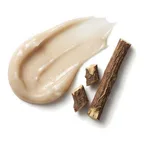 Glycyrrhiza Glabra Root Extract Licorice Root Extract
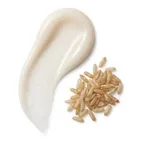 Phytic Acid
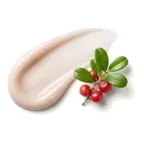 Arctostaphylos Uva-Ursi Leaf Extract
Low
- HighOily Skin Fit
- AverageEffectiveness
- ConcerningSafety
A weak match for oily skin; the products alongside fit it better.
This fit is calculated for the concerns frequently associated with oily skin: shine, enlarged pores, blackheads, and blemishes. For scores and recommendations based on your full skin profile, including your 12D face scan results and any goals or preferences you have, please use the Lovi app.
Updated How the Fit score works
Lovi Assistant explains
- Offers moderate exfoliation for your oily skin due to phytic acid and saccharum officinarum extract, which help smooth texture and manage oiliness. Retinyl palmitate and ascorbic acid provide some antioxidant benefits but may pose a mild irritation risk for your skin.
- The blend of fruit extracts and licorice root extract offers additional benefits for shine control, though stronger seboregulating ingredients are not present.
How to apply
- Use this exfoliant product as part of your PM routine once a week. Start slowly and build up frequency only if your skin tolerates it well.
- Apply the exfoliant after cleansing and toner, but right before your moisturizer.
- Gently press 2-3 drops of the exfoliant into your skin and let it absorb fully. Avoid any harsh rubbing to keep your skin calm.
- Apply the exfoliant directly onto completely dry skin to get the best balance and results. Clean, dry skin helps the product work evenly.
- Always avoid the delicate eye area when applying. Be sure to use a broad-spectrum SPF 30+ daily while using exfoliating acids.
Questions and answers
Why is Glymed Plus Daily Skin Clarifier a weak match for oily skin?
This exfoliant treatment is a weak match for oily skin because, while it provides moderate exfoliation to help smooth texture and manage oiliness, some ingredients may pose a mild irritation risk. An exfoliant for oily skin needs effective ingredients like niacinamide and zinc PCA to control sebum and pores without irritation, along with soothing extracts and hydrators for daily comfort.
International Journal of Nanomedicine, 2021Journal of Cosmetic Dermatology, 2020
Which ingredients make this exfoliant a poor fit for oily skin?
This exfoliant is a weak match for your oily skin because retinyl palmitate and ascorbic acid may pose a mild irritation risk. To better fit oily skin, a product of this type needs ingredients like niacinamide, zinc PCA, and ferulic acid to control sebum production, along with soothing extracts and lightweight hydrators.
International Journal of Nanomedicine, 2021Journal of Cosmetic Dermatology, 2020
What does Licorice Root Extract do for oily skin?
Licorice root extract helps calm redness and manage breakouts on oily skin while keeping the complexion balanced and comfortable. It is unlikely to cause irritation and may help soothe redness and swelling associated with blemishes.
Experimental Dermatology, 2015Journal of Cosmetic Dermatology, 2022
What does Phytic Acid do for oily skin?
Phytic acid helps manage oily skin by gently clearing pores and reducing stubborn dark spots left behind by breakouts. It works well alongside other acids in chemical peels to improve acne scores and smooth out skin tone with a strong safety profile. A product of this type for oily skin needs ingredients that control excess oil and soothe inflammation while keeping pores clear.
Where does this exfoliant go in a skincare routine for oily skin?
This exfoliant treatment goes in the evening routine. For oily skin, this type of product needs stronger oil-controlling and pore-clearing ingredients to effectively manage shine and texture.
Can I use this exfoliant with retinol, and in what order?
Using this exfoliant with retinol may pose a mild irritation risk for your oily skin because it already contains active ingredients like retinyl palmitate and phytic acid. To prevent discomfort, it is best to use them on separate nights or keep a simple routine with gentle hydrators.
How often should I use this exfoliant?
Start using this exfoliant once a week in your evening routine, as this lets you test your skin's tolerance. If your skin handles it well without irritation, you may carefully use it more often.
Can this exfoliant clog pores, cause breakouts or purging for oily skin?
This exfoliant is unlikely to clog pores, but the ingredients inside may cause mild irritation for oily skin. To truly manage oil and smooth texture, this type of product needs stronger oil-regulating ingredients.
International Journal of Nanomedicine, 2021Journal of Cosmetic Dermatology, 2013
Is this exfoliant fragrance-free and alcohol-free?
Yes, it has no fragrance and no drying alcohol.
What the research says
Retinyl palmitate ethosomal hydrogel reduced non-inflammatory and total acne lesion counts significantly better than marketed tretinoin while improving tolerability with minimal skin irritation in patients with acne vulgaris.
International Journal of Nanomedicine, 2021A topical serum containing vitamin C, vitamin E, and raspberry leaf cell culture extract improved skin color, elasticity, radiance, smoothness, scaliness, and wrinkles compared to the untreated contralateral side in fifty female volunteers.
Journal of Cosmetic Dermatology, 2020A vitamin A palmitate and antioxidant-containing oil-based moisturizer improved fine lines, wrinkles, pigmentation, tone, texture, dryness, firmness, and clarity across various body sites compared to a no-treatment group over 12 weeks.
Journal of Cosmetic Dermatology, 2013Combining 755 nm alexandrite laser with topical licorice gel significantly reduces terminal hair counts compared to alexandrite laser with placebo in women with idiopathic hirsutism.
Evidence-based Complementary and Alternative Medicine, 2015Licochalcone A activated Nrf2 signaling, elevated cytoprotective enzymes, increased the reduced-to-oxidized glutathione ratio, and decreased reactive oxygen species in human fibroblasts and neutrophils, while a LicA-rich licorice extract lowered UVA-induced oxidative processes in vivo.
Experimental Dermatology, 2015Mesoporous silica nanoparticles entrapping licorice polysaccharide and coated with polydopamine showed 76% entrapment efficiency, 89% in vitro release at pH 5, increased sebocytes' cellular uptake, and mediated inflammatory response by inhibiting pro-inflammatory cytokines and regulating anti-inflammatory cytokines.
Carbohydrate Polymers, 2024L-ascorbic acid 10% plus phytic acid 2% serum significantly reduced the pigmentation index of solar lentigines compared to a vehicle control in 30 healthy subjects.
Journal of Cosmetic Dermatology, 2011Chemical peels using 35% glycolic acid, 20% salicylic-10% mandelic acid, and phytic acid reduce acne scores by 70.55%, 74.14%, and 69.7% respectively, and significantly decline the postacne hyperpigmentation index in Asian patients with mild to moderate acne.
Journal of Cutaneous and Aesthetic Surgery, 2019A topical facial emulsion containing 10% glycolic acid, 2% phytic acid, and a soothing complex significantly improved skin hyperpigmentation, texture, and tone homogeneity from week 4 through week 12 in American female volunteers with Fitzpatrick skin types II-VI.
Journal of Cosmetic Dermatology, 2021A non-hydroquinone topical formulation (SKNB19) improved hyperpigmentation by 28.5% in patient self-assessment and 27% in independent reviewer assessment compared with 4% hydroquinone in 18 adult subjects, while showing significantly less irritation and better tolerability.
Journal of Cosmetic Science, 2020Encapsulation of alpha arbutin in an optimized ethosomal gel significantly improved skin melanin reduction, moisture content, and elasticity in human volunteers compared to conventional formulations.
Heliyon, 2023Aziderm cream, Neostrata Pigment Lightening Gel, and an arbutin 5% formulation significantly reduced skin pigmentation in healthy female volunteers compared to untreated controls.
The Journal of Clinical and Aesthetic Dermatology, 2022
Why other products fit oily skin better
Topical application of a sea buckthorn fruit extract formulation significantly reduced skin sebum secretion in 10 healthy human volunteers compared to the control base over an 8-week period.
Journal of Pharmacy & Bioallied Sciences, 2010Topical emulsions containing Hippophae rhamnoides and Cassia fistula plant extracts significantly reduced skin sebum contents compared to placebo in patients with grade I and grade II acne vulgaris.
Postepy Dermatologii I Alergologii, 2014Topical benzoyl peroxide 5% gel treatment improved acne severity, sebum, stratum corneum hydration, and transepidermal water loss, while significantly reducing microbial diversity and the prevalence of Cutibacterium in 33 patients with acne vulgaris.
Dermatologic Therapy, 2022
Ingredients
Water, Glycyrrhiza Glabra Root Extract Licorice Root Extract, Phytic Acid, Arctostaphylos Uva-Ursi Leaf Extract, Morus Alba Bark Extract, Laminaria Japonica Extract Algae Extract, Yeast Extract, Saccharum Officinarum Extract, Lemon Fruit Extract, Citrus Aurantium Dulcis Fruit Extract, Pyrus Malus Fruit Extract, Camellia Sinensis Leaf Extract, Tocopheryl Acetate, Retinyl Palmitate, Ascorbic Acid, Magnesium Ascorbyl Phosphate, Glycerin, Sorbitol, Xanthan Gum, Butylene Glycol, Phenoxyethanol, Caprylyl Glycol, Sorbic Acid
Behind this fit score
Lovi calculates every fit score from the full ingredient list with brand-independent rules our dermatologists and cosmetic chemists build and review, and personalizes every pick with AI trained on the real results of millions of users. Lovi trains its fit score models on a proprietary dataset built from more than 10,000 expert-labeled products and more than 100,000 simulated examples, following an internally consistent methodology presented at Cosmoprof, AMWC, and Skin of Color Update.
-

Co-founder, Medical Director
Cosmetic chemist, cosmetologist, aesthetic products developer
-

Co-founder, CEO and CTO
PhD in computer science, 3x US patent holder, ex-Google, ex-Yandex
-

Dr. Sofía Perea Pérez, MD, MSc
Medical Board
Aesthetic medicine practitioner, MSc in Longevity and Anti-Aging Medicine
-

Medical Board
Specialist dermatologist, MBBS, MD, IFAAD
-

Medical Board
Cosmetic chemist, SCS, IFSCC member
-

Medical Board, Medical Advisor
Dermatology MD
-

Elina Nazarenko, MD
Medical Board
Dermatology and diagnostic consultant
-

Victoria Derkova, MS
Medical Board
Cosmetic chemist, cosmetic development technologist


How does it fit your skin?
Scan your face, then any product: Lovi shows how well it fits you and what fits even better.