
Glow Recipe Watermelon Glow PHA + BHA Pore-Tight Toner for acne-prone skin

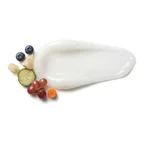 Pha Polyhydroxy Acid
 Bha Beta Hydroxy Acid
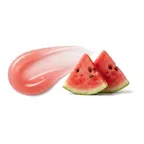 Watermelon Extract
 Sodium Hyaluronate
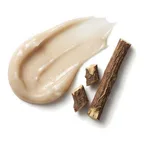 Licorice Root Extract
Superior
- SuperiorCombination Skin Fit
- SuperiorEffectiveness
- ExcellentSafety
One of the best toners for acne-prone skin.
This fit is calculated for the concerns frequently associated with acne-prone skin: breakouts, blackheads, and post-acne marks. For scores and recommendations based on your full skin profile, including your 12D face scan results and any goals or preferences you have, please use the Lovi app.
Updated How the Fit score works
Lovi Assistant explains
- Excellent suitability for your combination skin as gluconolactone and betaine salicylate gently exfoliate and refine pores, while watermelon extract and glycerin provide essential hydration.
- The inclusion of willow bark extract and licorice root extract further aids in calming inflammation and reducing blemishes, complementing the primary exfoliating agents.
- This formula is safe for your acne-prone skin, featuring soothing ingredients and avoiding harsh components that could cause irritation.
Buy online

Prices checked 20 Nov 2026
The Lovi Fit is the same in every country; only the stores and prices differ, and the ones here are for India.
How to apply
- You can use this exfoliating toner in your PM routine. Start by using it 1 time per week and increase slowly if your skin is happy.
- Apply your exfoliating toner right after cleansing and before your moisturizing steps. This helps your skin stay clean and clear.
- Gently press 2-3 drops of the exfoliating toner into your skin with your hands. Avoid rubbing to keep your face calm.
- Apply the exfoliating toner on clean and dry skin for the best comfort. Let it dry for a minute ⏱ before moving on.
- Always do a patch test before your first use and avoid putting the product too close to your eyes.
People Say
★4.8Overall rating based on 4.0k+ reviewsBased on a very large amount of data, this toner is highly regarded for its hydrating and gently exfoliating properties, resulting in smoother skin and a radiant glow. It is particularly effective at minimizing pores for oily and combination skin types.
Highlights
Hydrates skin Mostly Mentioned
- “extremely hydrating”
- “skin felt bouncy”
- “floods skin with moisture”
Glow and radiance Often Mentioned
- “glass skin look”
- “instant glow”
- “luminous finish”
Pleasant scent Often Mentioned
- “smells delicious”
- “refreshing watermelon scent”
- “like a jolly rancher”
Good texture Sometimes Noted
- “satisfyingly thick”
- “absorbs quickly”
- “not sticky”
Refines pores Sometimes Noted
- “pores look tighter”
- “helped with congestion”
- “smoother texture”
Expensive price Sometimes Noted
- “pricey for the size”
- “not budget friendly”
- “expensive”
Causes breakouts Rarely Noted
- “caused painful pimples”
- “bad breakout”
- “skin purging”
Packaging issues Rarely Noted
- “hard to get product out”
- “heavy glass bottle”
- “travel size is difficult”
Sticky finish Rarely Noted
- “leaves a sticky film”
- “feels tacky”
- “didn't absorb well”
Strong fragrance Rarely Noted
- “smell is too strong”
- “synthetic scent”
- “sickly sweet”
Sources: lovi.care, cultbeauty.co.uk, sephora.my, skinsort.com, ipsy.com, glowrecipe.com, and more
Questions and answers
What makes Glow Recipe Watermelon Glow PHA + BHA Pore-Tight Toner one of the best fits for acne-prone skin?
This toner is a superior fit because its gentle acids clear out pores and refine skin while soothing plant extracts help calm inflammation and reduce blemishes. It keeps acne-prone skin comfortable by providing essential hydration without heavy or irritating components.
Journal of Cosmetic Dermatology, 2024The Australasian Journal of Dermatology, 1992
Which ingredients make this toner a good fit for acne-prone skin?
This toner is a very good fit for acne-prone skin because gluconolactone and betaine salicylate gently clear pores while willow bark extract and licorice root extract help calm redness. It is safe for your skin with soothing ingredients that keep it feeling soft and smooth without causing irritation.
Journal of Cosmetic Dermatology, 2024The Australasian Journal of Dermatology, 1992
What does Polyhydroxy Acid do for acne-prone skin?
Polyhydroxy Acid helps clear acne-prone skin by gently reducing inflamed and non-inflamed breakouts while remaining very mild and keeping the skin calm. It provides a safer option with fewer side-effects compared to many standard treatments.
What does Bha do for acne-prone skin?
BHA helps clear acne-prone skin by reducing pimples and calming redness. It works by gently clearing out pores and lowering oil production to prevent future breakouts.
Journal of Cosmetic Dermatology, 2024BioMed Research International, 2020
Where does this toner go in a skincare routine for acne-prone skin?
This exfoliating toner fits into your routine as a cleansing toner in the evening, or as a hydrating toner in the morning or during weekly care. Start using it once a week, and carefully increase the frequency if your skin tolerates it well and shows good results.
Can I use this toner with retinol, and in what order?
You can use this toner with retinol by using them on alternate nights or spacing them out to keep your skin calm and avoid irritation. Applying the toner first helps clear pores gently, while using retinol afterward allows it to work effectively without overwhelming sensitive areas.
Journal of Cosmetic Dermatology, 2024American Family Physician, 2012
How often should I use this toner?
Start using this toner once a week to see how your skin responds, and if you tolerate it well and see good results, you can carefully use it more often. This gentle approach helps prevent irritation while your skin gets used to the exfoliating acids.
Can this toner clog pores, cause breakouts or purging for acne-prone skin?
This toner is a very good fit for acne-prone skin because its gentle exfoliating acids and soothing extracts help clear pores and calm inflammation without causing irritation. Reviewers rarely mention breakouts, and studies show that ingredients like gluconolactone and salicylic acid safely reduce blemishes.
Journal of Cosmetic Dermatology, 2024The Australasian Journal of Dermatology, 1992
Is this toner fragrance-free and alcohol-free?
It has no drying alcohol and contains fragrance (parfum).
What the research says
Gluconolactone 14% solution significantly improved mild to moderate acne by reducing inflamed and non-inflamed lesions similarly to 5% benzoyl peroxide, but with fewer side-effects in 150 patients.
The Australasian Journal of Dermatology, 1992A novel emulsion containing niacinamide, lens esculenta seed extract, and white willow bark extract effectively improved acne, blackheads, and conspicuous facial pores in 30 subjects with oily skin.
Journal of Cosmetic Dermatology, 2024Twice daily application of a multitargeted dermocosmetic cream provided comparable efficacy to benzoyl peroxide 5% gel in reducing inflammatory, non-inflammatory, and total lesions in 150 Caucasian subjects with mild-to-moderate acne over 56 days, while demonstrating superior skin tolerability.
Journal of Cosmetic Dermatology, 2024A moisturizer containing licochalcone A, 1,2-decanediol, L-carnitine, and salicylic acid significantly reduced noninflammatory, inflammatory, and total acne lesion counts compared to a vehicle control in Thai patients during a 12-week maintenance phase.
BioMed Research International, 2020Glycolic acid, salicylic acid, gluconolactone, and licochalcone A combined with 0.1% adapalene showed no hindrance compared to adapalene monotherapy and provided benefits in reducing complications in 25 subjects with mild-to-moderate acne vulgaris.
Clinical, Cosmetic and Investigational Dermatology, 2019Gluconolactone and tartaric acid significantly lower transepidermal water loss and erythema after sodium lauryl sulphate challenge compared to vehicle, untreated control, and glycolic acid in healthy subjects.
The British Journal of Dermatology, 1997Gluconolactone treatment significantly increased facial skin hydration in 16 healthy women, with no significant differences between 10% and 30% solutions.
Skin Research and Technology, 2021Combining a 20% lactobionic acid peel with aluminum oxide crystal microdermabrasion increases skin hydration, improves elasticity, and decreases transepidermal water loss in 20 Caucasian females compared to lactobionic acid peel alone.
Journal of Cosmetic Dermatology, 2019Treatment with 2% supramolecular salicylic acid hydrogel resulted in a regression and markedly improvement rate of 51.01% compared to 43.10% for Adapaline gel in patients with mild to moderate facial acne vulgaris, showing no significant difference in efficacy.
Journal of Cosmetic Dermatology, 2024Topical 5% benzoyl peroxide plus salicylic acid achieved the greatest lesion reduction at early 2 to 4 week time points compared to benzoyl peroxide, clindamycin, and combination benzoyl peroxide/clindamycin, while 5% benzoyl peroxide plus salicylic acid and combination benzoyl peroxide/clindamycin showed similar efficacy at 10 to 12 weeks in acne patients.
Journal of the American Academy of Dermatology, 2010Post-peel application of either topical tretinoin (0.25%) or retinol (0.25%) after a 30% salicylic acid peel effectively improves signs of photodamage compared to baseline in female subjects, with tretinoin performing slightly better than retinol in texture, roughness, and overall appearance at week 4.
Journal of Drugs in Dermatology, 2016Citrulluside H and citrulluside T attenuate ultraviolet B radiation-induced matrix metalloproteinase expression in normal human dermal fibroblasts by scavenging reactive oxygen species and inhibiting MAPK/AP-1 and NF-kappaB signaling pathways.
Photodermatology, Photoimmunology & Photomedicine, 2021Coniferyl alcohol derived from seed watermelon promoted linoleic acid-stimulated lipogenesis by approximately 2.2-fold at 300 µM and increased total lipid content in SZ95 sebocytes compared to controls.
Molecules, 2025Topical application of 0.1% hyaluronic acid formulations of different molecular weights led to significant improvements in skin hydration and elasticity, with low-molecular-weight formulations also significantly reducing wrinkle depth in seventy-six female subjects compared to a vehicle control.
Journal of Drugs in Dermatology, 2011Topical hyaluronic acid serum used twice daily by 40 females with facial photoaging produced an immediate 134% increase in skin hydration, a sustained 55% increase at week 6, and significant improvements in smoothness, plumping, fine lines, wrinkles, and global appearance without causing irritation.
Dermatology and Therapy, 2021A topical antioxidant serum significantly reduced air pollution-induced skin pigmentation and proinflammatory gene expression ex vivo, and improved skin aging signs in 40 healthy adult females after 90 days of daily use.
Journal of Cosmetic Dermatology, 2022Combining 755 nm alexandrite laser with topical licorice gel significantly reduces terminal hair counts compared to alexandrite laser with placebo in women with idiopathic hirsutism.
Evidence-based Complementary and Alternative Medicine, 2015Licochalcone A activated Nrf2 signaling, elevated cytoprotective enzymes, increased the reduced-to-oxidized glutathione ratio, and decreased reactive oxygen species in human fibroblasts and neutrophils, while a LicA-rich licorice extract lowered UVA-induced oxidative processes in vivo.
Experimental Dermatology, 2015Mesoporous silica nanoparticles entrapping licorice polysaccharide and coated with polydopamine showed 76% entrapment efficiency, 89% in vitro release at pH 5, increased sebocytes' cellular uptake, and mediated inflammatory response by inhibiting pro-inflammatory cytokines and regulating anti-inflammatory cytokines.
Carbohydrate Polymers, 2024
Ingredients
Opuntia Ficus-Indica Extract Cactus Extract, Watermelon Fruit Extract, Glycerin, Sodium Hyaluronate, Water, Gluconolactone, Sodium Polyglutamate, Betaine Salicylate, Willow Bark Extract, Melaleuca Alternifolia Tree Extract, Hibiscus Sabdariffa Flower Extract, Lactobacillus Watermelon Extract Fruit Ferment, Cucumis Sativus Fruit Extract, Saccharum Officinarum Extract, Glycyrrhiza Glabra Root Extract Licorice Root Extract, Scutellaria Baicalensis Root Extract, Paeonia Suffruticosa Root Extract, Brassica Oleracea Capitata Leaf Extract, Ipomoea Batatas Root Extract, Sorbitan Oleate, Levulinic Acid, Sodium Levulinate, Parfum
Behind this fit score
Lovi calculates every fit score from the full ingredient list with brand-independent rules our dermatologists and cosmetic chemists build and review, and personalizes every pick with AI trained on the real results of millions of users. Lovi trains its fit score models on a proprietary dataset built from more than 10,000 expert-labeled products and more than 100,000 simulated examples, following an internally consistent methodology presented at Cosmoprof, AMWC, and Skin of Color Update.
-

Co-founder, Medical Director
Cosmetic chemist, cosmetologist, aesthetic products developer
-

Co-founder, CEO and CTO
PhD in computer science, 3x US patent holder, ex-Google, ex-Yandex
-

Dr. Sofía Perea Pérez, MD, MSc
Medical Board
Aesthetic medicine practitioner, MSc in Longevity and Anti-Aging Medicine
-

Medical Board
Specialist dermatologist, MBBS, MD, IFAAD
-

Medical Board
Cosmetic chemist, SCS, IFSCC member
-

Medical Board, Medical Advisor
Dermatology MD
-

Elina Nazarenko, MD
Medical Board
Dermatology and diagnostic consultant
-

Victoria Derkova, MS
Medical Board
Cosmetic chemist, cosmetic development technologist


How does it fit your skin?
Scan your face, then any product: Lovi shows how well it fits you and what fits even better.