
EPICUTIS lipid serum for combination skin

 Hyaluronic Acid
 Glycerin
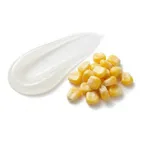 Propanediol
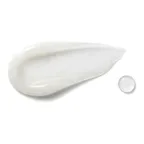 Pentylene Glycol
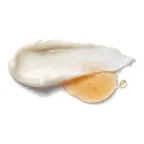 Tsc Disodium Tetramethylhexadecenyl Succinoyl Cysteine
High
- HighCombination Skin Fit
- HighEffectiveness
- HighSafety
One of the best moisturizers for combination skin.
- Clinical, Cosmetic and Investigational Dermatology, 2017
- International Journal of Cosmetic Science, 2024
This fit is calculated for the concerns frequently associated with combination skin: an oily T-zone, enlarged pores, and dry cheeks. For scores and recommendations based on your full skin profile, including your 12D face scan results and any goals or preferences you have, please use the Lovi app.
Updated How the Fit score works
Lovi Assistant explains
- Highly suitable for your combination skin, this serum effectively addresses oily shine with hyaluronic acid and glycerin, which provide essential hydration without increasing oiliness.
- The formula's humectant properties ensure your skin remains plump and moisturized, complementing its natural balance.
- This product is safe for your skin, containing no harsh or irritating ingredients.
How to apply
- Use this moisturizer in your AM and PM routine every day to control shine. Always pair with SPF in the morning.
- Apply this moisturizer after your cleanser and toner, right before your morning SPF.
- Gently press a small amount of the moisturizer into your skin and avoid harsh rubbing. Let it ⏳absorb for a minute.
- Apply the moisturizer on slightly damp skin to help it lock in moisture better. This keeps your combination skin balanced.
- Avoid the eye area when applying the moisturizer. Do a patch test before your first use.
People Say
★4.8Overall rating based on 100+ reviewsBased on limited data, users highly recommend this serum for its ability to soothe redness and inflammation, deeply hydrate, and repair the skin barrier.
Highlights
Calms redness inflammation Mostly Mentioned
- “calmed my inflamed skin”
- “huge reduction in redness”
- “soothes post-shave irritation”
- “faded my PIE fast”
Expensive price tag Mostly Mentioned
- “expensive investment”
- “hard to justify cost”
- “wish it was cheaper”
Deeply hydrating Often Mentioned
- “unparalleled level of hydration”
- “skin is dewier”
- “plumps and smooths”
- “no greasy residue”
Repairs skin barrier Often Mentioned
- “repair my barrier”
- “heals better”
- “strengthen skin barrier”
- “restored my barrier”
Minimalist clean formula Sometimes Noted
- “only 8 ingredients”
- “safe for sensitive skin”
- “fragrance free”
- “no toxic chemicals”
Packaging dropper issues Rarely Noted
- “dropper dispenser could use improvement”
- “pipette issues”
- “hard to get product out”
Rare breakouts Rarely Noted
- “broke me out”
- “clogged pores”
- “gave me blackheads”
- “caused pimples”
Texture pilling Rarely Noted
- “pills so badly”
- “sticky/tacky texture”
- “didn't play nice with other products”
Sources: lovi.care, artofskincare.com, reddit.com, skinbeautifulrx.com, knoxglow.com, lovemyrosieskin.com, and more
Questions and answers
What makes EPICUTIS lipid serum a great fit for combination skin?
This serum is a great fit because hyaluronic acid and glycerin hydrate dry areas without adding oily shine, keeping your skin plump and balanced. Its gentle formula is also safe and unlikely to cause irritation.
Clinical, Cosmetic and Investigational Dermatology, 2017International Journal of Cosmetic Science, 2024
Which ingredients make this serum a good fit for combination skin?
Hyaluronic acid and glycerin make this serum a great fit for your combination skin because they provide essential hydration without increasing oily shine. These ingredients help keep your skin plump and moisturized while respecting its natural balance.
What does Hyaluronic Acid do for combination skin?
Hyaluronic acid helps balance combination skin by boosting hydration in dry areas without making oily zones greasy. It may also improve skin smoothness and elasticity while supporting a healthy skin barrier.
Journal of Drugs in Dermatology, 2011Dermatology and Therapy, 2021
What does Glycerin do for combination skin?
Glycerin helps keep combination skin soft and smooth by pulling moisture in and keeping it there. It improves hydration and supports your skin barrier, which is unlikely to cause irritation.
The British Journal of Dermatology, 2008Clinical, Cosmetic and Investigational Dermatology, 2017
Where does this serum go in a skincare routine for combination skin?
This serum goes in the evening routine after cleansing and before moisturizing, as Lovi routines place treatments in the evening for simplicity and extra safety around sun exposure.
Can I use this serum with retinol, and in what order?
You can use this serum with retinol by applying the serum first to keep your skin plump and hydrated, followed by your retinol. This approach helps maintain your skin's natural balance and is unlikely to cause irritation.
Cutis, 2006Clinical, Cosmetic and Investigational Dermatology, 2017
How often should I use this serum?
You can use this treatment in the evening as part of your routine. Daily application helps keep your skin plump and moisturized without increasing oiliness.
Journal of Cosmetic Dermatology, 2020Health Science Reports, 2021
Can this serum clog pores, cause breakouts or purging for combination skin?
This serum is unlikely to clog pores or cause breakouts on combination skin because it uses lightweight hydrators like hyaluronic acid and glycerin that quench dry areas without adding extra oiliness. The formula is very safe and gentle, with rare breakouts reported by only a small number of reviewers.
Clinical, Cosmetic and Investigational Dermatology, 2017International Journal of Cosmetic Science, 2024
Can I use this serum around the eyes or on my body?
Yes, you can use this moisturizing treatment around the eyes and on the body because its gentle formula is safe and well-tolerated. It helps keep thin or delicate areas plump and hydrated without irritation.
Is this serum fragrance-free and alcohol-free?
Yes, it has no fragrance and no drying alcohol.
What the research says
A single application of a moisturizing fluid containing hyaluronic acid 1%, glycerin 5%, and Centella asiatica stem cells extract significantly increased skin hydration by 29% and reduced transepidermal water loss at 24 hours compared to baseline and an untreated control site in twenty healthy women.
Clinical, Cosmetic and Investigational Dermatology, 2017Topical application of 1,3-propanediol at various concentrations, alone or combined with butylene glycol and/or glycerol, increased skin hydration and reduced trans epidermal water loss in 30 healthy female subjects over an 8-hour period, with the 15% concentration and the addition of glycerol providing greater benefits.
International Journal of Cosmetic Science, 2024Topical application of 0.1% hyaluronic acid formulations of different molecular weights led to significant improvements in skin hydration and elasticity, with low-molecular-weight formulations also significantly reducing wrinkle depth in seventy-six female subjects compared to a vehicle control.
Journal of Drugs in Dermatology, 2011Topical hyaluronic acid serum used twice daily by 40 females with facial photoaging produced an immediate 134% increase in skin hydration, a sustained 55% increase at week 6, and significant improvements in smoothness, plumping, fine lines, wrinkles, and global appearance without causing irritation.
Dermatology and Therapy, 2021A topical antioxidant serum significantly reduced air pollution-induced skin pigmentation and proinflammatory gene expression ex vivo, and improved skin aging signs in 40 healthy adult females after 90 days of daily use.
Journal of Cosmetic Dermatology, 2022The emollient V0034CR significantly reduced TEWL compared to vehicle and vehicle plus glycerol, and significantly increased corneometry scores compared to vehicle and vehicle plus petrolatum in healthy volunteers with dry skin, demonstrating combined barrier function improvement from petrolatum and hydration improvement from glycerol.
Journal of Cosmetic Dermatology, 2020Ten days of treatment with a cream containing 20% glycerin significantly increased skin hydration measured by corneometer values in 17 healthy volunteers compared to a placebo cream, but showed no influence on transepidermal water loss or skin sensitivity to an irritating surfactant.
International Journal of Cosmetic Science, 2001Niacinamide/glycerin body moisturizers provided better rapid and prolonged improvement of cosmetic xerosis through functional improvement of stratum corneum barrier function compared to no treatment and conventional moisturizers in female subjects.
Journal of Drugs in Dermatology, 2012A mixture of propanediol, xylitol, and caprylic acid demonstrated in vitro antimicrobial activity against C. acnes and S. aureus, reduced 5-alpha reductase expression, and decreased skin oiliness, porphyrin, and inflammatory lesions in participants over 28 days.
Molecules, 2021Sustainable olive pomace extracts obtained using water and 1,3-propanediol demonstrated significant antioxidant and antiglycation activities superior to tocopherol acetate, successfully replacing it in a cosmetic emulsion for skin barrier support.
Pharmaceutics, 2025Sustainable cosmetic products formulated with renewable PDO-based emulsifiers showed equivalent performance in sensory and moisturization evaluations compared to those formulated with petroleum-derived PEG-based emulsifiers.
Journal of Cosmetic Science, 2017Exposure of epidermal full-thickness skin equivalents to a blend of betaine, pentylene glycol, Saccharomyces cerevisiae, and Rhodiola rosea root extract significantly increased antioxidant, skin barrier, and oxidative stress biomarkers while reducing the negative impact of hydrogen peroxide on MMP3, MMP12, FBN2, ANXA1, and HGF, whereas a blend of Narcissus tazetta bulb extract and Schisandra chinensis fruit extract significantly increased 8 growth factors, 7 signaling, 7 structural/barrier function, 7 oxidative stress biomarkers, and specific microRNAs over control levels.
International Journal of Molecular Sciences, 2018Tetramethylhexadecenyl succinyl cysteine reduced inflammation by blocking TPA- and UVB-induced cytokine production in keratinocytes, inhibiting IL-4 and IL-17 in TCR-activated PBMCs, and suppressing nickel-induced IL-6 and IL-8 in HDMECs, while also inhibiting cell growth of Streptococcus pyogenes.
International Journal of Cosmetic Science, 2015
Ingredients
Water, Propanediol, Pentylene Glycol, Glycerin, Hyaluronic Acid, Tsc Disodium Tetramethylhexadecenyl Succinoyl Cysteine, Pentasodium Pentetate, Citric Acid
Behind this fit score
Lovi calculates every fit score from the full ingredient list with brand-independent rules our dermatologists and cosmetic chemists build and review, and personalizes every pick with AI trained on the real results of millions of users. Lovi trains its fit score models on a proprietary dataset built from more than 10,000 expert-labeled products and more than 100,000 simulated examples, following an internally consistent methodology presented at Cosmoprof, AMWC, and Skin of Color Update.
-

Co-founder, Medical Director
Cosmetic chemist, cosmetologist, aesthetic products developer
-

Co-founder, CEO and CTO
PhD in computer science, 3x US patent holder, ex-Google, ex-Yandex
-

Dr. Sofía Perea Pérez, MD, MSc
Medical Board
Aesthetic medicine practitioner, MSc in Longevity and Anti-Aging Medicine
-

Medical Board
Specialist dermatologist, MBBS, MD, IFAAD
-

Medical Board
Cosmetic chemist, SCS, IFSCC member
-

Medical Board, Medical Advisor
Dermatology MD
-

Elina Nazarenko, MD
Medical Board
Dermatology and diagnostic consultant
-

Victoria Derkova, MS
Medical Board
Cosmetic chemist, cosmetic development technologist


How does it fit your skin?
Scan your face, then any product: Lovi shows how well it fits you and what fits even better.