
Elemis Pro-Collagen Tri-Acid Peel for oily skin

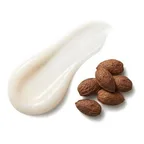 Mandelic Acid
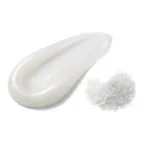 Lactobionic Acid
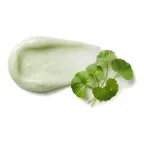 Asiatic Acid
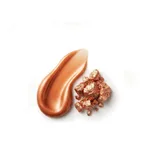 Copper Pca
 Sodium Hyaluronate
Average
- HighOily Skin Fit
- AverageEffectiveness
- HighSafety
Works for oily skin; other products fit it better.
This fit is calculated for the concerns frequently associated with oily skin: shine, enlarged pores, blackheads, and blemishes. For scores and recommendations based on your full skin profile, including your 12D face scan results and any goals or preferences you have, please use the Lovi app.
Updated How the Fit score works
Lovi Assistant explains
- Offers moderate exfoliation for your oily skin due to the presence of mandelic acid and lactobionic acid, which help to unclog pores and promote skin renewal.
- Glycerin and sodium hyaluronate provide hydration, which is supportive but not directly targeted at your primary concern of oily shine.
- The product is safe for your oily skin, with no risks of irritation from harsh ingredients and the inclusion of soothing Padina Pavonica Thallus Extract.
How to apply
- Use this exfoliant product as part of your PM routine once a week. Start slowly and build up frequency only if your skin tolerates it well.
- Apply the exfoliant after cleansing and toner, but right before your moisturizer.
- Gently press 2-3 drops of the exfoliant into your skin and let it absorb fully. Avoid any harsh rubbing to keep your skin calm.
- Apply the exfoliant directly onto completely dry skin to get the best balance and results. Clean, dry skin helps the product work evenly.
- Always avoid the delicate eye area when applying. Be sure to use a broad-spectrum SPF 30+ daily while using exfoliating acids.
People Say
★4.7Overall rating based on 400+ reviewsThis product is highly praised for rejuvenating dull, aging, and textured skin. Users consistently report a brighter, smoother, and more even-toned complexion with a noticeable reduction in fine lines and pores. It is generally gentle on the skin, though some users experience slight tingling. A common drawback mentioned is the high price point.
Highlights
Improves texture Mostly Mentioned
- “my skin looked noticeably smoother”
- “significant improvement in my skin's texture”
- “leaving me with beautiful smooth skin”
- “immediate smoothness”
Brightens skin Often Mentioned
- “my skin looked immediately brighter”
- “The glow it gives is unreal!”
- “brightened up my complexion”
- “complexion looks visibly brighter”
Expensive product Often Mentioned
- “too pricey at £70”
- “I agree too priceyyyyy!!”
- “While on the pricier side”
- “There are lots of more affordable alternatives”
Gentle formula Sometimes Noted
- “gentle and non-irritating, even for sensitive skin”
- “The peel is gentle but so effective”
- “hesitant to use this as have quite sensitive skin... No problems at all”
- “without the harshness of traditional AHAs”
Reduces lines Sometimes Noted
- “helps reduce the appearance of fine lines”
- “dramatically reduced the appearance of fine lines”
- “softens the look of fine lines”
Causes tingling Sometimes Noted
- “slight tingling and a brief flush after rinsing”
- “My face is still slightly tingling an hour later”
- “yes, it tingles for a wee while”
- “A slight tingling sensation and redness may occur”
Underwhelming results Rarely Noted
- “It's just ok... just doesn't do what I want it too”
- “no obvious signs of performance”
- “It can be harsh for others”
Sources: lovi.care, elemis.com, johnlewis.com, boots.com, macys.com, reddit.com, and more
Questions and answers
How well does Elemis Pro-Collagen Tri-Acid Peel work for oily skin?
This exfoliant treatment works reasonably well for oily skin by offering moderate exfoliation that helps unclog pores and clear away buildup. It is generally safe and unlikely to cause irritation, though other options fit oily skin better. To better target oily shine and control excess oil, an oily skin product needs ingredients like niacinamide, zinc PCA, or ferulic acid.
Which ingredients make this exfoliant a good fit for oily skin?
Mandelic acid and lactobionic acid help unclog pores and promote skin renewal to suit your oily skin. To truly master oily shine, this type of product needs ingredients like niacinamide, ferulic acid, or zinc PCA to control sebum and clear pores.
What does Mandelic Acid do for oily skin?
Mandelic acid helps clear active breakouts and smooth uneven skin tone for oily skin with fewer side effects than many other acids. It is generally well-tolerated and works effectively to keep skin calm and clear.
What does Lactobionic Acid do for oily skin?
Lactobionic acid helps keep oily skin hydrated and smooth while keeping irritation very unlikely. Because this ingredient is gentle, an average or poor fit for oily skin needs a product formulated with soothing polyhydroxy acids and lightweight hydrators to balance oil without clogging pores.
Journal of Cosmetic Dermatology, 2019Journal of Cosmetic Dermatology, 2018
Where does it go in a skincare routine for oily skin?
This treatment goes in the evening routine once a week. Oily skin works better with products that specifically target excess shine and oil control while providing balanced hydration.
Can I use this exfoliant with retinol, and in what order?
This exfoliant treatment works for your oily skin, though other products fit it better because oily skin needs dedicated oil-controlling ingredients like salicylic acid and niacinamide to properly manage excess shine. Using strong acids like these alongside retinol on the same day may cause irritation, so it is best to alternate them on different nights.
How often should I use it?
Start by using this treatment once a week in your evening routine, and if your skin tolerates it well and shows good results, you may carefully use it more often. This product type needs ingredients like salicylic acid and clay to deeply clear pores and control oily shine.
Can this exfoliant clog pores, cause breakouts or purging for oily skin?
This exfoliant is unlikely to clog pores or cause breakouts for oily skin, as it contains mandelic acid and lactobionic acid which help to unclog pores and promote skin renewal. Oily skin often benefits most from products of this type that include targeted ingredients to control excess shine and deep-clean pores.
Is it fragrance-free and alcohol-free?
It contains fragrance (parfum) and drying alcohol (alcohol denat and alcohol).
What the research says
Treatment with 45% mandelic acid peel showed nearly equal overall efficacy as 30% salicylic acid peel in patients with mild-to-moderate facial acne vulgaris, but with fewer adverse effects.
Journal of Cosmetic Dermatology, 2020A topical medical device containing benzoylperoxide and retinol reduced the GAGS score by 69.20% and comedonic lesions by 65% over 12 weeks in 20 patients with mild acne.
Clinical, Cosmetic and Investigational Dermatology, 2019A single application of a moisturizing fluid containing hyaluronic acid 1%, glycerin 5%, and Centella asiatica stem cells extract significantly increased skin hydration by 29% and reduced transepidermal water loss at 24 hours compared to baseline and an untreated control site in twenty healthy women.
Clinical, Cosmetic and Investigational Dermatology, 2017Commonly used chemical peels showed no significant differences in effectiveness for acne vulgaris in most comparisons, though combined salicylic and mandelic acid peeling was superior to glycolic acid and glycolic acid was superior to placebo, based on twelve randomized controlled trials.
BMJ Open, 2018Chemical peels using 35% glycolic acid, 20% salicylic-10% mandelic acid, and phytic acid reduce acne scores by 70.55%, 74.14%, and 69.7% respectively, and significantly decline the postacne hyperpigmentation index in Asian patients with mild to moderate acne.
Journal of Cutaneous and Aesthetic Surgery, 2019The Mandelic acid_Carnitine ion-pairing complex exhibited superior exfoliating efficacy and skin improvement effects without adverse reactions compared to Mandelic acid alone.
Skin Research and Technology, 2024Combining a 20% lactobionic acid peel with aluminum oxide crystal microdermabrasion increases skin hydration, improves elasticity, and decreases transepidermal water loss in 20 Caucasian females compared to lactobionic acid peel alone.
Journal of Cosmetic Dermatology, 2019Carboxytherapy alone and combined with lactobionic acid, ferulic acid, and ascorbic acid significantly reduced vascular dark circles and combined pigmentation in the tear trough and lower eyelid of 39 Caucasian participants.
Clinical, Cosmetic and Investigational Dermatology, 2024Lactobionic acid produced better skin performance with a lack of skin irritation and barrier impairment compared to glycolic acid in 77 healthy volunteers.
Journal of Cosmetic Dermatology, 2010Topical treatment with 5% vitamin C and 0.1% madecassoside significantly improved clinical scores for wrinkles, suppleness, firmness, roughness, and skin hydration, along with functional and structural remodeling of the elastic fiber network in 20 female volunteers with photoaged skin after 6 months compared to baseline.
Experimental Dermatology, 2008Treatment with an asiaticoside-containing cream applied twice daily for 12 weeks significantly improved periorbital wrinkles in 65% of 27 female volunteers compared to a vehicle control cream.
International Journal of Cosmetic Science, 2008A combination serum containing galactomyces ferment filtrate, dexpanthenol, and Centella asiatica effectively treated post-acne hyperpigmentation in subjects with colored skin by significantly increasing lightness scores in Fitzpatrick skin type V and reducing the melanin index in Fitzpatrick skin type IV compared to placebo.
Skinmed, 2021A single application of a topical formulation containing copper sulfate pentahydrate and Hypericum perforatum effectively managed HSV-1 and HSV-2 lesions with lower odds of burning, stinging, acute pain, erythema, and vesiculation compared to topical 5% Acyclovir cream in adult patients.
Journal of Drugs in Dermatology, 2012Topical application of sodium copper chlorophyllin complex significantly improved mild-moderate photodamage and solar lentigenes compared to baseline in women over an 8-week period.
Journal of Drugs in Dermatology, 2015Sodium copper chlorophyllin complex 0.05% gel significantly increased fibrillin/amyloid P and epidermal mucins and increased procollagen 1 and dermal mucin in photoaged forearm skin of four healthy females compared to an untreated negative control.
Clinical, Cosmetic and Investigational Dermatology, 2016Topical application of 0.1% hyaluronic acid formulations of different molecular weights led to significant improvements in skin hydration and elasticity, with low-molecular-weight formulations also significantly reducing wrinkle depth in seventy-six female subjects compared to a vehicle control.
Journal of Drugs in Dermatology, 2011Topical hyaluronic acid serum used twice daily by 40 females with facial photoaging produced an immediate 134% increase in skin hydration, a sustained 55% increase at week 6, and significant improvements in smoothness, plumping, fine lines, wrinkles, and global appearance without causing irritation.
Dermatology and Therapy, 2021A topical antioxidant serum significantly reduced air pollution-induced skin pigmentation and proinflammatory gene expression ex vivo, and improved skin aging signs in 40 healthy adult females after 90 days of daily use.
Journal of Cosmetic Dermatology, 2022
Ingredients
Water, Mandelic Acid, Glycerin, Lactobionic Acid, Hydroxyethylcellulose, Sodium Hydroxide, Propanediol, Phenoxyethanol, Hydroxyacetophenone, Menthyl Ethylamido Oxalate, Alcohol Denat, Xanthan Gum, Parfum, Disodium Edta, Asiatic Acid, Copper Pca, Padina Pavonica Thallus Extract, Chlorella Vulgaris Extract, Acacia Decurrens Flower Extract, Rosa Centifolia Flower Extract, Rhizobian Gum, Sodium Hyaluronate, Chlorphenesin, Alcohol
Behind this fit score
Lovi calculates every fit score from the full ingredient list with brand-independent rules our dermatologists and cosmetic chemists build and review, and personalizes every pick with AI trained on the real results of millions of users. Lovi trains its fit score models on a proprietary dataset built from more than 10,000 expert-labeled products and more than 100,000 simulated examples, following an internally consistent methodology presented at Cosmoprof, AMWC, and Skin of Color Update.
-

Co-founder, Medical Director
Cosmetic chemist, cosmetologist, aesthetic products developer
-

Co-founder, CEO and CTO
PhD in computer science, 3x US patent holder, ex-Google, ex-Yandex
-

Dr. Sofía Perea Pérez, MD, MSc
Medical Board
Aesthetic medicine practitioner, MSc in Longevity and Anti-Aging Medicine
-

Medical Board
Specialist dermatologist, MBBS, MD, IFAAD
-

Medical Board
Cosmetic chemist, SCS, IFSCC member
-

Medical Board, Medical Advisor
Dermatology MD
-

Elina Nazarenko, MD
Medical Board
Dermatology and diagnostic consultant
-

Victoria Derkova, MS
Medical Board
Cosmetic chemist, cosmetic development technologist


How does it fit your skin?
Scan your face, then any product: Lovi shows how well it fits you and what fits even better.