
Dr.G Green Mild Up Sun+ for acne-prone skin

 Zinc Oxide
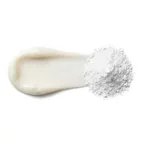 Titanium Dioxide
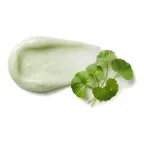 Centella Asiatica Extract
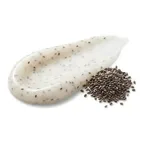 Salvia Hispanica Seed Extract
 Ceramide
High
- HighCombination Skin Fit
- HighEffectiveness
- ExcellentSafety
A great choice for acne-prone skin; a few sunscreens fit it even better.
This fit is calculated for the concerns frequently associated with acne-prone skin: breakouts, blackheads, and post-acne marks. For scores and recommendations based on your full skin profile, including your 12D face scan results and any goals or preferences you have, please use the Lovi app.
Updated How the Fit score works
Lovi Assistant explains
- Excellent suitability for your combination skin and acne-prone concerns is provided by zinc oxide and Centella Asiatica extract, which offer anti-inflammatory benefits and help soothe breakouts.
- The formulation also supports barrier repair with Houttuynia Cordata Extract, contributing to overall skin health.
- This product is safe for your skin, as it contains soothing ingredients and lacks harsh or irritating components.
Buy online

Prices checked 20 Nov 2026
The Lovi Fit is the same in every country; only the stores and prices differ, and the ones here are for India.
How to apply
- Apply this sunscreen every morning as the final step of your skincare routine. Reapply every two hours if you are outdoors for best protection against breakouts.
- Apply the sunscreen after your moisturizer and before applying any makeup. Let it absorb completely ⏱ before going outside.
- Take a nickel-sized amount and gently pat it evenly across your face and neck. Avoid rubbing aggressively to keep your combination skin calm.
- Apply the sunscreen on clean, dry skin to ensure an even protective layer. This helps manage excess shine without clogging your pores.
- Avoid the immediate eye area and do a quick patch test before first use. Stop using it if you notice any irritation and consult a specialist.
People Say
★4.7Overall rating based on 1.6k+ reviewsBased on a very large amount of data, this mineral sunscreen is highly recommended for sensitive, oily, and acne-prone skin, effectively calming redness and providing a semi-matte, non-sticky finish. Users with dry skin may find it too drying, and those with darker skin tones often experience a noticeable white cast.
Highlights
Gentle and non-irritating Mostly Mentioned
- “only sunscreen that doesn't sting my eyes”
- “never breaks me out”
- “soothing on acne”
Non-sticky matte finish Mostly Mentioned
- “perfect matte finish for oily skin”
- “zero stickiness after setting”
- “controls shine all day”
- “feels like a soft primer”
Noticeable white cast Often Mentioned
- “leaves a ghost-like cast”
- “noticeable on my hairline”
- “looks ashy on tan skin”
- “takes forever to blend in”
Good makeup base Sometimes Noted
- “makeup sits beautifully on top”
- “grips foundation well”
- “smooths out pores”
- “no pilling at all”
Soothing ingredients Sometimes Noted
- “calms my redness”
- “feels healing on the skin”
- “great herbal ingredients”
- “helps with skin barrier”
Drying for dry skin Sometimes Noted
- “emphasized my dry patches”
- “felt tight by midday”
- “sucked the moisture out”
- “too matte for winter”
Difficult removal Rarely Noted
- “hard to wash off”
- “need an oil cleanser”
- “stays in pores if not scrubbed”
Texture and drag Rarely Noted
- “tugs at my skin”
- “hard to spread evenly”
- “feels a bit chalky”
- “requires work to blend”
Sources: lovi.care, oliveyoung.com, stylekorean.com, yesstyle.com, skinsort.com, femaledaily.com, and more
Questions and answers
What makes Dr.G Green Mild Up Sun+ a great fit for acne-prone skin?
This product is a great fit because zinc oxide and Centella Asiatica extract provide anti-inflammatory benefits that help soothe breakouts on acne-prone skin. It is also safe and unlikely to cause irritation because it lacks harsh components while supporting overall skin health.
Indian Journal of Pharmaceutical Sciences, 2016Biomedicines, 2025
Which ingredients make this cream a good fit for acne-prone skin?
Zinc oxide and Centella asiatica extract make this cream a great fit because they help soothe breakouts and calm red, irritated skin. These ingredients are very well suited for acne-prone skin and work safely without harsh components.
Indian Journal of Pharmaceutical Sciences, 2016Biomedicines, 2025
What does Zinc Oxide do for acne-prone skin?
Zinc oxide helps calm red, angry blemishes and reduces breakouts in acne-prone skin. Studies show it safely targets the bacteria behind acne and visibly improves bumps without causing irritation.
What does Titanium Dioxide do for acne-prone skin?
Titanium dioxide is unlikely to directly treat or improve acne, and certain forms may even irritate sensitive or acne-prone skin. A product of this type needs soothing and balancing ingredients that help clear blemishes without causing irritation or blocking pores.
Where does it go in a skincare routine for acne-prone skin?
This product goes as the last step of your morning skincare routine, right after your moisturizer. It is a great fit for your acne-prone skin because it contains zinc oxide and centella asiatica extract, which provide anti-inflammatory benefits and help soothe breakouts without harsh or irritating components.
Indian Journal of Pharmaceutical Sciences, 2016Biomedicines, 2025
Can I use this cream with retinol, and in what order?
You can use this sunscreen in the morning as the final step of your routine, after applying your moisturizer and before any makeup. Using a gentle mineral sunscreen with soothing ingredients like zinc oxide is unlikely to irritate your skin while using retinol.
Biomedicines, 2025Indian Journal of Pharmaceutical Sciences, 2016
How often should I use it?
This sunscreen is a great fit for your acne-prone skin and is meant for daily use in your morning routine. Zinc oxide and Centella Asiatica extract provide anti-inflammatory benefits that help soothe breakouts safely.
Indian Journal of Pharmaceutical Sciences, 2016Biomedicines, 2025
Can this cream clog pores, cause breakouts or purging for acne-prone skin?
Dr.G Green Mild Up Sun+ is unlikely to clog pores or cause breakouts on acne-prone skin because it contains soothing mineral ingredients and calming plant extracts that help calm redness. It is free of harsh components and safely supports skin health, though you may notice a white cast.
Indian Journal of Pharmaceutical Sciences, 2016Biomedicines, 2025
Is it fragrance-free and alcohol-free?
Yes, it has no fragrance and no drying alcohol. Cetearyl alcohol is a fatty alcohol, which soften the skin.
What the research says
Cosmetic formulations containing 5% Centella asiatica extract showed the best efficacy in improving skin moisture and decreasing transepidermal water loss, while also exhibiting antiinflammatory properties in 25 volunteers compared to baseline measurements.
Indian Journal of Pharmaceutical Sciences, 2016Co-delivery of paeonol and madecassoside via nanoemulsions improved transdermal delivery, promoted barrier repair proteins, inhibited inflammatory cytokine secretion in cellular and 3D models, and reduced transepidermal water loss and acne in human facial skin compared to free components.
Molecules, 2023Biomimetic hyaluronic acid-stabilized zinc oxide nanoparticles selectively inhibited C. acnes, outperformed erythromycin in preclinical acne models, and safely reduced acne lesions and redness in a clinical trial.
Journal of Controlled Release, 2025A hyperoside-enriched fraction of Houttuynia cordata Thunb. inhibited UVB-induced oxidative stress, inflammation, and collagen degradation in human dermal fibroblasts by regulating the MAPK signaling pathway.
Plants, 2021Topical 0.5% hyaluronic-ZnO nanogel applied twice daily reduced inflammatory-lesion counts by 58% at week four in human subjects compared to baseline without causing erythema.
Biomedicines, 2025Daily use of a deep cleansing gel containing salicylic acid 2%, zinc gluconate 0.2% and lipohydroxy acid 0.05% significantly reduced total lesion count by 56.3% after 84 days in 35 subjects with mild to moderate truncal acne.
Clinical, Cosmetic and Investigational Dermatology, 2023Topical zinc oxide nanogels formulated using Dendrobium anosmum showed greater effectiveness against Gram-positive acne-causing bacteria compared to chemogenic nanoparticles.
Molecules, 2023Microfine titanium dioxide does not penetrate human skin when formulated in an oil-in-water emulsion with the pigment dispersed in the aqueous phase, compared to oily dispersions and liposomal encapsulation which allow deeper skin penetration.
International Journal of Cosmetic Science, 2000Replacing microsized titanium dioxide and zinc oxide with nanoparticles in sunscreens eliminates opaqueness and alters UV protection balance while inducing (photo)cyto- and genotoxicity and penetrating viable skin layers during long-term exposures.
Nanotechnology, Science and Applications, 2011Hyaluronic acid-grafted titanium dioxide nanoparticles increased SPF from 13.3 to 19.1 while demonstrating low photocatalytic activity, exceptional thermal stability with >95% SPF retention, enhanced moisturization with >80% hydration retention, and minimal cytotoxicity with 88.5% cell viability in HaCaT keratinocytes compared to unmodified nanoparticles.
International Journal of Biological Macromolecules, 2025A single application of a moisturizing fluid containing hyaluronic acid 1%, glycerin 5%, and Centella asiatica stem cells extract significantly increased skin hydration by 29% and reduced transepidermal water loss at 24 hours compared to baseline and an untreated control site in twenty healthy women.
Clinical, Cosmetic and Investigational Dermatology, 2017Topical treatment with 5% vitamin C and 0.1% madecassoside significantly improved clinical scores for wrinkles, suppleness, firmness, roughness, and skin hydration, along with functional and structural remodeling of the elastic fiber network in 20 female volunteers with photoaged skin after 6 months compared to baseline.
Experimental Dermatology, 2008Treatment with an asiaticoside-containing cream applied twice daily for 12 weeks significantly improved periorbital wrinkles in 65% of 27 female volunteers compared to a vehicle control cream.
International Journal of Cosmetic Science, 2008Topical 0.1% HYVIA cream improves skin hydration in 16 human subjects.
Journal of Cosmetic Dermatology, 2020Ceramide and niacinamide-containing moisturizer combined with anti-acne treatment significantly improved non-inflammatory, inflammatory, and total acne lesions compared to hydrophilic cream in 40 patients with mild to moderate acne vulgaris after 8 weeks.
Journal of Cosmetic Dermatology, 2024Topical application of a pseudo-ceramide-containing spray improved stratum corneum water content, transepidermal water loss, cell area, and scaling score, and normalized the ceramide profile in patients with dry and sensitive skin compared to a control spray.
Journal of Cosmetic Dermatology, 2025
Ingredients
Water, Zinc Oxide, Cyclomethicone, Propanediol, Titanium Dioxide, Dicaprylyl Carbonate, Polyglyceryl-3 Polydimethylsiloxyethyl Dimethicone, Cetyl Ethylhexanoate, 1,2-Hexanediol, Disteardimonium Hectorite, Magnesium Sulfate, Salvia Hispanica Seed Extract, Centella Asiatica Extract, Houttuynia Cordata Extract, Hydrogen Dimethicone, Aluminum Hydroxide, Polyglyceryl-2 Dipolyhydroxystearate, Stearic Acid, Dimethicone Crosspolymer, Phenyl Trimethicone, Fructooligosaccharides, Saccharide Hydrolysate, Pullulan, Bergamot Oil Fruit, Helianthus Annuus Seed Oil Sunflower Seed Oil, Ethylhexylglycerin, Octyldodecanol, Pelargonium Graveolens Oil Flower Geranium Oil Flower, Carthamus Tinctorius Seed Oil, Marrubium Vulgare Extract, Rosa Damascena Oil Flower Rose Oil Flower, Echium Plantagineum Seed Oil, Hydrogenated Lecithin, Olea Europaea Oil Olive Oil, Cetearyl Alcohol, Glycine Soja Oil Soybean Oil, Wheat Germ Oil, Glycerin, Tagetes Erecta Flower Extract, Cardiospermum Halicacabum Vine Extract Flower Leaf, Pollen Extract, Pinus Pinaster Bark Extract, Biosaccharide Gum-4, Cholesterol, Phytosphingosine, Ceramide Eop, Ceramide Ns, Ceramide Np, Ceramide Ap, Citric Acid, Tocopherol
Behind this fit score
Lovi calculates every fit score from the full ingredient list with brand-independent rules our dermatologists and cosmetic chemists build and review, and personalizes every pick with AI trained on the real results of millions of users. Lovi trains its fit score models on a proprietary dataset built from more than 10,000 expert-labeled products and more than 100,000 simulated examples, following an internally consistent methodology presented at Cosmoprof, AMWC, and Skin of Color Update.
-

Co-founder, Medical Director
Cosmetic chemist, cosmetologist, aesthetic products developer
-

Co-founder, CEO and CTO
PhD in computer science, 3x US patent holder, ex-Google, ex-Yandex
-

Dr. Sofía Perea Pérez, MD, MSc
Medical Board
Aesthetic medicine practitioner, MSc in Longevity and Anti-Aging Medicine
-

Medical Board
Specialist dermatologist, MBBS, MD, IFAAD
-

Medical Board
Cosmetic chemist, SCS, IFSCC member
-

Medical Board, Medical Advisor
Dermatology MD
-

Elina Nazarenko, MD
Medical Board
Dermatology and diagnostic consultant
-

Victoria Derkova, MS
Medical Board
Cosmetic chemist, cosmetic development technologist


How does it fit your skin?
Scan your face, then any product: Lovi shows how well it fits you and what fits even better.