
Dr. Brandt Pores No More Vacuum Cleaner Pore Purifying Mask for acne-prone skin

 Glycolic Acid
 Salicylic Acid
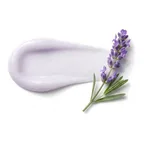 Lavandula Angustifolia Oil Lavender Oil
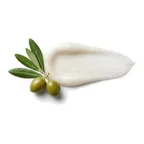 Oleanolic Acid
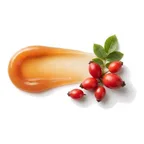 Rosa Multiflora Fruit Extract Rose Fruit Extract
Average
- HighCombination Skin Fit
- AverageEffectiveness
- HighSafety
Works for acne-prone skin; other cleansing masks fit it better.
This fit is calculated for the concerns frequently associated with acne-prone skin: breakouts, blackheads, and post-acne marks. For scores and recommendations based on your full skin profile, including your 12D face scan results and any goals or preferences you have, please use the Lovi app.
Updated How the Fit score works
Lovi Assistant explains
- Offers moderate exfoliation and pore refinement for your combination skin, as salicylic acid and glycolic acid work to decongest pores, while enantia chlorantha bark extract and oleanolic acid help regulate oil production.
- While the formula provides general cleansing benefits, it lacks ingredients specifically targeted to actively treat your acne, blemishes, and breakouts.
- The product is safe for your acne-prone skin, with no risks of irritation due to the absence of harsh or prohibited ingredients.
How to apply
- Use this cleansing mask during your PM weekly routine. Start 1x/week and increase if your skin tolerates it well.
- Apply this cleansing mask after using your pre-cleanser and cleanser , and before your hydrating toner.
- Spread an even layer of the cleansing mask over your face , avoiding any rubbing to protect your skin.
- Apply the cleansing mask to clean and dry skin to help clear up your blemishes effectively.
- Avoid the eye area and do a patch test before your first use.
People Say
★4.4Overall rating based on 4.4k+ reviewsBased on a very large amount of data, this mask is highly effective for oily and combination skin, deeply cleaning pores and leaving skin feeling smooth and matte. Many users appreciate the cooling sensation and temporary tightening effect. However, a significant number of users find the medicinal scent to be overpowering and note that the formula can be drying if used too frequently.
Highlights
Cleans pores Often Mentioned
- “sucks out oil”
- “pores looked clean”
- “deeply clean”
- “clears congestion”
Smooths skin Often Mentioned
- “skin feels very smooth”
- “softness of your skin”
- “smoother, more radiant”
- “baby soft”
Strong smell Often Mentioned
- “smells very strong”
- “medicinal scent”
- “strong mint/menthol”
- “smell is not good”
Cooling sensation Sometimes Noted
- “cooling sensation”
- “felt so refreshing”
- “nice tingle”
- “cool and refreshing”
Reduces oil Sometimes Noted
- “less oil and shine”
- “absorb excess oil”
- “matte finish”
- “less greasy”
Drying or tight Sometimes Noted
- “skin feels tight”
- “lifeless and dry”
- “very drying”
- “stripped moisture”
Expensive price Sometimes Noted
- “little on the pricey side”
- “expensive for the amount”
- “pricey”
No visible results Rarely Noted
- “didn't see any change”
- “pores still full”
- “didn't prevent blackheads”
- “no difference”
Sources: lovi.care, ipsy.com, dermstore.com, lovelyskin.com, influenster.com, refinery29.com, and more
Questions and answers
How well does Dr. Brandt Vacuum Cleaner Mask work for acne-prone skin?
This cleansing mask is an average fit because, while it provides moderate exfoliation and oil control, it lacks ingredients specifically targeted to actively treat acne and breakouts. To truly fit acne-prone skin, a product of this type needs high-quality acne-fighting and blemish-treating ingredients like salicylic acid and zinc oxide alongside hydrating agents that balance the skin.
BioMed Research International, 2020Clinical, Cosmetic and Investigational Dermatology, 2019
Which ingredients make this mask a good fit for acne-prone skin?
Salicylic acid and glycolic acid make this mask a fit by clearing out pores and helping control oil. A cleansing mask for acne-prone skin needs ingredients like salicylic acid and zinc oxide to actively treat blemishes while keeping skin balanced.
BioMed Research International, 2020Clinical, Cosmetic and Investigational Dermatology, 2019
What does Glycolic Acid do for acne-prone skin?
Glycolic acid helps clear acne-prone skin by reducing pimples and dark marks left behind while also controlling oily shine. It may be used safely as part of your routine to improve breakouts without causing irritation.
Journal of Cosmetic Dermatology, 2021Dermatologic Surgery, 2014
What does Salicylic Acid do for acne-prone skin?
Salicylic acid helps clear acne-prone skin by reducing pimples and calming redness. It works by diving deep into pores to clear out trapped oil and dead skin, making breakouts less likely to return.
Journal of Cosmetic Dermatology, 2024Journal of Drugs in Dermatology, 2023
Where does this mask go in a skincare routine for acne-prone skin?
This mask goes in your weekly routine after a cleanser and enzyme powder, and before a hydrating toner, treatment, and moisturizer. Because this is an average fit for your skin, acne-prone skin needs a product of this type to also feature ingredients that actively treat breakouts.
Can I use this mask with retinol, and in what order?
You can use this mask in your routine, but apply it on different days from your retinol or earlier in the week to avoid drying out or irritating your skin. Because this product uses glycolic acid and salicylic acid to clear out pores, combining it too closely with strong acne treatments may cause extra sensitivity.
How often should I use this mask?
This mask is safely used once a week as part of your weekly routine, as exfoliating steps are best started slowly. If your skin tolerates it well and you see good results, you may carefully use it more often.
Can this mask clog pores, cause breakouts or purging for acne-prone skin?
This mask is unlikely to clog pores or cause breakouts for your acne-prone skin, as it is safe to use and free of harsh ingredients. However, because it lacks targeted blemish-fighting ingredients, acne-prone skin typically needs formulas with active ingredients like soothing agents or specialized acne treatments.
BioMed Research International, 2020Journal of Cosmetic Dermatology, 2020
Is this mask fragrance-free and alcohol-free?
It contains fragrance (benzyl alcohol) and drying alcohol (alcohol denat).
What the research says
A moisturizer containing licochalcone A, 1,2-decanediol, L-carnitine, and salicylic acid significantly reduced noninflammatory, inflammatory, and total acne lesion counts compared to a vehicle control in Thai patients during a 12-week maintenance phase.
BioMed Research International, 2020Treatment with 45% mandelic acid peel showed nearly equal overall efficacy as 30% salicylic acid peel in patients with mild-to-moderate facial acne vulgaris, but with fewer adverse effects.
Journal of Cosmetic Dermatology, 2020Glycolic acid, salicylic acid, gluconolactone, and licochalcone A combined with 0.1% adapalene showed no hindrance compared to adapalene monotherapy and provided benefits in reducing complications in 25 subjects with mild-to-moderate acne vulgaris.
Clinical, Cosmetic and Investigational Dermatology, 2019Serial glycolic acid peels combined with a modified Kligman formula significantly reduced facial PIH severity in Indian patients compared to the modified Kligman formula alone.
Dermatologic Surgery, 2017Short contact therapy with a tretinoin, clindamycin, and glycolic acid gel significantly improved skin tolerability and reduced acne severity scores compared to standard application therapy in patients with mild-to-moderate acne.
Dermatologic Therapy, 2021Treatment with 2% supramolecular salicylic acid hydrogel resulted in a regression and markedly improvement rate of 51.01% compared to 43.10% for Adapaline gel in patients with mild to moderate facial acne vulgaris, showing no significant difference in efficacy.
Journal of Cosmetic Dermatology, 2024Topical 5% benzoyl peroxide plus salicylic acid achieved the greatest lesion reduction at early 2 to 4 week time points compared to benzoyl peroxide, clindamycin, and combination benzoyl peroxide/clindamycin, while 5% benzoyl peroxide plus salicylic acid and combination benzoyl peroxide/clindamycin showed similar efficacy at 10 to 12 weeks in acne patients.
Journal of the American Academy of Dermatology, 2010Post-peel application of either topical tretinoin (0.25%) or retinol (0.25%) after a 30% salicylic acid peel effectively improves signs of photodamage compared to baseline in female subjects, with tretinoin performing slightly better than retinol in texture, roughness, and overall appearance at week 4.
Journal of Drugs in Dermatology, 2016Polysaccharide-based O/W emulsions incorporated with lavender essential oil applied to cellulosic support are non-irritating, provide softness and moisturizing effects, and are safe for topical patch applications.
International Journal of Biological Macromolecules, 2021Treatment with 0.01% Taikong Blue Lavender Essential Oil significantly reduced oxidative stress markers and inflammatory cytokines in TNF-alpha-stimulated HaCaT cells compared to baseline stimulated levels.
Journal of Cosmetic Dermatology, 2026Alginate-based microcapsules crosslinked with zinc or calcium ions successfully encapsulated lavender essential oil with high efficiency, demonstrating improved oil retention, antibacterial activity, and anti-inflammatory effects for potential topical acne therapy.
European Journal of Pharmaceutics and Biopharmaceutics, 2026Oleanolic acid inhibits PM10-induced CYP1A1 expression, reduces inflammatory cytokines, prevents matrix metalloproteinase 1 release, and recovers AhR-mediated autophagy disruption in keratinocytes and dermal fibroblasts.
Biomolecules & Therapeutics, 2021Oleanolic acid nanofibers (OAnf) improved water solubility and skin penetration, displaying superior antioxidant, anti-inflammatory, and anti-skin aging activities in particulate matter-treated keratinocytes compared to oleanolic acid.
Antioxidants, 2021Topical ursolic acid and oleanolic acid increased the epidermal permeability barrier recovery rate by more than 20%, improved hydration, stimulated lamellar body secretion, and induced epidermal keratinocyte differentiation via peroxisome proliferator-activated receptor-alpha in hairless mice compared to a vehicle-treated group.
The Journal of Dermatology, 2007A retinol nanoemulsion gel enriched with black seed and rosehip oils demonstrated superior antimicrobial efficacy, reduced inflammatory markers, and high cell viability compared to Retino AC gel.
Drug Research, 2025
Why other cleansing masks fit acne-prone skin better
An anti-acne hydrogel containing Aloe barbadensis, Garcinia mangostana, and Camellia sinensis extracts showed superior antiacne and antiblotch activities compared to 1% clindamycin gel in sixty subjects with mild-moderate acne.
Clinical, Cosmetic and Investigational Dermatology, 2019
Ingredients
Water, Silica, Butylene Glycol, Benzyl Alcohol, Mannitol, Alcohol Denat, Xanthan Gum, Cellulose, Lavandula Angustifolia Oil Lavender Oil, Glycolic Acid, Menthone Glycerin Acetal, Enantia Chlorantha Bark Extract, Sodium Hydroxide, Disodium Edta, Glycerin, Salicylic Acid, Oleanolic Acid, Acrylates Copolymer, Caprylic Capric Triglyceride, Tocopheryl Acetate, Hydroxypropyl Methylcellulose, Iris Florentina Root Extract, Sodium Benzoate, Potassium Sorbate, Rosa Multiflora Fruit Extract Rose Fruit Extract, Ultramarines, Ci 77891 Titanium Dioxide, Ci 77120 Barium Sulfate
Behind this fit score
Lovi calculates every fit score from the full ingredient list with brand-independent rules our dermatologists and cosmetic chemists build and review, and personalizes every pick with AI trained on the real results of millions of users. Lovi trains its fit score models on a proprietary dataset built from more than 10,000 expert-labeled products and more than 100,000 simulated examples, following an internally consistent methodology presented at Cosmoprof, AMWC, and Skin of Color Update.
-

Co-founder, Medical Director
Cosmetic chemist, cosmetologist, aesthetic products developer
-

Co-founder, CEO and CTO
PhD in computer science, 3x US patent holder, ex-Google, ex-Yandex
-

Dr. Sofía Perea Pérez, MD, MSc
Medical Board
Aesthetic medicine practitioner, MSc in Longevity and Anti-Aging Medicine
-

Medical Board
Specialist dermatologist, MBBS, MD, IFAAD
-

Medical Board
Cosmetic chemist, SCS, IFSCC member
-

Medical Board, Medical Advisor
Dermatology MD
-

Elina Nazarenko, MD
Medical Board
Dermatology and diagnostic consultant
-

Victoria Derkova, MS
Medical Board
Cosmetic chemist, cosmetic development technologist


How does it fit your skin?
Scan your face, then any product: Lovi shows how well it fits you and what fits even better.