
Dr. Barbara Sturm Sun Drops SPF 50 for sensitive skin

 Ethylhexyl Methoxycinnamate
 Diethylamino Hydroxybenzoyl Hexyl Benzoate
 Sodium Hyaluronate
 Tocopheryl Acetate Vitamin E
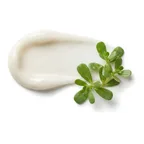 Portulaca Oleracea Extract
High
- HighNormal Skin Fit
- HighEffectiveness
- ExcellentSafety
One of the best sunscreens for sensitive skin.
- American Journal of Clinical Dermatology, 2002
- European Journal of Pharmaceutics and Biopharmaceutics, 2017
This fit is calculated for the concerns frequently associated with sensitive skin: redness, stinging, and reactions to new products. For scores and recommendations based on your full skin profile, including your 12D face scan results and any goals or preferences you have, please use the Lovi app.
Updated How the Fit score works
Lovi Assistant explains
- This product is highly suitable for your normal skin with sensitivity, as Glycerin and Panthenol provide essential hydration while Tocopheryl Acetate and Ascorbyl Tetraisopalmitate offer antioxidant protection, addressing your redness and irritation.
- The formulation also includes Cassia Alata Leaf Extract and Sodium Carboxymethyl Betaglucan, which are known for their soothing properties, further benefiting your sensitive skin.
- The safety profile is excellent, with no harsh ingredients and a good balance of soothing components.
How to apply
- Apply this moisturizing sunscreen AM daily as the final step of your morning routine. Always reapply every two hours when exposed to the sun.
- Apply after your regular moisturizer and before makeup. This product combines hydration and sun protection in one easy step.
- Gently smooth a nickel-sized amount evenly across your face and neck. Avoid rubbing harshly to keep sensitive skin calm.
- Apply the moisturizing sunscreen to clean , dry skin for the best protection. Let it absorb ⏱ fully before stepping outside.
- Avoid direct contact with your eyes. Do a patch test before your first use since your skin is sensitive.
People Say
★4.6Overall rating based on 200+ reviewsUsers find this sunscreen luxurious and serum-like, offering high protection without a heavy feel, suitable for sensitive and acne-prone skin. Its glowy finish and mixability with moisturizers are highly praised. However, the very high price and small bottle size are frequently mentioned drawbacks, leading users to question its value.
Highlights
Lightweight & invisible Mostly Mentioned
- “Sinks in quickly like a serum”
- “Absolutely no white cast”
- “Feels like a milky lotion, not sunscreen”
- “Disappears into skin immediately”
Extremely high price Mostly Mentioned
- “Way too expensive for the size”
- “Hard to justify the cost”
- “Price tag is eye-watering”
- “Luxury splurge, not a daily staple”
Hydrating & dewy glow Often Mentioned
- “Leaves a beautiful, healthy glow”
- “Dewy finish but not greasy”
- “Keeps skin hydrated all day”
- “Makes skin look plump and fresh”
Skin compatibility Sometimes Noted
- “Didn't break out my acne-prone skin”
- “Great for sensitive skin”
- “Soothing ingredients like purslane”
- “No irritation or redness”
Versatile application Sometimes Noted
- “Mixes perfectly with my moisturizer”
- “Sits beautifully under makeup”
- “Doesn't pill or ball up”
- “Easy to apply with dropper”
Small quantity Sometimes Noted
- “Bottle runs out very fast”
- “Tiny amount for the money”
- “Not enough product for daily liberal use”
- “Finished it in a few weeks”
Sticky initial texture Sometimes Noted
- “Feels tacky when first applied”
- “Sticky for the first few minutes”
- “Needs time to settle down”
- “Leaves a slight film initially”
Scent & eye sensitivity Rarely Noted
- “Has a faint chemical smell”
- “Stung my eyes slightly”
- “Scent is medicinal but fades”
- “Burned when I got it too close to eyes”
Sources: lovi.care, spacenk.com, cultbeauty.com, revolve.com, nordstrom.com, reddit.com, and more
Questions and answers
What makes Dr. Barbara Sturm Sun Drops a great fit for sensitive skin?
Dr. Barbara Sturm Sun Drops are a great fit for sensitive skin because they combine gentle hydrators like glycerin and panthenol with soothing ingredients like Portulaca Oleracea extract to help calm redness and irritation. It also features a safe formulation with antioxidants like vitamin E that protect against environmental stress without causing harsh reactions.
Which ingredients make this serum a good fit for sensitive skin?
Glycerin and panthenol make this product a good fit for sensitive skin by giving it essential moisture, while tocopheryl acetate and ascorbyl tetraisopalmitate help calm redness and irritation with antioxidant protection. Ingredients like portulaca oleracea extract, cassia alata leaf extract, and sodium carboxymethyl betaglucan further soothe the skin and support its barrier.
American Journal of Clinical Dermatology, 2002European Journal of Pharmaceutics and Biopharmaceutics, 2017
What does Octinoxate do for sensitive skin?
Octinoxate helps protect skin from UV rays, but it is a cinnamic acid derivative that frequently causes allergic reactions and irritation in sensitive skin. For sensitive skin, a sunscreen of this type needs soothing ingredients and microencapsulated or lipid-nanoparticle filters to prevent deep skin penetration and reduce adverse reactions.
International Journal of Cosmetic Science, 2018Journal of Cosmetic Dermatology, 2025
What does Diethylamino Hydroxybenzoyl Hexyl Benzoate do for sensitive skin?
Diethylamino Hydroxybenzoyl Hexyl Benzoate is a UV filter that helps protect sensitive skin from sun damage without causing irritation. Because it is gentle, it is unlikely to cause reactions in delicate or easily irritated skin types.
Where does it go in a skincare routine for sensitive skin?
This product goes in the morning routine as the final step after cleansing and applying a soothing toner. It helps hydrate and protect sensitive skin while calming redness with a very safe and gentle formula.
American Journal of Clinical Dermatology, 2002European Journal of Pharmaceutics and Biopharmaceutics, 2017
Can I use it with retinol, and in what order?
You can use this moisturizing spf in the morning after your cleanser and soothing toner, and before your retinol at night. It is unlikely to irritate your skin because it features soothing ingredients and a very safe profile.
How often should I use it?
This moisturizing spf is designed for daily morning use to protect and hydrate. Its gentle, soothing ingredients are unlikely to cause irritation and help keep sensitive skin calm and comfortable.
Can it clog pores, cause breakouts or purging for sensitive skin?
This moisturizing spf is unlikely to clog pores or cause breakouts on sensitive skin, as it has an excellent safety profile with no harsh ingredients. It helps keep skin calm and hydrated while offering strong sun protection.
American Journal of Clinical Dermatology, 2002European Journal of Pharmaceutics and Biopharmaceutics, 2017
Is it fragrance-free and alcohol-free?
Yes, it has no fragrance and no drying alcohol.
What the research says
Topical dexpanthenol acts as a moisturizer, improves stratum corneum hydration, accelerates wound healing and epidermal regeneration, reduces erythema, and improves symptoms of skin irritation compared to vehicle or no pretreatment.
American Journal of Clinical Dermatology, 2002Topical formulations containing ascorbyl tetraisopalmitate, coenzyme Q10, green tea polyphenols, and resveratrol reduced the release of inflammatory cytokines and attenuated inflammatory signs compared to untreated skin and vehicle in 25 Japanese volunteers exposed to sodium dodecyl sulfate.
European Journal of Pharmaceutics and Biopharmaceutics, 2017A 3-in-1 anti-aging topical night serum-in-oil applied once daily decreased wrinkles by 11%, increased skin firmness by 8%, reduced redness by 70%, and improved overall skin quality and complexion in 103 female subjects over 28 to 84 days compared to baseline.
Journal of Cosmetic Dermatology, 2019Facial masks containing low-temperature extracted Portulaca oleracea protect sensitive skin from photothermal stimulation and improve skin barrier function during photorejuvenation.
Cutaneous and Ocular Toxicology, 2025Encapsulation of ethylhexyl methoxycinnamate and butyl methoxydibenzoylmethane in lipid microparticles significantly reduced their in vivo human skin penetration compared to nonencapsulated filters.
Skin Pharmacology and Physiology, 2011Replacing 20% of the chemical UV filter octyl methoxycinnamate with urucum oil in solid lipid nanoparticles maintained the skin protection factor without inducing toxic responses or significant skin penetration in human volunteers.
Skin Pharmacology and Physiology, 2018The application of a sunscreen formulation containing ethylhexyl methoxycinnamate, ethylhexyl salicylate, methyl anthranilate, and octocrylene does not significantly affect critical acne-related species such as Cutibacterium acnes and Staphylococcus epidermidis, refuting the induction of facial dysbiosis in men.
Archives of Dermatological Research, 2024Oral and dermal administration of Uvinul A plus resulted in three major urinary metabolites accounting for 52% of the oral dose, with a very low estimated daily systemic exposure of 8.1-9.3 μg/d in volunteers not intentionally exposed.
International Journal of Hygiene and Environmental Health, 2020Topical application of 0.1% hyaluronic acid formulations of different molecular weights led to significant improvements in skin hydration and elasticity, with low-molecular-weight formulations also significantly reducing wrinkle depth in seventy-six female subjects compared to a vehicle control.
Journal of Drugs in Dermatology, 2011Topical hyaluronic acid serum used twice daily by 40 females with facial photoaging produced an immediate 134% increase in skin hydration, a sustained 55% increase at week 6, and significant improvements in smoothness, plumping, fine lines, wrinkles, and global appearance without causing irritation.
Dermatology and Therapy, 2021A topical antioxidant serum significantly reduced air pollution-induced skin pigmentation and proinflammatory gene expression ex vivo, and improved skin aging signs in 40 healthy adult females after 90 days of daily use.
Journal of Cosmetic Dermatology, 2022Topical application of an antioxidant serum containing 15% ascorbic acid, 0.5% ferulic acid, and 1% tocopherol prevented particulate matter-induced degradation of extracellular matrix components, inflammation, and oxidative stress in the skin of 15 female volunteers compared to untreated controls.
Journal of Cosmetic Dermatology, 2025Dermatological products containing d-alpha tocopheryl acetate showed non-comedogenic potential with less than a 50% increase in microcomedones in 12 healthy male subjects compared to octyl palmitate.
Contemporary Clinical Trials Communications, 2021Topical application of an antioxidant mix containing 15% ascorbic acid, 0.5% ferulic acid, and 1% tocopherol prevented PM and UV-induced skin barrier perturbation, lipid peroxidation, inflammatory markers, MMP9 activation, and Type I collagen loss in 15 healthy females compared to untreated exposed skin.
Journal of Cosmetic Dermatology, 2024Oleracone C attenuates UVB-induced photoaging in human keratinocytes by reducing intracellular ROS and MMP expression while restoring type I procollagen production through MAPK and TGF-beta/Smad pathways.
International Journal of Cosmetic Science, 2023Solvent-partitioned fractions and isolated homoisoflavonoids from Portulaca oleracea L. suppressed ROS generation, activated antioxidant enzymes via the Nrf-2 pathway, down-regulated MMPs, and increased type I procollagen production in UVB-stressed human keratinocytes.
Journal of Food Biochemistry, 2019Portulaca oleracea extracts protect human keratinocytes and fibroblasts against UVB-induced apoptosis.
Experimental Dermatology, 2014
Ingredients
Water, Ethylhexyl Methoxycinnamate, Diethylamino Hydroxybenzoyl Hexyl Benzoate, Dibutyl Adipate, Ethylhexyl Triazone, Glycerin, Methyl Methacrylate Crosspolymer, Phenylbenzimidazole Sulfonic Acid, Bis-Ethylhexyloxyphenol Methoxyphenyl Triazine, Arginine, Cyclohexasiloxane, Lauryl Glucoside, Polyglyceryl-2 Dipolyhydroxystearate, Tocopheryl Acetate, Cassia Alata Leaf Extract, Panthenol, Butylene Glycol, Propylene Glycol, Pentylene Glycol, Phenoxyethanol, Acetamide Mea, Xanthan Gum, Cyclopentasiloxane, Caprylic Capric Triglyceride, Sodium Carboxymethyl Betaglucan, Ascorbyl Tetraisopalmitate, Tocopherol, Pantolactone, Carbomer, Citric Acid, Methylparaben, Ethylparaben, Dna
Behind this fit score
Lovi calculates every fit score from the full ingredient list with brand-independent rules our dermatologists and cosmetic chemists build and review, and personalizes every pick with AI trained on the real results of millions of users. Lovi trains its fit score models on a proprietary dataset built from more than 10,000 expert-labeled products and more than 100,000 simulated examples, following an internally consistent methodology presented at Cosmoprof, AMWC, and Skin of Color Update.
-

Co-founder, Medical Director
Cosmetic chemist, cosmetologist, aesthetic products developer
-

Co-founder, CEO and CTO
PhD in computer science, 3x US patent holder, ex-Google, ex-Yandex
-

Dr. Sofía Perea Pérez, MD, MSc
Medical Board
Aesthetic medicine practitioner, MSc in Longevity and Anti-Aging Medicine
-

Medical Board
Specialist dermatologist, MBBS, MD, IFAAD
-

Medical Board
Cosmetic chemist, SCS, IFSCC member
-

Medical Board, Medical Advisor
Dermatology MD
-

Elina Nazarenko, MD
Medical Board
Dermatology and diagnostic consultant
-

Victoria Derkova, MS
Medical Board
Cosmetic chemist, cosmetic development technologist


How does it fit your skin?
Scan your face, then any product: Lovi shows how well it fits you and what fits even better.