
Dr. Barbara Sturm Clarifying Mask for acne-prone skin

 Zinc Pca
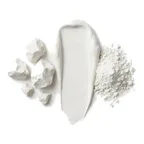 Kaolin
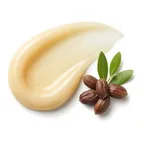 Jojoba Seed Oil
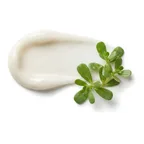 Lactobacillus Portulaca Oleracea Extract Ferment
 Sodium Hyaluronate
High
- HighCombination Skin Fit
- HighEffectiveness
- HighSafety
A great choice for acne-prone skin; a few cleansing masks fit it even better.
This fit is calculated for the concerns frequently associated with acne-prone skin: breakouts, blackheads, and post-acne marks. For scores and recommendations based on your full skin profile, including your 12D face scan results and any goals or preferences you have, please use the Lovi app.
Updated How the Fit score works
Lovi Assistant explains
- Highly suitable for your combination skin, this mask effectively decongests pores with kaolin and zinc pca, while panthenol and sodium hyaluronate provide essential hydration. Lactobacillus Portulaca Oleracea Extract Ferment and zinc pca offer moderate benefits for your acne, blemishes, and breakouts by clarifying the skin.
- The formula is designed to help regulate sebum production, which is beneficial for combination skin.
- This product has a good safety profile with no risks of irritation for your acne-prone skin due to the absence of prohibited or harsh ingredients.
How to apply
- Use this cleansing mask during your PM weekly routine. Start 1x/week and increase if your skin tolerates it well.
- Apply this cleansing mask after using your pre-cleanser and cleanser , and before your hydrating toner.
- Spread an even layer of the cleansing mask over your face , avoiding any rubbing to protect your skin.
- Apply the cleansing mask to clean and dry skin to help clear up your blemishes effectively.
- Avoid the eye area and do a patch test before your first use.
People Say
★4.4Overall rating based on 200+ reviewsUsers with oily, acne-prone, and combination skin frequently praise this mask for its ability to calm inflammation and refine pores without causing dryness. Many report clearer, softer skin and reduced redness. A minority find it insufficiently hydrating or question its value given the high price point.
Highlights
High price point Mostly Mentioned
- “very expensive”
- “pricey investment”
- “hard to justify cost”
Calms and soothes Often Mentioned
- “calms and soothes”
- “reduces redness”
- “skin is extremely calm”
Non-drying and hydrating Often Mentioned
- “doesn't dry out skin”
- “feels hydrated”
- “no cracking/drying”
Effective spot treatment Sometimes Noted
- “works on pimples”
- “heals breakouts faster”
- “great spot treatment”
Refines pores and mattifies Sometimes Noted
- “pores look refined”
- “instantly mattified”
- “draws out impurities”
Softens skin texture Sometimes Noted
- “skin feels soft”
- “silky soft”
- “smooth finish”
Value for money Sometimes Noted
- “wouldn't repurchase full price”
- “results not worth cost”
- “better affordable alternatives”
Can be drying Rarely Noted
- “dried my skin out”
- “felt a bit dry”
- “needed serum after”
Scent/Fragrance Rarely Noted
- “little bit of smell”
- “scent is noticeable”
- “fragrance free but smells”
Sources: lovi.care, sephora.com, nordstrom.com, cultbeauty.co.uk, spacenk.com, mecca.com.au, and more
Questions and answers
What makes the Dr. Barbara Sturm Clarifying Mask a great fit for acne-prone skin?
This mask is a great fit for your acne-prone skin because it uses kaolin and zinc PCA to clear out clogged pores and calm breakouts. It also helps balance oil production while keeping your skin soft and hydrated with panthenol and sodium hyaluronate, all without any harsh ingredients that might cause irritation.
The Journal of Clinical and Aesthetic Dermatology, 2020The Journal of Dermatological Treatment, 2017
Which ingredients make this mask a good fit for acne-prone skin?
This mask is a great fit because zinc pca, kaolin, and lactobacillus portulaca oleracea extract ferment help clear pores and clarify blemishes, while panthenol and sodium hyaluronate keep skin hydrated. It is unlikely to cause irritation and helps balance oil production for healthier skin.
The Journal of Clinical and Aesthetic Dermatology, 2020The Journal of Dermatological Treatment, 2017
What does Zinc PCA do for acne-prone skin?
Zinc PCA helps calm acne-prone skin by fighting bacteria and keeping oily shine under control. This ingredient is generally well tolerated and may reduce breakouts when used as part of your regular routine.
The Journal of Clinical and Aesthetic Dermatology, 2020Journal of Drugs in Dermatology, 2013
What does Kaolin Clay do for acne-prone skin?
Kaolin clay helps absorb excess oil and calms redness in acne-prone skin with a strong safety profile. Using a clay mask twice a week may improve acne and skin evenness while keeping dryness under control.
Skin Research and Technology, 2023Archives of Dermatological Research, 2024
Where does this mask go in a skincare routine for acne-prone skin?
This cleansing mask fits into a weekly routine as a special step after cleansing and before toning and moisturizing. It is unlikely to cause irritation for your acne-prone skin.
Can I use this mask with retinol, and in what order?
You can use this cleansing mask in your weekly routine, keeping it on separate days or times from your retinol treatment to prevent irritation. Using them apart helps your skin stay calm and smooth while still getting the benefits of both products.
How often should I use this mask?
This mask is a great fit for your acne-prone skin and is designed to be used weekly in your routine. It helps clear pores and calm breakouts with ingredients like kaolin and zinc PCA while keeping your skin hydrated.
Can this mask clog pores, cause breakouts or purging for acne-prone skin?
This mask is unlikely to clog pores or cause breakouts on acne-prone skin because it uses kaolin and zinc PCA to decongest pores and help clarify the skin. It also has a good safety profile with no harsh ingredients that typically cause irritation.
Is this mask fragrance-free and alcohol-free?
It has no fragrance and contains drying alcohol (alcohol denat).
What the research says
A new topical panthenol-containing emollient significantly improved transepidermal water loss reduction, stratum corneum hydration, and intercellular lipid lamellae length compared with control in healthy subjects without negatively impacting bacterial viability.
The Journal of Dermatological Treatment, 2017Topical dexpanthenol acts as a moisturizer, improves stratum corneum hydration, accelerates wound healing and epidermal regeneration, reduces erythema, and improves symptoms of skin irritation compared to vehicle or no pretreatment.
American Journal of Clinical Dermatology, 2002Topical nicotinamide plus an antibacterial adhesive agent and zinc-pyrrolidone carboxylic acid combined with adapalene significantly reduced noninflammatory acne lesions by the second week of therapy compared to placebo with adapalene in patients with moderate acne vulgaris.
The Journal of Clinical and Aesthetic Dermatology, 2020Topical 0.5% hyaluronic-ZnO nanogel applied twice daily reduced inflammatory-lesion counts by 58% at week four in human subjects compared to baseline without causing erythema.
Biomedicines, 2025Daily use of a deep cleansing gel containing salicylic acid 2%, zinc gluconate 0.2% and lipohydroxy acid 0.05% significantly reduced total lesion count by 56.3% after 84 days in 35 subjects with mild to moderate truncal acne.
Clinical, Cosmetic and Investigational Dermatology, 2023Topical zinc oxide nanogels formulated using Dendrobium anosmum showed greater effectiveness against Gram-positive acne-causing bacteria compared to chemogenic nanoparticles.
Molecules, 2023Vectorization of high molecular weight hyaluronic acid with clay enabled its penetration into deeper skin layers and led to a significant clinical reduction in fine lines in the crow's feet area compared to placebo after 28 days.
Skin Research and Technology, 2024Twice-weekly use of a clay mask over 4 weeks in 75 adults with oily or combination skin improved acne-related outcomes, sebum content, skin evenness, hydration, and reduced dryness and irritation.
Skin Research and Technology, 2023Palygorskite clay as a nanocarrier for tea tree oil achieved efficient loading, reduced acute contact toxicity, targeted antimicrobial effects against dermal pathogens, and pronounced clinical efficacy in treating facial acne compared to unformulated oil.
International Journal of Pharmaceutics, 2022Topical formulations containing 3.75% glycerol and 1.25% hydrolyzed jojoba esters produced significantly lower evaporative TEWL values compared to glycerol alone at 8 and 24 hours posttreatment in human subjects.
Journal of Cosmetic Dermatology, 2008Topical application of 1.0% Lactobacillus ferment from jojoba cake significantly increased skin collagen fluorescence compared to baseline and placebo cream over 56 days in 46 individuals.
International Journal of Cosmetic Science, 2026Clay jojoba oil facial masks reduced total skin lesions by a mean of 54% after 6 weeks in 133 participants with acne-prone, lesioned skin and mild acne compared to baseline.
Forschende Komplementarmedizin, 2012Facial masks containing low-temperature extracted Portulaca oleracea protect sensitive skin from photothermal stimulation and improve skin barrier function during photorejuvenation.
Cutaneous and Ocular Toxicology, 2025Oleracone C attenuates UVB-induced photoaging in human keratinocytes by reducing intracellular ROS and MMP expression while restoring type I procollagen production through MAPK and TGF-beta/Smad pathways.
International Journal of Cosmetic Science, 2023Solvent-partitioned fractions and isolated homoisoflavonoids from Portulaca oleracea L. suppressed ROS generation, activated antioxidant enzymes via the Nrf-2 pathway, down-regulated MMPs, and increased type I procollagen production in UVB-stressed human keratinocytes.
Journal of Food Biochemistry, 2019Topical application of 0.1% hyaluronic acid formulations of different molecular weights led to significant improvements in skin hydration and elasticity, with low-molecular-weight formulations also significantly reducing wrinkle depth in seventy-six female subjects compared to a vehicle control.
Journal of Drugs in Dermatology, 2011Topical hyaluronic acid serum used twice daily by 40 females with facial photoaging produced an immediate 134% increase in skin hydration, a sustained 55% increase at week 6, and significant improvements in smoothness, plumping, fine lines, wrinkles, and global appearance without causing irritation.
Dermatology and Therapy, 2021A topical antioxidant serum significantly reduced air pollution-induced skin pigmentation and proinflammatory gene expression ex vivo, and improved skin aging signs in 40 healthy adult females after 90 days of daily use.
Journal of Cosmetic Dermatology, 2022
Ingredients
Water, Kaolin, Alcohol Denat, Cetearyl Alcohol, Jojoba Seed Oil, Lactobacillus Portulaca Oleracea Extract Ferment, Octyldodecanol, Brassica Campestris Sterols, Cetearyl Glucoside, Panthenol, Phenoxyethanol, Xanthan Gum, Zinc Pca, Allantoin, Magnesium Aluminum Silicate, Lens Esculenta Seed Extract, Echium Plantagineum Seed Oil, Sodium Cetearyl Sulfate, Ethylhexylglycerin, Caprylic Capric Triglyceride, Helianthus Annuus Seed Oil Sunflower Seed Oil, Disodium Edta, Sodium Hyaluronate, Hexylene Glycol, Polygonum Bistorta Root Extract, Arginine, Leuconostoc Radish Root Ferment Filtrate, Ascorbyl Palmitate, Cardiospermum Halicacabum Vine Extract Flower Leaf, Pantolactone, Caprylyl Glycol, Citric Acid, Ascorbic Acid, Tocopherol, Titanium Dioxide Ci 77891
Behind this fit score
Lovi calculates every fit score from the full ingredient list with brand-independent rules our dermatologists and cosmetic chemists build and review, and personalizes every pick with AI trained on the real results of millions of users. Lovi trains its fit score models on a proprietary dataset built from more than 10,000 expert-labeled products and more than 100,000 simulated examples, following an internally consistent methodology presented at Cosmoprof, AMWC, and Skin of Color Update.
-

Co-founder, Medical Director
Cosmetic chemist, cosmetologist, aesthetic products developer
-

Co-founder, CEO and CTO
PhD in computer science, 3x US patent holder, ex-Google, ex-Yandex
-

Dr. Sofía Perea Pérez, MD, MSc
Medical Board
Aesthetic medicine practitioner, MSc in Longevity and Anti-Aging Medicine
-

Medical Board
Specialist dermatologist, MBBS, MD, IFAAD
-

Medical Board
Cosmetic chemist, SCS, IFSCC member
-

Medical Board, Medical Advisor
Dermatology MD
-

Elina Nazarenko, MD
Medical Board
Dermatology and diagnostic consultant
-

Victoria Derkova, MS
Medical Board
Cosmetic chemist, cosmetic development technologist


How does it fit your skin?
Scan your face, then any product: Lovi shows how well it fits you and what fits even better.