
Dermalogica Multi Vitamin Thermafoliant for mature skin

 Lactic Acid
 Salicylic Acid
 Retinol
 Tetrahexyldecyl Ascorbate
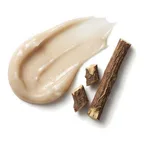 Licorice Root Extract
High
- AverageNormal Skin Fit
- HighEffectiveness
- HighSafety
A great choice for mature skin; a few products fit it even better.
This fit is calculated for the concerns frequently associated with mature skin: fine lines, wrinkles, and loss of firmness. For scores and recommendations based on your full skin profile, including your 12D face scan results and any goals or preferences you have, please use the Lovi app.
Updated How the Fit score works
Lovi Assistant explains
- Offers moderate exfoliation for your wrinkles and fine lines due to salicylic acid and lactic acid promoting skin renewal, though it lacks sufficient humectant ingredients for optimal hydration of your normal skin.
- The presence of soothing ingredients like Glycyrrhiza Glabra Root Extract and Camellia Sinensis Leaf Extract ensures moderate suitability for your normal skin.
- The safety profile is excellent, with no risks of irritation due to the absence of harsh ingredients and the inclusion of calming botanical extracts.
How to apply
- Use this exfoliant product in your PM routine once a week to start, increasing frequency only if your skin tolerates it well. Always apply SPF the next morning to protect your skin.
- Apply this exfoliant product after cleansing and toner, but before your moisturizer. This ensures the best absorption into your skin.
- Gently press 2-3 drops of the exfoliant product into your face, avoiding any rubbing. Let it absorb for a minute before moving to the next step.
- Apply this exfoliant product on completely dry skin to get the best results. This helps your normal skin accept the product smoothly.
- Avoid the sensitive eye area while using this exfoliant product. Do a patch test before your first use and avoid mixing it with strong acids.
Questions and answers
What makes Dermalogica Multi Vitamin Thermafoliant a great fit for mature skin?
Dermalogica Multi Vitamin Thermafoliant is a great fit for mature skin because its salicylic acid and lactic acid provide moderate exfoliation that helps smooth fine lines and wrinkles. At the same time, soothing ingredients like licorice root extract and green tea leaf extract ensure a calm, comfortable feel.
Which ingredients make this exfoliant a good fit for mature skin?
This exfoliant is a great fit for mature skin because it contains lactic acid and salicylic acid to smooth away fine lines, along with retinol to help renew your skin. It also includes soothing licorice root and green tea extracts to keep your skin calm.
What does Lactic Acid do for mature skin?
Lactic Acid helps smooth mature skin by encouraging collagen production, which improves firmness and reduces wrinkles. It also promotes skin rejuvenation and helps maintain a healthy moisture balance.
International Journal of Biological Macromolecules, 2024Journal of Cosmetic Dermatology, 2023
What does Salicylic Acid do for mature skin?
Salicylic acid helps mature skin by improving firmness and reducing roughness, leaving it feeling smooth and looking more youthful. This type of ingredient may also help increase collagen density and skin elasticity while reducing the appearance of wrinkles.
Aesthetic Plastic Surgery, 2025Journal of Cosmetic Dermatology, 2010
Where does this exfoliant go in a skincare routine for mature skin?
This exfoliant treatment goes in the evening routine once a week to help smooth wrinkles and fine lines, and those who tolerate it well may carefully use it more often. Lovi routines place treatments in the evening for simplicity and extra safety around sun exposure.
Can I use this exfoliant with niacinamide, and in what order?
You can use this exfoliant with niacinamide by applying niacinamide first, letting it absorb, and then following with this treatment. Using them together helps smooth out fine lines while keeping your skin calm.
How often should I use this exfoliant?
Start by using this exfoliant treatment once a week in your evening routine, and if your mature skin tolerates it well and you see good results, you may carefully use it more often. Using this type of treatment helps smooth wrinkles and fine lines, and it is unlikely to cause irritation thanks to its calming botanical extracts.
Journal of Cosmetic Dermatology, 2021Facial Plastic Surgery, 2014
Can this exfoliant clog pores, cause breakouts or purging for mature skin?
This exfoliant is unlikely to clog pores or cause breakouts for mature skin, as it features a safe formulation with calming botanical extracts. However, because it contains retinol and acids that speed up skin renewal, you may experience some initial purging as your skin adjusts.
What the research says
Topical application of retinol and retinoic acid both increased epidermal thickness and upregulated collagen genes and proteins in human skin, with retinol producing similar histological and molecular changes to retinoic acid alongside a significant reduction in facial wrinkles after 12 weeks.
Journal of Cosmetic Dermatology, 2016Topical bakuchiol 0.5% applied twice daily compared with retinol 0.5% applied daily significantly decreased wrinkle surface area and hyperpigmentation with no statistical difference between the compounds in 44 patients over 12 weeks, while retinol users reported more facial skin scaling and stinging.
The British Journal of Dermatology, 2019Application of a cream containing lactic acid 12% and pramoxine HCl 1% significantly improved skin dryness, hydration, and itch compared with a nontreated control in 24 women with a history of dry itchy skin.
Cutis, 2004A lactic acid/ceramide lotion significantly improved skin moisturization and desquamation compared to no treatment in women with dry, rough skin on the anterior shins.
The Journal of Clinical and Aesthetic Dermatology, 2020Treatment with 12% lactic acid increased epidermal and dermal firmness and thickness and improved skin smoothness and wrinkles compared to baseline, whereas 5% lactic acid induced clinical and epidermal changes without dermal changes.
Journal of the American Academy of Dermatology, 1996A moisturizer containing licochalcone A, 1,2-decanediol, L-carnitine, and salicylic acid significantly reduced noninflammatory, inflammatory, and total acne lesion counts compared to a vehicle control in Thai patients during a 12-week maintenance phase.
BioMed Research International, 2020Treatment with 2% supramolecular salicylic acid hydrogel resulted in a regression and markedly improvement rate of 51.01% compared to 43.10% for Adapaline gel in patients with mild to moderate facial acne vulgaris, showing no significant difference in efficacy.
Journal of Cosmetic Dermatology, 2024Topical 5% benzoyl peroxide plus salicylic acid achieved the greatest lesion reduction at early 2 to 4 week time points compared to benzoyl peroxide, clindamycin, and combination benzoyl peroxide/clindamycin, while 5% benzoyl peroxide plus salicylic acid and combination benzoyl peroxide/clindamycin showed similar efficacy at 10 to 12 weeks in acne patients.
Journal of the American Academy of Dermatology, 2010Topical 0.3% and 1% retinol comparably improved biomarkers of cutaneous photoageing in photoaged volunteers, while 0.3% retinol demonstrated better tolerance with fewer and milder adverse events compared to 1% retinol in a daily escalation regimen.
International Journal of Cosmetic Science, 2022Daily application of 0.3% and 0.5% retinol serums in 37 volunteers over 12 weeks reduced skin hyperpigmentation, unevenness, and wrinkles on both sides of the face, with the 0.5% concentration causing more frequent and intense skin irritation.
Skin Pharmacology and Physiology, 2020Topical application of 0.1% retinol induced CRABP2 and HBEGF gene expression, increased keratinocyte proliferation and epidermal thickness ex vivo, and improved major skin aging signs without significant adverse reactions in 48 volunteers compared to placebo.
Skin Pharmacology and Physiology, 2009Topical application of 5% vitamin C cream significantly improved global clinical scores, increased skin microrelief density, and induced elastic tissue repair in photoaged skin compared to excipient control in healthy female volunteers.
Experimental Dermatology, 2003Topical application of VC-IP cream twice daily for 8 weeks reduces periorbital wrinkles in female subjects compared to a placebo cream.
Journal of Cosmetic Dermatology, 2022Topical treatment with 5% vitamin C and 0.1% madecassoside significantly improved clinical scores for wrinkles, suppleness, firmness, roughness, and skin hydration, along with functional and structural remodeling of the elastic fiber network in 20 female volunteers with photoaged skin after 6 months compared to baseline.
Experimental Dermatology, 2008Combining 755 nm alexandrite laser with topical licorice gel significantly reduces terminal hair counts compared to alexandrite laser with placebo in women with idiopathic hirsutism.
Evidence-based Complementary and Alternative Medicine, 2015Licochalcone A activated Nrf2 signaling, elevated cytoprotective enzymes, increased the reduced-to-oxidized glutathione ratio, and decreased reactive oxygen species in human fibroblasts and neutrophils, while a LicA-rich licorice extract lowered UVA-induced oxidative processes in vivo.
Experimental Dermatology, 2015Mesoporous silica nanoparticles entrapping licorice polysaccharide and coated with polydopamine showed 76% entrapment efficiency, 89% in vitro release at pH 5, increased sebocytes' cellular uptake, and mediated inflammatory response by inhibiting pro-inflammatory cytokines and regulating anti-inflammatory cytokines.
Carbohydrate Polymers, 2024
Ingredients
Peg-6, Sodium Bicarbonate, Magnesium Oxide, C20-40 Pareth-10, Silica, Salicylic Acid, Retinol, Lactic Acid, Tetrahexyldecyl Ascorbate, Hydrolyzed Opuntia Ficus Flower Extract, Tocopherol, Citric Acid, Camellia Sinensis Leaf Extract, Glycine Soja Seed Oil Soybean Seed Oil, Glycyrrhiza Glabra Root Extract Licorice Root Extract, Bixa Orellana Seed Oil, Carthamus Tinctorius Seed Oil, Lemon Peel Extract, Olive Peg-7 Esters Oil, Caprylic Capric Triglyceride, Citronellol, Eugenol, Geraniol, Linalool, Limonene, Helianthus Annuus Seed Oil Sunflower Seed Oil, Rosa Damascena Oil Flower, Clove Oil Leaf, Pelargonium Graveolens Oil, Citrus Medica Peel Oil Lemon Peel Oil, Rosewood Oil Wood
Behind this fit score
Lovi calculates every fit score from the full ingredient list with brand-independent rules our dermatologists and cosmetic chemists build and review, and personalizes every pick with AI trained on the real results of millions of users. Lovi trains its fit score models on a proprietary dataset built from more than 10,000 expert-labeled products and more than 100,000 simulated examples, following an internally consistent methodology presented at Cosmoprof, AMWC, and Skin of Color Update.
-

Co-founder, Medical Director
Cosmetic chemist, cosmetologist, aesthetic products developer
-

Co-founder, CEO and CTO
PhD in computer science, 3x US patent holder, ex-Google, ex-Yandex
-

Dr. Sofía Perea Pérez, MD, MSc
Medical Board
Aesthetic medicine practitioner, MSc in Longevity and Anti-Aging Medicine
-

Medical Board
Specialist dermatologist, MBBS, MD, IFAAD
-

Medical Board
Cosmetic chemist, SCS, IFSCC member
-

Medical Board, Medical Advisor
Dermatology MD
-

Elina Nazarenko, MD
Medical Board
Dermatology and diagnostic consultant
-

Victoria Derkova, MS
Medical Board
Cosmetic chemist, cosmetic development technologist


How does it fit your skin?
Scan your face, then any product: Lovi shows how well it fits you and what fits even better.