
Curology Dark Spot Serum for oily acne-prone skin

 Niacinamide
 Glycolic Acid
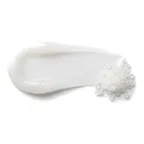 Tranexamic Acid
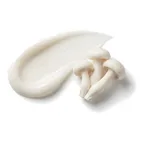 Kojic Dipalmitate
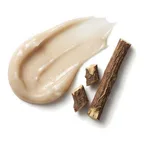 Licorice Root Extract
Average
- AverageOily Skin Fit
- AverageEffectiveness
- HighSafety
Works for oily acne-prone skin; other serums fit it better.
This fit is calculated for the concerns frequently associated with oily acne-prone skin: shine, breakouts, blemishes, and enlarged pores. For scores and recommendations based on your full skin profile, including your 12D face scan results and any goals or preferences you have, please use the Lovi app.
Updated How the Fit score works
Lovi Assistant explains
- Offers excellent treatment for dark spots due to niacinamide and tranexamic acid, which brighten and even skin tone, providing supportive benefits for your acne, blemishes, and breakouts, and oiliness.
- Niacinamide and glycolic acid offer moderate suitability for your oily skin by providing seboregulation and mild exfoliation, though stronger humectant support could enhance overall comfort.
- The product is safe for your oily skin with no risks of irritation due to the absence of prohibited or harsh ingredients.
How to apply
- Could be used as part of your PM routine. Start 3 times a week and build up to daily use if your skin tolerates it well.
- Apply your serum after cleansing and toning, but before putting on your moisturizer.
- Gently press 2 to 3 drops of the serum into your skin and let it absorb for a minute.
- Apply the serum on clean, dry skin to help manage your blemishes safely.
- Do a patch test before your first use and avoid the delicate eye area.
People Say
★4.7Overall rating based on 400+ reviewsUsers frequently praise this serum for its lightweight, milky texture and its ability to gradually fade post-acne marks and sun-induced hyperpigmentation without irritating sensitive skin. While many report a visibly more even complexion and smoother texture within a few weeks, a minority of users experienced no significant changes or noted issues with the packaging.
Highlights
Fades dark spots Mostly Mentioned
- “visibly lightens acne scars”
- “reduces sun spots”
- “evens skin tone”
- “diminishes hyperpigmentation”
Lightweight texture Often Mentioned
- “absorbs quickly”
- “non-greasy feel”
- “milky consistency”
- “layers well under makeup”
Gentle on skin Sometimes Noted
- “non-irritating”
- “suitable for sensitive skin”
- “no stinging”
- “soothing formula”
Improves skin texture Sometimes Noted
- “smooths rough patches”
- “softer skin feel”
- “glowing complexion”
- “refined pores”
Lack of results Sometimes Noted
- “no visible difference”
- “spots didn't fade”
- “slow progress”
- “ineffective on old scars”
Caused breakouts Rarely Noted
- “triggered acne”
- “clogged pores”
- “caused whiteheads”
- “skin reaction”
Packaging issues Rarely Noted
- “pump stopped working”
- “bottle arrived broken”
- “cheap container”
- “difficult to dispense”
Texture issues Rarely Noted
- “pills under makeup”
- “sticky residue”
- “clumps after drying”
- “feels heavy”
Sources: lovi.care, target.com, curology.com, walmart.com, thingtesting.com, newbeauty.com, and more
Questions and answers
How well does Curology Dark Spot Serum work for oily acne-prone skin?
Curology Dark Spot Serum works fairly well for oily acne-prone skin, helping to fade dark spots and manage oil with niacinamide and glycolic acid. It is safe and non-irritating, though a product of this type needs stronger hydrating agents and soothing extracts to keep oily skin fully comfortable.
Which ingredients make this serum a good fit for oily acne-prone skin?
Niacinamide, tranexamic acid, and glycolic acid make this serum a good fit for oily acne-prone skin by brightening dark spots, helping with oil control, and providing mild exfoliation. To work best for this skin type, a product of this type needs stronger humectant support and soothing extracts for enhanced comfort and daily hydration.
What does Niacinamide do for oily acne-prone skin?
Niacinamide helps balance oil production, calms redness, and is unlikely to irritate oily, acne-prone skin while improving blemishes. Clinical tests show it reduces excess oil and helps clear up both inflammatory and non-inflammatory acne breakouts.
Journal of Cosmetic and Laser Therapy, 2006Journal of Cosmetic Dermatology, 2024
Where does it go in a skincare routine for oily acne-prone skin?
This treatment goes in your evening routine, as treatments with active ingredients are best used then for simplicity and extra safety around sun exposure. It is unlikely to irritate your oily skin, though this skin type also needs stronger hydrating ingredients to enhance overall comfort.
Can I use this serum with retinol, and in what order?
You can use this serum with retinol by applying this treatment first and following with your retinol, but because this skin needs extra moisture and gentle comfort, watch closely for any dryness.
How often should I use it?
Start using this treatment once a week in your evening routine, and carefully use it more often if your skin tolerates it well and sees good results. This product of this type works well for oily acne-prone skin when it also includes stronger hydrating ingredients to enhance overall comfort.
Can this serum clog pores, cause breakouts or purging for oily acne-prone skin?
This serum is unlikely to cause breakouts or irritation for your oily skin, though a few reviewers have reported breakouts. A product for this skin type needs stronger hydrating ingredients to enhance overall comfort.
Is it fragrance-free and alcohol-free?
Yes, it has no fragrance and no drying alcohol.
What the research says
Niacinamide significantly decreased hyperpigmentation and increased skin lightness compared with vehicle alone after 4 weeks of use in women by inhibiting melanosome transfer.
The British Journal of Dermatology, 2002Glycolic acid, salicylic acid, gluconolactone, and licochalcone A combined with 0.1% adapalene showed no hindrance compared to adapalene monotherapy and provided benefits in reducing complications in 25 subjects with mild-to-moderate acne vulgaris.
Clinical, Cosmetic and Investigational Dermatology, 2019Topical nicotinamide prevented solar-simulated UV-induced immunosuppression in healthy volunteers, and men experienced immunosuppression at solar-simulated UV doses three times lower than those required for women.
The Journal of Investigative Dermatology, 2008Topical 5% niacinamide applied twice daily for 12 weeks reduced fine lines and wrinkles, hyperpigmented spots, red blotchiness, and skin sallowness, and improved skin elasticity compared to vehicle control in 50 female white subjects with facial photoaging.
Dermatologic Surgery, 2005Topical 2% niacinamide significantly decreased sebum excretion rate in Japanese individuals and casual sebum levels in Caucasian individuals compared to placebo or baseline.
Journal of Cosmetic and Laser Therapy, 2006Serial glycolic acid peels combined with a modified Kligman formula significantly reduced facial PIH severity in Indian patients compared to the modified Kligman formula alone.
Dermatologic Surgery, 2017Short contact therapy with a tretinoin, clindamycin, and glycolic acid gel significantly improved skin tolerability and reduced acne severity scores compared to standard application therapy in patients with mild-to-moderate acne.
Dermatologic Therapy, 2021Topical administration of 20% azelaic acid cream and 5% tranexamic acid solution comparably improved acne-related postinflammatory hyperpigmentation in patients with acne vulgaris, while tranexamic acid demonstrated a significantly better safety profile at week 4.
Journal of Research in Medical Sciences, 2023Topical 10% tranexamic acid serum reduced inflammatory acne counts, particularly papules and pustules, and decreased skin redness compared to placebo in 18 patients with mild-to-moderate acne over 8 weeks.
Journal of Cosmetic Dermatology, 2022A topical formulation containing kojic acid, emblica extract, and glycolic acid demonstrated efficacy parity compared with hydroquinone 4% in multiethnic participants with mild to moderate facial dyschromia.
Cutis, 2010Kojic acid is safe for use in cosmetic products up to a concentration of 1% because dermal sensitization and skin lightening would not be seen below that level.
International Journal of Toxicology, 2010Polymeric nanocapsules containing 0.1% kojic acid dipalmitate and 5% rosehip oil formulated with PLGA demonstrated high stability, antioxidant and tyrosinase-inhibiting activities, and a 25% melanin reduction in normal human epidermal melanocytes.
ACS Omega, 2025Combining 755 nm alexandrite laser with topical licorice gel significantly reduces terminal hair counts compared to alexandrite laser with placebo in women with idiopathic hirsutism.
Evidence-based Complementary and Alternative Medicine, 2015Licochalcone A activated Nrf2 signaling, elevated cytoprotective enzymes, increased the reduced-to-oxidized glutathione ratio, and decreased reactive oxygen species in human fibroblasts and neutrophils, while a LicA-rich licorice extract lowered UVA-induced oxidative processes in vivo.
Experimental Dermatology, 2015Mesoporous silica nanoparticles entrapping licorice polysaccharide and coated with polydopamine showed 76% entrapment efficiency, 89% in vitro release at pH 5, increased sebocytes' cellular uptake, and mediated inflammatory response by inhibiting pro-inflammatory cytokines and regulating anti-inflammatory cytokines.
Carbohydrate Polymers, 2024
Ingredients
Water, Propanediol, Caprylic Capric Triglyceride, Isodecyl Neopentanoate, Niacinamide, Glycolic Acid, Diheptyl Succinate, Tranexamic Acid, Glycerin, Capryloyl Glycerin Sebacic Acid Copolymer, Pentylene Glycol, Magnesium Aluminum Silicate, Kojic Dipalmitate, Sodium Hydroxide, Xanthan Gum, Polyglyceryl-10 Laurate, Tocopheryl Acetate, Tetrasodium Glutamate Diacetate, Hydroxyacetophenone, Sclerotium Gum, Lecithin, Polyglyceryl-10 Myristate, Pullulan, Caprylyl Glycol, Aloe Barbadensis Leaf Juice, Glycyrrhiza Glabra Root Extract Licorice Root Extract, Sodium Acetylated Hyaluronate, Sodium Hyaluronate, Sodium Hyaluronate Crosspolymer, Hydrolyzed Sodium Hyaluronate, Ethylhexylglycerin
Behind this fit score
Lovi calculates every fit score from the full ingredient list with brand-independent rules our dermatologists and cosmetic chemists build and review, and personalizes every pick with AI trained on the real results of millions of users. Lovi trains its fit score models on a proprietary dataset built from more than 10,000 expert-labeled products and more than 100,000 simulated examples, following an internally consistent methodology presented at Cosmoprof, AMWC, and Skin of Color Update.
-

Co-founder, Medical Director
Cosmetic chemist, cosmetologist, aesthetic products developer
-

Co-founder, CEO and CTO
PhD in computer science, 3x US patent holder, ex-Google, ex-Yandex
-

Dr. Sofía Perea Pérez, MD, MSc
Medical Board
Aesthetic medicine practitioner, MSc in Longevity and Anti-Aging Medicine
-

Medical Board
Specialist dermatologist, MBBS, MD, IFAAD
-

Medical Board
Cosmetic chemist, SCS, IFSCC member
-

Medical Board, Medical Advisor
Dermatology MD
-

Elina Nazarenko, MD
Medical Board
Dermatology and diagnostic consultant
-

Victoria Derkova, MS
Medical Board
Cosmetic chemist, cosmetic development technologist


How does it fit your skin?
Scan your face, then any product: Lovi shows how well it fits you and what fits even better.