
Clinique Super City Block Ultra Protection SPF 40 for oily skin

 Zinc Oxide
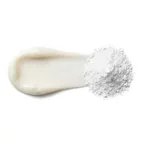 Titanium Dioxide
 Octinoxate
 Octisalate
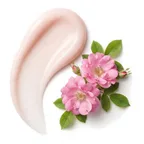 Rosa Roxburghii Fruit Extract
High
- HighOily Skin Fit
- HighEffectiveness
- HighSafety
One of the best sunscreens for oily skin.
This fit is calculated for the concerns frequently associated with oily skin: shine, enlarged pores, blackheads, and blemishes. For scores and recommendations based on your full skin profile, including your 12D face scan results and any goals or preferences you have, please use the Lovi app.
Updated How the Fit score works
Lovi Assistant explains
- Highly suitable for your oily skin, this product utilizes silica and BHT to absorb excess oil and provide antioxidant protection, complementing your goal of reducing oily shine.
- The inclusion of titanium dioxide and zinc oxide offers excellent UV protection, while Saccharomyces Lysate Extract and Dipotassium Glycyrrhizate provide general hydration and soothing benefits.
- The formula is safe for your skin, with no reported risks of irritation due to the absence of harsh or prohibited ingredients.
How to apply
- Apply this sunscreen during your AM routine every single day. Reapply every two hours if you are staying outdoors.
- Apply the sunscreen as the final step of your morning skincare routine after your moisturizer. Allow your moisturizer to absorb fully before putting it on.
- Squeeze a generous amount and pat it gently all over your face and neck. Avoid rubbing the product harshly into your skin.
- Apply the sunscreen directly onto dry skin to ensure it forms an even and protective layer against the sun.
- Avoid getting the product directly into your eyes and stop using it if any irritation occurs.
People Say
★4.6Overall rating based on 700+ reviewsUsers with sensitive and combination skin highly praise this product for its dual function as a lightweight, non-irritating sunscreen and a makeup primer that does not cause breakouts. While the sheer tint effectively neutralizes white cast for most skin tones, some users with oily skin find the finish slightly too dewy or greasy for humid weather.
Highlights
Gentle on Sensitive Skin Mostly Mentioned
- “never stings my eyes”
- “no breakouts or irritation”
- “great for allergy-prone skin”
Invisible/Sheer Tint Mostly Mentioned
- “tint disappears quickly”
- “no white cast”
- “blends seamlessly into skin”
- “universally flattering tint”
Excellent Makeup Primer Often Mentioned
- “foundation glides right on”
- “grips makeup well”
- “smooths skin texture”
- “works great under powder”
Lightweight Texture Often Mentioned
- “feels like nothing on”
- “absorbs instantly”
- “non-greasy formula”
- “breathable for daily wear”
Greasy/Shiny Finish Sometimes Noted
- “too shiny for oily skin”
- “leaves a greasy film”
- “slick in humidity”
- “requires powder to set”
Hard to Dispense Rarely Noted
- “tube gets messy”
- “product separates sometimes”
- “hard to get last bit”
- “leaks in cap”
Tint Mismatch Rarely Noted
- “too dark for pale skin”
- “turns slightly orange”
- “visible on collar”
- “muddy on fair complexion”
Unpleasant Scent Rarely Noted
- “smells a bit funky”
- “odd chemical smell”
- “scent lingers briefly”
- “smells like rubber”
Sources: lovi.care, macys.com, lookfantastic.com, walmart.com, makeupalley.com, sephora.com, and more
Questions and answers
What makes Clinique Super City Block Ultra Protection SPF 40 a great fit for oily skin?
Clinique Super City Block Ultra Protection SPF 40 is a great fit for oily skin because it uses silica to absorb excess shine while offering strong UV protection with zinc oxide and titanium dioxide. It also includes ingredients that help keep your skin feeling calm and hydrated without causing irritation.
Which ingredients make this cream a good fit for oily skin?
This cream is a great fit for your oily skin because it uses silica and BHT to soak up extra shine. It also includes titanium dioxide and zinc oxide for strong sun protection, along with soothing ingredients that keep your face calm.
What does Zinc Oxide do for oily skin?
Zinc oxide helps calm oily and breakout-prone skin by reducing redness and targeting blemish-causing bacteria. It also may help balance oil production while keeping your skin feeling comfortable.
What does Titanium Dioxide do for oily skin?
Titanium dioxide helps protect oily skin from UV rays without feeling heavy or greasy. It may leave a visible white cast unless formulated as nanoparticles or tinted variants, and this type of product needs oil-absorbing minerals or lightweight bases to stay comfortable on oily skin.
Nanotechnology, Science and Applications, 2011Journal of the European Academy of Dermatology and Venereology, 2019
Where does this cream go in a skincare routine for oily skin?
This cream goes in the morning routine as the final step after your moisturizer. It is unlikely to cause irritation and helps protect your skin from the sun while absorbing excess oil.
Can I use this cream with retinol, and in what order?
Apply this sunscreen as the last step in your morning routine after your retinol treatment absorbs completely. It helps protect your skin from UV rays while silica absorbs extra shine, and it is unlikely to cause irritation.
How often should I use this cream?
You can use this sunscreen every morning as the final step of your daytime routine. It helps protect your skin from the sun while absorbing excess oil to keep your face looking fresh and matte.
Can this cream clog pores, cause breakouts or purging for oily skin?
This cream is unlikely to clog pores or cause breakouts on oily skin, as it has a safe formula without harsh ingredients and uses silica to absorb excess oil. However, some reviewers do mention a moderate greasy or shiny finish.
Is this cream fragrance-free and alcohol-free?
Yes, it has no fragrance and no drying alcohol.
What the research says
A topical formulation containing panthenol, niacinamide, and dipotassium glycyrrhizate increased skin hydration by 74.1% and reduced transepidermal water loss by 13.5% at 28 days compared to baseline and untreated control in 35 individuals with xerosis.
Journal of Cosmetic Dermatology, 2026Replacing microsized titanium dioxide and zinc oxide with nanoparticles in sunscreens eliminates opaqueness and alters UV protection balance while inducing (photo)cyto- and genotoxicity and penetrating viable skin layers during long-term exposures.
Nanotechnology, Science and Applications, 2011Bovine serum albumin surface functionalization of titanium dioxide nanoparticles reduces their penetration in Franz diffusion cells and human immortalized keratinocyte cells while maintaining safety and ultraviolet protection efficacy.
ACS Applied Bio Materials, 2024Topical 0.5% hyaluronic-ZnO nanogel applied twice daily reduced inflammatory-lesion counts by 58% at week four in human subjects compared to baseline without causing erythema.
Biomedicines, 2025Daily use of a deep cleansing gel containing salicylic acid 2%, zinc gluconate 0.2% and lipohydroxy acid 0.05% significantly reduced total lesion count by 56.3% after 84 days in 35 subjects with mild to moderate truncal acne.
Clinical, Cosmetic and Investigational Dermatology, 2023Topical zinc oxide nanogels formulated using Dendrobium anosmum showed greater effectiveness against Gram-positive acne-causing bacteria compared to chemogenic nanoparticles.
Molecules, 2023Microfine titanium dioxide does not penetrate human skin when formulated in an oil-in-water emulsion with the pigment dispersed in the aqueous phase, compared to oily dispersions and liposomal encapsulation which allow deeper skin penetration.
International Journal of Cosmetic Science, 2000Hyaluronic acid-grafted titanium dioxide nanoparticles increased SPF from 13.3 to 19.1 while demonstrating low photocatalytic activity, exceptional thermal stability with >95% SPF retention, enhanced moisturization with >80% hydration retention, and minimal cytotoxicity with 88.5% cell viability in HaCaT keratinocytes compared to unmodified nanoparticles.
International Journal of Biological Macromolecules, 2025Co-exposure to titanium dioxide nanoparticles exerted an antagonistic effect on zinc oxide nanoparticle-induced cytotoxicity and DNA damage in human keratinocytes and a reconstructed human epidermis model by restricting cellular uptake and decreasing zinc ion dissociation.
Nanomaterials, 2022Encapsulation of ethylhexyl methoxycinnamate and butyl methoxydibenzoylmethane in lipid microparticles significantly reduced their in vivo human skin penetration compared to nonencapsulated filters.
Skin Pharmacology and Physiology, 2011Replacing 20% of the chemical UV filter octyl methoxycinnamate with urucum oil in solid lipid nanoparticles maintained the skin protection factor without inducing toxic responses or significant skin penetration in human volunteers.
Skin Pharmacology and Physiology, 2018The application of a sunscreen formulation containing ethylhexyl methoxycinnamate, ethylhexyl salicylate, methyl anthranilate, and octocrylene does not significantly affect critical acne-related species such as Cutibacterium acnes and Staphylococcus epidermidis, refuting the induction of facial dysbiosis in men.
Archives of Dermatological Research, 2024Simulated real-life dermal sunscreen exposure in twenty human volunteers leads to the systemic bioavailability and urinary excretion of the UV filter 2-ethylhexyl salicylate and its metabolite, reaching concentration peaks at 7 to 8 hours with 70-80% of overall excretion within 24 hours.
Archives of Toxicology, 2019Controlled single dermal exposure to an EHS-containing sunscreen in three volunteers resulted in delayed systemic resorption with elimination half-lives between 6.6 and 9.7 hours, where the parent compound EHS occurred as the dominant urinary parameter.
Archives of Toxicology, 2024Chemical sunscreens containing avobenzone, octocrylene, homosalate, and octisalate showed no to minimal risks of dermal irritation, sensitization, photo-allergy, and photo-irritation in human subjects.
Journal of Drugs in Dermatology, 2025Rosa roxburghii fruit extract and its isolated ellagitannins, strictinin and casuarictin, suppressed poly(I:C)-induced interleukin-8 mRNA expression and release in normal human epidermal keratinocytes compared to stimulated controls.
Journal of Natural Medicines, 2021
Ingredients
Octinoxate, Octisalate, Titanium Dioxide, Zinc Oxide, Water, Trioctyldodecyl Citrate, Butylene Glycol, Dimethicone, Octyldodecyl Neopentanoate, Steareth-2, Silica, Rosa Roxburghii Fruit Extract, Citrus Unshiu Peel Extract, Porphyra Yezoensis Extract Algae Extract, Glycyrrhiza Glabra Root Extract Licorice Root Extract, Saccharomyces Lysate Extract, Cucumis Sativus Fruit Extract, Betula Alba Bark Extract, Hordeum Vulgare Extract, Extrait Dorge, Rosmarinus Officinalis Leaf Extract Rosemary Leaf Extract, Helianthus Annuus Seedcake Sunflower Seedcake, Gentiana Lutea Root Extract, Yeast Extract, Yeast, Extrait De Levure, Sodium Rna, Magnesium Ascorbyl Phosphate, Dipotassium Glycyrrhizate, Tocopheryl Acetate, Pantethine, Squalane, Polyglyceryl-6 Polyricinoleate, Propylene Glycol Dicaprate, Chamomilla Recutita Matricaria, Hexylene Glycol, Peg, Ppg-18, 18 Dimethicone, Caprylyl Glycol, Barium Sulfate, Polyethylene, Magnesium Aluminum Silicate, Lecithin, Ceteth-2, Peg-40 Stearate, Sodium Stearate, Steareth-20, Sorbitan Tristearate, Isopropyl Titanium Triisostearate, Xanthan Gum, Stearic Acid, Aluminum Hydroxide, Citric Acid, Disodium Edta, Bht, Phenoxyethanol, Mica, Titanium Dioxide Ci 77891
Behind this fit score
Lovi calculates every fit score from the full ingredient list with brand-independent rules our dermatologists and cosmetic chemists build and review, and personalizes every pick with AI trained on the real results of millions of users. Lovi trains its fit score models on a proprietary dataset built from more than 10,000 expert-labeled products and more than 100,000 simulated examples, following an internally consistent methodology presented at Cosmoprof, AMWC, and Skin of Color Update.
-

Co-founder, Medical Director
Cosmetic chemist, cosmetologist, aesthetic products developer
-

Co-founder, CEO and CTO
PhD in computer science, 3x US patent holder, ex-Google, ex-Yandex
-

Dr. Sofía Perea Pérez, MD, MSc
Medical Board
Aesthetic medicine practitioner, MSc in Longevity and Anti-Aging Medicine
-

Medical Board
Specialist dermatologist, MBBS, MD, IFAAD
-

Medical Board
Cosmetic chemist, SCS, IFSCC member
-

Medical Board, Medical Advisor
Dermatology MD
-

Elina Nazarenko, MD
Medical Board
Dermatology and diagnostic consultant
-

Victoria Derkova, MS
Medical Board
Cosmetic chemist, cosmetic development technologist


How does it fit your skin?
Scan your face, then any product: Lovi shows how well it fits you and what fits even better.