
Clinique Redness Solutions Daily Relief Cream for oily acne-prone skin

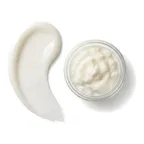 Lactobacillus
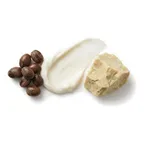 Butyrospermum Parkii Butter Shea Butter
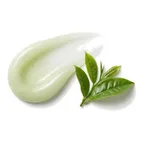 Camellia Sinensis Leaf Extract
 Salicylic Acid
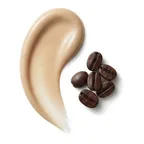 Caffeine
Average
- AverageOily Skin Fit
- AverageEffectiveness
- HighSafety
Works for oily acne-prone skin; other moisturizers fit it better.
This fit is calculated for the concerns frequently associated with oily acne-prone skin: shine, breakouts, blemishes, and enlarged pores. For scores and recommendations based on your full skin profile, including your 12D face scan results and any goals or preferences you have, please use the Lovi app.
Updated How the Fit score works
Lovi Assistant explains
- Offers moderate moisturizing and redness treatment for your oily skin due to shea butter and bisabolol, which hydrate and calm without irritation. Salicylic acid provides mild exfoliation, which is supportive but not the primary focus for your acne concerns.
- The formula is generally safe for your oily skin, as it lacks harsh ingredients and includes soothing bisabolol to prevent irritation.
- While it offers general skincare benefits, the concentration of salicylic acid is mild and not optimized for significant acne treatment or oil regulation.
How to apply
- Use this AM and PM routine every day to help clear your skin. Always remember to finish with SPF in the morning.
- Apply the moisturizer after your cleanser and toner, right before your SPF during the day.
- Gently press a small amount into your skin and avoid rubbing to keep pores clear.
- Apply on clean, slightly damp skin to help the product absorb better and control oil.
- Avoid the sensitive eye area and do a simple patch test before your first use.
People Say
★4.5Overall rating based on 1.8k+ reviewsA notable minority of reviewers report that while it hydrates well, it failed to diminish their specific redness or broken capillaries even after consistent use.
Highlights
Reduces redness Often Mentioned
- “keeps the redness at bay”
- “immediate improvement in the look of redness”
- “visibly soothes redness and blotchiness”
Soothing and calming Often Mentioned
- “cools the heat in my cheeks”
- “instantly calms skin”
- “feels fresh and soothing”
- “skin looks calmer and less red”
Effective moisturizer Sometimes Noted
- “leaves skin soft and hydrated”
- “perfect amount of moisture”
- “absorbs quickly and cleanly”
- “great for dry combination skin”
Gentle and non-irritating Sometimes Noted
- “gentle even on very sensitive skin”
- “no stinging or burning”
- “fragrance-free and allergy tested”
- “finally a cream I'm not allergic to”
Expensive price point Sometimes Noted
- “not cheap, but worth it”
- “obscene price tag for the amount”
- “pricey for a small jar”
- “too expensive for just a moisturizer”
Ineffective for redness Sometimes Noted
- “did not reduce facial redness in any way”
- “moisturizes but doesn't help redness”
- “saw no difference after weeks of use”
Adverse reactions Rarely Noted
- “burned my face”
- “caused breakouts”
- “made my skin itch”
Texture issues Rarely Noted
- “feels a bit heavy/greasy”
- “too thick for oily skin”
- “leaves a shiny finish”
- “does not absorb quickly”
Sources: lovi.care, macys.com, clinique.com, walmart.com, shespeaks.com, ulta.com, and more
Questions and answers
How well does Clinique Daily Relief Cream work for oily acne-prone skin?
This cream is an average fit for oily acne-prone skin because its mild salicylic acid and soothing ingredients calm redness and hydrate, though other products fit this skin type better. To work well for oily acne-prone skin, a moisturizing treatment needs lightweight ingredients that do not clog pores, control excess oil, and actively clear acne without heavy oils.
Journal of Cosmetic Dermatology, 2024Journal of Drugs in Dermatology, 2023
Which ingredients make this cream a good fit for oily acne-prone skin?
This cream works for your oily acne-prone skin because shea butter and bisabolol hydrate and calm without irritation, while salicylic acid provides mild exfoliation. However, an ideal product for this skin type needs lightweight hydrating ingredients, acne-fighting actives, and barrier-supporting agents that do not clog pores or add excess oil.
Journal of Cosmetic Dermatology, 2024Journal of Drugs in Dermatology, 2023
What does Lactobacillus do for oily acne-prone skin?
Lactobacillus helps calm oily and acne-prone skin by reducing pimples, redness, and excess oil while keeping your skin barrier balanced with fewer side effects than traditional treatments. It works by supporting good skin bacteria and soothing irritation.
Journal of Cosmetic Dermatology, 2022International Journal of Medical Sciences, 2021
What does Butyrospermum Parkii Butter do for oily acne-prone skin?
Butyrospermum Parkii Butter is often too heavy for oily acne-prone skin and may clog pores or trigger breakouts. This skin type needs lightweight, non-greasy ingredients that help keep pores clear while maintaining balanced hydration, such as niacinamide or salicylic acid.
Where does this cream go in a skincare routine for oily acne-prone skin?
This cream fits as a moisturizer in the morning routine after your hydrating toner, and in the evening routine as the final step after your treatment. While it hydrates and calms your oily skin without irritation, an average fit for acne-prone skin means this type of product also needs targeted acne-clearing ingredients like a higher concentration of salicylic acid or oil-regulating agents to properly manage breakouts.
Can I use this cream with retinol, and in what order?
You can use this cream alongside retinol, applying the retinol first on clean skin and following with the cream to help calm and hydrate your skin while keeping irritation unlikely. To work best for oily acne-prone skin, a product of this type needs stronger acne-fighting and oil-controlling ingredients like higher levels of salicylic acid.
How often should I use this cream?
This cream works for your oily acne-prone skin, though other products fit it better, and it helps to hydrate and calm redness when used as a regular daily moisturizer. To better manage acne and oil, this skin type needs targeted ingredients like a higher concentration of salicylic acid or specialized oil-regulating actives.
Journal of Cosmetic Dermatology, 2020Health Science Reports, 2021
Can this cream clog pores, cause breakouts or purging for oily acne-prone skin?
This cream is unlikely to clog pores or cause breakouts on oily acne-prone skin, as it lacks harsh ingredients and includes soothing bisabolol to prevent irritation. However, because its salicylic acid is mild and not optimized for significant acne treatment or oil regulation, oily acne-prone skin needs a product with stronger acne-fighting ingredients and oil-balancing agents to properly clear breakouts.
Can I use this cream around the eyes or on my body?
This cream is generally safe to use on the body or around the eyes, but the thin skin in the eye area needs a lightweight formula with hydrating and soothing ingredients that absorbs easily without heavy oils.
Is this cream fragrance-free and alcohol-free?
Yes, it has no fragrance and no drying alcohol. Cetearyl alcohol, cetyl alcohol, and behenyl alcohol are fatty alcohols, which soften the skin.
What the research says
Twice daily application of a multitargeted dermocosmetic cream provided comparable efficacy to benzoyl peroxide 5% gel in reducing inflammatory, non-inflammatory, and total lesions in 150 Caucasian subjects with mild-to-moderate acne over 56 days, while demonstrating superior skin tolerability.
Journal of Cosmetic Dermatology, 2024The use of a salicylic acid-based dermocosmetic significantly reduces the needed quantity of benzoyl peroxide without impacting efficacy in mild to moderate acne, and as maintenance post-benzoyl peroxide allows a significant reduction of acne relapse compared to vehicle.
Journal of Drugs in Dermatology, 2023A moisturizer containing licochalcone A, 1,2-decanediol, L-carnitine, and salicylic acid significantly reduced noninflammatory, inflammatory, and total acne lesion counts compared to a vehicle control in Thai patients during a 12-week maintenance phase.
BioMed Research International, 2020Probiotic-derived lotion successfully reduced inflammatory acne lesion counts and erythema index comparably to 2.5% benzoyl peroxide in patients with mild-to-moderate acne vulgaris, while causing fewer side effects.
Journal of Cosmetic Dermatology, 2022Daily application of Lactobacillus brevis DSM17250 extract ointment in healthy volunteers with dry skin significantly improved transepidermal water loss, reduced xerosis cutis symptoms, and promoted re-colonisation of protective skin microorganisms compared to placebo.
Beneficial Microbes, 2017Topical application of Lactobacillus plantarum-GMNL6 enhanced collagen synthesis and SPTSSA gene expression while reducing melanin synthesis, Staphylococcus aureus biofilm, and Cutibacterium acnes proliferation, leading to clinical improvements in skin moisture, color, spots, wrinkles, UV spots, and porphyrins in human volunteers.
International Journal of Medical Sciences, 2021A skin barrier restoring cream with shea butter, silkflo, and vitamin E increased type I procollagen synthesis, enhanced antioxidant enzyme activity, decreased reactive oxygen species generation, and promoted hyaluronic acid production in H2O2-stimulated human keratinocyte cells compared to untreated cells.
International Journal of Cosmetic Science, 2025Topically formulated tea polyphenols show some benefit in reducing sebum secretion and treating acne vulgaris compared to baseline or control.
Antioxidants, 2016Topical application of tannase-converted green tea extract (TGE) significantly improved skin wrinkle indices and self-assessed wrinkle reduction compared to normal green tea extract (NGE) in human subjects over 8 weeks.
Journal of Cosmetic Dermatology, 2013An anti-acne hydrogel containing Aloe barbadensis, Garcinia mangostana, and Camellia sinensis extracts showed superior antiacne and antiblotch activities compared to 1% clindamycin gel in sixty subjects with mild-moderate acne.
Clinical, Cosmetic and Investigational Dermatology, 2019Treatment with 2% supramolecular salicylic acid hydrogel resulted in a regression and markedly improvement rate of 51.01% compared to 43.10% for Adapaline gel in patients with mild to moderate facial acne vulgaris, showing no significant difference in efficacy.
Journal of Cosmetic Dermatology, 2024Topical 5% benzoyl peroxide plus salicylic acid achieved the greatest lesion reduction at early 2 to 4 week time points compared to benzoyl peroxide, clindamycin, and combination benzoyl peroxide/clindamycin, while 5% benzoyl peroxide plus salicylic acid and combination benzoyl peroxide/clindamycin showed similar efficacy at 10 to 12 weeks in acne patients.
Journal of the American Academy of Dermatology, 2010Post-peel application of either topical tretinoin (0.25%) or retinol (0.25%) after a 30% salicylic acid peel effectively improves signs of photodamage compared to baseline in female subjects, with tretinoin performing slightly better than retinol in texture, roughness, and overall appearance at week 4.
Journal of Drugs in Dermatology, 2016Topical sunscreen formulations containing caffeine combined with UV filters increased in vivo anti-UVB protection by approximately 25% and showed higher SPF values compared to caffeine-free sunscreen, while being well tolerated by the skin of healthy subjects.
Frontiers in Physiology, 2019Topical caffeine acts as an active cosmetic compound by preventing excessive fat accumulation through phosphodiesterase inhibition, protecting cells against UV radiation with antioxidant properties, increasing skin microcirculation, and stimulating hair growth via 5-alpha-reductase inhibition.
Skin Pharmacology and Physiology, 2013Serum-free organ culture of human skin ex vivo induces extremely accelerated ageing within 3 days, which is counteracted by caffeine and 2,5-dimethylpyrazine treatments.
Experimental Dermatology, 2024
Why other moisturizers fit oily acne-prone skin better
Co-delivery of paeonol and madecassoside via nanoemulsions improved transdermal delivery, promoted barrier repair proteins, inhibited inflammatory cytokine secretion in cellular and 3D models, and reduced transepidermal water loss and acne in human facial skin compared to free components.
Molecules, 2023A panthenol-enriched mask improved skin hydration, regulated sebum, and reduced redness and TEWL across dry sensitive, oily sensitive, and oily acne skin subgroups with excellent tolerance and no adverse reactions.
Journal of Cosmetic Dermatology, 2024A facial serum containing snail secretion filtrate, Calendula officinalis, and Glycyrrhiza glabra root extract significantly reduced inflammatory acne lesions compared to placebo in 66 participants with mild-to-moderate maskne over 12 weeks.
Journal of Cosmetic Dermatology, 2022
Ingredients
Water, Cyclopentasiloxane, Butyrospermum Parkii Butter Shea Butter, Cetearyl Alcohol, Hydrogenated Polyisobutene, Butylene Glycol, Glycerin, Sucrose, Isostearyl Palmitate, Peg-100 Stearate, Camellia Sinensis Leaf Extract, Polygonum Cuspidatum Root Extract, Hordeum Vulgare Extract, Wheat Extract Germ Extract, Cetearyl Glucoside, Camellia Sinensis Leaf Extract Yellow Tea Leaf Extract, Aspalathus Linearis Leaf Extract, Saccharomyces Lysate Extract, Ascophyllum Nodosum Extract, Asparagopsis Armata Extract, Camellia Sinensis Leaf Extract White Tea Leaf Extract, Algae Extract, Caffeine, Lactobacillus Ferment, Sodium Lauroyl Oat Amino Acids, Hydrogenated Lecithin, Polyethylene, Glyceryl Stearate, Salicylic Acid, Sorbitol, Methyl Glucose Sesquistearate, Cholesterol, Linoleic Acid, Acetyl Carnitine Hcl, Glycine, Inulin, Tromethamine, Decarboxy Carnosine Hcl, Phytosphingosine, Cetyl Alcohol, Tocopheryl Acetate, Bisabolol, Squalane, Hdi Trimethylol Hexyllactone Crosspolymer, Behenyl Alcohol, Carbomer, Silica, Disodium Edta, Potassium Sorbate, Phenoxyethanol, Blue 1 Ci 42090, Yellow 5 Ci 19140, Chromium Hydroxide Green Ci 77289, Titanium Dioxide Ci 77891, Mica
Behind this fit score
Lovi calculates every fit score from the full ingredient list with brand-independent rules our dermatologists and cosmetic chemists build and review, and personalizes every pick with AI trained on the real results of millions of users. Lovi trains its fit score models on a proprietary dataset built from more than 10,000 expert-labeled products and more than 100,000 simulated examples, following an internally consistent methodology presented at Cosmoprof, AMWC, and Skin of Color Update.
-

Co-founder, Medical Director
Cosmetic chemist, cosmetologist, aesthetic products developer
-

Co-founder, CEO and CTO
PhD in computer science, 3x US patent holder, ex-Google, ex-Yandex
-

Dr. Sofía Perea Pérez, MD, MSc
Medical Board
Aesthetic medicine practitioner, MSc in Longevity and Anti-Aging Medicine
-

Medical Board
Specialist dermatologist, MBBS, MD, IFAAD
-

Medical Board
Cosmetic chemist, SCS, IFSCC member
-

Medical Board, Medical Advisor
Dermatology MD
-

Elina Nazarenko, MD
Medical Board
Dermatology and diagnostic consultant
-

Victoria Derkova, MS
Medical Board
Cosmetic chemist, cosmetic development technologist


How does it fit your skin?
Scan your face, then any product: Lovi shows how well it fits you and what fits even better.