
Clinique Pep-Start Eye Cream for acne-prone skin

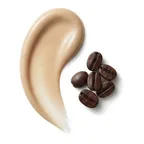 Caffeine
 Palmitoyl Tetrapeptide-7
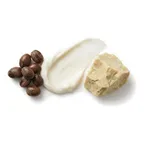 Butyrospermum Parkii Butter Shea Butter
 Sodium Hyaluronate
 Acetyl Hexapeptide-8
Average
- HighCombination Skin Fit
- AverageEffectiveness
- HighSafety
Works for acne-prone skin; other eye cares fit it better.
This fit is calculated for the concerns frequently associated with acne-prone skin: breakouts, blackheads, and post-acne marks. For scores and recommendations based on your full skin profile, including your 12D face scan results and any goals or preferences you have, please use the Lovi app.
Updated How the Fit score works
Lovi Assistant explains
- Offers moderate hydration for your combination skin, with glycerin and sodium hyaluronate acting as humectants and squalane providing emollient benefits, though these ingredients do not directly address your acne concerns.
- The formula includes beneficial peptides and algae extract for general skin health, but lacks active ingredients specifically targeting blemishes and breakouts.
- The product is safe for your combination skin, as it contains no harsh or prohibited ingredients that would cause irritation.
People Say
★3.7Overall rating based on 1.1k+ reviewsBased on a very large amount of data, this eye cream is frequently described as lightweight and fast-absorbing, making it a good option for layering under makeup and reducing morning puffiness. Many users found it gentle and non-irritating. However, a significant number of reviews indicate that the applicator is difficult to use, and the cream is not effective for addressing dark circles or wrinkles, with some users finding it not moisturizing enough.
Highlights
Lightweight & fast-absorbing Mostly Mentioned
- “sinks in swiftly”
- “never feels greasy”
- “absorbs fairly quickly”
Poor applicator design Mostly Mentioned
- “hard to open”
- “messy ball tip”
- “plastic tip not cooling”
Great under makeup Often Mentioned
- “concealer sits well”
- “no pilling”
- “smooths the way for makeup”
Ineffective for dark circles Often Mentioned
- “dark circles looked worse”
- “didn't brighten”
- “no difference in intensity”
Gentle & non-irritating Sometimes Noted
- “didn't sting”
- “fragrance-free”
- “good for sensitive eyes”
Reduces morning puffiness Sometimes Noted
- “eyes looked less puffy”
- “helped the puffiness just a bit”
- “good morning depuffer”
Lack of anti-aging results Sometimes Noted
- “didn't help wrinkles”
- “no long-term changes”
- “better for young skin”
Not moisturizing enough Sometimes Noted
- “not for dry skin”
- “need richer cream”
- “just basic moisture”
Sources: lovi.care, sephora.in, lookfantastic.com, macys.com, amazon.com, youtube.com, and more
Questions and answers
How well does Clinique Pep-Start work for acne-prone skin?
This eye cream works adequately for acne-prone skin, providing moderate moisture, though it lacks ingredients that specifically target breakouts. An eye care product for this skin needs soothing and hydrating ingredients alongside blemish-fighting actives to balance dry and oily areas without clogging pores.
Which ingredients make this cream a good fit for acne-prone skin?
This cream works for acne-prone skin because it contains caffeine, peptides, and shea butter, though other products fit this skin better. An eye care for acne-prone skin needs soothing and hydrating ingredients that clear blemishes and calm the skin without clogging pores.
What does Caffeine do for acne-prone skin?
Caffeine is unlikely to clear acne on its own, but it helps calm redness and protects your skin from daily stress and UV damage. An acne-prone skin routine needs ingredients that gently clear pores, control oil, and soothe irritation.
Skin Pharmacology and Physiology, 2013International Journal of Molecular Sciences, 2024
What does Palmitoyl Tetrapeptide-7 do for acne-prone skin?
Palmitoyl Tetrapeptide-7 helps calm angry skin and reduces visible redness associated with breakouts. This ingredient supports skin recovery, making it a useful addition to routines focused on keeping acne-prone skin balanced and comfortable.
Where does this cream go in a skincare routine for acne-prone skin?
This eye cream goes on after your moisturizer in the morning and evening. Because this cream offers moderate hydration without directly tackling breakouts, acne-prone skin needs eye care with targeted blemish-fighting ingredients and lightweight hydrators.
Can I use this cream with retinol, and in what order?
You can use this eye cream alongside retinol, applying it either before or after your retinol product to help keep the delicate eye area soft and smooth. This cream is unlikely to cause irritation, but acne-prone skin works best with products that also include targeted blemish-fighting ingredients and oil-balancing agents.
How often should I use this cream?
You can use this eye cream daily as part of your routine, though this skin type needs targeted ingredients like blemish-fighting actives to properly address breakouts.
Can this cream clog pores, cause breakouts or purging for acne-prone skin?
This cream is unlikely to cause irritation on acne-prone skin, but it only offers moderate hydration and lacks active ingredients specifically targeting breakouts. An eye cream for this skin needs blemish-fighting ingredients and lightweight hydrators that keep pores clear.
Is this cream fragrance-free and alcohol-free?
Yes, it has no fragrance and no drying alcohol.
What the research says
A single application of a moisturizing fluid containing hyaluronic acid 1%, glycerin 5%, and Centella asiatica stem cells extract significantly increased skin hydration by 29% and reduced transepidermal water loss at 24 hours compared to baseline and an untreated control site in twenty healthy women.
Clinical, Cosmetic and Investigational Dermatology, 2017Topical hyaluronic acid filler serum combined with Botulinum toxin type A lengthened the duration of the toxin's effect in reducing wrinkles compared to Botulinum toxin type A alone.
Dermatologic Therapy, 2022Treatment with lipid algae extract reduced the level of oxidized proteins in human keratinocytes and stratum corneum skin cells.
Annals of the New York Academy of Sciences, 2004Topical sunscreen formulations containing caffeine combined with UV filters increased in vivo anti-UVB protection by approximately 25% and showed higher SPF values compared to caffeine-free sunscreen, while being well tolerated by the skin of healthy subjects.
Frontiers in Physiology, 2019Topical caffeine acts as an active cosmetic compound by preventing excessive fat accumulation through phosphodiesterase inhibition, protecting cells against UV radiation with antioxidant properties, increasing skin microcirculation, and stimulating hair growth via 5-alpha-reductase inhibition.
Skin Pharmacology and Physiology, 2013Serum-free organ culture of human skin ex vivo induces extremely accelerated ageing within 3 days, which is counteracted by caffeine and 2,5-dimethylpyrazine treatments.
Experimental Dermatology, 2024Topical caffeine applied after ultraviolet irradiation in SKH-1 hairless mice decreased skin roughness and more than doubled the number of apoptotic keratinocytes compared to vehicle treatment.
The British Journal of Dermatology, 2007A multi-modal methodology combining MALDI-MSI, in vivo RCM, echography, and histology revealed age-related decreases in extracellular matrix and epidermal-dermal junction proteins and undulation depth, while a blend of palmitoyl oligopeptide and palmitoyl tetrapeptide-7 improved subepidermal low-echogenic band thickness, density, and extracellular matrix structure compared to placebo.
Journal of Cosmetic Dermatology, 2015A skin barrier restoring cream with shea butter, silkflo, and vitamin E increased type I procollagen synthesis, enhanced antioxidant enzyme activity, decreased reactive oxygen species generation, and promoted hyaluronic acid production in H2O2-stimulated human keratinocyte cells compared to untreated cells.
International Journal of Cosmetic Science, 2025Topical application of 0.1% hyaluronic acid formulations of different molecular weights led to significant improvements in skin hydration and elasticity, with low-molecular-weight formulations also significantly reducing wrinkle depth in seventy-six female subjects compared to a vehicle control.
Journal of Drugs in Dermatology, 2011Topical hyaluronic acid serum used twice daily by 40 females with facial photoaging produced an immediate 134% increase in skin hydration, a sustained 55% increase at week 6, and significant improvements in smoothness, plumping, fine lines, wrinkles, and global appearance without causing irritation.
Dermatology and Therapy, 2021A topical antioxidant serum significantly reduced air pollution-induced skin pigmentation and proinflammatory gene expression ex vivo, and improved skin aging signs in 40 healthy adult females after 90 days of daily use.
Journal of Cosmetic Dermatology, 2022Treatment with cross-linked hyaluronic acid-based microneedle patches combined with acetyl hexapeptide-8 or epidermal growth factor significantly improved wrinkles and skin hydration compared to the patch alone in Korean females over 29 days.
Annals of Dermatology, 2019Argireline treatment twice daily for 4 weeks produced a significant anti-wrinkle effect with 48.9% total efficacy and decreased skin roughness in Chinese subjects compared with 0% efficacy and no decrease in roughness in the placebo group.
American Journal of Clinical Dermatology, 2013Acetyl hexapeptide-3 and tripeptide-10 citrulline demonstrated antiwrinkle efficacy and decreased transepidermal water loss in twenty-four healthy volunteers compared to control groups, though synergistic effects between the two peptides remained unclear.
Journal of Cosmetic Dermatology, 2017
Ingredients
Water, Glycerin, Butylene Glycol, Butyrospermum Parkii Butter Shea Butter, Squalane, Cetyl Esters, Dimethicone, Methyl Gluceth-20, Polyethylene, Glycereth-26, Polybutene, Sucrose, Magnolia Officinalis Bark Extract, Sigesbeckia Orientalis Extract, Algae Extract, Molasses Extract, Saccharum Officinarum, Sapindus Mukorossi Fruit Extract, Palmitoyl Tetrapeptide-7, Whey Protein, Lactis Protein, Palmitoyl Hexapeptide-12, Trifluoroacetyl Tripeptide-2, Caffeine, Phytosphingosine, Acetyl Hexapeptide-8, Palmitoyl Tripeptide-1, Yeast Extract, Glycine Soja Protein Soybean Protein, Caesalpinia Spinosa Gum, Acrylates C10-30 Alkyl Acrylate Crosspolymer, Glyceryl Polymethacrylate, Sucrose Stearate, Caprylyl Glycol, Peg-8, Sodium Hyaluronate, Simethicone, Polysorbate 20, Carbomer, Sodium Hydroxide, Dextran, Hexylene Glycol, Sodium Citrate, Phenoxyethanol, Mica, Titanium Dioxide Ci 77891
Behind this fit score
Lovi calculates every fit score from the full ingredient list with brand-independent rules our dermatologists and cosmetic chemists build and review, and personalizes every pick with AI trained on the real results of millions of users. Lovi trains its fit score models on a proprietary dataset built from more than 10,000 expert-labeled products and more than 100,000 simulated examples, following an internally consistent methodology presented at Cosmoprof, AMWC, and Skin of Color Update.
-

Co-founder, Medical Director
Cosmetic chemist, cosmetologist, aesthetic products developer
-

Co-founder, CEO and CTO
PhD in computer science, 3x US patent holder, ex-Google, ex-Yandex
-

Dr. Sofía Perea Pérez, MD, MSc
Medical Board
Aesthetic medicine practitioner, MSc in Longevity and Anti-Aging Medicine
-

Medical Board
Specialist dermatologist, MBBS, MD, IFAAD
-

Medical Board
Cosmetic chemist, SCS, IFSCC member
-

Medical Board, Medical Advisor
Dermatology MD
-

Elina Nazarenko, MD
Medical Board
Dermatology and diagnostic consultant
-

Victoria Derkova, MS
Medical Board
Cosmetic chemist, cosmetic development technologist


How does it fit your skin?
Scan your face, then any product: Lovi shows how well it fits you and what fits even better.