
Cetaphil Sheer Mineral Sunscreen SPF 50 for combination skin

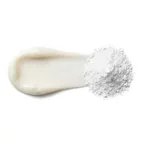 Titanium Dioxide
 Zinc Oxide
 Vitamin E
 Ceramide Np
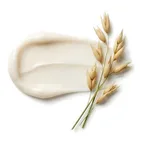 Avena Sativa Kernel Extract Oat Kernel Extract
Superior
- HighCombination Skin Fit
- HighEffectiveness
- ExcellentSafety
One of the best sunscreens for combination skin.
This fit is calculated for the concerns frequently associated with combination skin: an oily T-zone, enlarged pores, and dry cheeks. For scores and recommendations based on your full skin profile, including your 12D face scan results and any goals or preferences you have, please use the Lovi app.
Updated How the Fit score works
Lovi Assistant explains
- Excellent for your combination skin, this formula leverages titanium dioxide and zinc oxide to control oily shine and provide mineral sun protection without occlusion. Bisabolol and Avena Sativa Kernel Extract further soothe and calm your skin, enhancing its overall comfort.
- The inclusion of ingredients like Ascorbic Acid and Tocopheryl Acetate offers antioxidant benefits, supporting your skin's natural defenses against environmental stressors.
- This product is safe for your skin, featuring a gentle formulation with no harsh ingredients and beneficial soothing agents.
How to apply
- Apply this sunscreen during your AM routine every single day. Make sure to reapply ⏱ every two hours if you stay outside.
- Apply this sunscreen as the very last step of your morning routine after your moisturizer. Allow your moisturizer to ⏳ sink in for a minute first.
- Smooth an even layer over your face and gently pat it into the skin without harsh rubbing. Be sure to cover all exposed areas thoroughly.
- For the best finish on your combination skin, apply the sunscreen on completely dry skin over your moisturizer. This helps control any oily shine throughout the day.
- Avoid getting the product directly into your eyes. Do a small patch test before your first full application.
People Say
★4.3Overall rating based on 3.5k+ reviewsBased on a very large amount of data, this sunscreen is highly recommended by users with sensitive and oily skin for its ultra-lightweight, liquid consistency that dries to a matte finish without causing breakouts or eye irritation. A significant number of users with medium to deep skin tones report a noticeable white cast that requires effort to blend or makeup to conceal.
Highlights
Lightweight matte finish Mostly Mentioned
- “dries down completely matte”
- “feels like nothing on”
- “great for oily skin”
- “non-greasy texture”
Great for sensitive skin Often Mentioned
- “only sunscreen that doesn't burn my face”
- “no irritation or breakouts”
- “doesn't sting my eyes”
Leaves white cast Often Mentioned
- “leaves a purple hue on brown skin”
- “ghostly look on tan skin”
- “takes forever to rub in”
- “not sheer at all”
Liquid consistency Sometimes Noted
- “very runny and spreads easily”
- “thin milk-like texture”
- “blends faster than thick lotions”
- “easy to layer”
Clings to dry patches Sometimes Noted
- “emphasizes dry skin flakes”
- “can feel drying over time”
- “settles into fine lines”
- “chalky finish on dry areas”
Runny texture issues Rarely Noted
- “spills out of the bottle”
- “too watery to control”
- “messy application”
- “leaks if not closed tight”
Sources: lovi.care, ulta.com, influenster.com, iherb.com, target.com, amazon.com, and more
Questions and answers
What makes Cetaphil Sheer Mineral Sunscreen SPF 50 one of the best fits for combination skin?
This sunscreen is an excellent fit for combination skin because it uses mineral ingredients to protect against the sun and control oily shine without feeling heavy. Soothing agents like oat kernel extract and bisabolol help calm your skin, while vitamin E and other antioxidants support its natural defenses.
Skin Pharmacology and Applied Skin Physiology, 2002Journal of Cosmetic Dermatology, 2022
Which ingredients make this sunscreen a good fit for combination skin?
Titanium dioxide and zinc oxide make this sunscreen a great fit for your combination skin because they control oily shine and protect you from the sun without clogging your pores. Ingredients like bisabolol and oat extract help calm and soothe your skin, while vitamin E and vitamin C offer helpful antioxidant support against everyday environmental stressors.
Skin Pharmacology and Applied Skin Physiology, 2002Journal of Cosmetic Dermatology, 2022
What does Titanium Dioxide do for combination skin?
Titanium dioxide helps protect combination skin from UV rays by sitting on the surface without clogging pores or feeling greasy. It is unlikely to irritate sensitive areas while keeping the skin safe from sun damage.
ACS Applied Bio Materials, 2024Journal of the European Academy of Dermatology and Venereology, 2019
What does Zinc Oxide do for combination skin?
Zinc oxide helps calm red spots and manages oily shine on combination skin without clogging pores. Because this ingredient is generally too drying for normal or dry areas, combination skin needs a gentle formula balanced with hydrating ingredients to keep the skin soft and smooth.
Where does this sunscreen go in a skincare routine for combination skin?
This sunscreen goes in the morning routine as the final skincare step before makeup. It is applied after a cleanser, hydrating toner, and moisturizer.
Can I use this sunscreen with retinol, and in what order?
You can use this sunscreen in your morning routine after your retinol product, which is typically used at night. Applying it last in your morning steps protects your skin while keeping it comfortable.
How often should I use this sunscreen?
Apply this sunscreen every morning as the final step in your daytime routine. It provides mineral sun protection and helps control oily shine without feeling heavy on your skin.
Can this sunscreen clog pores, cause breakouts or purging for combination skin?
This sunscreen is unlikely to clog pores or cause breakouts for your combination skin because it provides mineral sun protection without feeling heavy or blocking pores. The gentle formula also helps calm your skin and is very safe for daily use.
Is this sunscreen fragrance-free and alcohol-free?
It has no drying alcohol and contains fragrance (benzyl alcohol). Arachidyl alcohol and behenyl alcohol are fatty alcohols, which soften the skin.
What the research says
Topically applied Avena sativa and Avena Rhealba oatmeal extracts significantly reduced skin irritation parameters including a* parameter increase and blood flow increase compared to vehicle in 12 healthy individuals subjected to the sodium lauryl sulfate irritation model.
Skin Pharmacology and Applied Skin Physiology, 2002Colloidal oat extracts diminished pro-inflammatory cytokines in vitro and colloidal oat lotion improved skin dryness, scaling, roughness, and itch intensity in healthy female subjects compared to baseline.
Journal of Drugs in Dermatology, 2015Colloidal oatmeal induced skin barrier-related gene expression in vitro and showed significant clinical improvements in skin dryness, moisturization, and barrier in 50 healthy female subjects treated with a colloidal oatmeal lotion.
Journal of Drugs in Dermatology, 2016A topical antioxidant serum significantly reduced air pollution-induced skin pigmentation and proinflammatory gene expression ex vivo, and improved skin aging signs in 40 healthy adult females after 90 days of daily use.
Journal of Cosmetic Dermatology, 2022A multiple W/O/W emulsion containing Rosmarinus officinalis L., Avena sativa L., and Linum usitatissimum L. extracts showed no irritant, phototoxic, inflammatory, or allergenic potential in human skin models and patch tests, establishing its safety as a cosmetic base.
Pharmaceutics, 2021Microfine titanium dioxide does not penetrate human skin when formulated in an oil-in-water emulsion with the pigment dispersed in the aqueous phase, compared to oily dispersions and liposomal encapsulation which allow deeper skin penetration.
International Journal of Cosmetic Science, 2000Replacing microsized titanium dioxide and zinc oxide with nanoparticles in sunscreens eliminates opaqueness and alters UV protection balance while inducing (photo)cyto- and genotoxicity and penetrating viable skin layers during long-term exposures.
Nanotechnology, Science and Applications, 2011Hyaluronic acid-grafted titanium dioxide nanoparticles increased SPF from 13.3 to 19.1 while demonstrating low photocatalytic activity, exceptional thermal stability with >95% SPF retention, enhanced moisturization with >80% hydration retention, and minimal cytotoxicity with 88.5% cell viability in HaCaT keratinocytes compared to unmodified nanoparticles.
International Journal of Biological Macromolecules, 2025Topical 0.5% hyaluronic-ZnO nanogel applied twice daily reduced inflammatory-lesion counts by 58% at week four in human subjects compared to baseline without causing erythema.
Biomedicines, 2025Daily use of a deep cleansing gel containing salicylic acid 2%, zinc gluconate 0.2% and lipohydroxy acid 0.05% significantly reduced total lesion count by 56.3% after 84 days in 35 subjects with mild to moderate truncal acne.
Clinical, Cosmetic and Investigational Dermatology, 2023Topical zinc oxide nanogels formulated using Dendrobium anosmum showed greater effectiveness against Gram-positive acne-causing bacteria compared to chemogenic nanoparticles.
Molecules, 2023Topical application of an antioxidant serum containing 15% ascorbic acid, 0.5% ferulic acid, and 1% tocopherol prevented particulate matter-induced degradation of extracellular matrix components, inflammation, and oxidative stress in the skin of 15 female volunteers compared to untreated controls.
Journal of Cosmetic Dermatology, 2025Dermatological products containing d-alpha tocopheryl acetate showed non-comedogenic potential with less than a 50% increase in microcomedones in 12 healthy male subjects compared to octyl palmitate.
Contemporary Clinical Trials Communications, 2021Topical application of an antioxidant mix containing 15% ascorbic acid, 0.5% ferulic acid, and 1% tocopherol prevented PM and UV-induced skin barrier perturbation, lipid peroxidation, inflammatory markers, MMP9 activation, and Type I collagen loss in 15 healthy females compared to untreated exposed skin.
Journal of Cosmetic Dermatology, 2024Ceramide and niacinamide-containing moisturizer combined with anti-acne treatment significantly improved non-inflammatory, inflammatory, and total acne lesions compared to hydrophilic cream in 40 patients with mild to moderate acne vulgaris after 8 weeks.
Journal of Cosmetic Dermatology, 2024Topical application of a pseudo-ceramide-containing spray improved stratum corneum water content, transepidermal water loss, cell area, and scaling score, and normalized the ceramide profile in patients with dry and sensitive skin compared to a control spray.
Journal of Cosmetic Dermatology, 2025Colloidal oat increased the growth rate, metabolism, and lactic acid production of Staphylococcus epidermidis compared to Staphylococcus aureus in vitro, matching clinical increases in lactic acid on dry skin after 6 weeks of lotion use.
Clinical, Cosmetic and Investigational Dermatology, 2021A dermocosmetic product containing oat plantlet sap and Garcinia mangostana extract reduced retentional and inflammatory acne lesions by 21% and 35% respectively after 2 months in 54 subjects with mild-to-moderate acne.
Journal of the European Academy of Dermatology and Venereology, 2024
Ingredients
Titanium Dioxide, Zinc Oxide, Alumina, Arachidyl Alcohol, Arachidyl Glucoside, Ascorbic Acid, Avena Sativa Kernel Extract Oat Kernel Extract, Beeswax, Behenyl Alcohol, Benzyl Alcohol, Bisabolol, Butylene Glycol, Butyloctyl Salicylate, Calendula Officinalis Flower Extract, Camellia Sinensis Leaf Extract, Carbomer, Ceramide Ap, Ceramide Eop, Ceramide Np, Cetyl Dimethicone, Chamomilla Recutita Flower Extract Matricaria Flower Extract, Cholesterol, Dimethicone, Dimethicone Peg-8 Laurate, Dipotassium Glycyrrhizate, Disodium Edta, Ethylhexylglycerin, Glycerin, Glyceryl Stearate, Hydrated Silica, Hydroxyethyl Acrylate Sodium Acryloyldimethyl Taurate Copolymer, Isohexadecane, Maltodextrin, Methicone, Panthenol, Pantothenic Acid, Peg-100 Stearate, Peg-8, Phytosphingosine, Polyaminopropyl Biguanide, Polymethyl Methacrylate, Polysorbate 60, Potassium Sorbate, Propylene Glycol, Sodium Lauroyl Lactylate, Stearic Acid, Styrene Acrylates Copolymer, Tocopheryl Acetate Vitamin E, Triethoxycaprylylsilane, Trimethylsiloxysilicate, Trisiloxane, Vp Eicosene Copolymer, Water, Xanthan Gum
Behind this fit score
Lovi calculates every fit score from the full ingredient list with brand-independent rules our dermatologists and cosmetic chemists build and review, and personalizes every pick with AI trained on the real results of millions of users. Lovi trains its fit score models on a proprietary dataset built from more than 10,000 expert-labeled products and more than 100,000 simulated examples, following an internally consistent methodology presented at Cosmoprof, AMWC, and Skin of Color Update.
-

Co-founder, Medical Director
Cosmetic chemist, cosmetologist, aesthetic products developer
-

Co-founder, CEO and CTO
PhD in computer science, 3x US patent holder, ex-Google, ex-Yandex
-

Dr. Sofía Perea Pérez, MD, MSc
Medical Board
Aesthetic medicine practitioner, MSc in Longevity and Anti-Aging Medicine
-

Medical Board
Specialist dermatologist, MBBS, MD, IFAAD
-

Medical Board
Cosmetic chemist, SCS, IFSCC member
-

Medical Board, Medical Advisor
Dermatology MD
-

Elina Nazarenko, MD
Medical Board
Dermatology and diagnostic consultant
-

Victoria Derkova, MS
Medical Board
Cosmetic chemist, cosmetic development technologist


How does it fit your skin?
Scan your face, then any product: Lovi shows how well it fits you and what fits even better.